Shared Watchlist
A shared room for what you watched, what is next, what needs a rewatch, and what needs cleanup.
Keep the shared shelf honest.
Mark what you and Emily have already watched, keep the next-up list clean, and leave a review lane ready for the screenshots and dashboard data coming next.
Cinema One shelf
142 movies ready to mark
The buttons below update the shared room and make poster badges appear across this browser session.
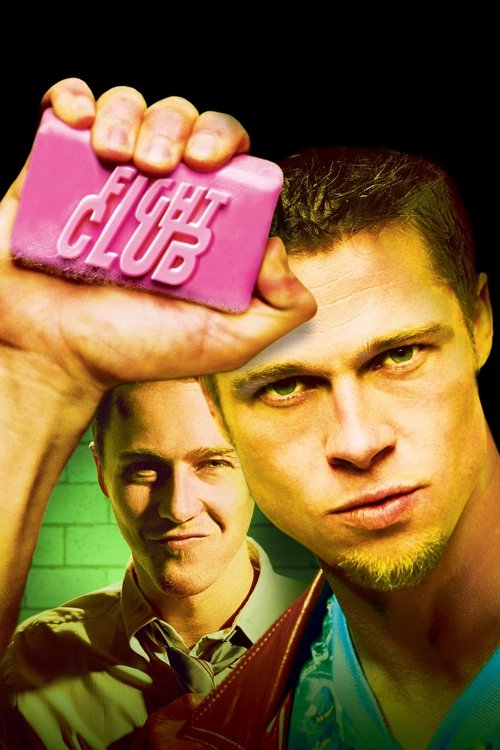
Fight Club
An insomniac office worker mistakes numbness for peace until Tyler Durden turns grievance into ritual, then ritual into organization. Fight Club works because Fincher makes the release feel seductive before the bill comes due: consumer disgust becomes violence, violence becomes doctrine, and the fantasy of waking up starts recruiting bodies.
Open file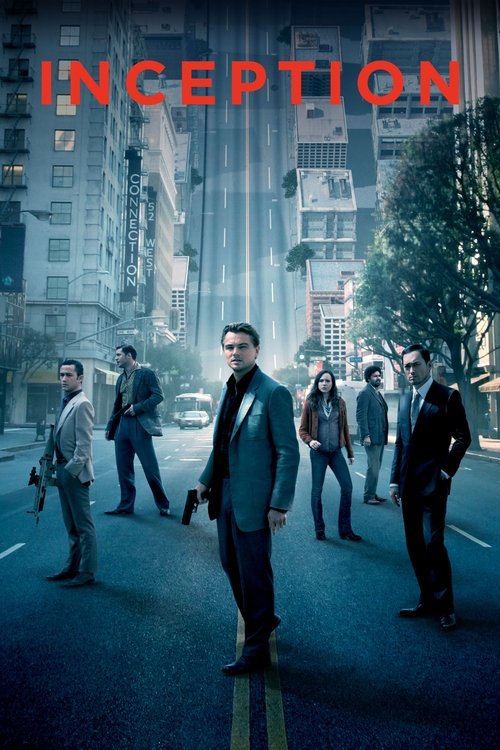
Inception
Dom Cobb sells dream theft as a heist job, but Inception keeps revealing the deeper burglary: grief has already invaded his own architecture. Nolan makes the rules legible enough for blockbuster momentum, then lets each level expose a different pressure point: time dilation, guilt, performance, and the dangerous comfort of choosing a dream that hurts less than waking life.
Open file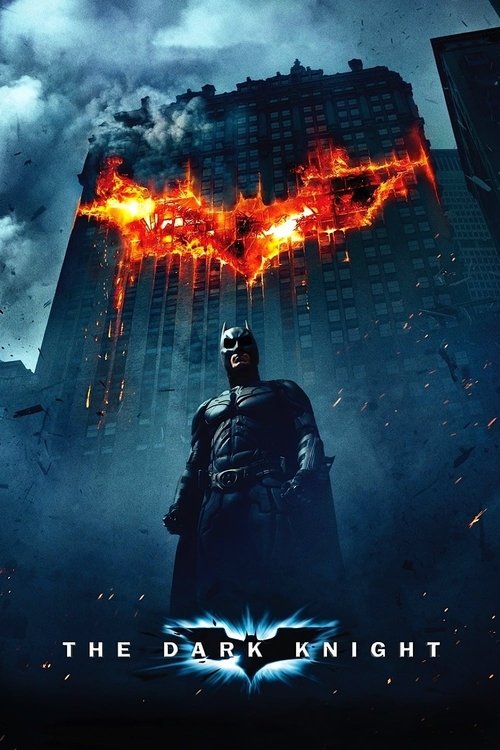
The Dark Knight
Batman, Gordon, and Harvey Dent try to turn Gotham's crime war into civic order, but the Joker attacks the very idea that rules can hold under pressure. The Dark Knight endures because Nolan treats superhero scale like a crime-siege ethics test: every chase, interrogation, public lie, and act of restraint asks what a city has to believe before it can survive itself.
Open file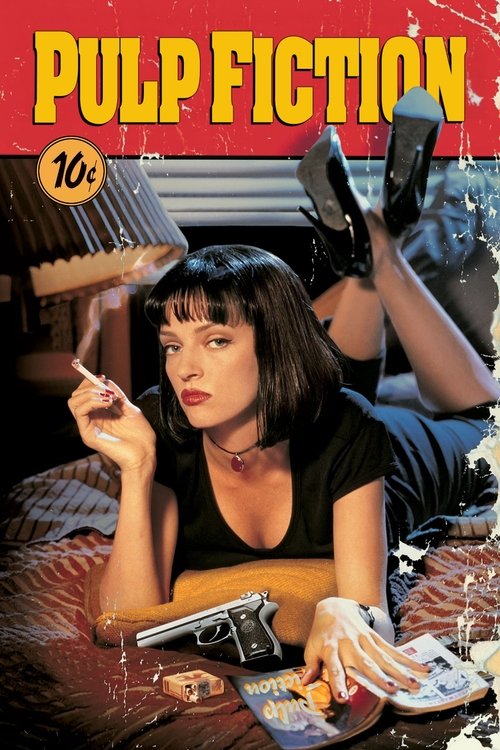
Pulp Fiction
Hit men, a boxer, a gangster's wife, and two diner robbers orbit the same Los Angeles underworld, but Pulp Fiction keeps changing what their stories mean by changing when we receive them. Tarantino turns talk into suspense and chronology into moral punchline: violence may be casual, but grace, panic, and consequence keep interrupting the pose.
Open file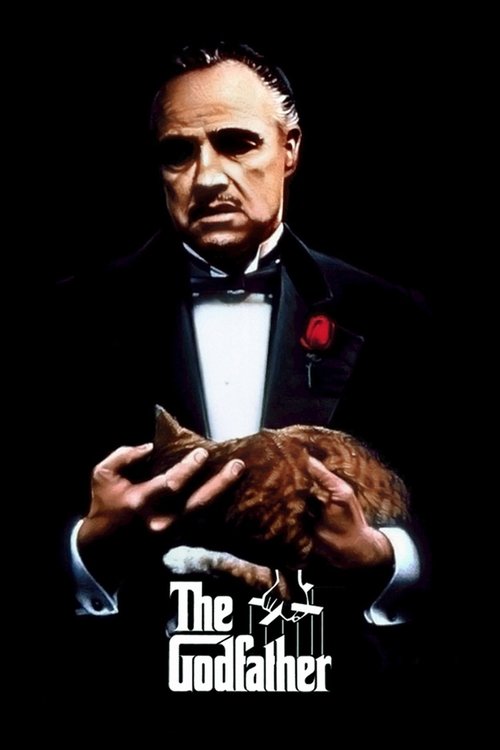
The Godfather
The Corleone family story is not only a crime succession plot; it is a tragedy about how ritual, loyalty, and private tenderness get converted into power. Coppola makes Michael’s inheritance feel seductive before it feels terminal: every favor, meal, meeting, murder, and closed door tightens the distance between the son who wanted out and the don he becomes.
Open file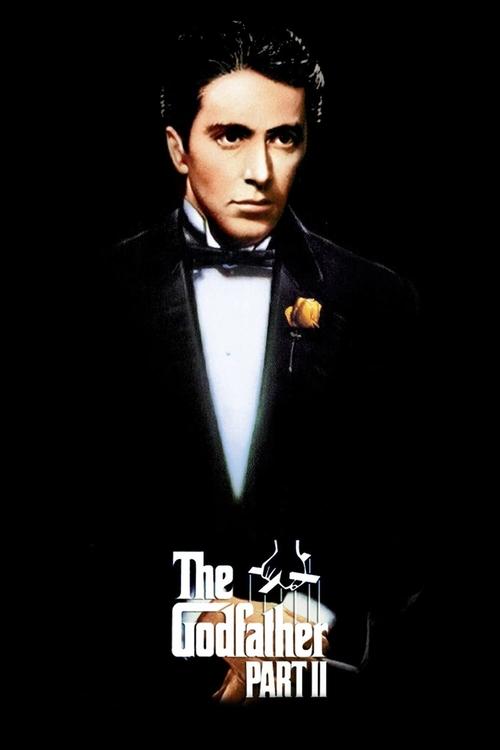
The Godfather Part II
The Godfather Part II crosscuts Vito Corleone’s immigrant ascent against Michael Corleone’s colder consolidation of power, turning sequel scale into moral subtraction. Coppola’s trick is not just telling two timelines at once; it is making warmth and control trade places until Michael inherits the empire and loses the family meaning that supposedly justified it.
Open file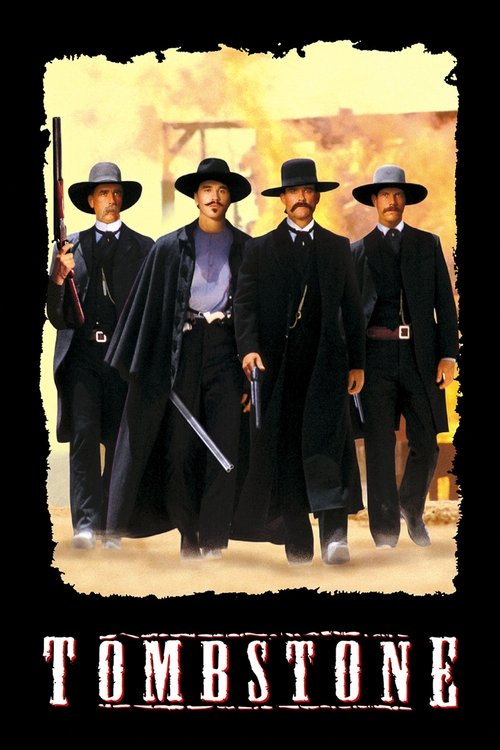
Tombstone
Wyatt Earp tries to treat Tombstone as retirement, but the town keeps turning reputation into obligation. The movie lasts because its western myth is powered by performance pressure: Kurt Russell gives Wyatt the steady spine, Val Kilmer turns Doc Holliday into fatal wit and decaying elegance, and every showdown tests whether friendship can outdraw fear.
Open file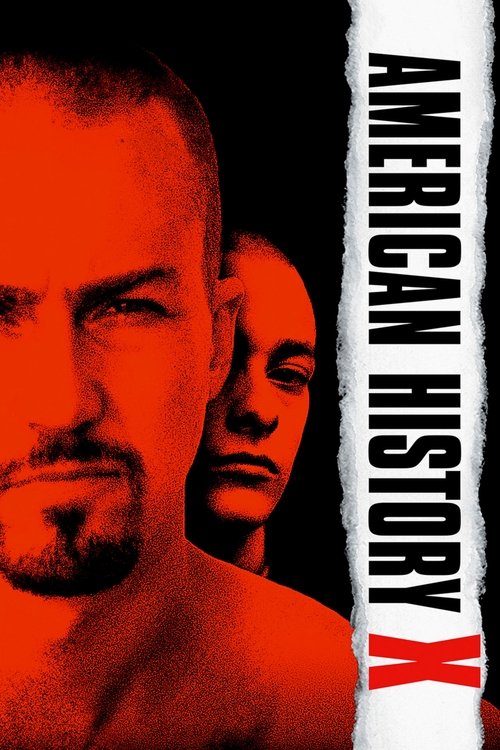
American History X
Derek Vinyard comes out of prison trying to pull his younger brother away from the white-power mythology he helped make glamorous at home, at school, and on the street. American History X belongs on Cinema One because its power and its danger are the same thing: Tony Kaye shoots hatred like performance, memory, and family inheritance, then asks whether recognition can arrive fast enough to stop rage from recruiting the next body.
Open file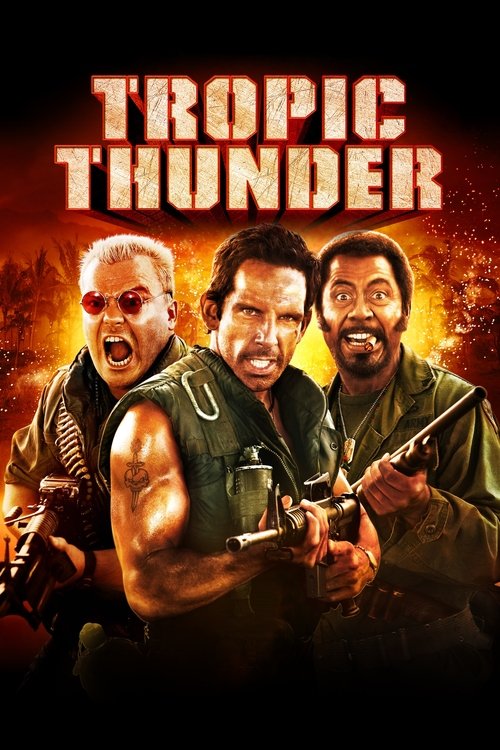
Tropic Thunder
A crew of insecure actors marches into a fake Vietnam movie and finds the Hollywood machine eating its own costume. Tropic Thunder belongs on Cinema One because Ben Stiller turns blockbuster scale into studio satire: fake trailers, awards hunger, method vanity, brand extensions, and Les Grossman power all collide until performance becomes another survival problem.
Open file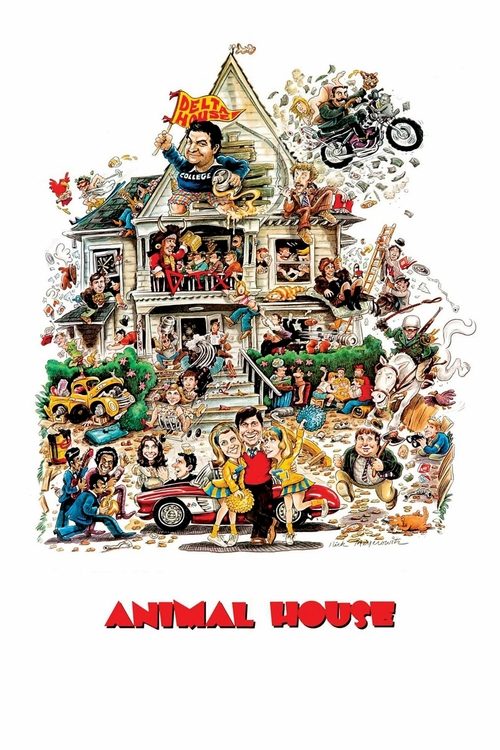
National Lampoon's Animal House
At a 1962 college, Dean Vernon Wormer is determined to expel the entire Delta Tau Chi Fraternity, but those troublemakers have other plans for him.
Open file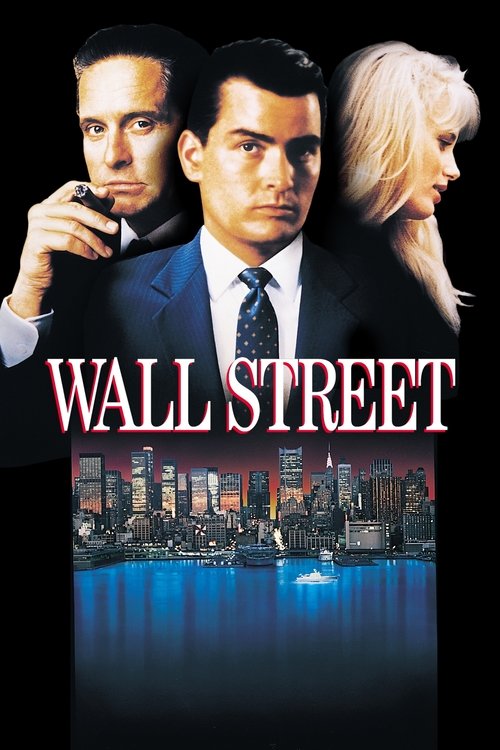
Wall Street
Bud Fox wants into the room badly enough to mistake Gordon Gekko for a mentor, then Wall Street turns ambition into a pressure test about money, fathers, information, and appetite. Stone makes the trading floor feel like a moral weather system: every call, lunch, wire, and deal asks what part of yourself you sell first.
Open file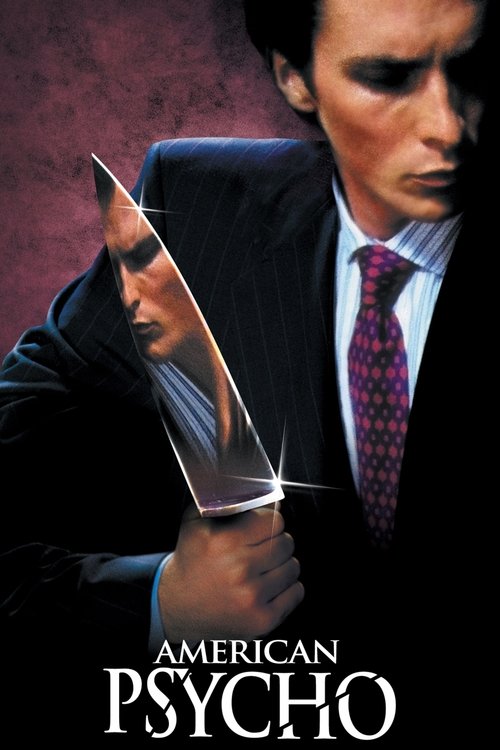
American Psycho
Patrick Bateman moves through restaurants, business cards, skin routines, and murder fantasies with the same dead showroom smile. American Psycho belongs on Cinema One because Mary Harron turns Wall Street masculinity into horror-comedy evidence: the monster is not hidden under the suit; the suit is part of the monster.
Open file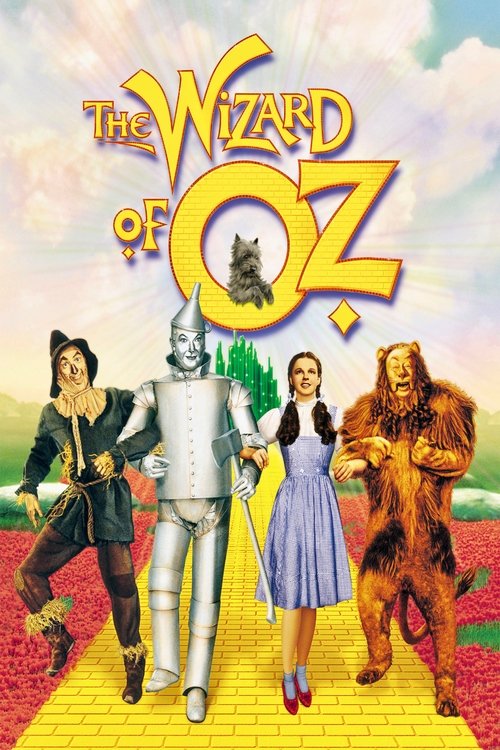
The Wizard of Oz
Dorothy leaves gray Kansas for color, danger, songs, false authority, and a road that keeps testing what home actually means. The Wizard of Oz endures because the spectacle is also emotional grammar: every companion names a fear, every room changes the rules, and the movie turns childhood wonder into a survival map.
Open file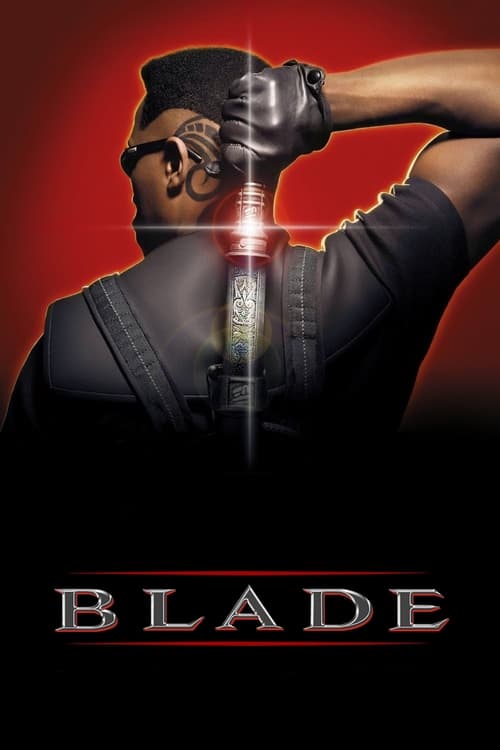
Blade
Blade walks into the vampire underworld already dressed like the movie knows what it is: leather, blood, techno, silver, and a hero whose body is both weapon and curse. The page belongs because the film turns comic-book material into nightclub action-horror with real attitude, clean rules, and Wesley Snipes moving like the franchise was built around his silhouette.
Open file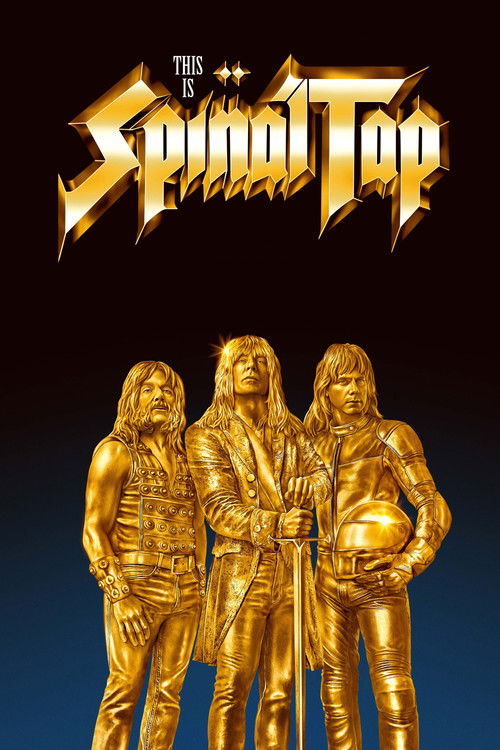
This Is Spinal Tap
Spinal Tap tours America with amps, egos, tiny Stonehenge, backstage resentment, and no real sense of how ridiculous the machine has become. This Is Spinal Tap belongs on Cinema One because the mockumentary form is not a gimmick; it is the pressure system that lets vanity, friendship, industry nonsense, and rock myth collapse one interview at a time.
Open file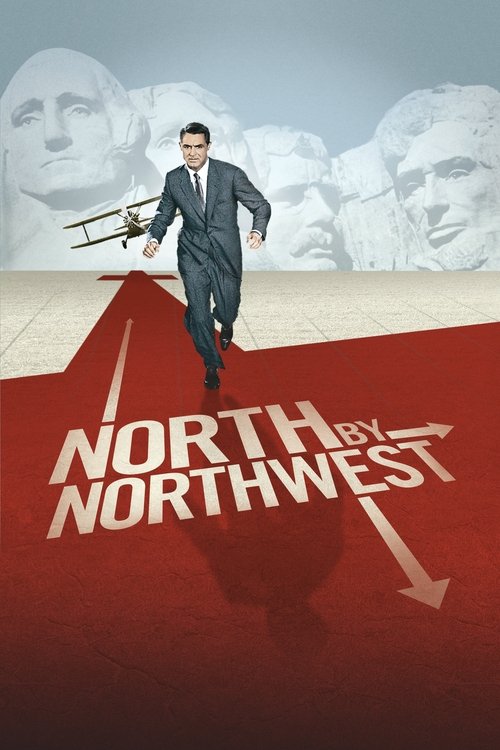
North by Northwest
Roger Thornhill is mistaken for a spy and spends the movie running through hotels, trains, auctions, crop dusters, and Mount Rushmore with charm barely ahead of panic. North by Northwest is Hitchcock pleasure at full command: identity as costume, geography as trap, and set pieces so clean they make danger feel effortless.
Open file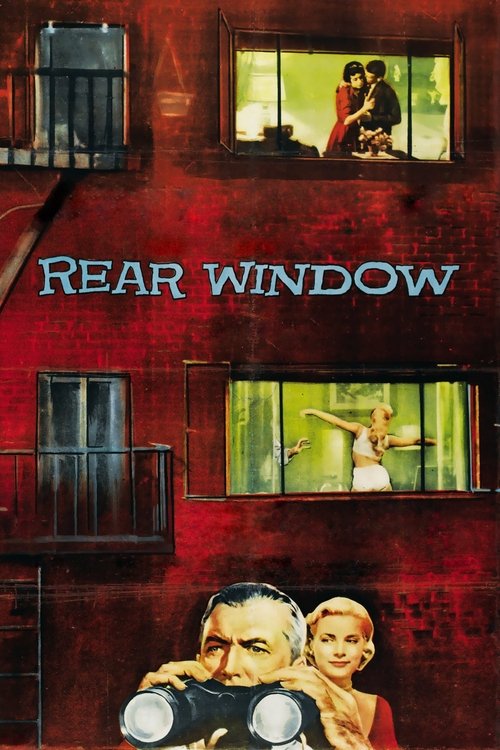
Rear Window
A photographer in a wheelchair spies on his neighbors from his apartment window and becomes convinced one of them has committed murder.
Open file
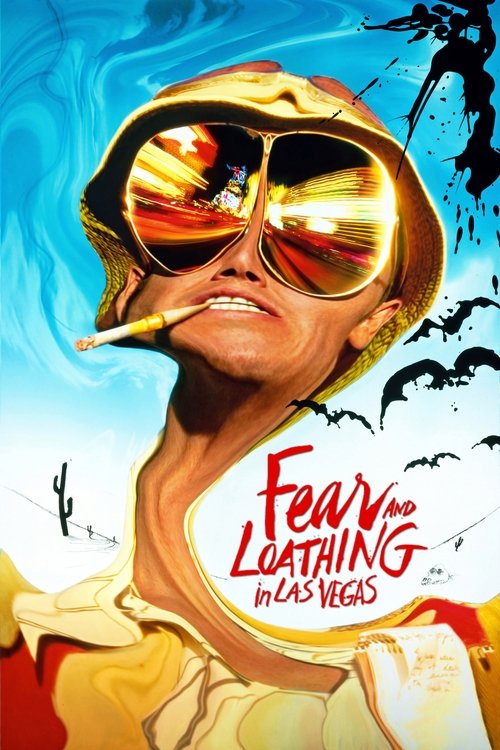
Fear and Loathing in Las Vegas
A psychedelic journey through Las Vegas as two men indulge in a week of debauchery fueled by psychoactive substances.
Open file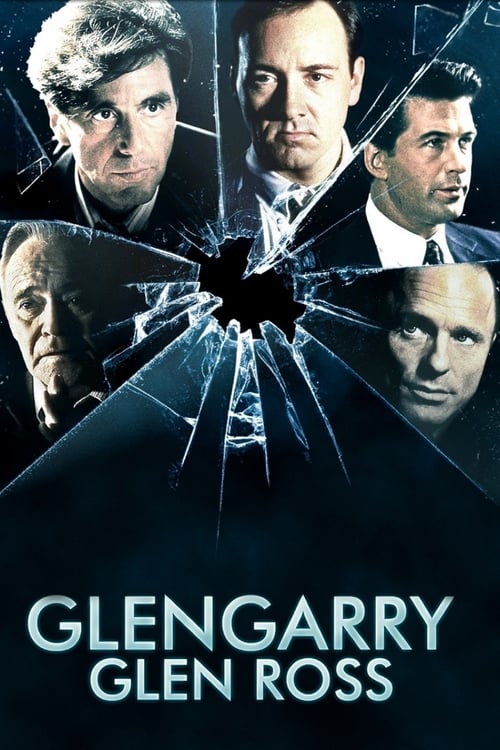
Glengarry Glen Ross
An examination of the machinations behind the scenes at a real estate office as salesmen compete for leads and their livelihoods.
Open file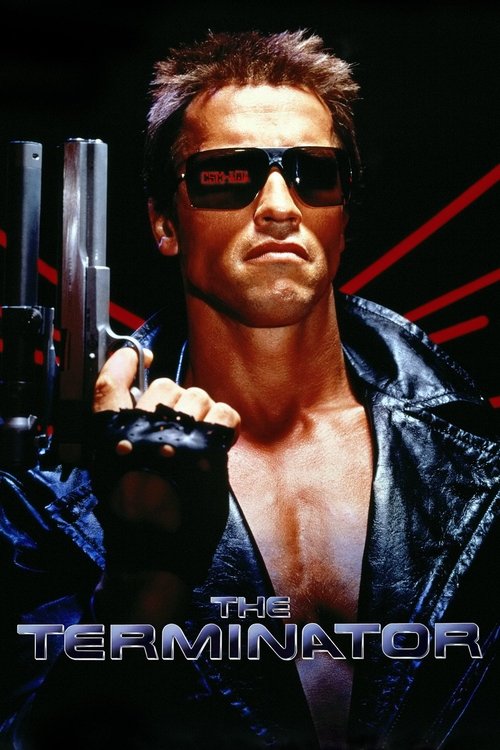
The Terminator
A cyborg assassin from 2029 is sent back to 1984 to kill Sarah Connor, whose unborn son will lead humanity in a war against machines.
Open file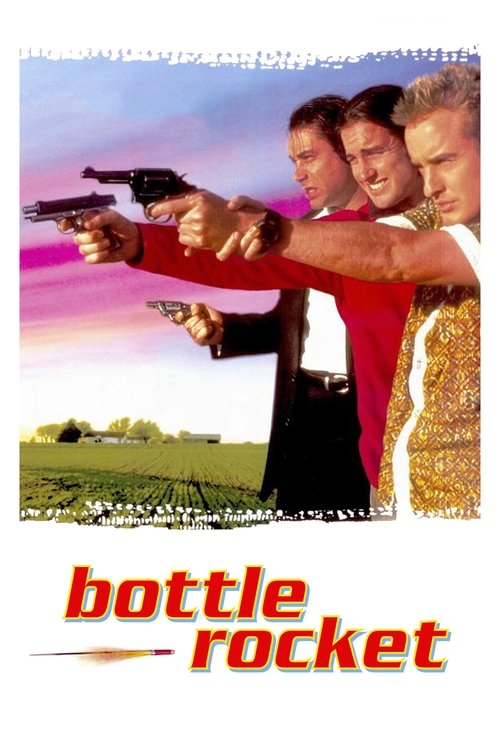
Bottle Rocket
Three lifelong friends embark on a crime spree, despite their complete lack of criminal expertise.
Open file
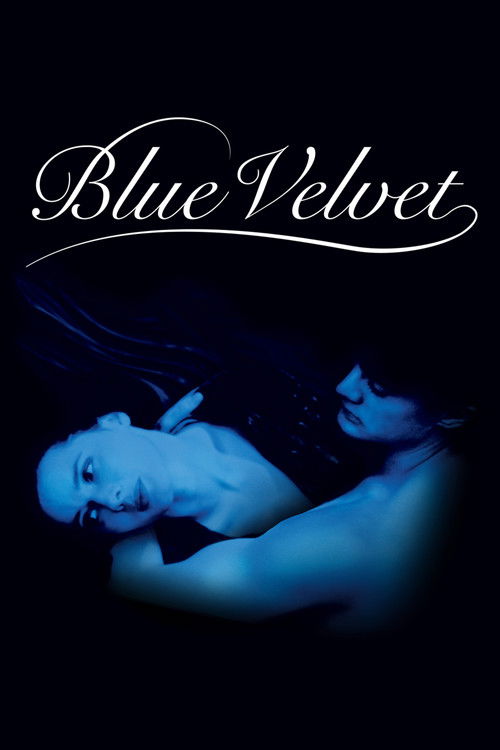
Blue Velvet
A young man returns to his hometown and discovers a severed human ear in a field, leading him into a dark underworld of violence and sexual depravity.
Open file
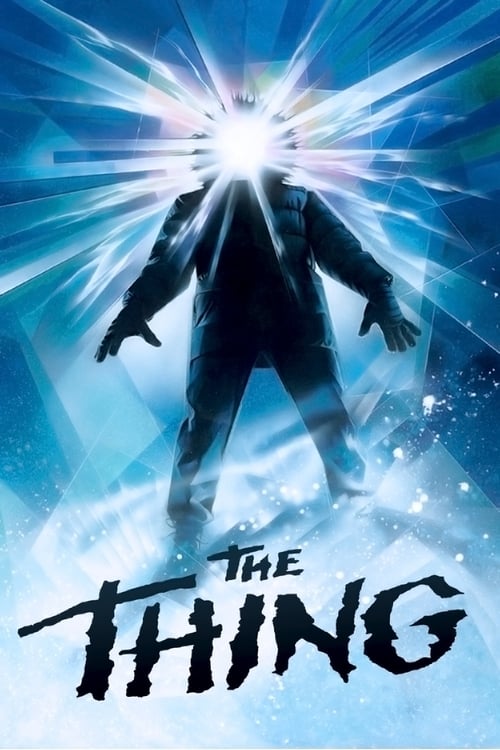

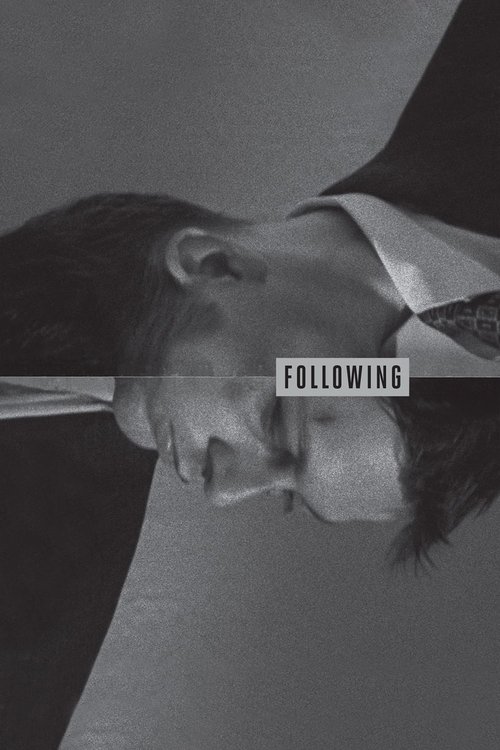
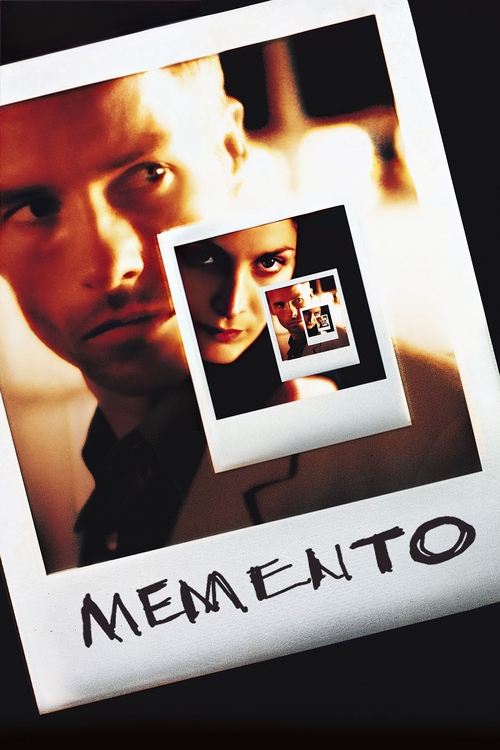
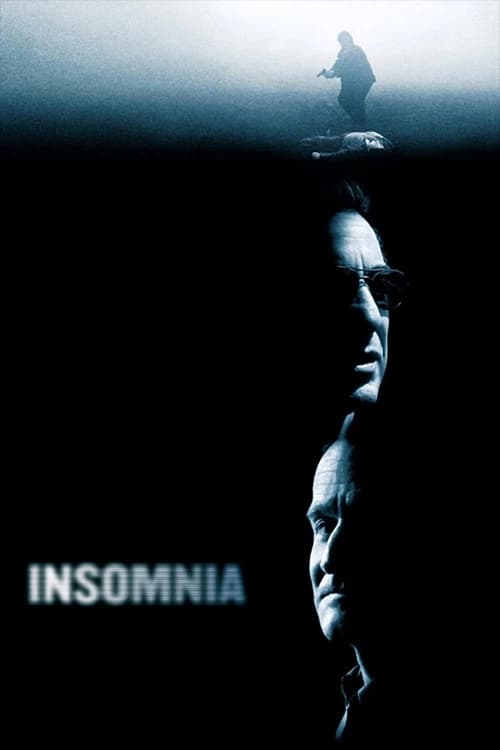
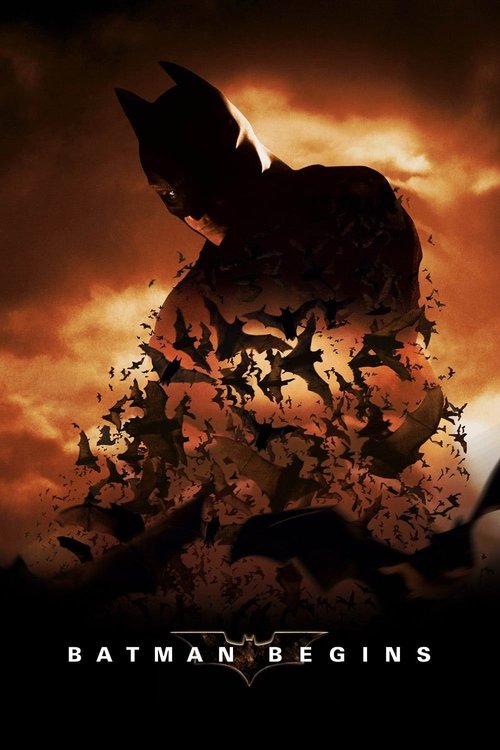
Batman Begins
Bruce Wayne becomes Batman and turns fear itself into a weapon against Gotham’s criminal rot.
Open file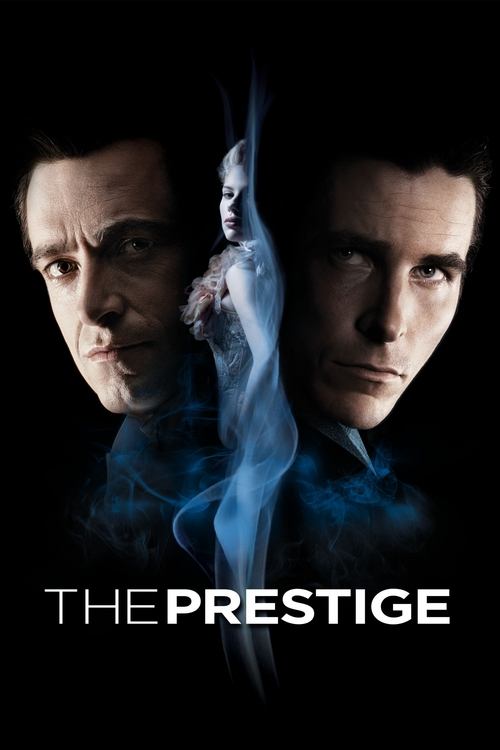
The Prestige
Two rival magicians turn obsession into self-destruction as each tries to outdo the other’s greatest illusion.
Open file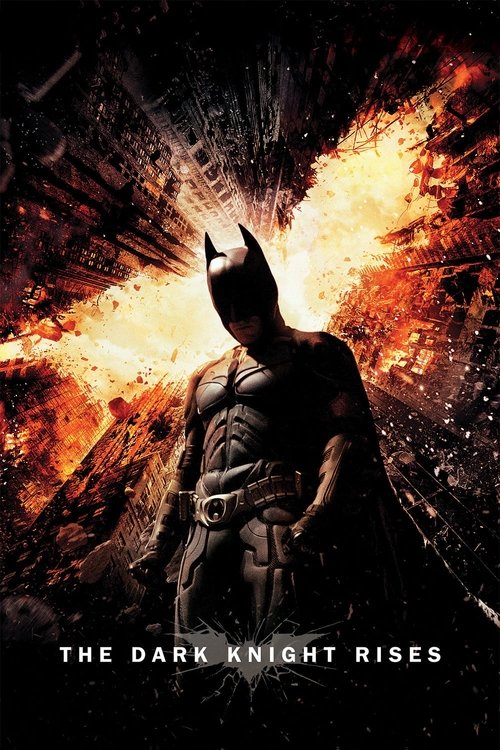
The Dark Knight Rises
Batman returns from exile when Bane turns Gotham into a siege state and forces Bruce Wayne into one final reckoning.
Open file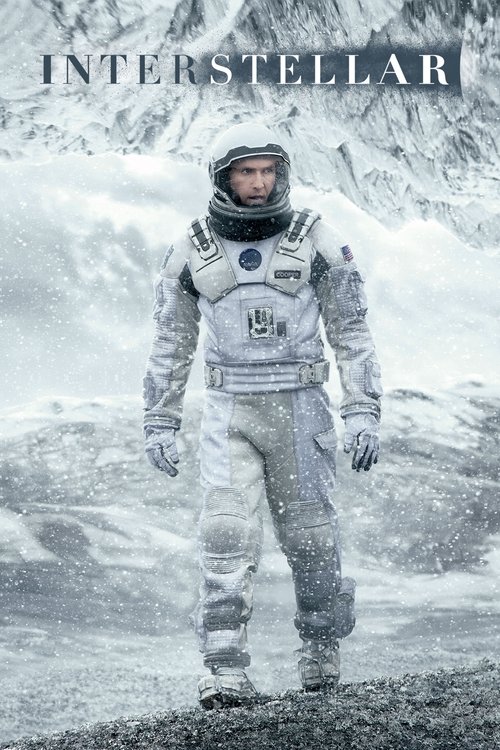
Interstellar
A former pilot joins a desperate interstellar mission to find a future for humanity beyond a dying Earth.
Open file
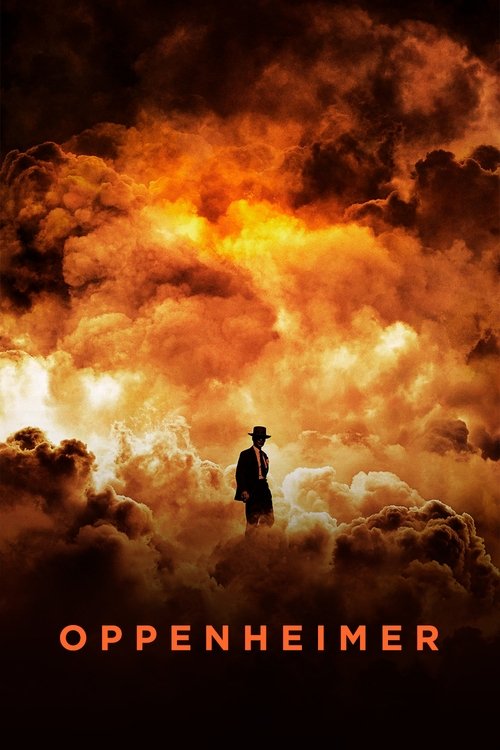
Oppenheimer
J. Robert Oppenheimer builds the atomic age inside a pressure system of theory, secrecy, ambition, and state power, then watches the achievement become evidence against his soul. Nolan makes biography feel like a countdown, a tribunal, and a nightmare of consequence.
Open file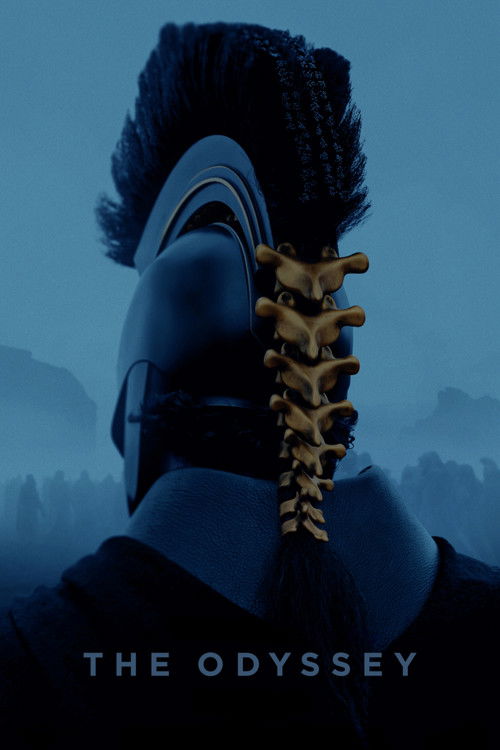
The Odyssey
Nolan’s adaptation of Homer follows Odysseus on a perilous journey home, turning myth into large-format event cinema.
Open file
Spider-Man: Brand New Day
Peter Parker returns after the rupture of No Way Home, with a new creative team and a campaign promising that franchise scale will be tested against street-level consequence.
Open file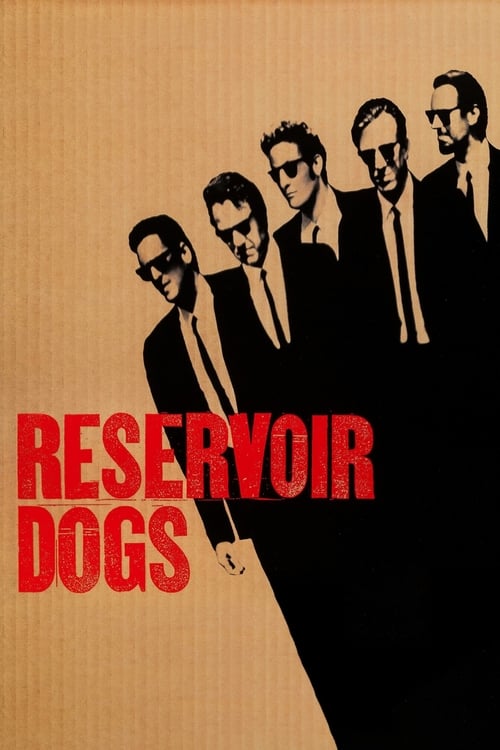
Reservoir Dogs
A jewel heist goes wrong and a gang of criminals tries to figure out who sold them out.
Open file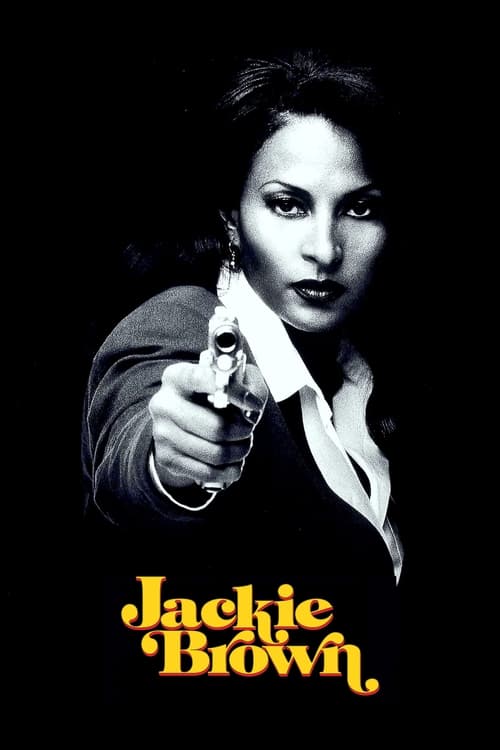
Jackie Brown
A flight attendant caught smuggling cash plays the feds and an arms dealer against each other.
Open file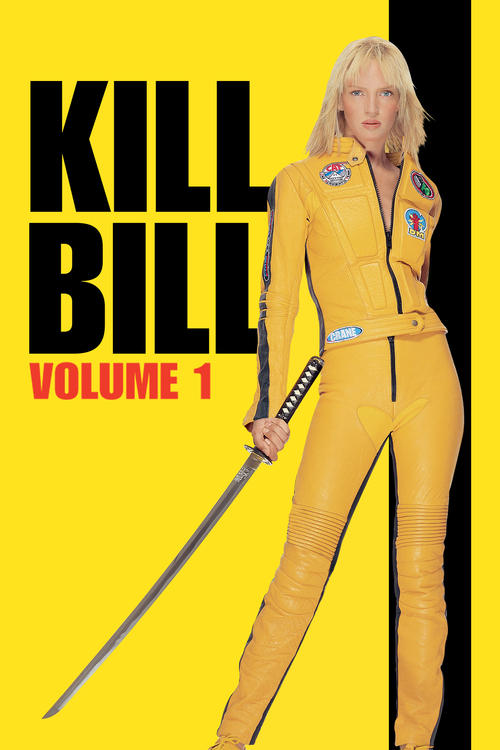
Kill Bill: Vol. 1
A betrayed assassin awakens from a coma and begins a violent revenge campaign against her former team.
Open file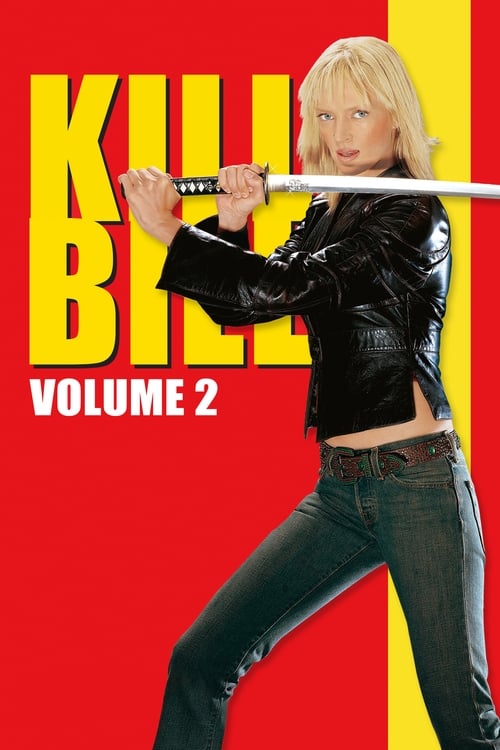
Kill Bill: Vol. 2
The Bride continues her revenge path, but the second half cuts deeper into history, regret, and confrontation.
Open file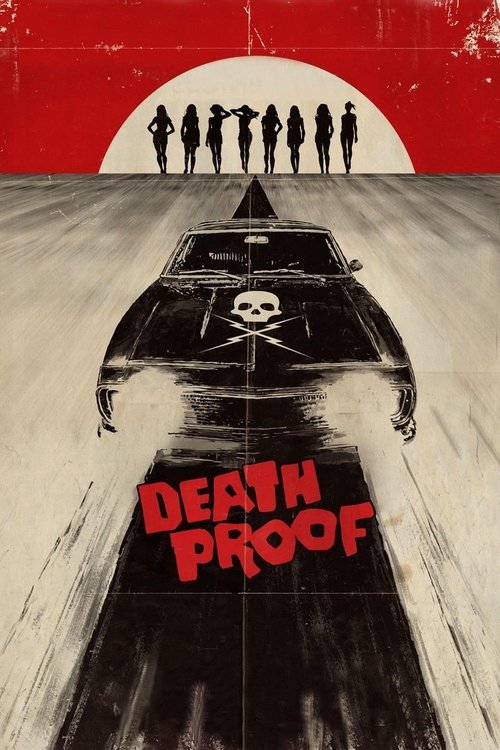
Death Proof
A stuntman uses his “death-proof” car to stalk women, until he finds the wrong crew to mess with.
Open file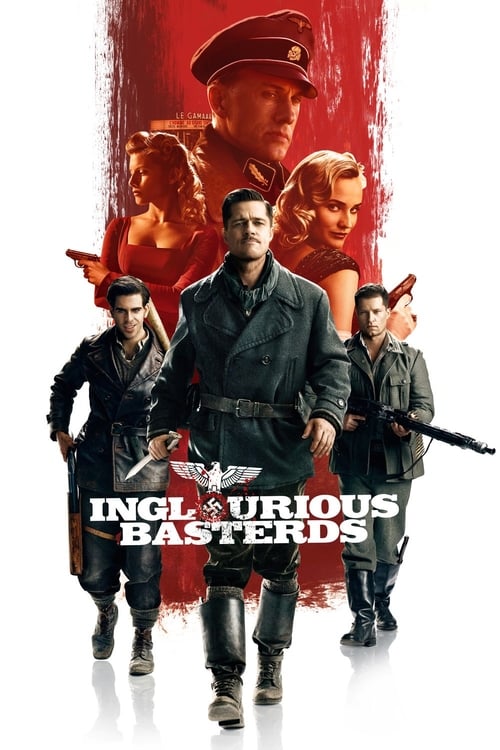
Inglourious Basterds
Tarantino turns World War II into a language-driven revenge fantasy built on suspense, cinema, and performance.
Open file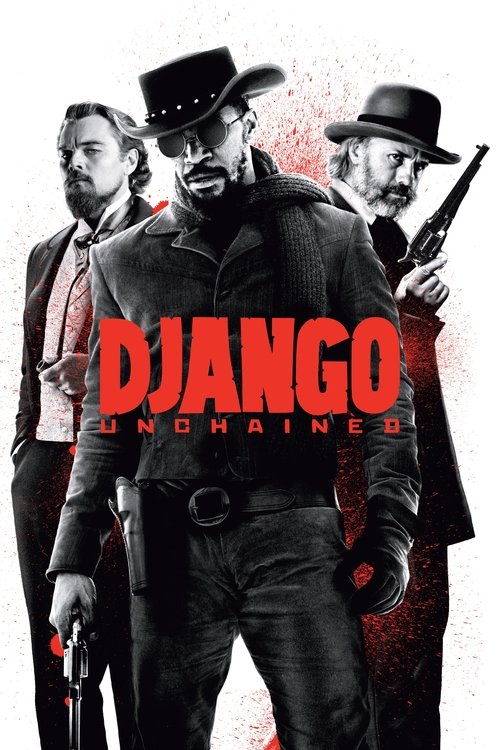
Django Unchained
A freed slave and a bounty hunter head into brutal territory to rescue Django’s wife and settle scores.
Open file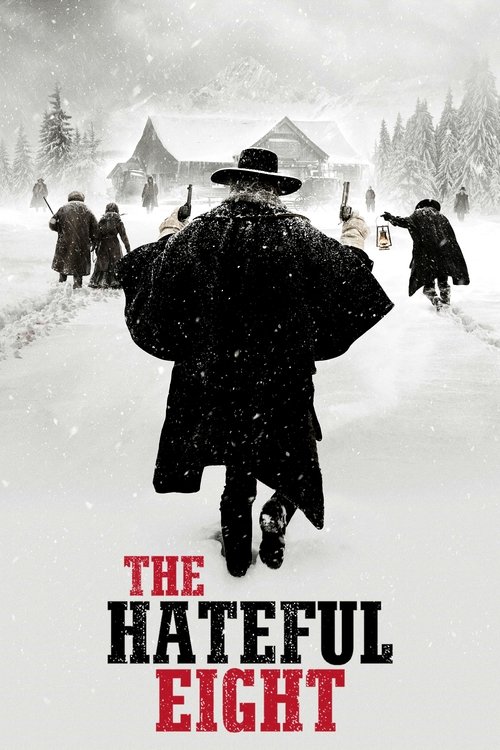
The Hateful Eight
A snowbound group of killers, hunters, and liars gets trapped together and waits for the room to ignite.
Open file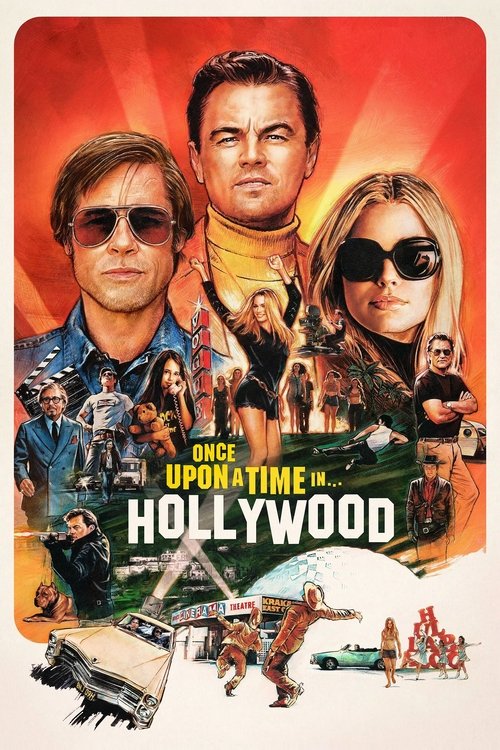
Once Upon a Time in Hollywood
A fading actor and his stunt double drift through a changing Hollywood on the eve of a cultural nightmare.
Open file
Untitled Tenth Feature
The still-unconfirmed final Tarantino directed feature remains one of the most closely watched projects in modern American filmmaking.
Open file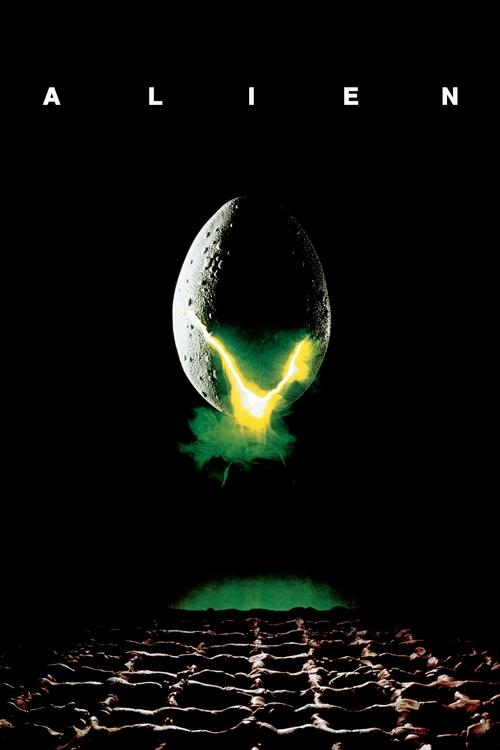
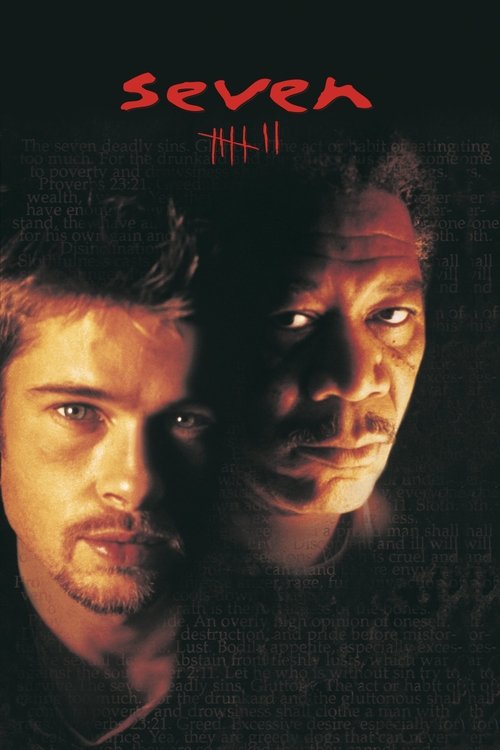
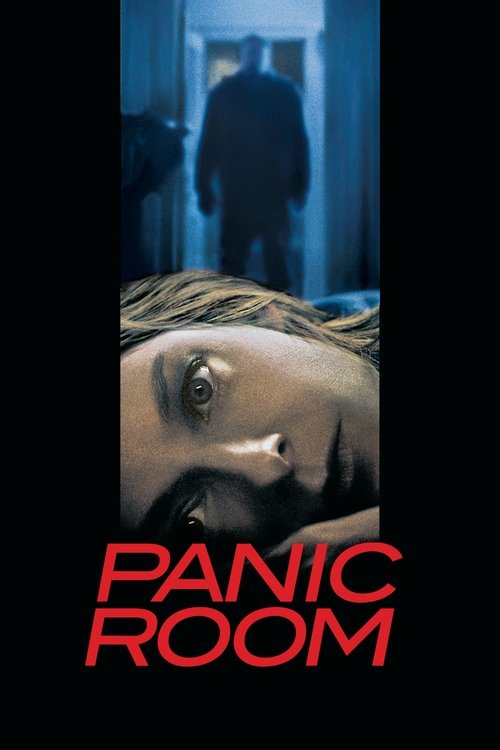
Panic Room
A mother and daughter hide inside a secure room while intruders search their house for hidden money.
Open file
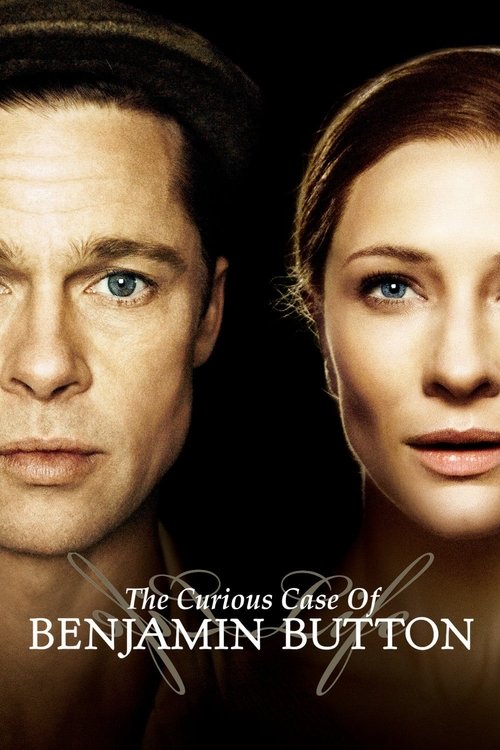
The Curious Case of Benjamin Button
A man ages backward while the people around him move in the opposite direction, turning love into a time wound.
Open file
The Social Network
The founding of Facebook becomes a fast, bitter study of ambition, betrayal, and status in the digital age.
Open file
The Girl with the Dragon Tattoo
A journalist and a hacker investigate a disappearance buried inside a family empire.
Open file
The Adventures of Cliff Booth
A reported Netflix follow-up tied to Cliff Booth, with Fincher directing and Tarantino scripting a return to the Once Upon a Time in Hollywood orbit.
Open file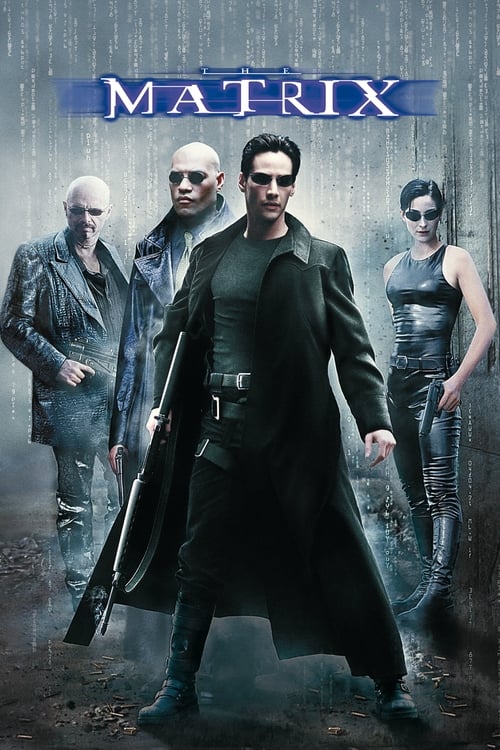
The Matrix
A hacker learns reality is a machine-built prison, but The Matrix lasts because the Wachowskis make awakening playable: green cursor light, phone exits, leather silhouettes, kung fu rule-breaking, and bullet time all turn philosophy into body knowledge.
Open file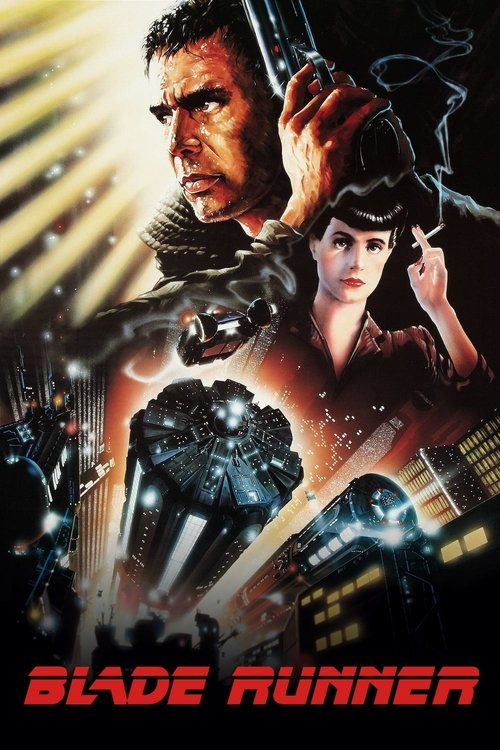
Blade Runner
A weary blade runner hunts replicants in a rain-soaked future city where the line between human and manufactured life keeps collapsing.
Open file
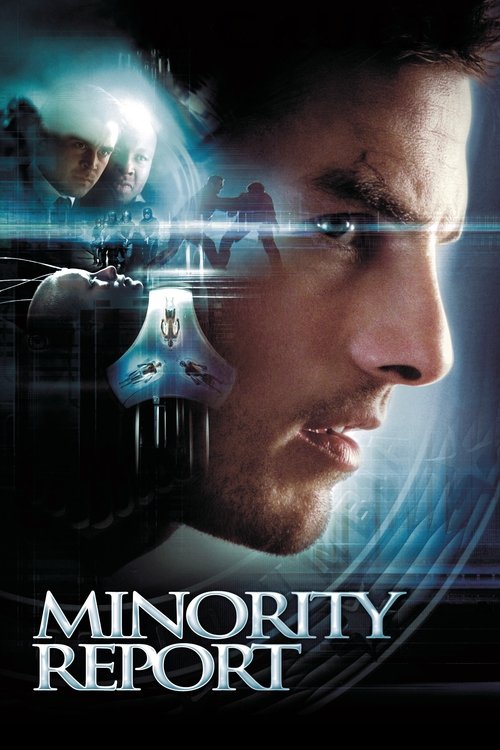
Minority Report
A future cop who arrests killers before they act becomes the target of the very predictive system he once trusted.
Open file
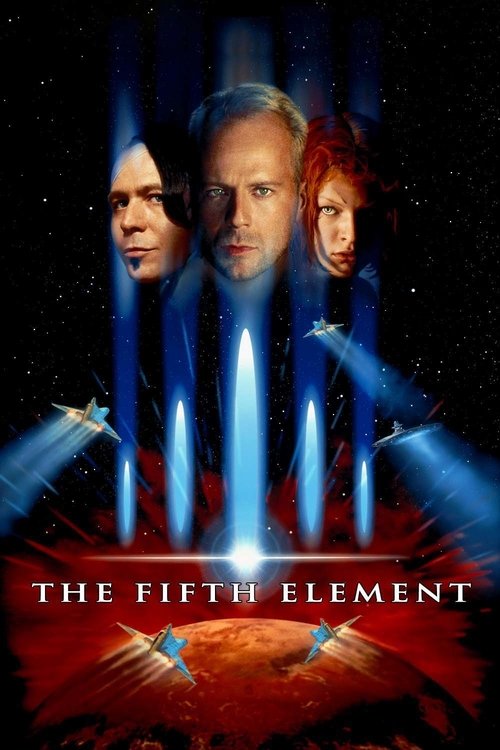
The Fifth Element
A cab driver, a supreme being, and a pile of cosmic chaos collide in a flamboyant future where style and apocalypse arrive together.
Open file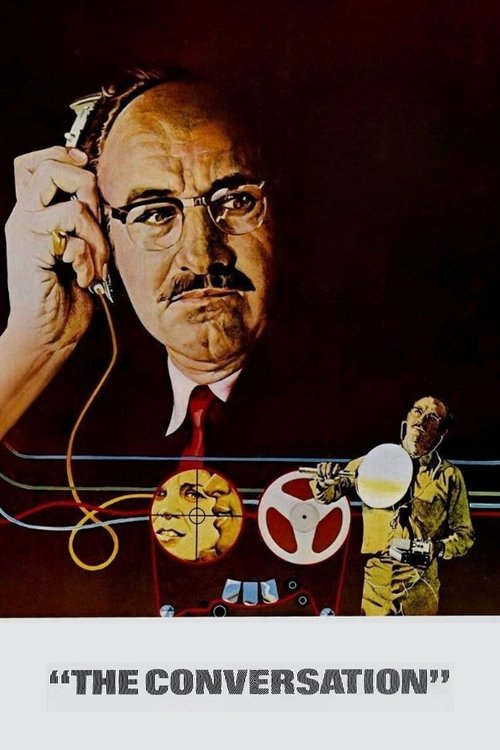
The Conversation
A surveillance expert becomes morally trapped by a recording job that makes privacy, guilt, and paranoia impossible to separate.
Open file
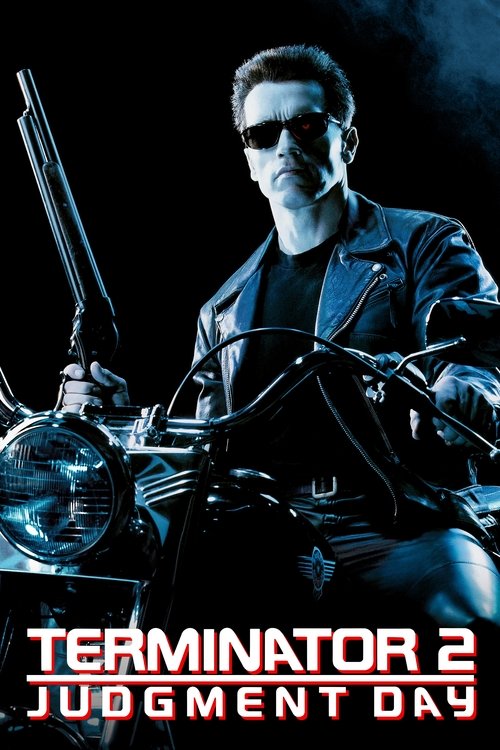
Terminator 2: Judgment Day
Cameron scales up the Terminator myth into a chase epic about motherhood, machine violence, and the desperate hope that fate can still be rewritten.
Open file


Avatar: The Way of Water
Cameron returns to Pandora with a family-survival sequel that pushes water, motion, and immersive scale into the center of the movie’s emotional design.
Open file


Little Women
Gerwig reshapes Alcott’s novel into a lively, emotionally intelligent adaptation about authorship, sisterhood, ambition, and the price of making a life in public.
Open file
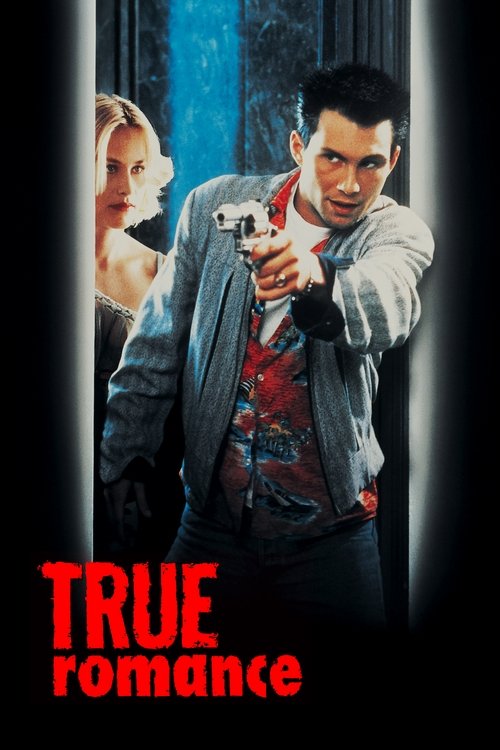
True Romance
A comic-book clerk and a call girl bolt across America with a suitcase of cocaine, and Scott turns Tarantino dialogue into bright, reckless lovers-on-the-run velocity.
Open file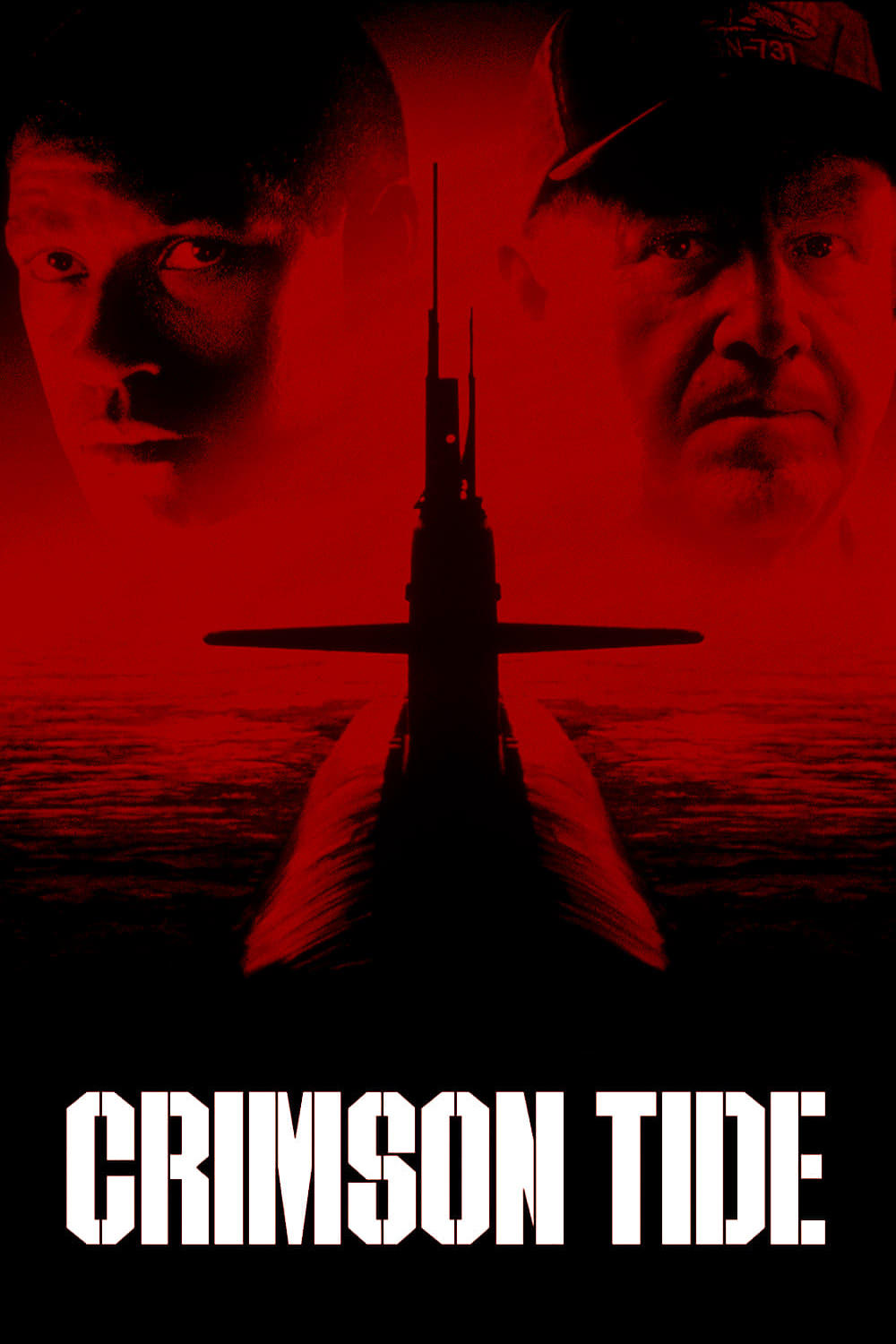
Crimson Tide
On a U.S. nuclear submarine, a seasoned captain and his executive officer collide over whether an incomplete order should trigger missile launch, turning command procedure into outright moral warfare.
Open file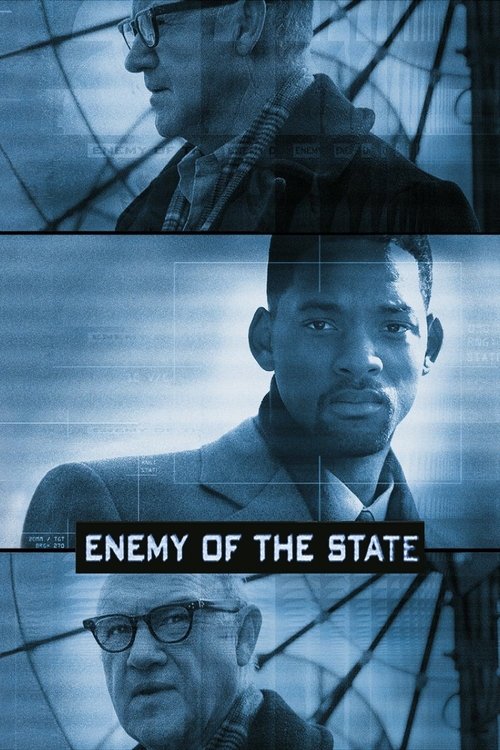
Enemy of the State
A lawyer gets swallowed by surveillance-state machinery after receiving explosive evidence, and Scott makes pursuit feel technological, breathless, and permanently invasive.
Open file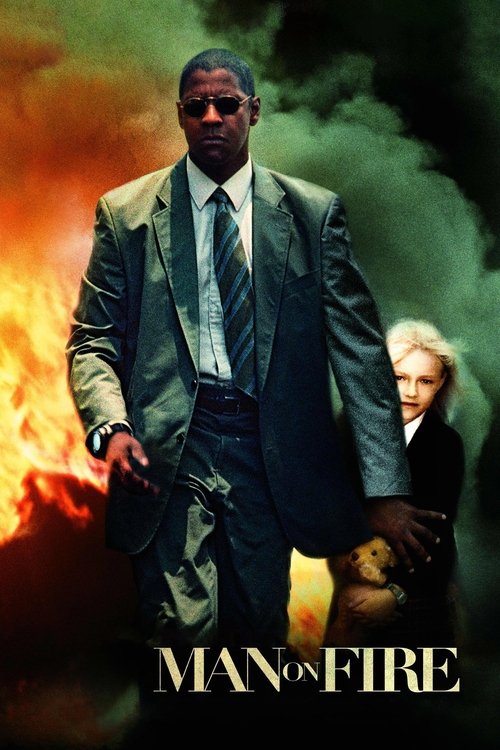
Man on Fire
A burned-out bodyguard finds purpose protecting a kidnapped girl, then turns grief, guilt, and vengeance into one of Scott’s fiercest emotional action movies.
Open file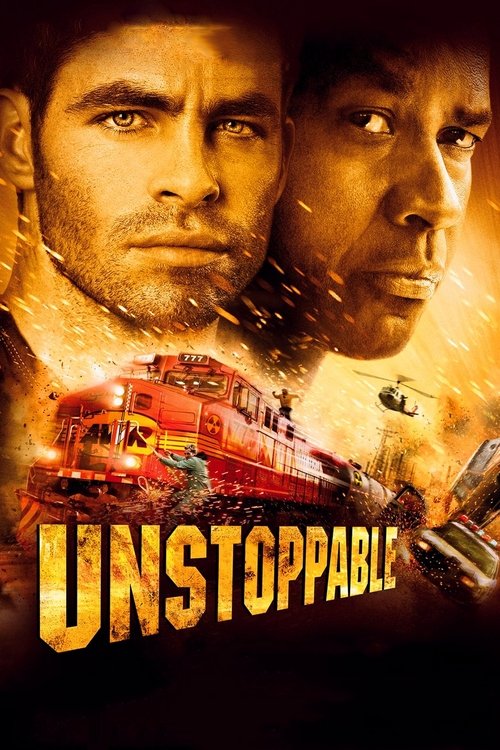
Unstoppable
Scott’s late-career runaway-train thriller reduces disaster spectacle to movement, labor, and split-second professionalism, proving how hard he could still drive pure momentum.
Open file

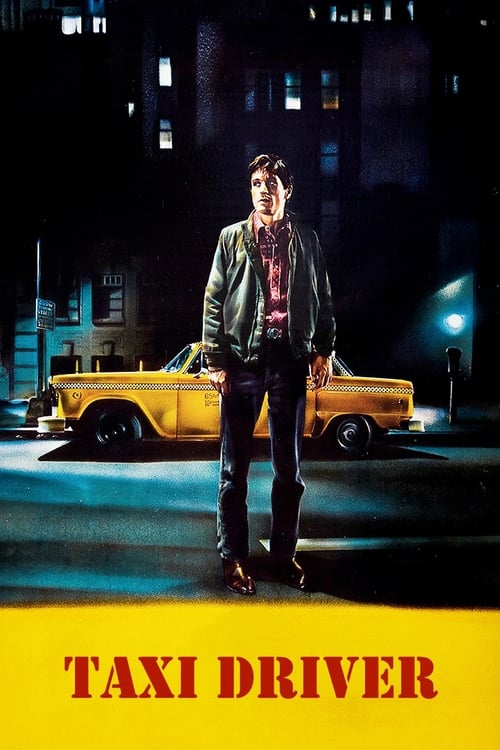
Taxi Driver
A lonely New York cab driver turns insomnia, disgust, and private fantasy into a vigilante mission, and Scorsese makes the city feel less like backdrop than an active fever living inside him.
Open file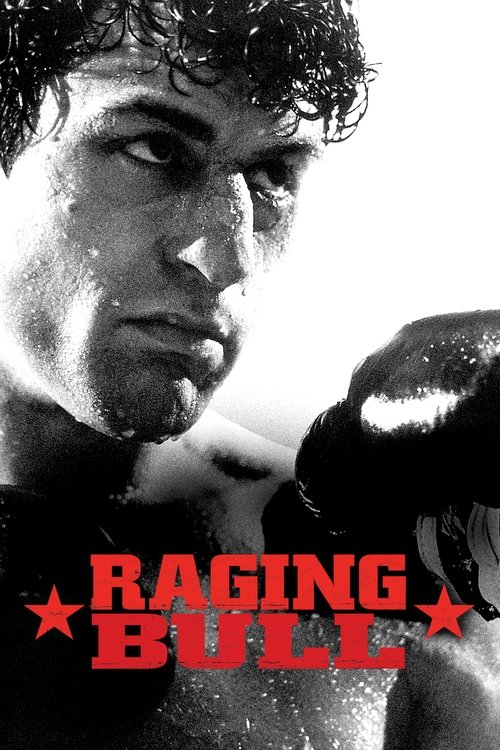
Raging Bull
Jake LaMotta fights opponents, jealousy, and self-loathing with the same brute force, and Scorsese turns boxing into an arena for punishment, ego, and spiritual collapse.
Open file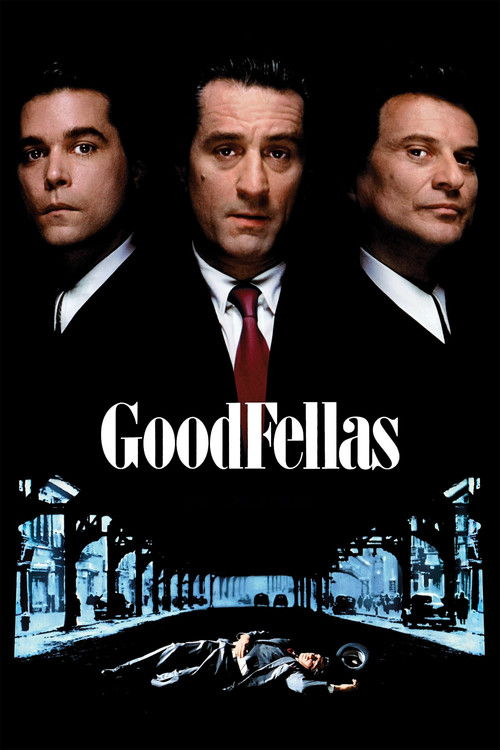
Goodfellas
Henry Hill’s ascent through organized crime feels thrilling until Scorsese lets appetite, status, and paranoia eat away at every code the life pretends to offer.
Open file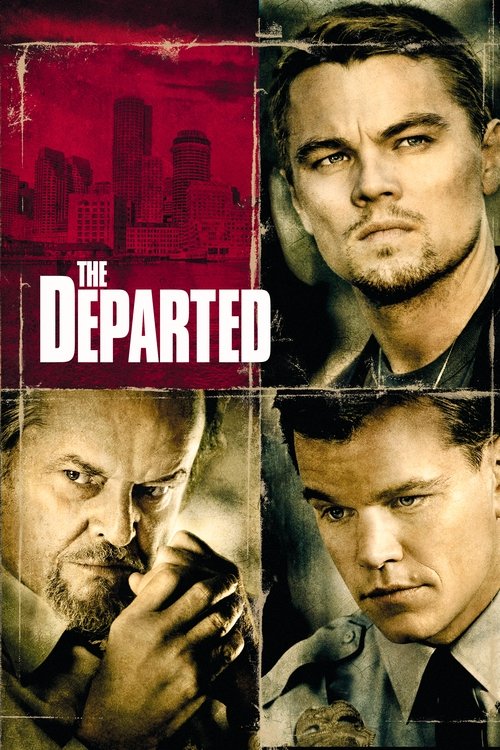
The Departed
An undercover cop and a mob mole race to expose each other inside Boston institutions already rotting from within, and Scorsese turns the remake into a live-wire system of class aggression and masculine panic.
Open file
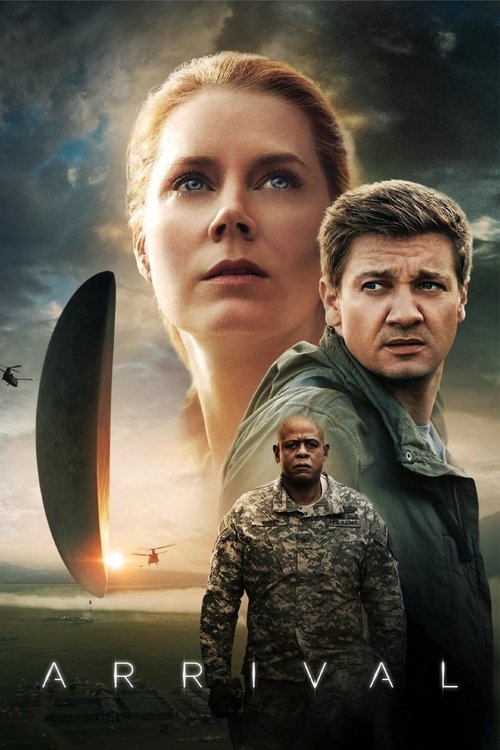

Blade Runner 2049
Villeneuve expands Ridley Scott’s future noir into a mournful, monumental search for memory, identity, and the cost of manufactured life.
Open file
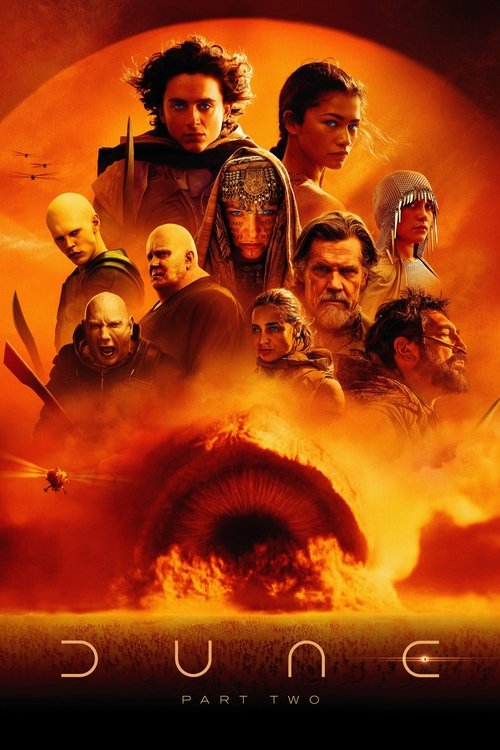
Dune: Part Two
The second Dune film escalates Villeneuve’s adaptation into a tragic war of faith, revenge, and power, proving the saga can stay grand without going soft.
Open file
Dune: Messiah
Villeneuve’s next Dune chapter would shift the saga from ascension to consequence, tracking what prophecy does after it hardens into power.
Open file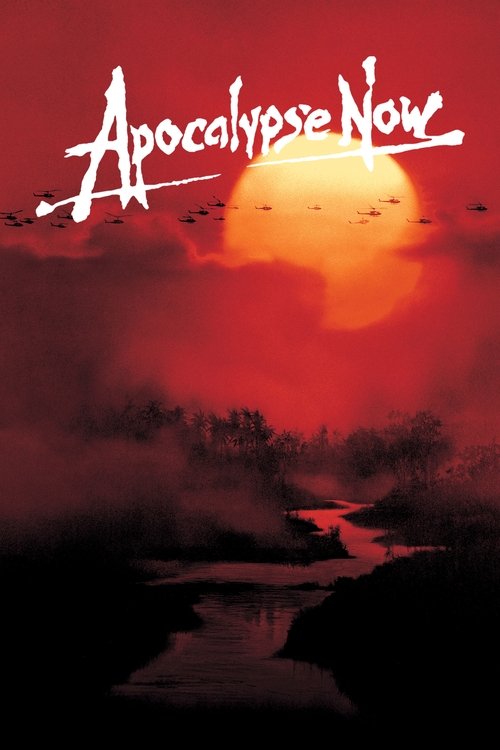
Apocalypse Now
A special-operations captain travels upriver through Vietnam to terminate a rogue colonel, and the mission turns into Coppola’s feverish descent into war, myth, spectacle, and moral collapse.
Open file
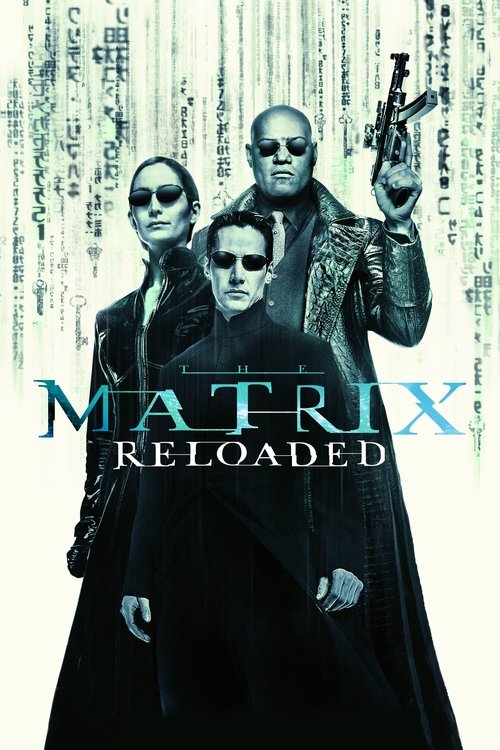
The Matrix Reloaded
Neo, Trinity, and Morpheus push deeper into the war between Zion and the machines as prophecy, choice, and control become harder to separate.
Open file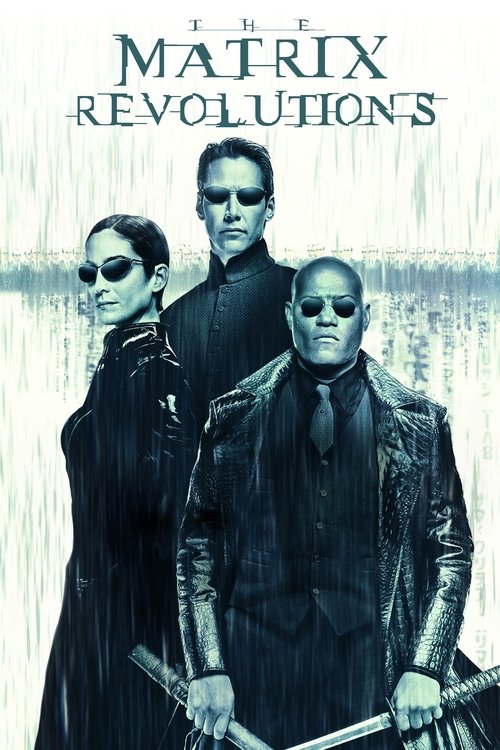
The Matrix Revolutions
As the machines close in on Zion, Neo moves toward a final confrontation that turns the trilogy from cyberpunk rebellion into sacrifice, faith, and uneasy peace.
Open file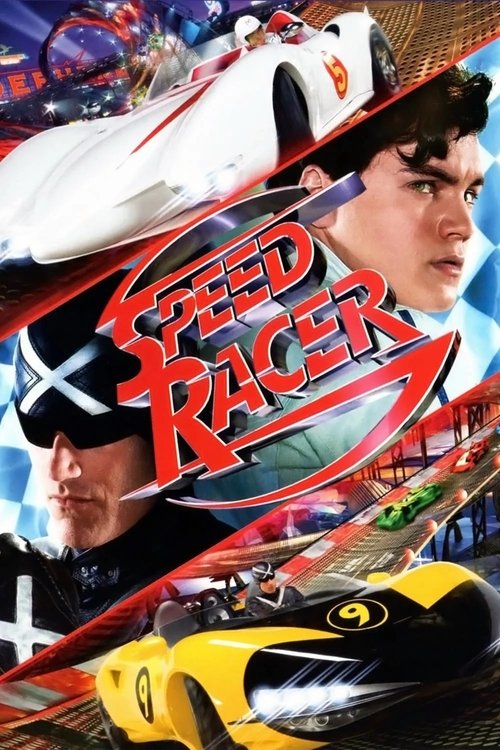
Speed Racer
A gifted young driver enters a hyper-stylized racing world where family loyalty, corporate corruption, and pure pop velocity collide at impossible speed.
Open file
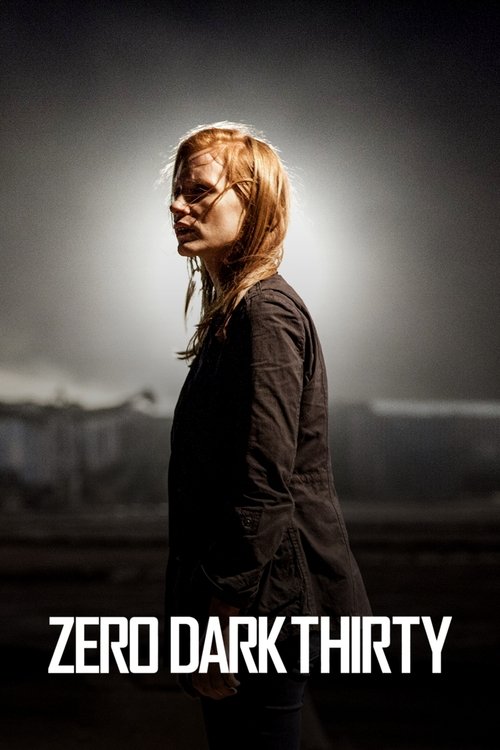
Zero Dark Thirty
Maya follows a decade of fragments, detainee rooms, courier leads, dead ends, and institutional doubt until the hunt becomes a life she can no longer put down. Zero Dark Thirty belongs on Cinema One because Bigelow turns procedure into obsession: no triumphal music, no clean moral bath, just a case-file movie where command pressure, intelligence work, and personal cost keep tightening toward a raid staged almost like breath control.
Open file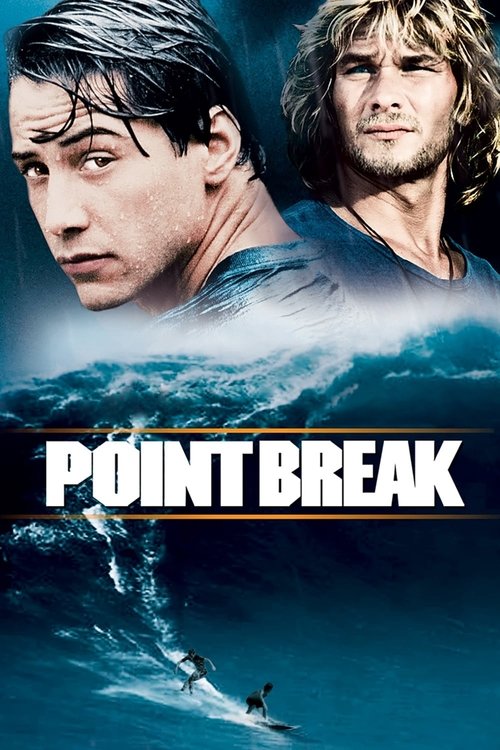
Point Break
An undercover FBI agent enters a Southern California surf crew and finds the bank-robbery case turning into an addiction to risk, friendship, and Bodhi’s beautiful death-wish logic. Point Break belongs on Cinema One because Kathryn Bigelow makes action feel spiritual without letting it go soft: foot chases, surf breaks, skydiving, and loyalty tests all become one pressure system about men who confuse freedom with escalation.
Open file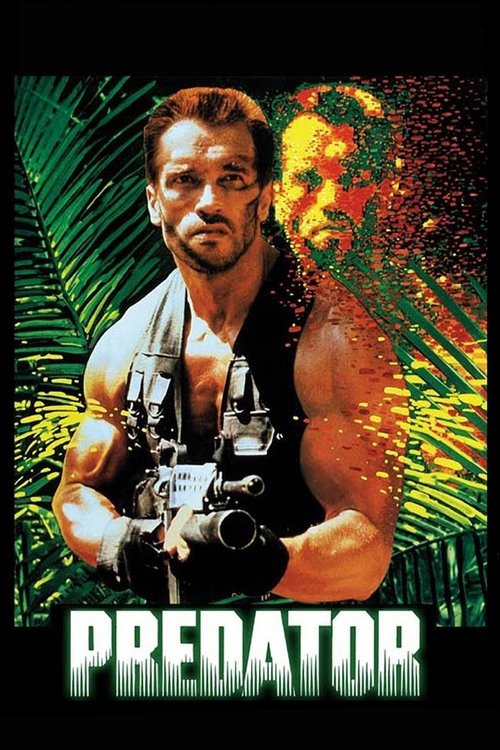
Predator
Dutch’s rescue team enters the jungle like a wall of muscle, weapons, and confidence, then the movie patiently turns that confidence into heat, fear, and bad information. Predator belongs on Cinema One because McTiernan makes a macho action vehicle mutate into survival horror: the bodies get bigger while the tactical advantage keeps shrinking, until all that is left is mud, traps, silence, and one professional learning he is no longer the apex predator.
Open file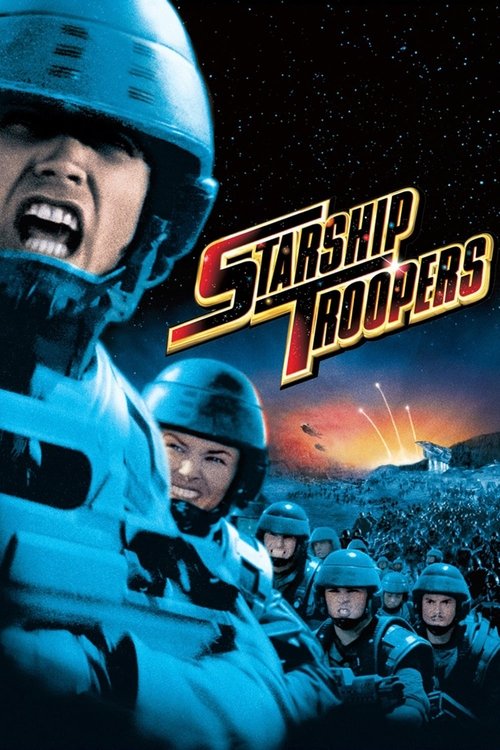
Starship Troopers
Johnny Rico joins the Mobile Infantry chasing citizenship, romance, and glory, then discovers a future where every wound can be cut into recruitment footage before the blood dries. Starship Troopers belongs on Cinema One because Verhoeven makes bug-war spectacle feel genuinely thrilling while poisoning the frame with propaganda: square jaws, clean uniforms, schoolroom doctrine, and media grin until the audience has to ask why the bad ideas are packaged so well.
Open file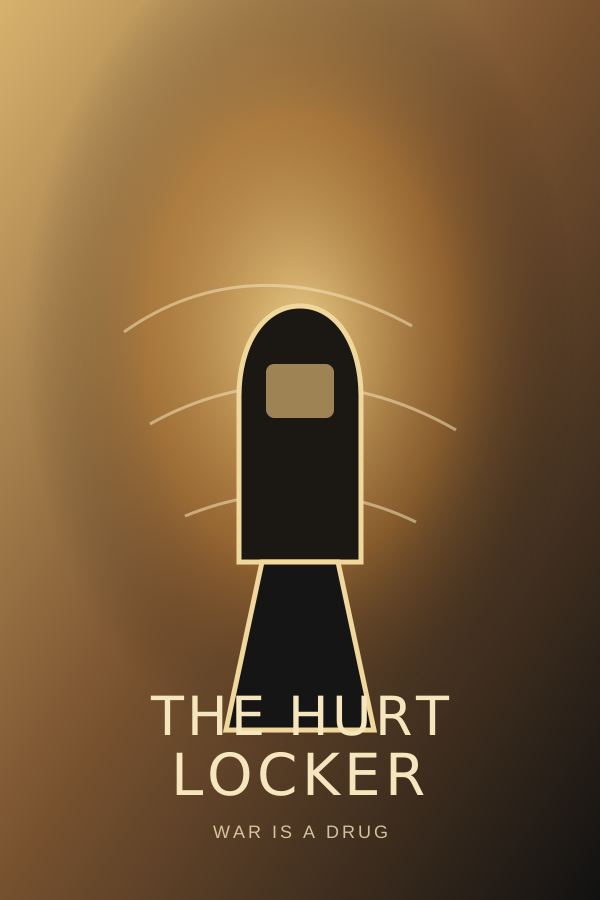
The Hurt Locker
Sergeant William James joins an Iraq EOD team and treats every bomb like an argument with death that only he can win. The Hurt Locker belongs on Cinema One because Bigelow strips war cinema down to procedure, heat, breath, dust, and addiction: not a victory story, but a pressure-room character study about a man who can only feel organized when everything around him might explode.
Open file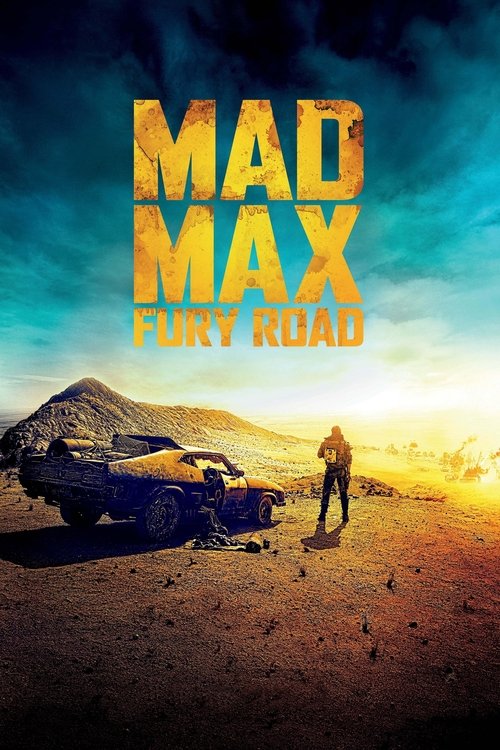
Mad Max: Fury Road
Max is dragged into Furiosa’s escape route, then the movie turns a desert chase into a clean moral argument about bodies, water, fuel, and who gets to own the future. Fury Road belongs on Cinema One because George Miller builds spectacle like pressure engineering: the route is simple, the image language is ruthless, and every crash, turn, flare, and cut keeps asking whether survival can become rescue instead of just endurance.
Open file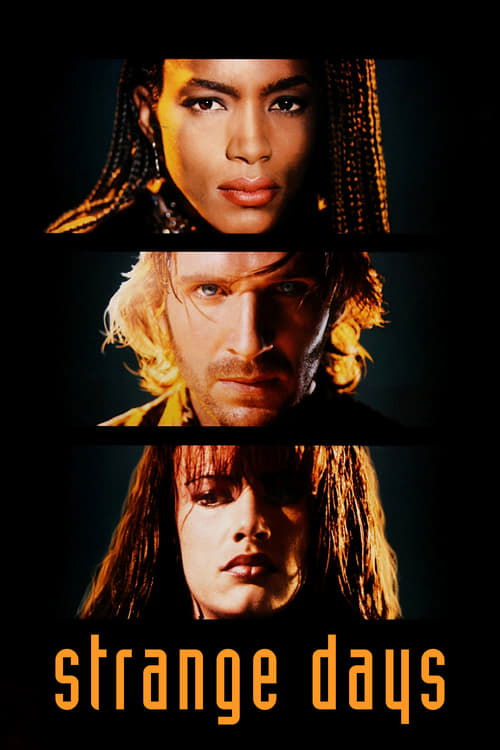
Strange Days
Lenny Nero sells other people’s memories like street drugs while Los Angeles counts down to the millennium, then a recorded murder turns his nostalgia addiction into evidence. Strange Days belongs on Cinema One because Bigelow makes the future feel tactile and dirty: every SQUID clip is a pleasure trap, every police line is a pressure room, and Angela Bassett’s Mace keeps cutting through Lenny’s self-pity with actual moral command.
Open file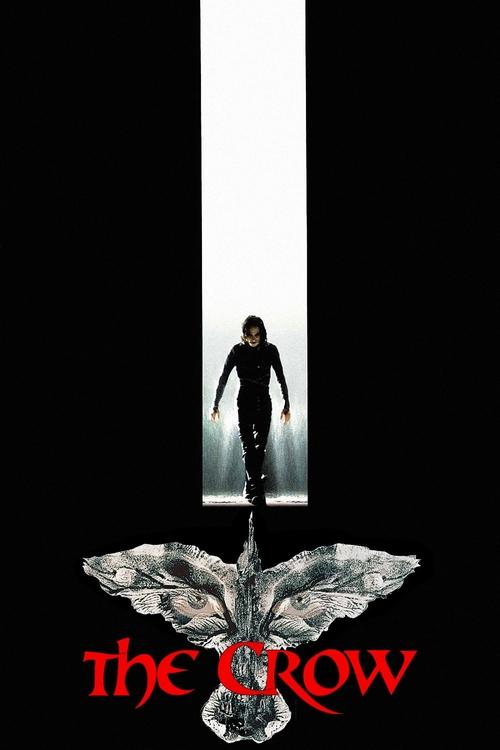
The Crow
Eric Draven returns from murder as a rain-soaked revenge myth, but The Crow stays in rotation because Alex Proyas turns grief into production design: rooftops, alleys, guitar feedback, face paint, and Brandon Lee's wounded physical grace all make vengeance feel less like victory than a ghost trying to finish one last song.
Open file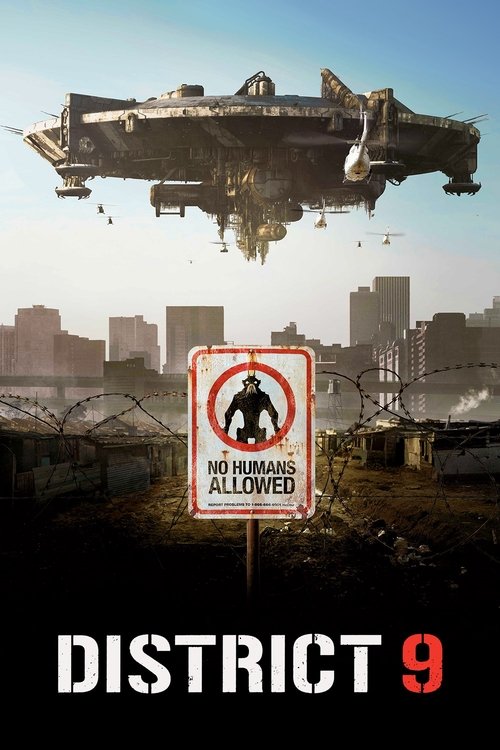
District 9
An alien refugee camp outside Johannesburg becomes a corporate eviction zone, then a low-level bureaucrat gets infected by the thing he has been trained to dehumanize. District 9 belongs on Cinema One because it gives the Thomas Library Spine a nasty sci-fi pressure room: documentary texture, body horror, apartheid memory, weapons-grade spectacle, and one coward learning empathy the hard way.
Open file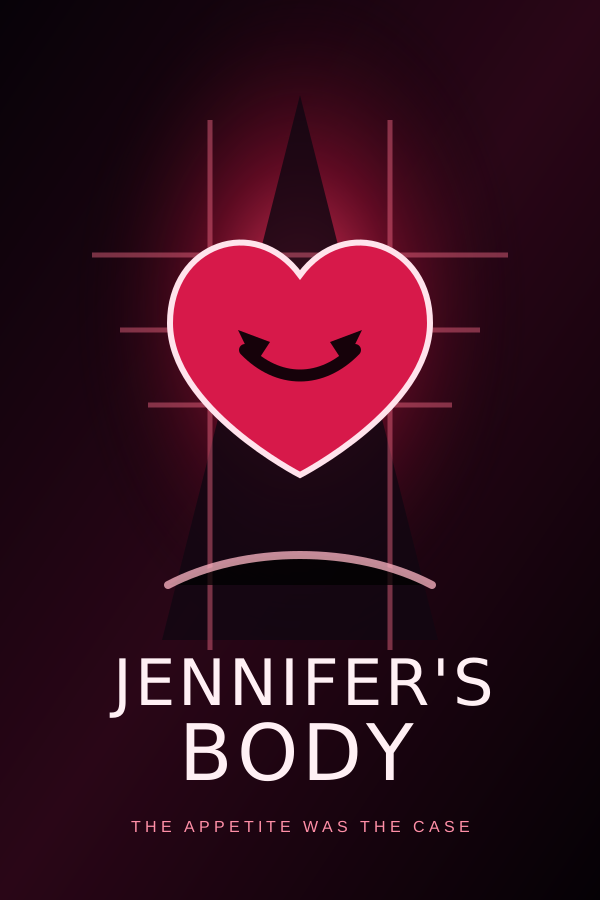
Jennifer's Body
Jennifer Check comes back from a botched rock-band sacrifice with a hunger that makes every hallway, boy, and friendship wound feel combustible. Jennifer's Body belongs on Cinema One because Karyn Kusama and Diablo Cody turn teen horror into a pressure room about desire, performance, and female friendship: the demon is literal, but the sharper bite is how quickly a culture misreads a girl when it has already decided what kind of monster it wants her to be.
Open file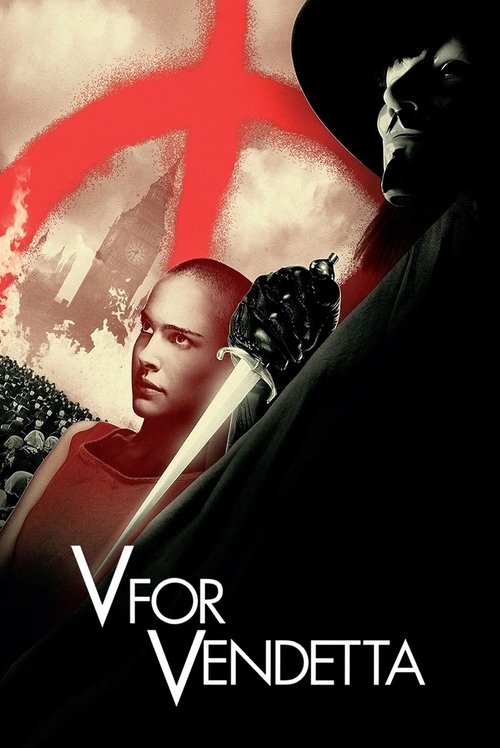
V for Vendetta
Evey Hammond is pulled into V’s campaign against a police-state Britain, then the movie turns comic-book rebellion into a pressure room about fear, symbols, and what ordinary people surrender when survival starts looking like obedience. V for Vendetta earns its Thomas Library Spine slot because the Wachowskis and James McTeigue make the mask both weapon and argument: the face never changes, so performance, lighting, rhetoric, and Evey’s transformation have to carry the entire revolution.
Open file
Furiosa: A Mad Max Saga
Furiosa is stolen from the Green Place and spends years learning how the Wasteland turns grief, trade routes, fuel, bullets, and bodies into leverage. Furiosa earns its Thomas Library Spine slot because George Miller refuses to remake Fury Road’s perfect sprint: this is the apprenticeship ledger, where silence, mechanical skill, captivity, and convoy warfare slowly harden into the woman who can eventually turn escape into rescue.
Open file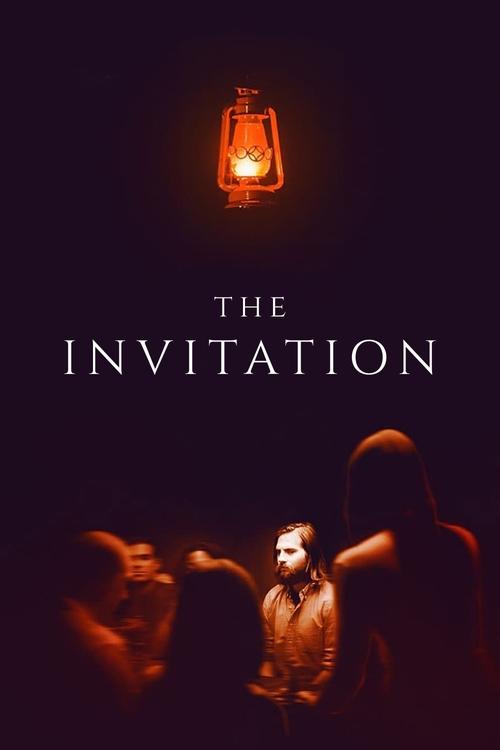
The Invitation
Will returns to his former home for a dinner party thrown by his ex-wife, then spends the night trapped between grief, etiquette, and the sick feeling that politeness is being used as a weapon. The Invitation belongs in Cinema One because Karyn Kusama turns one Los Angeles house into a social pressure cooker: every toast, locked door, missing phone, and too-smooth smile asks whether suspicion is trauma speaking or the only sane read of the room.
Open file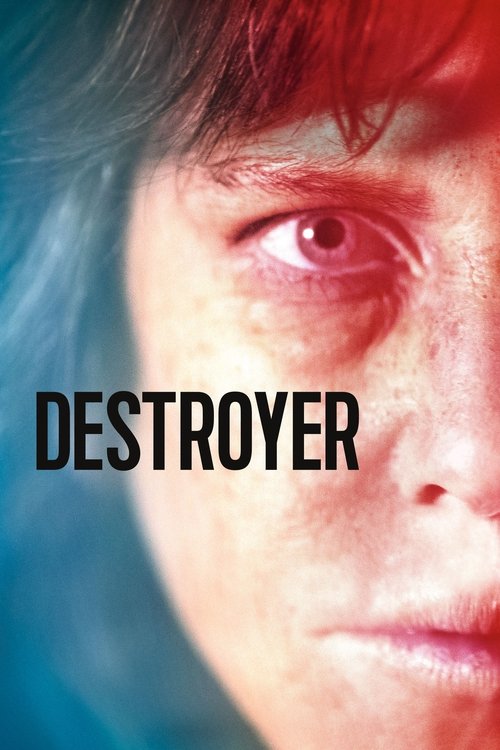
Destroyer
Erin Bell drags herself through Los Angeles chasing the old undercover job that wrecked her, but Destroyer is not just damaged-cop wallpaper. It deepens Cinema One’s Karyn Kusama lane because the movie treats noir as physical consequence: sun-blasted streets, exhausted movement, tactical memory, and Nicole Kidman’s closed-off stare all turn the case into a body that cannot stop paying interest on one past mistake.
Open file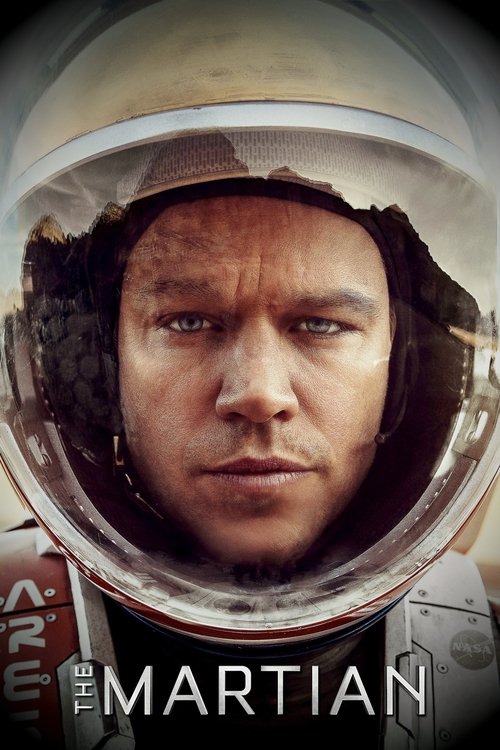
The Martian
Mark Watney is left for dead on Mars and turns survival into a daily engineering problem: grow food, make water, fix the Hab, keep the math moving, and refuse the drama of despair. The Martian earns its Thomas Library Spine slot because Ridley Scott makes competence feel like warmth. It is rescue cinema with jokes, duct tape, mission-room pressure, and rewatch gravity built around the pleasure of watching smart people refuse to quit on each other.
Open file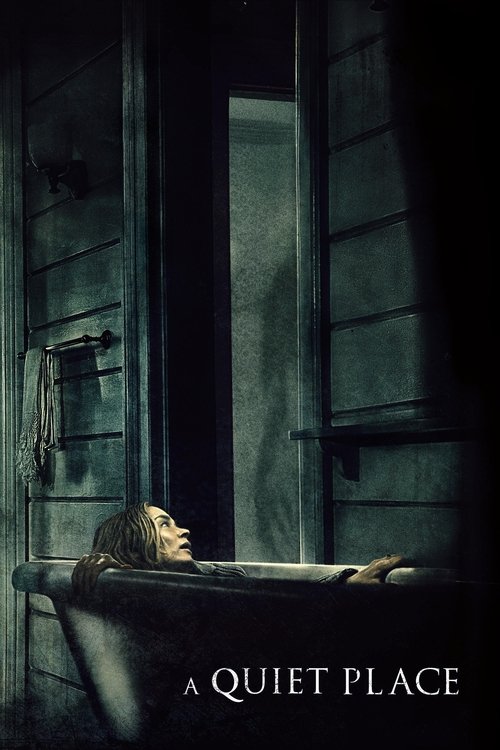
A Quiet Place
The Abbott family survives by turning ordinary life into choreography: sand paths, bare feet, signed sentences, painted floorboards, and one rule that makes every dropped object feel like a loaded gun. A Quiet Place earns its Thomas Library Spine slot because Krasinski makes silence active instead of empty. The movie is a family melodrama under creature-feature pressure, where love means knowing exactly how much sound the world can survive.
Open file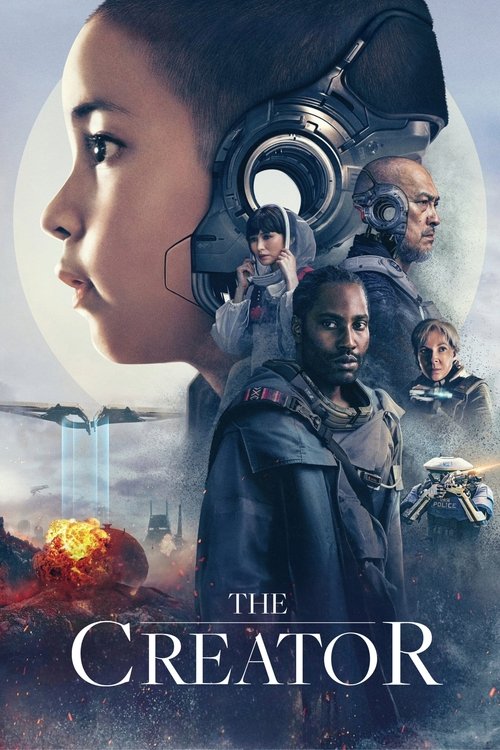
The Creator
Joshua is sent back into a war zone to destroy a childlike AI weapon, then finds the mission turning into a custody battle between grief, empire, and the possibility that the enemy is more alive than the briefing allowed. The Creator earns its Thomas Library Spine slot because Gareth Edwards makes original-scale science fiction feel handmade: temples, rice fields, tanks, robots, and retro machinery share the same dust, giving the movie rewatch gravity even when its politics stay blunt.
Open file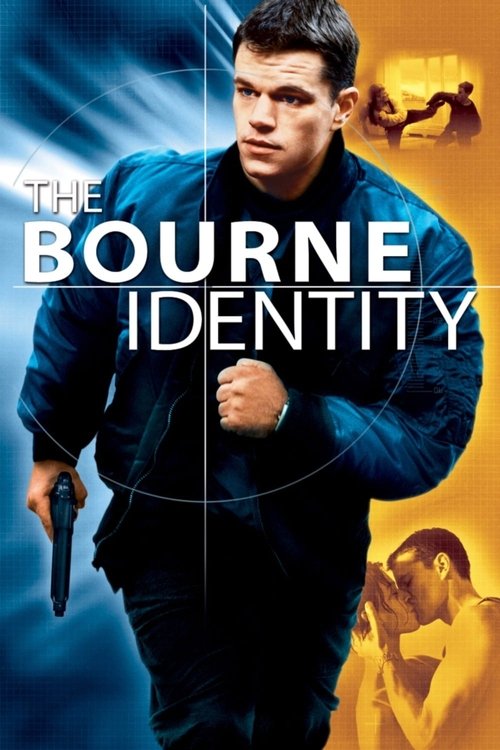
The Bourne Identity
Jason Bourne wakes up with no name, two bullets in his back, and a body that knows violence before his mind knows why. The Bourne Identity earns its Thomas Library Spine slot because Doug Liman turns amnesia into action grammar: passports, maps, stairwells, train stations, and close-quarters fights all become clues to a man trying to outrun the system that built him without becoming only its weapon.
Open file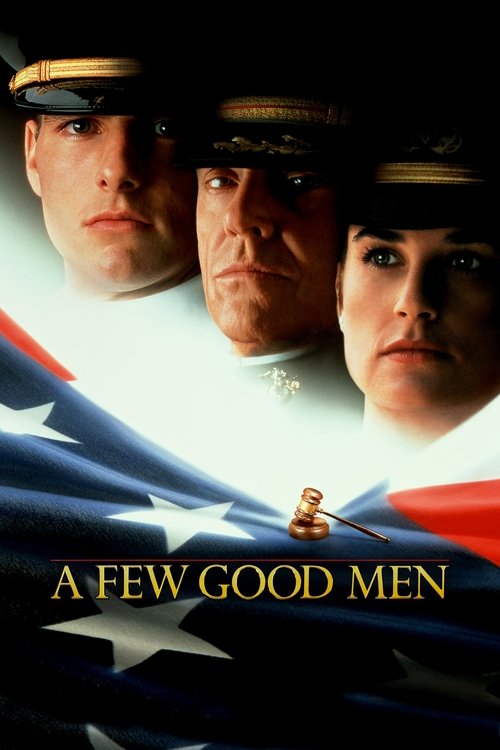
A Few Good Men
A Navy lawyer who usually bargains cases into quiet corners is forced to try two Marines accused of murder, then discovers the real fight is not guilt but obedience. A Few Good Men earns its Thomas Library Spine slot because Rob Reiner and Aaron Sorkin turn legal procedure into command pressure: jokes, objections, rank, paperwork, and ego all tighten toward one witness who believes the truth is his property.
Open file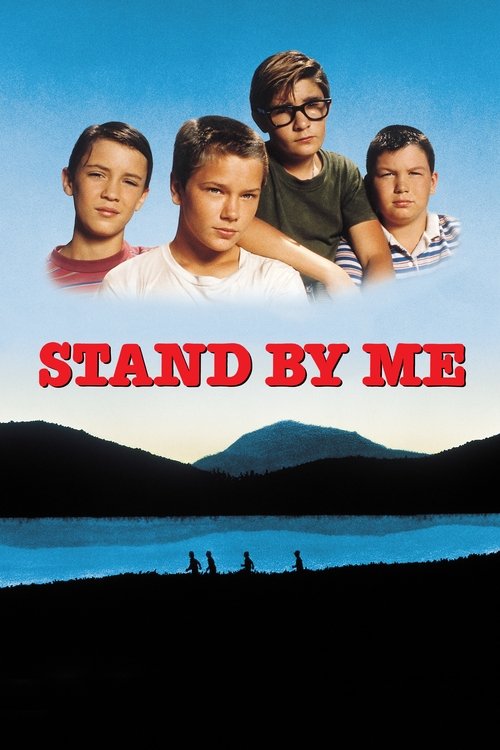
Stand by Me
Four boys leave Castle Rock to find a body, but Stand by Me keeps its real pressure smaller and more permanent: grief, class shame, older-brother shadows, fathers who do not see clearly, and the awful knowledge that childhood friendships can be life-saving without lasting forever. It earns its Thomas Library Spine slot because Rob Reiner turns Stephen King memory into a rewatch engine: the railroad track is simple, the performances are unforced, and every joke is carrying the ache of someone narrating from after the innocence is gone.
Open file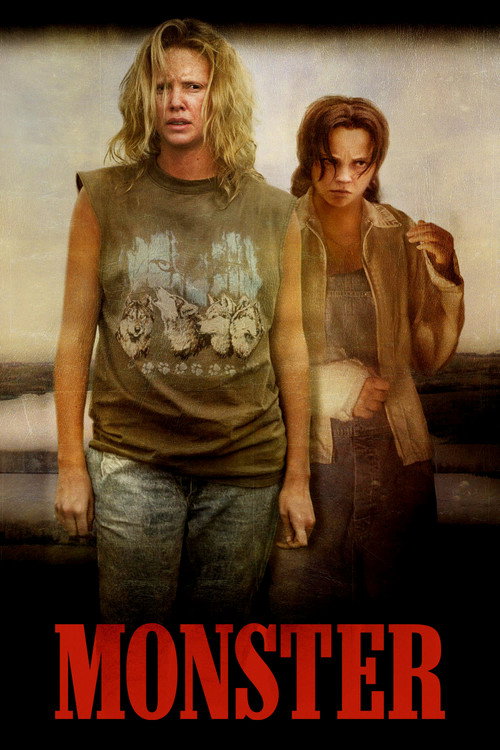
Monster
Aileen Wuornos meets Selby Wall while already living inside damage, hunger, fear, and escalating violence, but Monster works because Patty Jenkins never lets the true-crime hook become a clean spectator sport. The movie strengthens Cinema One’s women-director breadth lane by treating transformation as moral pressure: Charlize Theron disappears into the role, but the point is not the makeover. The point is how performance, camera distance, and bruised tenderness keep forcing the audience to see a person where the headline wants a category.
Open file
The Virgin Suicides
The Lisbon sisters are watched, mythologized, and misunderstood by neighborhood boys who keep mistaking mystery for knowledge. The Virgin Suicides strengthens Cinema One’s women-director breadth lane because Sofia Coppola makes a debut about looking without possession: sunburned suburbia, pop melancholy, religious control, teen dread, and Air’s score all turn memory into a beautiful trap that cannot save the girls it keeps replaying.
Open file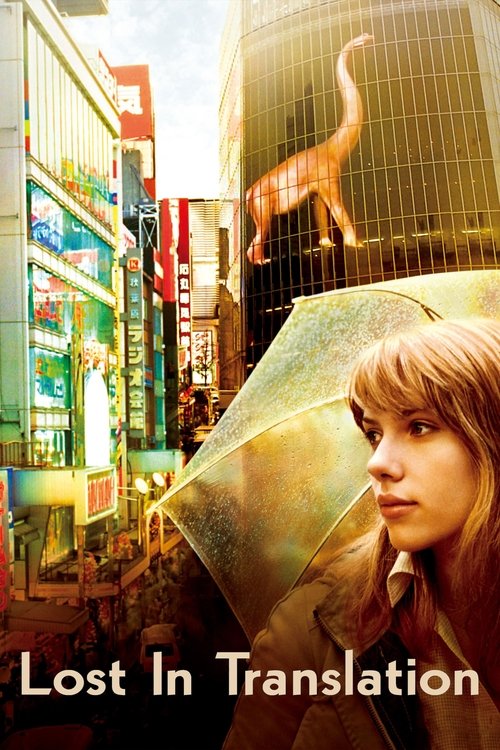
Lost in Translation
Bob and Charlotte drift through the Park Hyatt, karaoke rooms, neon streets, sleepless mornings, and the strange relief of being understood by someone who will soon disappear. Lost in Translation strengthens Cinema One’s women-director breadth because Sofia Coppola makes loneliness feel designed rather than vague: Tokyo is not wallpaper, it is a pressure system of distance, glamour, comedy, and borrowed time where the romance works precisely because it cannot be owned.
Open file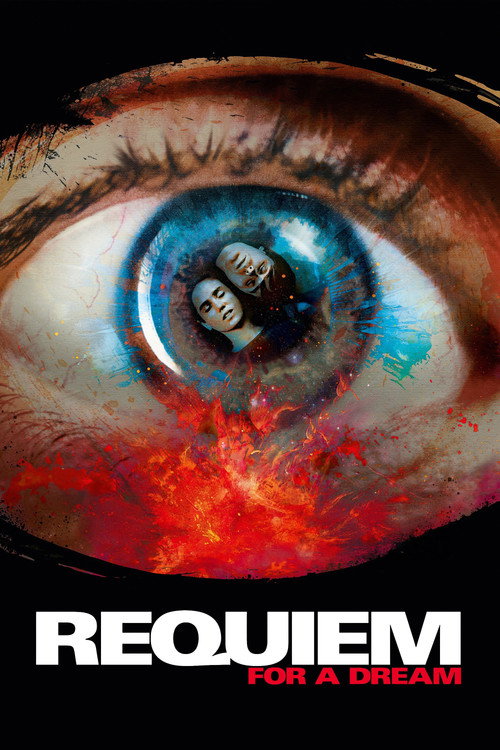
Requiem for a Dream
Four people chase better versions of themselves through drugs, television, diet pills, romance, money, and fantasy, then watch those appetites turn into a tightening machine. Requiem for a Dream earns its Thomas Library Spine slot because Aronofsky makes addiction feel structural instead of ornamental: split screens, hip-hop montages, SnorriCam panic, Mansell strings, and seasonal chapter headings all push the same cruel argument — escape can become a prison when the body starts editing reality for you.
Open file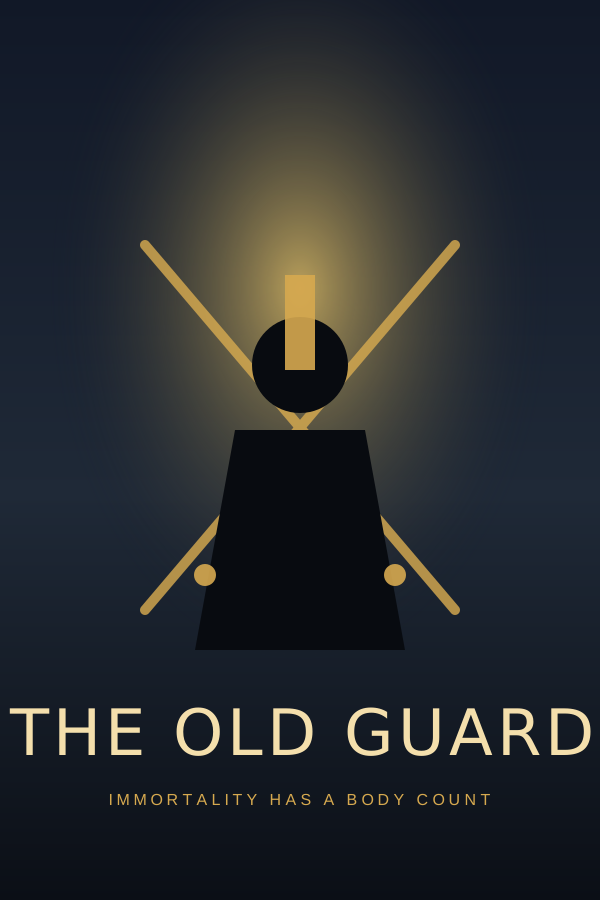
The Old Guard
A cell of immortal warriors keeps taking mercenary jobs until a new Marine joins the bloodline and forces the team to measure survival against purpose. The Old Guard earns a Cinema One breadth slot because Gina Prince-Bythewood makes superhero-adjacent action feel bodily and mournful: punches have weight, history has fatigue, and Charlize Theron’s Andy moves like someone whose competence has outlived her faith in the mission.
Open file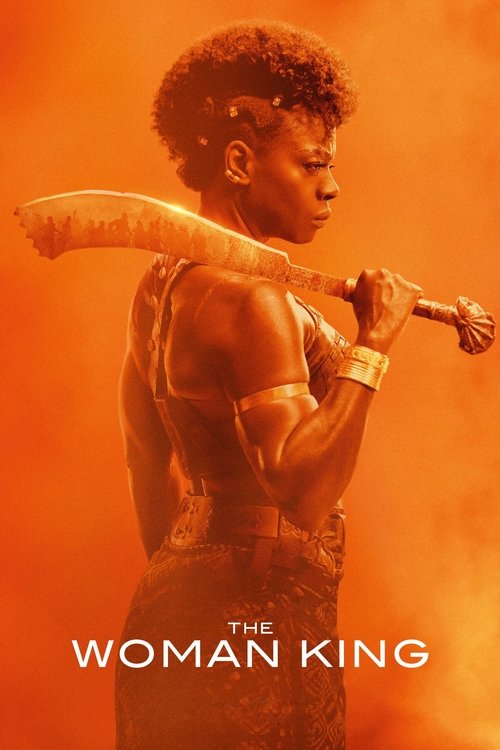
The Woman King
Nanisca leads the Agojie through training, court politics, trauma, and war while the kingdom of Dahomey faces the violence of empire and the slave trade. The Woman King strengthens Cinema One’s women-director breadth lane because Gina Prince-Bythewood treats historical action as body-pressure drama: discipline, formation, sisterhood, and command become the movie’s engine, and Viola Davis makes leadership feel like a wound held upright.
Open file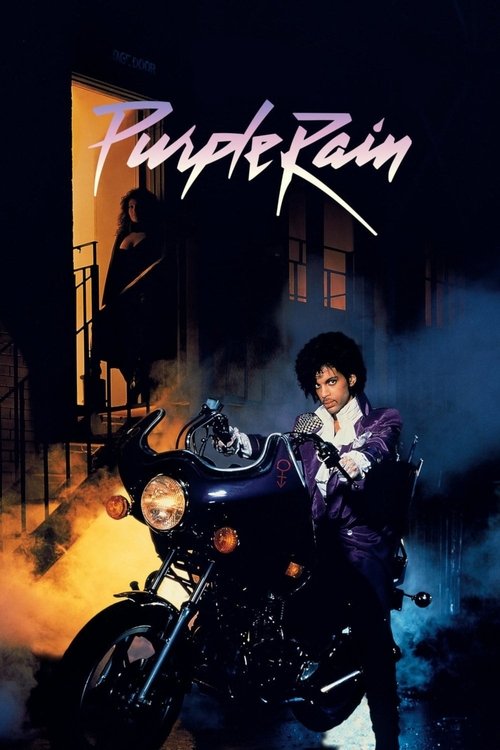
Purple Rain
A brilliant, impossible Minneapolis musician fights his band, his family damage, his romantic arrogance, and his own appetite for control until the performance finally has to tell the truth. Purple Rain earns a Thomas Library Spine slot because it is not just a soundtrack with scenes attached: it is a dangerous hangout about charisma as both weapon and wound, with First Avenue turning every song into a custody battle between pose, pain, and release.
Open file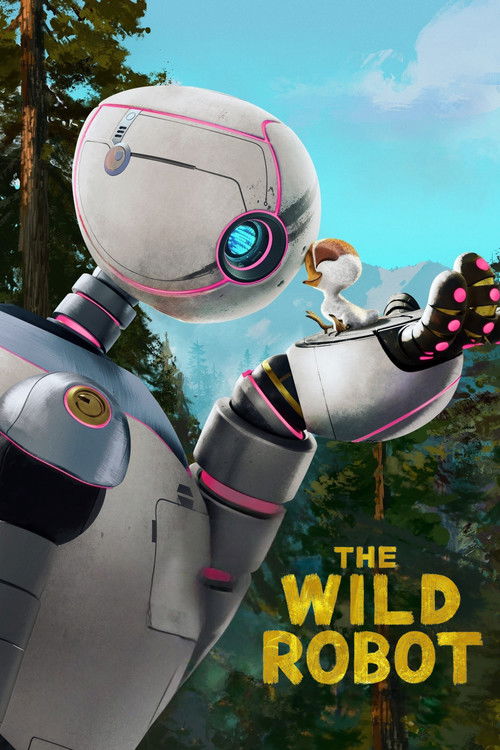
The Wild Robot
Roz washes onto an island built for instinct, weather, hunger, migration, and loss, then learns that survival is not the same thing as belonging. The Wild Robot earns its Thomas Library Spine slot because Chris Sanders makes family animation feel like craft-pressure cinema: a synthetic helper has to read the room without a room, and the movie turns adaptation, parenthood, disability, flight, and grief into a painterly rewatch engine instead of safe comfort sludge.
Open file
Wonder Woman
Diana leaves Themyscira for a world at war and discovers that heroism is not a clean myth waiting to be proven; it is a choice made inside mud, gas, grief, compromise, and human weakness. Wonder Woman strengthens Cinema One’s women-director breadth lane because Patty Jenkins treats iconography as emotional craft: the bracelets, shield, battlefield walk, and moral clarity matter only because the movie keeps testing whether compassion can survive first contact with history.
Open file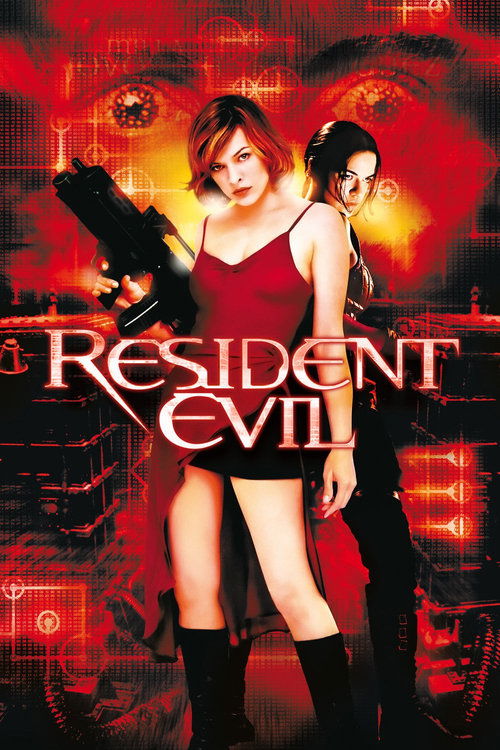
Resident Evil
Alice wakes inside Umbrella’s mansion with no memory, then descends into the Hive where soldiers, scientists, zombie dogs, and a murderous security system turn corporate secrecy into body-count architecture. Resident Evil earns a Thomas Library Spine slot because it is not prestige horror and does not pretend to be. It is clean B-movie machinery: red dress, white corridors, industrial basements, laser grids, game logic, and Milla Jovovich learning how to become an action icon one locked door at a time.
Open file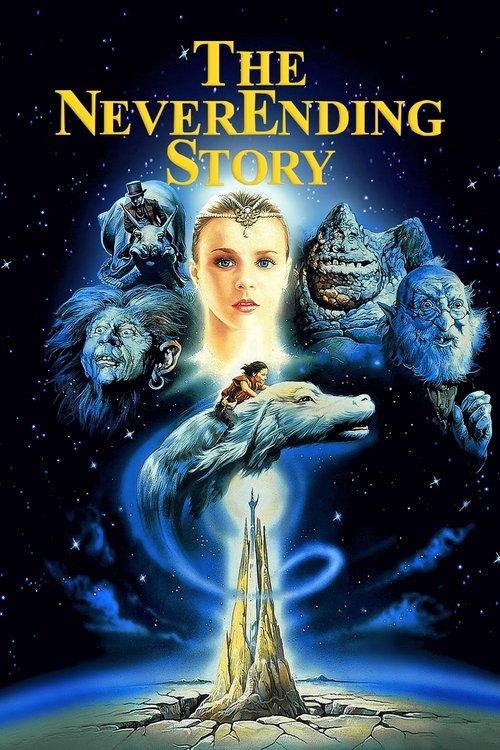
The NeverEnding Story
Bastian hides inside a stolen book and finds Fantasia collapsing under the Nothing, but The NeverEnding Story works because its fantasy grammar is secretly about grief, shame, and the danger of giving up the inner life. Petersen gives the movie enough tactile creature-shop wonder to feel like a real place, then keeps asking the harder childhood question: what happens when fear convinces a kid that stories, names, wishes, and courage no longer matter?
Open file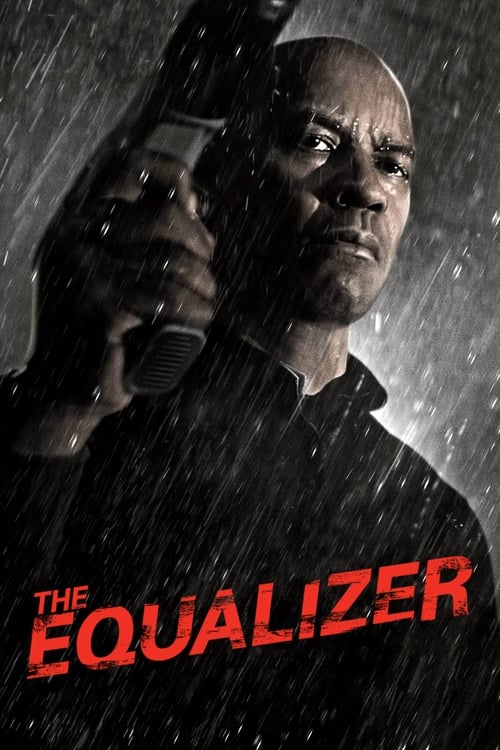
The Equalizer
Robert McCall lives like a man trying to sand every violent edge off himself until a young woman’s abuse pulls the old machinery back online. The Equalizer earns its Thomas Library Spine slot because Fuqua and Denzel turn vigilante pulp into control-freak comfort food: ritual, timing, manners, books, diner light, and sudden violence staged as a retired professional deciding exactly how much of the monster still has a job to do.
Open file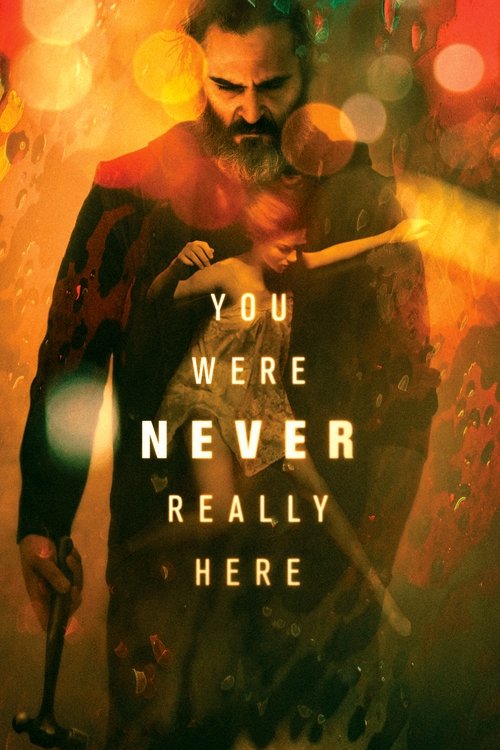
You Were Never Really Here
Joe is hired to retrieve a missing girl from a trafficking ring, but Lynne Ramsay refuses the clean revenge fantasy that setup usually promises. You Were Never Really Here strengthens Cinema One’s women-director breadth lane because it turns hitman cinema into trauma cinema: violence arrives in fragments, CCTV angles, sound jolts, and exhausted gestures, while Joaquin Phoenix makes the body feel like evidence from a case he can barely survive reading.
Open file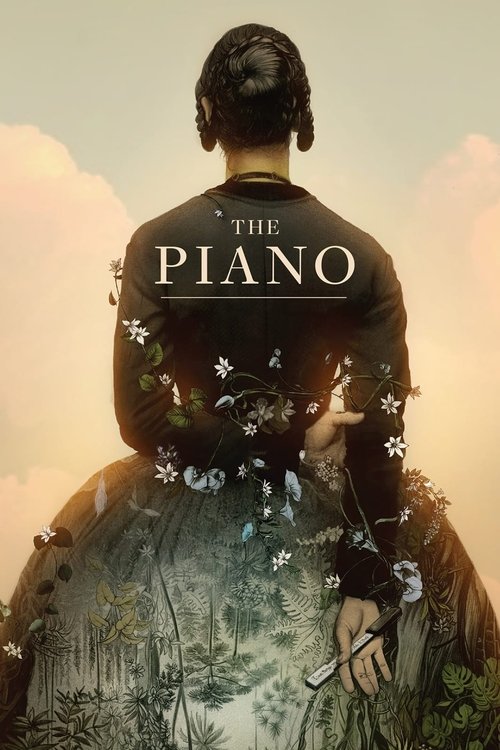
The Piano
Ada arrives in nineteenth-century New Zealand with her daughter, her piano, and a silence nobody around her knows how to read, then finds the instrument traded into a bargain where desire, property, violence, and self-command keep changing hands. The Piano strengthens Cinema One’s women-director breadth lane because Jane Campion makes repression physical: mud, surf, keys, fingers, glances, and withheld speech turn period drama into a pressure system about who gets to own a woman’s voice.
Open file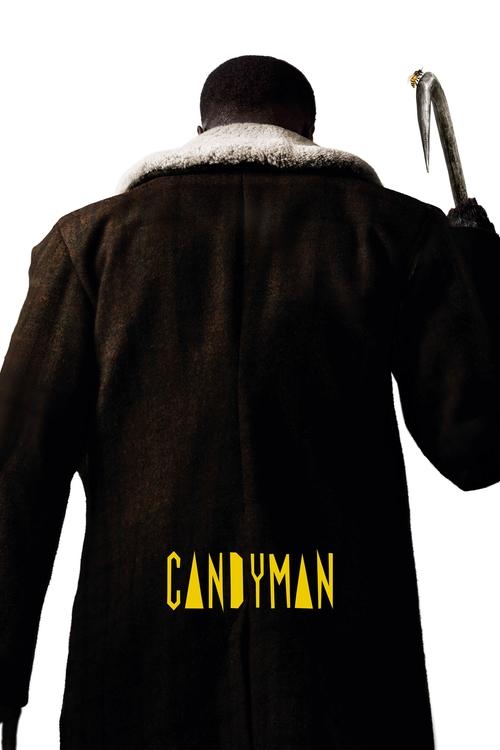
Candyman
Anthony McCoy turns the Cabrini-Green legend into gallery material, then discovers that myth, art, trauma, and real estate have teeth. Candyman belongs on Cinema One because Nia DaCosta makes the mirror dare bigger than a slasher hook: the movie is about who gets turned into folklore, who profits from the image, and how gentrification can polish a neighborhood while leaving the wound active underneath.
Open file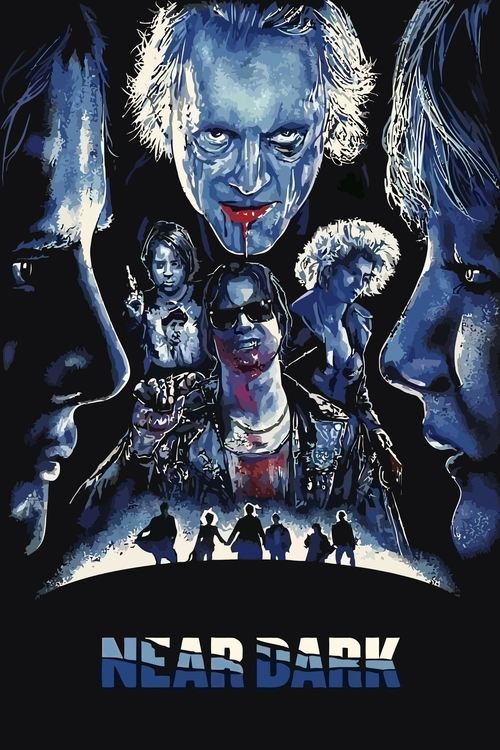
Near Dark
Caleb falls for Mae on an Oklahoma night road and gets pulled into a roaming vampire family where romance, hunger, and outlaw belonging all come with a body count. Near Dark strengthens Cinema One’s Kathryn Bigelow lane because it treats vampire myth as a western pressure system: stolen vans, cheap motels, barroom violence, sunup deadlines, Tangerine Dream haze, and Bill Paxton turning every grin into a threat with teeth.
Open file
Promising Young Woman
Cassie Thomas moves through coffee shops, bars, medical-school ghosts, pastel costumes, and weaponized politeness while grief keeps setting the trap. Promising Young Woman belongs in Cinema One because Emerald Fennell turns the revenge thriller into a poisoned pop object: surface sweetness, nice-guy casting, brittle jokes, and Carey Mulligan's stillness all keep asking how much violence a culture can hide inside ordinary permission.
Open file