
Titanic
Find the movies with rewatch gravity, live dossiers, and unfinished cases worth deepening.
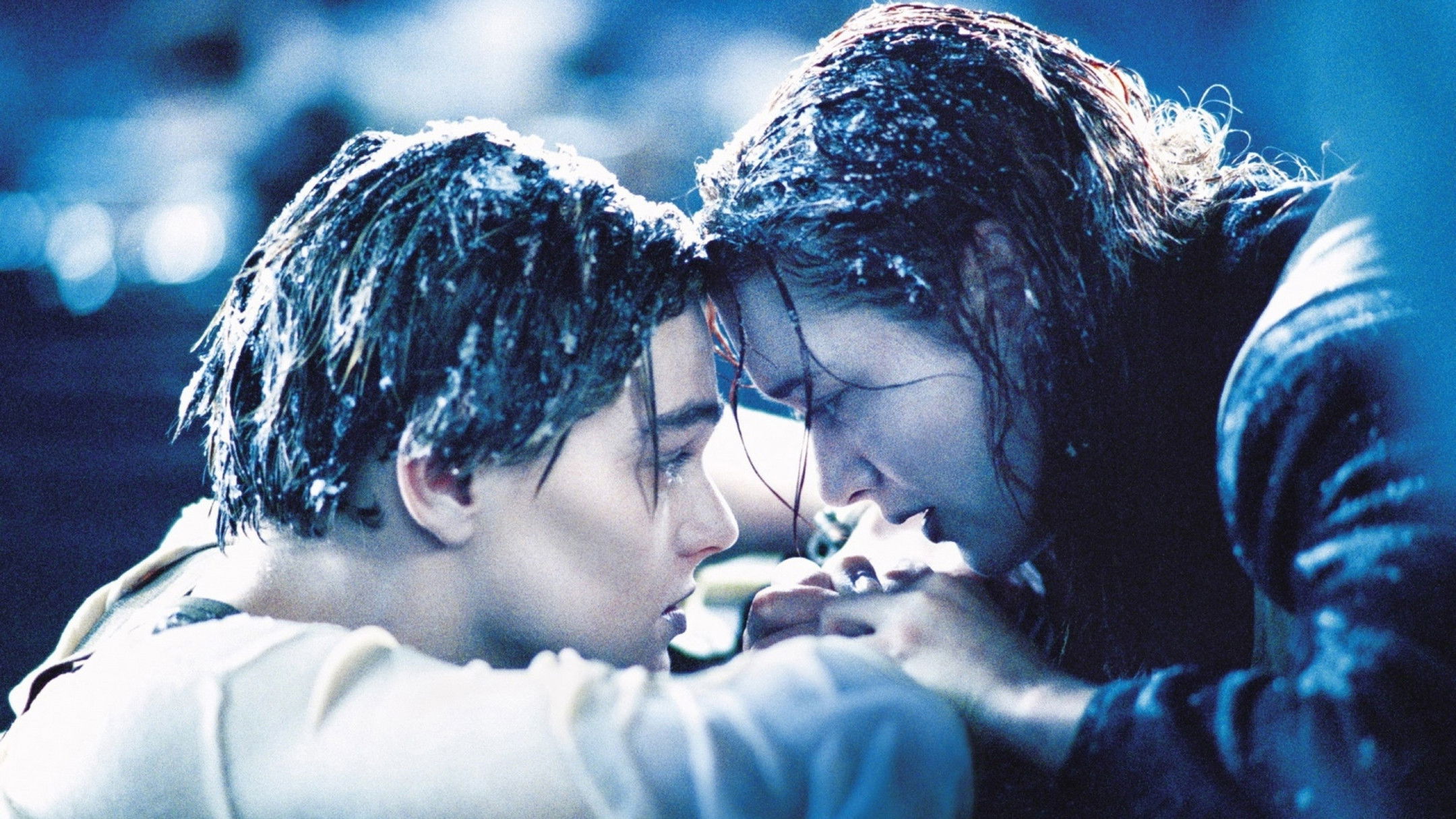
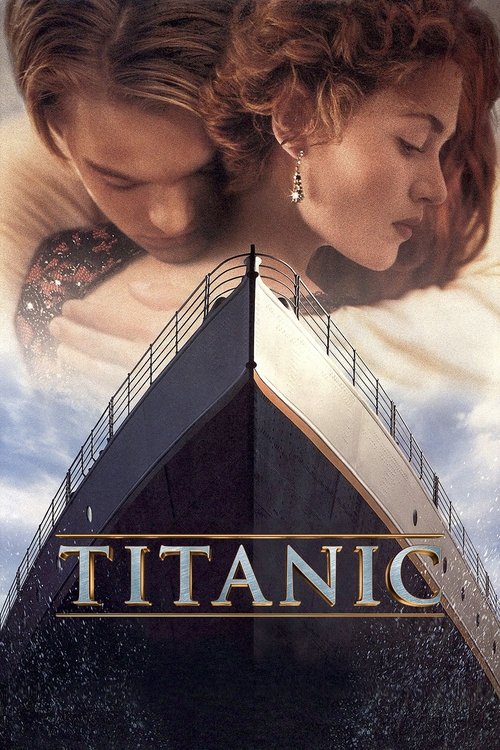
Movie dossier
Titanic
A mass-audience romance engineered with the precision of a disaster movie and the confidence of pure old-school spectacle.
Latest video signal
Trailer slot ready
A widescreen slot for the newest official trailer, interview, or scene signal when the page has a playable source.
Why it matters
Titanic matters because Cameron proves scale and feeling do not have to compete. The movie is a historical epic, a doomed-love machine, and an engineering obsession all at once, which is exactly why it became such a large shared cultural object in the first place.
Craft read
Romance and catastrophe braided into one escalating timeline
Direct, unapologetic emotional storytelling at event-cinema scale
One of the defining global blockbusters of the modern era
Themes
Cast and context
Coverage status
A fully shaped Cinema One case: the movie has enough authored context, pathway links, and argument to feel like more than a catalog entry.
Production notes
- • The film’s engineering fetish is not decoration, it is part of the suspense architecture.
- • DiCaprio and Winslet keep the enormity from becoming abstract because the movie makes their intimacy easy to grasp fast.
- • Essential if Cinema One wants to speak about blockbuster feeling without irony or embarrassment.
Watch-next pathway
What should you do after Titanic?
Three intentional continuations: stay with the filmmaker, chase the dominant pressure signal, or jump into the shelf or argument that best explains why this movie belongs here.
Terminator 2: Judgment Day
The cleanest next move if James Cameron's control, obsessions, or rhythm are what hooked you here.
More class
Use the taste map to find movies, arguments, and shelves that share this page's strongest signal.
Rewatchables
Movies built for return visits, momentum, quotability, texture, and pure replay value.
Movie-page argument
Defend Titanic.
If this movie has a scene, performance, ending, or idea people underrate, make the case. The best defenses can become future Cinema One argument material.
Scene challenge
Pick the scene that proves it.
Cinema One is built around scenes that unlock the movie. Tell us which moment carries the pressure, style, argument, or rewatch charge.
Signature scene: the ship lifts and the bodies become weight
Titanic becomes overwhelming in the late sinking passages because Cameron shifts from pageantry to physical terror without losing clarity. The tilting deck sequence is not just expensive filmmaking, it is the point where social fantasy, mechanical failure, and human fragility all collapse into the same image.
Line worth carrying forward
"You jump, I jump, remember?" survives because it sounds like romance at first and commitment under pressure by the end. The line becomes a promise about solidarity across class, fear, and disaster.
Why the ending still moves people
Titanic lands because Cameron understands that memory can be the final scale effect. The ending does not ask you to believe only in romance; it asks you to feel how disaster gets preserved through story, longing, and the private afterlife of a life that might have been.
Steelman the debate
The common critique is that Titanic simplifies history and character into a broad melodrama designed to manipulate tears. The strongest defense is that broadness is part of the achievement. Cameron builds an unusually legible emotional line so the audience can actually feel the enormity of the event instead of merely admiring the reconstruction.
More from this director
Related picks
Read next
Titanic lasts because Cameron never treats feeling as the embarrassing part of the enterprise. The romance, class tension, and mechanical catastrophe are all designed to reinforce each other.
Cameron’s undersea epic stays alive because it never treats labor, machinery, and emotional damage as setup for the awe. They are the price of reaching it.
Cameron’s action-comedy stays watchable because it never treats the marriage plot as filler. Embarrassment, deception, and spectacle are all part of the same propulsion system.