
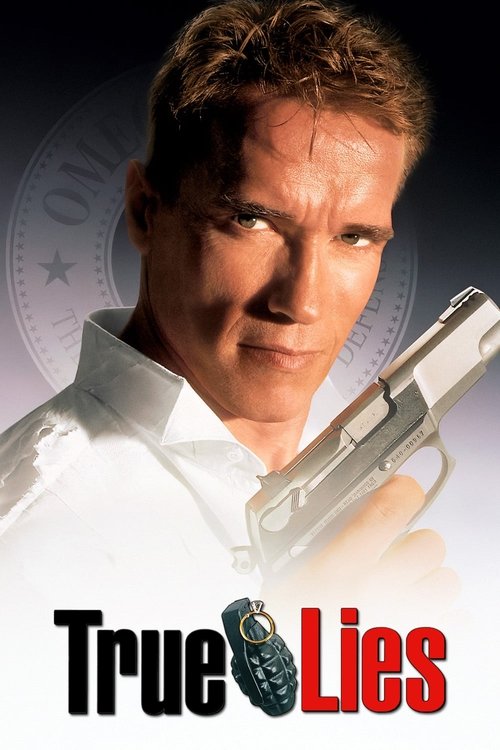
Scene 1•JoBlo Movie Clips•Comedy action
Horse
Cameron turns a ridiculous image into clean action geography. The joke lands because the set piece is staged with total seriousness.
Find the movies with rewatch gravity, live dossiers, and unfinished cases worth deepening.
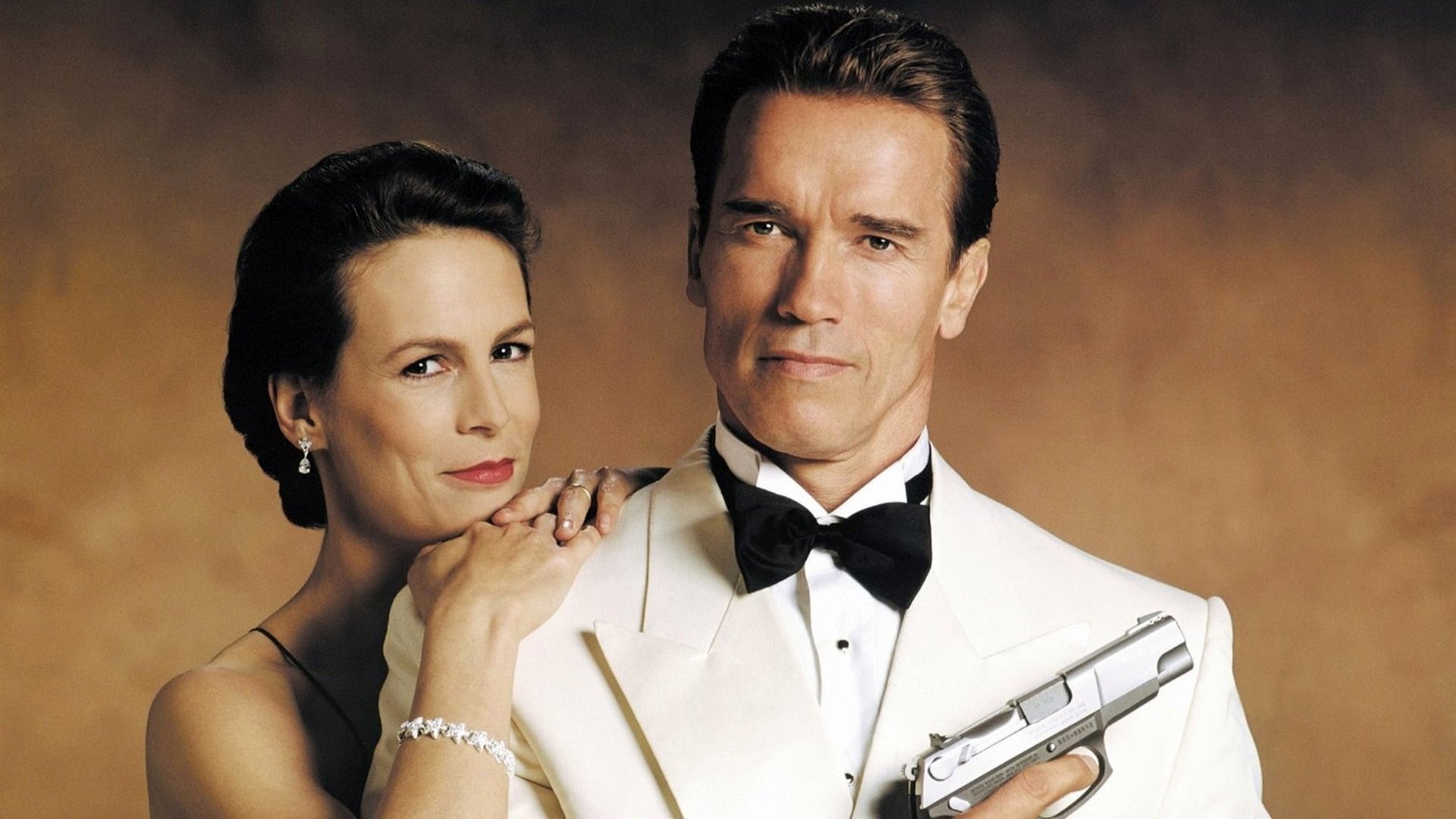
Movie dossier
A maximalist espionage romp where Cameron treats marriage trouble and action escalation like parts of the same machine.
Latest video signal
A widescreen slot for the newest official trailer, interview, or scene signal when the page has a playable source.
True Lies matters because it shows Cameron at his loosest without losing his obsession with engineering momentum. The movie is part spy fantasy, part domestic farce, and part mega-budget stunt reel, but what keeps it alive is that he understands action-comedy only works when the spatial clarity and the comic humiliation are both fully committed.
Action spectacle, marital comedy, and swaggering absurdity held in the same frame
Huge-scale escalation staged with unusually clean physical readability
A 1990s studio flex that feels like old-school star vehicle, blockbuster engineering, and dad-movie chaos at once
A fully shaped Cinema One case: the movie has enough authored context, pathway links, and argument to feel like more than a catalog entry.
Watch-next pathway
Three intentional continuations: stay with the filmmaker, chase the dominant pressure signal, or jump into the shelf or argument that best explains why this movie belongs here.
The cleanest next move if James Cameron's control, obsessions, or rhythm are what hooked you here.
Use the taste map to find movies, arguments, and shelves that share this page's strongest signal.
Movies built for return visits, momentum, quotability, texture, and pure replay value.
Movie-page argument
If this movie has a scene, performance, ending, or idea people underrate, make the case. The best defenses can become future Cinema One argument material.
Scene challenge
Cinema One is built around scenes that unlock the movie. Tell us which moment carries the pressure, style, argument, or rewatch charge.
Cinema One case file
The movie sells spy fantasy and marriage farce at the same time, then lets Cameron’s action machinery keep both moving.
A swaggering action-comedy about performance: secret identities, fake masculinity, staged desire, and industrial-scale spectacle.
Mechanical clarity, huge set pieces, physical comedy, and clean payoff logic working under studio-star gloss.
Make room for the pleasures and the problems: the craft is muscular, the gender/spy fantasy is messy, and the set pieces still cook.
Production file
True Lies is built like a machine that can handle tonal collision: domestic suspicion, terrorism plot, sex comedy, and action escalation without losing readability.
The star image works because Harry is both impossible superman and ridiculous spouse. The movie gets energy from making the fantasy look powerful and emotionally stupid.
The bridge, bathroom, horse, hotel, and Harrier sequences all work because Cameron treats jokes as timing problems and action as geography.
Scene architecture
The scene is funny because Cameron never lets the staging go slack. Slips, hits, guns, bodies, and mirrors remain cleanly organized.
The striptease sequence is uncomfortable by design and by era, but it is also the movie’s central trapdoor: desire, humiliation, secrecy, and surveillance collide.
The finale pushes plausibility off the roof, then survives through timing. The line lands because the movie has built an entire machine for that ridiculous release.
Cultural afterlife
True Lies survives through set pieces and bits: horse, bridge, dance, Paxton, Harrier. That makes it ideal for Scene Shelf treatment.
The movie’s dated gender politics and Orientalist simplifications should stay visible, but Cameron’s command of action-comedy form is still the reason the machine runs.
True Lies reveals its whole game in the hotel sequence. Cameron stages the striptease with comic awkwardness, erotic fantasy, and surveillance tension all at once, then flips the mood without losing rhythm. It is a perfect example of the movie understanding that humiliation, desire, and spectacle can share the same timing.
"Have you ever killed anyone?" / "Yeah, but they were all bad." lands because it reduces the movie’s whole moral grammar to breezy action-star absurdity. True Lies survives on that tone, deadly stakes delivered with a straight enough face that the joke keeps accelerating instead of deflating the danger.
The Harrier-jet climax should be ridiculous, and it is, but Cameron earns it by having trained the audience to read movement, geography, and escalation with total clarity. The ending works because the absurdity arrives inside real control. It feels like the logical endpoint of a movie that has been promising giant toy-box spectacle from the start.
A fair critique is that True Lies is baggy, politically blunt, and so committed to blockbuster bravado that its comedy can tip into loutishness. The strongest defense is not that those edges vanish, but that Cameron’s craft keeps the movie weirdly alive anyway. The action is so lucid and the comic propulsion so relentless that the film remains one of the clearest examples of studio excess turned into entertainment architecture.
A swipeable set of scene-level evidence: the moments worth replaying because they carry the movie’s rhythm, style, argument, or rewatch gravity.
Cameron turns a ridiculous image into clean action geography. The joke lands because the set piece is staged with total seriousness.
The bathroom fight is Cameron’s action clarity in miniature: bodies, surfaces, weapons, and jokes all readable without losing impact.
The spy plot becomes marriage comedy here. The scene works because Schwarzenegger’s secret life and domestic insecurity finally occupy the same room.
The climax is pure Cameron excess, but the line makes it land as old-school action comedy: huge machinery, perfect timing, shameless payoff.
Bill Paxton’s pathetic bravado gives the movie one of its sharpest comic engines: fake masculinity colliding with the real spy fantasy.
Cameron’s action-comedy stays watchable because it never treats the marriage plot as filler. Embarrassment, deception, and spectacle are all part of the same propulsion system.
Cameron’s sequel works because it does not simply supersize Ridley Scott’s terror. It rebuilds the xenomorph threat around group collapse, siege pressure, and Ripley’s protective ferocity.
James Cameron’s sequel gets larger, louder, and more advanced, but it stays alive because every escalation feeds the movie’s protector-child-parent triangle.