
Aliens
Find the movies with rewatch gravity, live dossiers, and unfinished cases worth deepening.
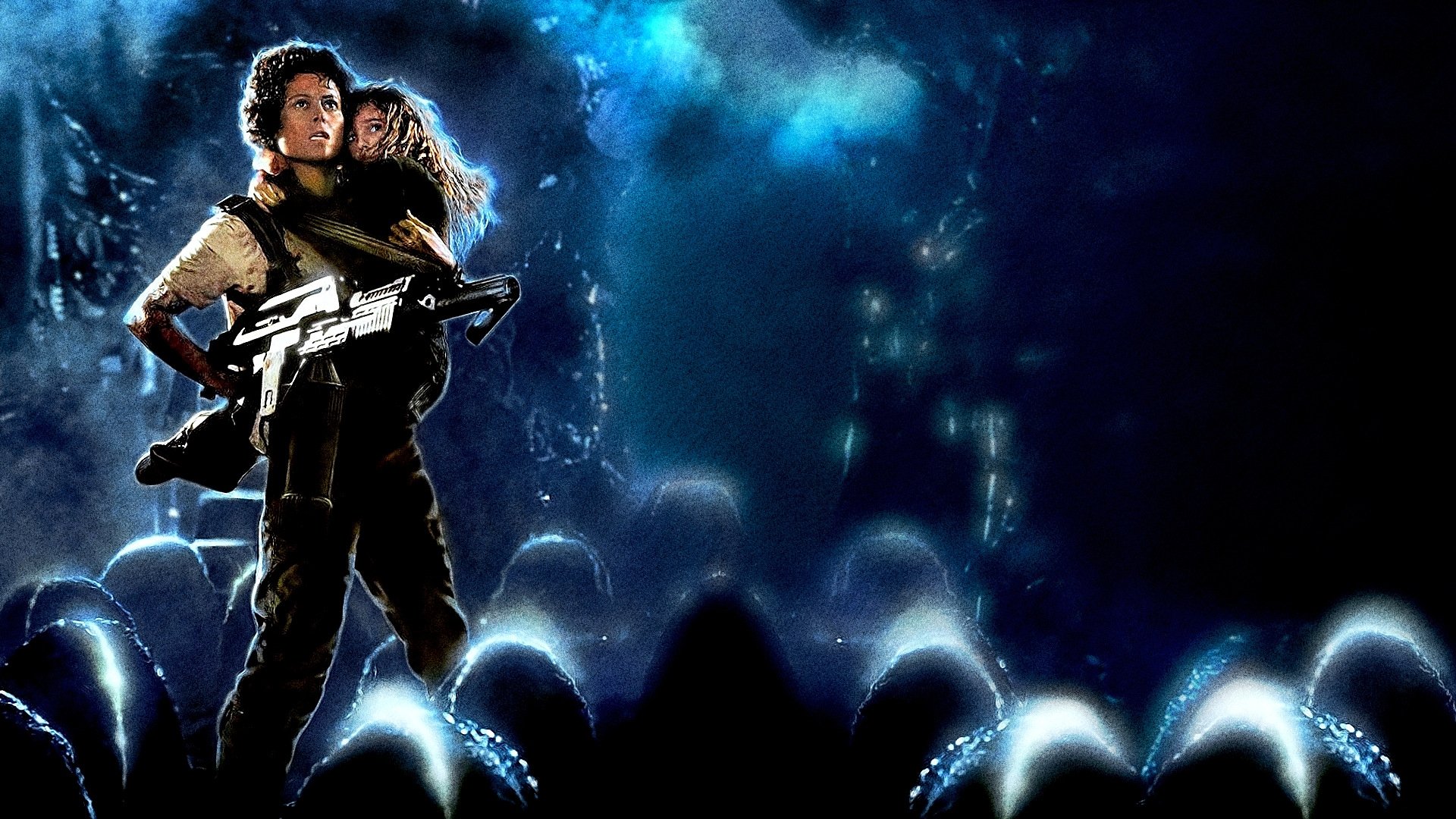
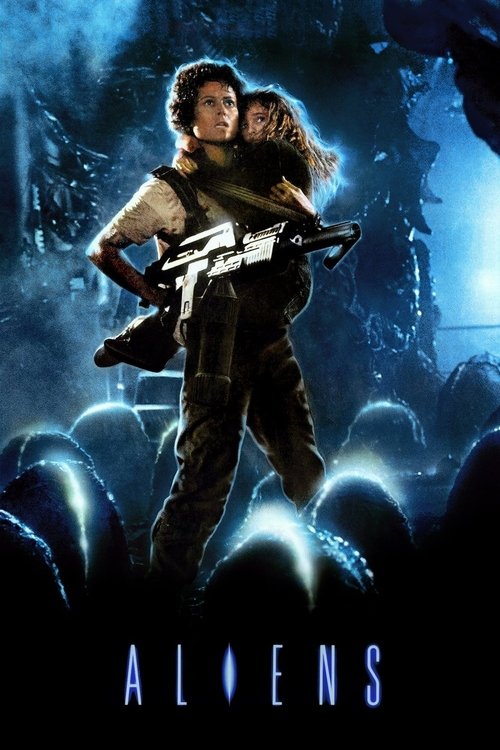
Movie dossier
Aliens
Cameron turns haunted-house sci-fi into military pressure, maternal fury, and one of the great escalation sequels.
Latest video signal
Trailer slot ready
A widescreen slot for the newest official trailer, interview, or scene signal when the page has a playable source.
Why it matters
Aliens matters because it proves Cameron can scale a premise without softening it. He widens Alien into a platoon movie, a rescue movie, and a siege movie, then keeps Ripley’s protective instinct as the emotional engine that stops the spectacle from going hollow.
Craft read
Horror premise expanded into combat suspense without losing vulnerability
Ripley and Newt give the chaos emotional gravity
A defining sequel for action, sci-fi, and franchise escalation craft
Themes
Cast and context
Coverage status
A fully shaped Cinema One case: the movie has enough authored context, pathway links, and argument to feel like more than a catalog entry.
Production notes
- • AFI Catalog traces the sequel’s rocky development path through Fox, Cameron’s post-Terminator treatment, budget pressure with producer Gale Anne Hurd, and the studio fight to publicly confirm Sigourney Weaver as the only Ripley worth building the film around.
- • AFI also records the production complications that give the movie useful texture: James Remar was originally set for Hicks before Michael Biehn replaced him, and Pinewood effects work was still dangerous enough that a March 1986 explosion injured two special-effects technicians.
- • TCM frames the movie as an $18 million science-fiction/horror escalation that went on to win Oscars for Sound Effects Editing and Visual Effects, which is the clean industrial case for why the movie feels both handmade and huge.
- • Essential page for the Cameron lane and for any “best sequels” path on the site.
Watch-next pathway
What should you do after Aliens?
Three intentional continuations: stay with the filmmaker, chase the dominant pressure signal, or jump into the shelf or argument that best explains why this movie belongs here.
Terminator 2: Judgment Day
The cleanest next move if James Cameron's control, obsessions, or rhythm are what hooked you here.
More survival
Use the taste map to find movies, arguments, and shelves that share this page's strongest signal.
Tension Machines
Command decisions, brinkmanship, pressure, and movies that tighten the screws scene by scene.
Movie-page argument
Defend Aliens.
If this movie has a scene, performance, ending, or idea people underrate, make the case. The best defenses can become future Cinema One argument material.
Scene challenge
Pick the scene that proves it.
Cinema One is built around scenes that unlock the movie. Tell us which moment carries the pressure, style, argument, or rewatch charge.
Production file
How the movie became this object
The sequel was a studio fight before it became a siege movie
Aliens gains charge once you know how much of its own making rhymes with the finished film: the project moved through Fox hesitation, budget pressure, Cameron and Hurd holding their ground, and a public fight over whether Weaver would be protected as the center of the movie. The finished film is about institutions underestimating Ripley until they need her to survive. The production history carries the same argument in less mythic clothing.
The marines work because they arrive overconfident and underinformed
Cameron does not make the Colonial Marines dumb; he makes them trained for the wrong problem. The squad has hardware, jokes, ranks, and swagger, but LV-426 keeps taking away the assumptions that make those tools feel useful. That is why the movie remains tense after the first contact massacre. The action is not just bigger than Alien. It is about professionals discovering that their doctrine does not fit the room.
The queen turns creature work into dramatic authorship
The alien queen is not only a monster upgrade. She gives the hive a visible author, which lets Cameron build the finale as a confrontation between two forms of protection. Ripley enters with machinery, fire, and terror; the queen answers with scale, rage, and reproduction. The effect works because the creature design is a story decision, not just a larger puppet.
Scene architecture
The moments that change the machine
The briefing scene makes disbelief feel institutional
The hearing after Ripley wakes is one of the page’s key unlocks because it turns trauma into paperwork. The suits do not need to call her a liar with movie-villain flourish. They simply ask for evidence, protect the company line, and make survival sound professionally inconvenient. From there, Aliens becomes a movie about expertise that has to keep proving itself to people who arrived late.
The first hive contact breaks every promise the genre has made
The reactor descent is where the movie cashes in its military build. Helmet cams, motion trackers, command chatter, rank discipline, and weapons protocols all seem to promise control. Then the geography starts eating the platoon. Cameron’s scene logic is brutal: the viewer understands where everyone is just long enough to feel how fast the map becomes useless.
The power-loader fight turns labor into myth
Ripley’s final fight works because Cameron pays off the movie’s work imagery. She does not become a superhero. She uses a machine introduced as industrial equipment, straps herself into it, and converts loading-dock competence into a maternal duel. That is why the crowd-pleasing line lands: the movie has made work, protection, and rage part of the same body.
Signature scene: Ripley descends into the hive
Aliens reaches full mythic force when Ripley goes back for Newt. Cameron turns the rescue into a pure escalation engine, but the reason it lands so hard is that every flamethrower burst and alarm siren is carrying maternal panic, not just action-movie heat.
Line worth carrying forward
"Get away from her, you bitch!" lasts because it is not just a crowd-pleasing one-liner. It is the whole movie collapsing Ripley’s competence, rage, and protective instinct into one clean burst of authorship.
Why the ending satisfies without feeling easy
Aliens closes like release after prolonged siege. The queen fight is huge and rousing, but Cameron earns it by making survival feel costly and provisional all the way through. The ending works because it feels like Ripley has defended something fragile, not merely won a boss battle.
Steelman the debate
A fair critique is that Aliens loses some of Alien’s eerie mystery by shifting toward military-action spectacle. The strongest defense is that Cameron is not trying to replicate Scott’s atmosphere. He is translating the xenomorph premise into a different but equally rigorous pressure system, one built around group collapse, tactical failure, and protective ferocity.
More from this director
Related picks
Read next
Cameron’s sequel works because it does not simply supersize Ridley Scott’s terror. It rebuilds the xenomorph threat around group collapse, siege pressure, and Ripley’s protective ferocity.
James Cameron’s sequel gets larger, louder, and more advanced, but it stays alive because every escalation feeds the movie’s protector-child-parent triangle.
The Terminator still hits because Cameron strips a huge sci-fi premise down to one merciless chase and lets horror logic do the rest.