
The Terminator: How James Cameron Turned Future War Into Pure Pursuit Cinema
The Terminator still hits because Cameron strips a huge sci-fi premise down to one merciless chase and lets horror logic do the rest.
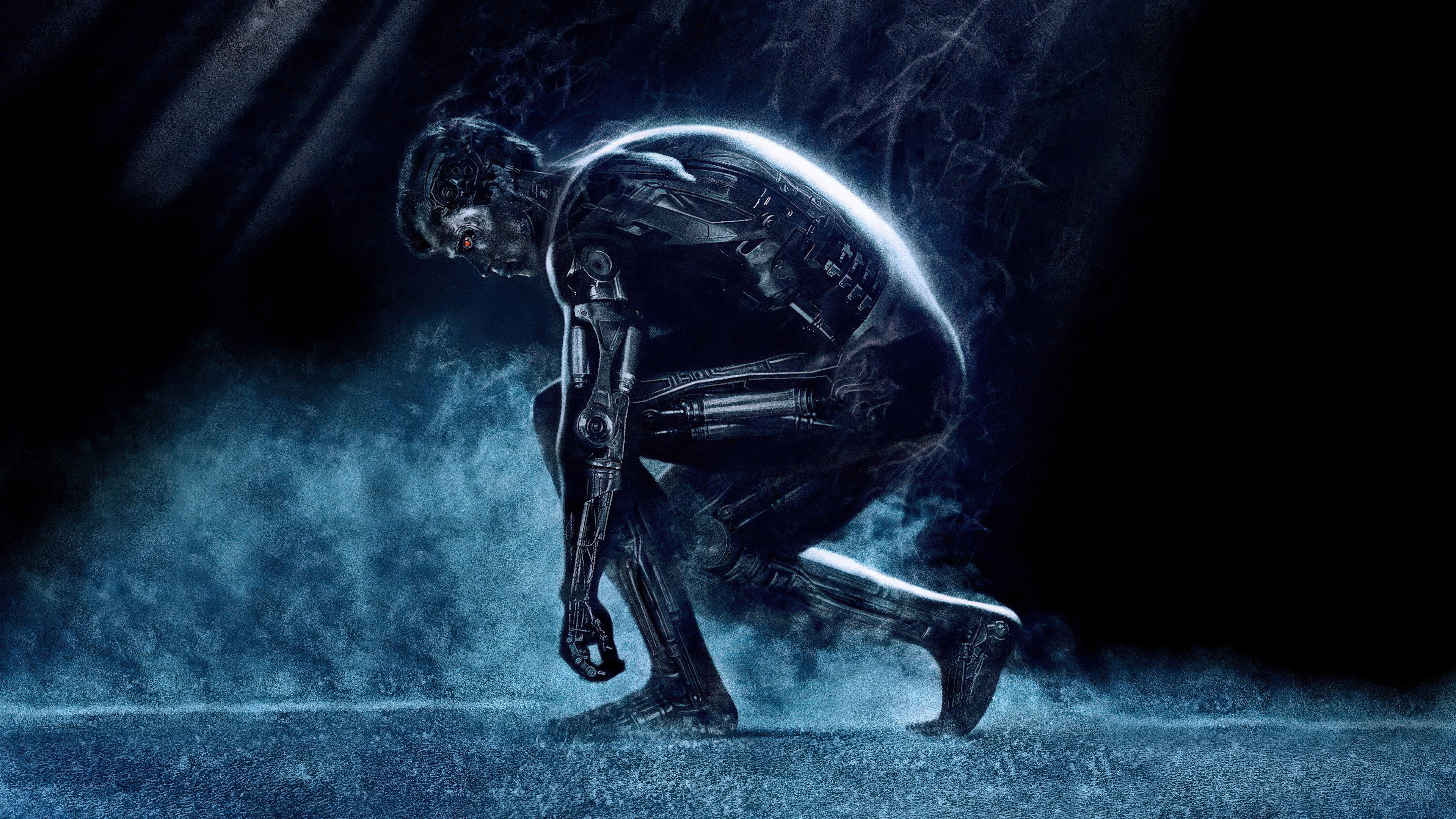
The Terminator remains one of the clearest examples of concept solved through discipline. Cameron has future war mythology, time travel, artificial intelligence, and apocalypse in the mix, but the movie works because he boils all of it down to pursuit, panic, and inevitability.
Science Fiction That Moves Like a Slasher
The key is that the Terminator is not treated as a quippy villain or a philosophical abstraction. It is a machine with a directive, which lets the movie borrow the grammar of horror, stalking, infiltration, false safety, and the feeling that ordinary urban spaces are no longer safe.
Sarah Connor as the Real Transformation
What gives the film its staying power is that it is also an origin story for Sarah Connor. By the end, Cameron has turned an ordinary woman into the beginning of a resistance myth without making the transformation feel cheap or purely symbolic.
Why the Rough Edges Help
The film’s budget seams are visible, but they work in its favor. The scrappiness gives The Terminator a mean, hungry energy that many smoother blockbusters lose. It feels built to survive, which is exactly what the movie is about.





Machine Nightmares
Cold systems, synthetic threats, and movies where technology stops feeling like a tool and starts feeling like an adversary.
Paranoia Machines
Containment, distrust, infiltration, and movies that trap characters inside systems they can no longer verify.
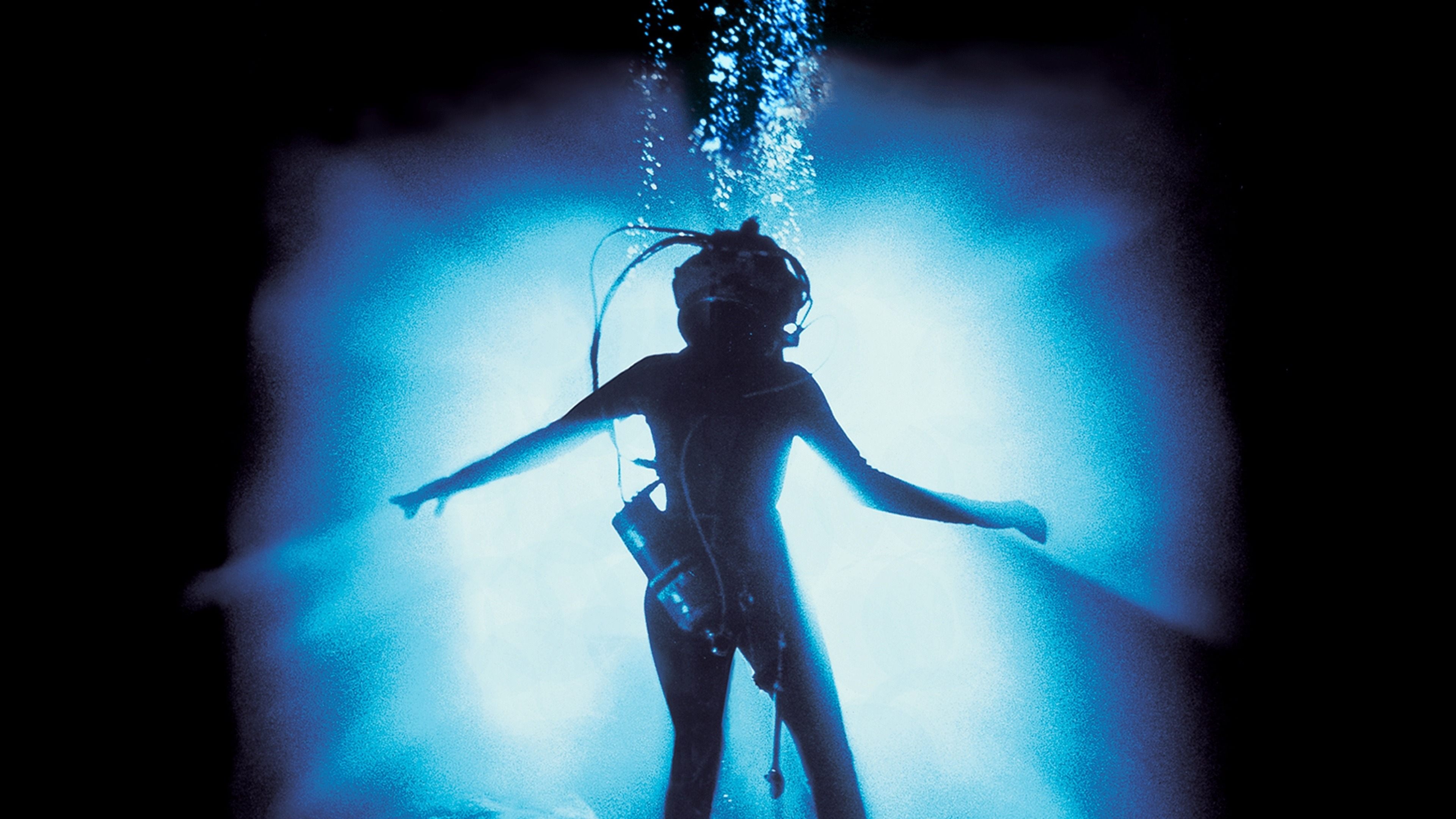
The Abyss and the Risky Beauty of Turning Industrial Pressure Into Contact Cinema
Cameron’s undersea epic stays alive because it never treats labor, machinery, and emotional damage as setup for the awe. They are the price of reaching it.

True Lies and the Strange Art of Making Marital Farce Play at Blockbuster Scale
Cameron’s action-comedy stays watchable because it never treats the marriage plot as filler. Embarrassment, deception, and spectacle are all part of the same propulsion system.
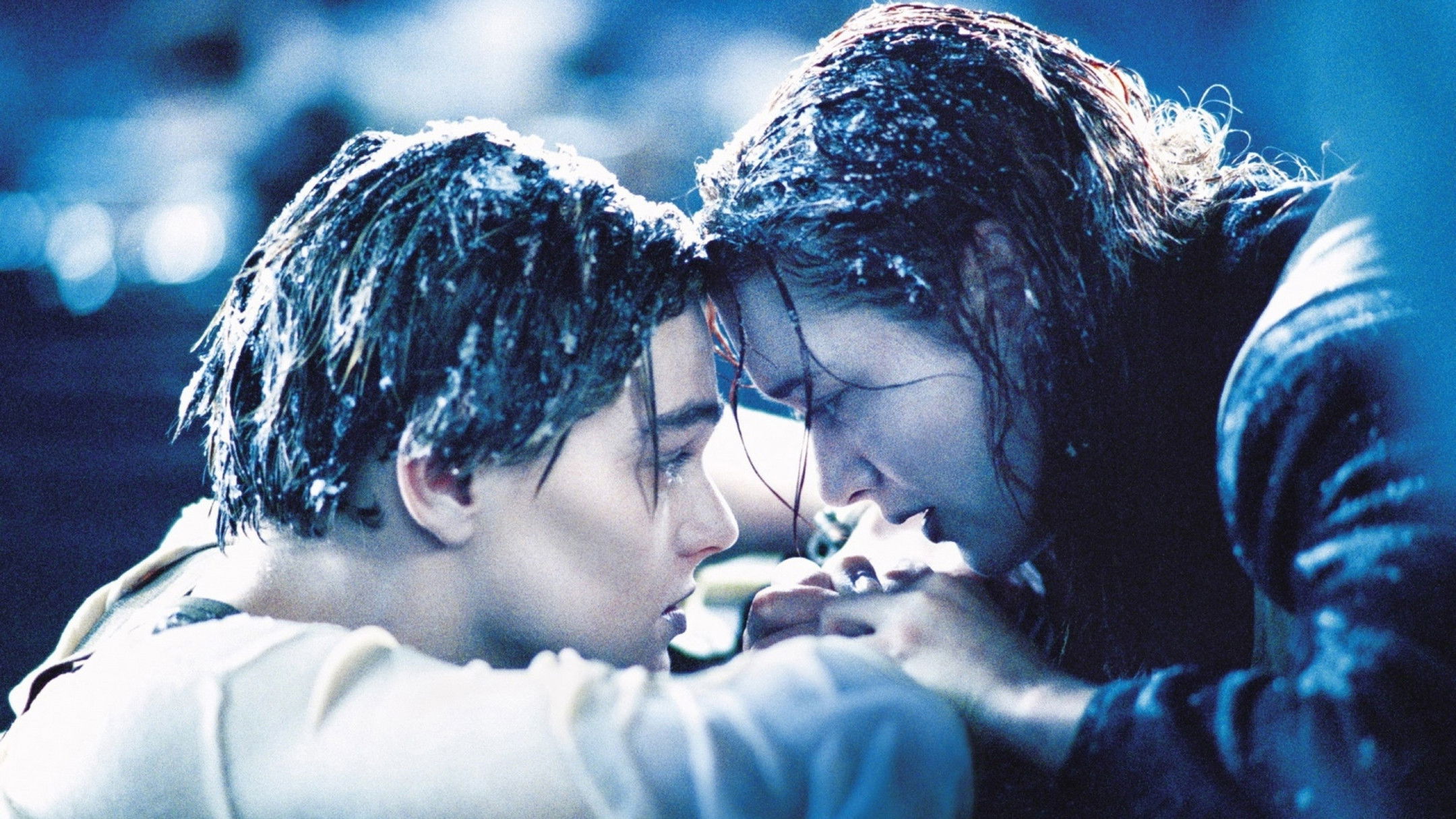
Titanic and the Power of Making Industrial Spectacle Feel Emotionally Legible
Titanic lasts because Cameron never treats feeling as the embarrassing part of the enterprise. The romance, class tension, and mechanical catastrophe are all designed to reinforce each other.
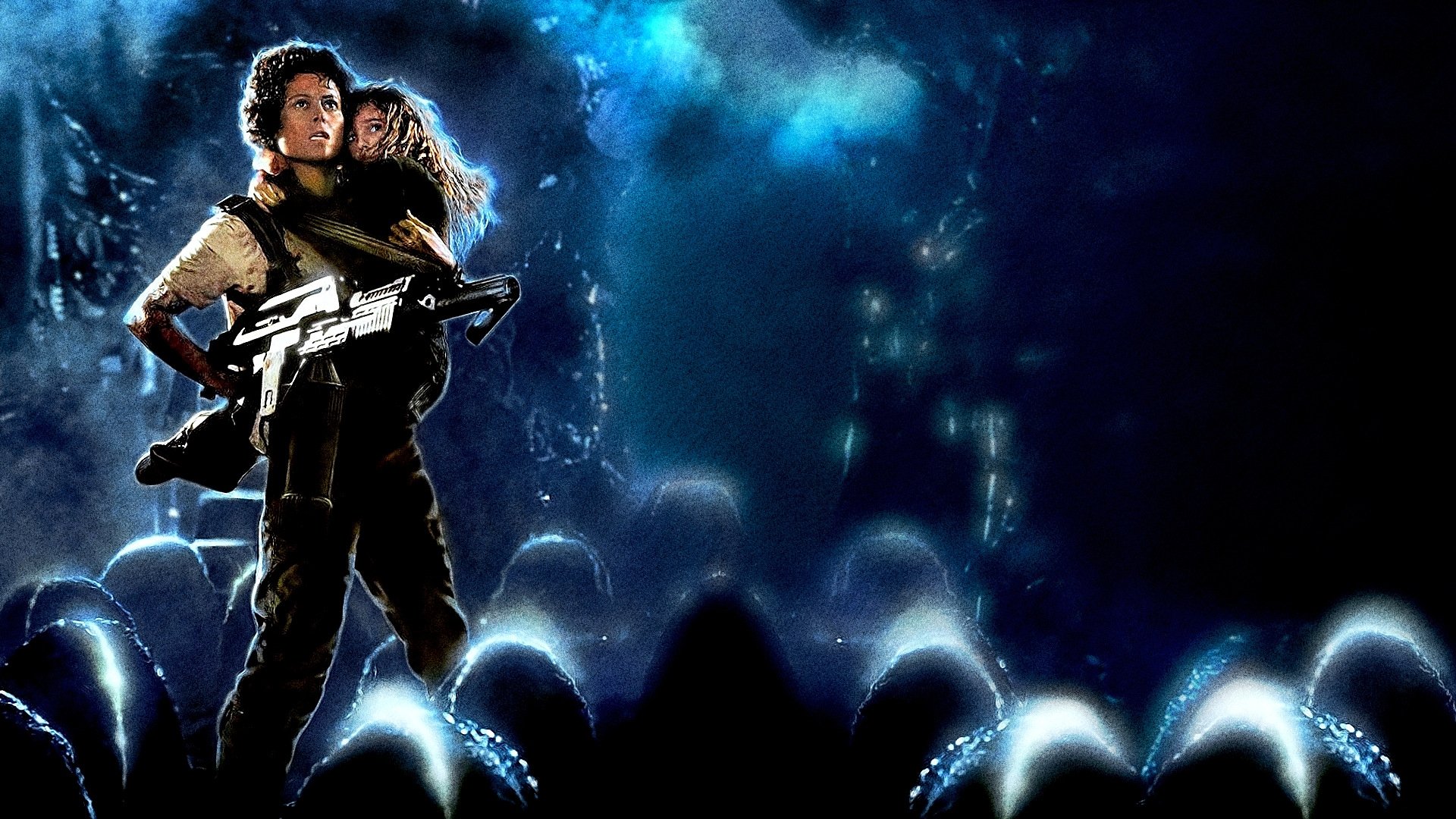
Aliens and the Brilliant Decision to Turn Survival Horror Into Platoon Panic
Cameron’s sequel works because it does not simply supersize Ridley Scott’s terror. It rebuilds the xenomorph threat around group collapse, siege pressure, and Ripley’s protective ferocity.