
True Lies and the Strange Art of Making Marital Farce Play at Blockbuster Scale
Cameron’s action-comedy stays watchable because it never treats the marriage plot as filler. Embarrassment, deception, and spectacle are all part of the same propulsion system.

True Lies is one of those movies that makes more sense once you stop asking it to be elegant. Cameron is building an oversized action-comedy machine where spy fantasy, marital resentment, and industrial-strength set pieces all keep feeding each other. The movie is too big, too broad, and too committed to motion to survive on irony alone.
Marriage Trouble as Action Fuel
What is smart, in a loud and shameless way, is that the domestic story is not separate from the espionage story. Harry’s double life is not just a premise gimmick. It is the engine that lets Cameron turn secrecy, insecurity, and status performance into comic action material before the movie ever gets to the explosions.
Why Jamie Lee Curtis Matters So Much
Without Curtis, the movie would be pure hardware. She gives it embarrassment, curiosity, panic, and release, which means the middle stretch lands as more than plot mechanics. Cameron needs Helen to feel like a person discovering the weird scale of the lie she has been living inside, not just a spouse dragged through stunts.
Excess That Still Reads Clearly
The reason the movie lasts for defenders is that Cameron never sacrifices legibility. The horse chase, the bridge destruction, the Harrier-jet finale, each sequence is huge, but every beat is readable. That clarity is what lets the ridiculousness stay pleasurable instead of collapsing into mush.
True Lies
1994 • James Cameron
When he said I do, he never said what he did.
Movies to pair with this read


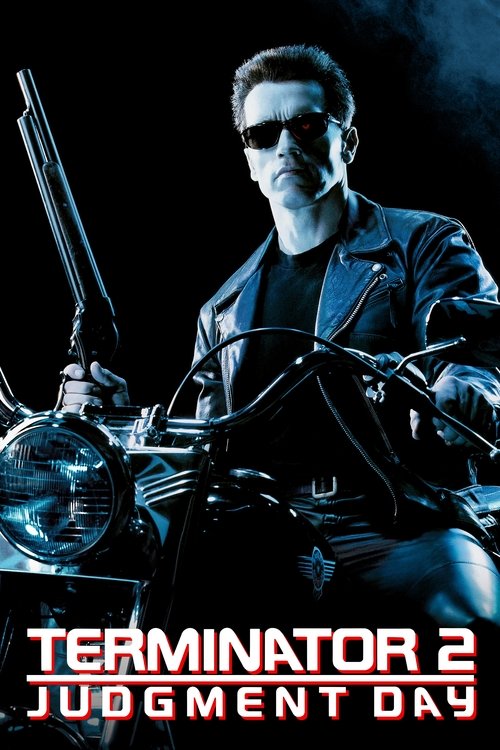


Machine Nightmares
Cold systems, synthetic threats, and movies where technology stops feeling like a tool and starts feeling like an adversary.
Paranoia Machines
Containment, distrust, infiltration, and movies that trap characters inside systems they can no longer verify.
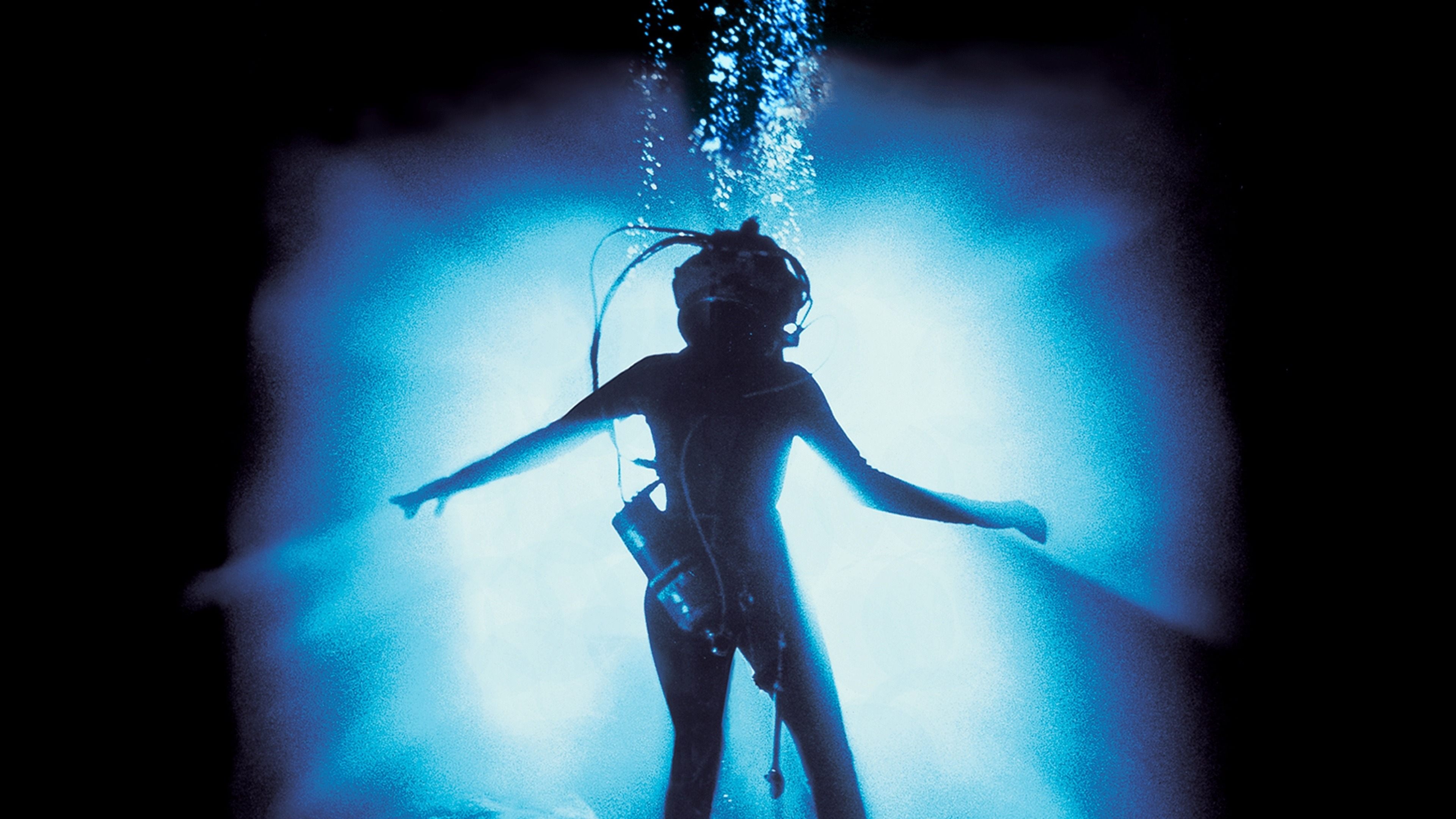
The Abyss and the Risky Beauty of Turning Industrial Pressure Into Contact Cinema
Cameron’s undersea epic stays alive because it never treats labor, machinery, and emotional damage as setup for the awe. They are the price of reaching it.
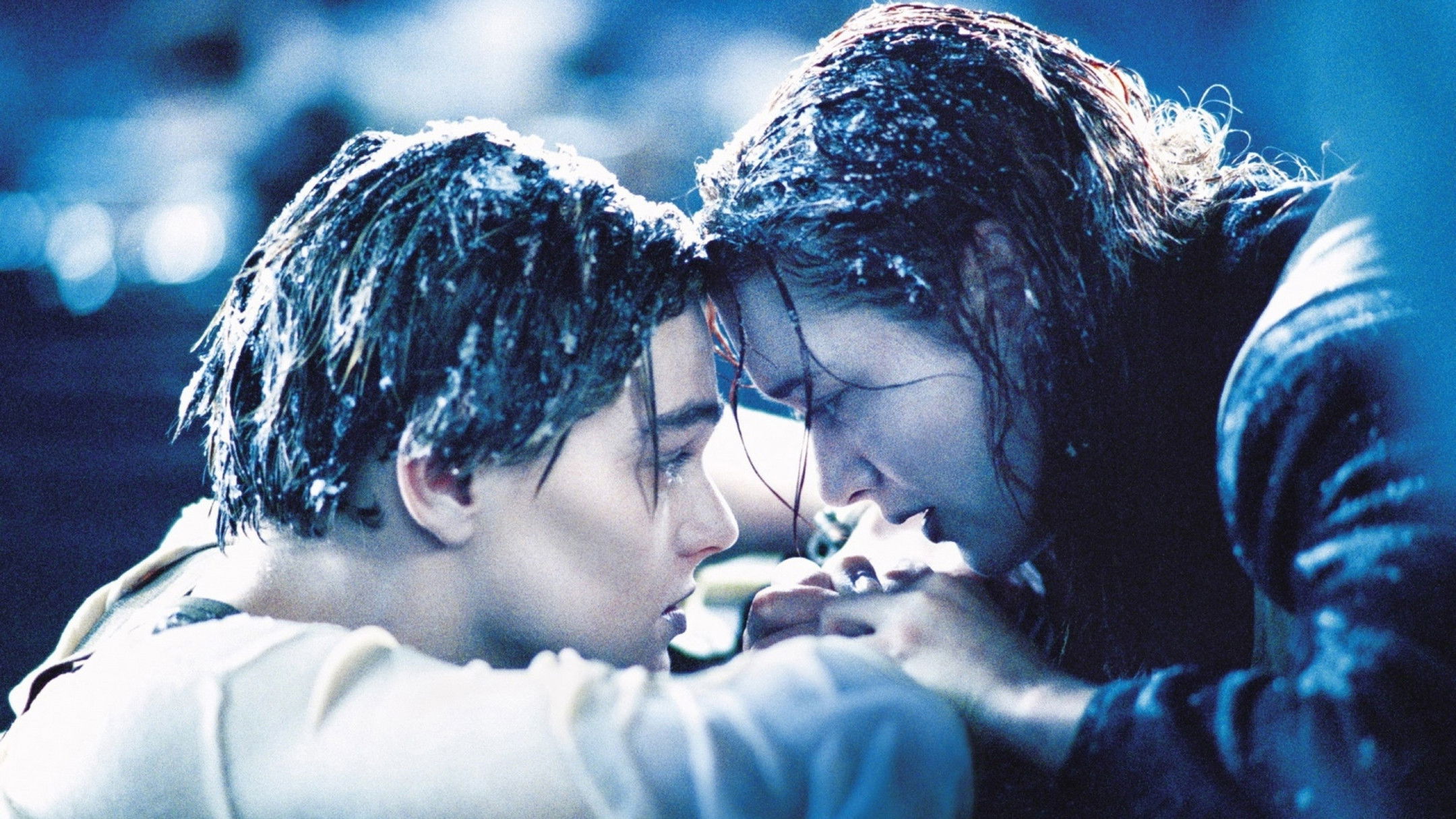
Titanic and the Power of Making Industrial Spectacle Feel Emotionally Legible
Titanic lasts because Cameron never treats feeling as the embarrassing part of the enterprise. The romance, class tension, and mechanical catastrophe are all designed to reinforce each other.

Aliens and the Brilliant Decision to Turn Survival Horror Into Platoon Panic
Cameron’s sequel works because it does not simply supersize Ridley Scott’s terror. It rebuilds the xenomorph threat around group collapse, siege pressure, and Ripley’s protective ferocity.
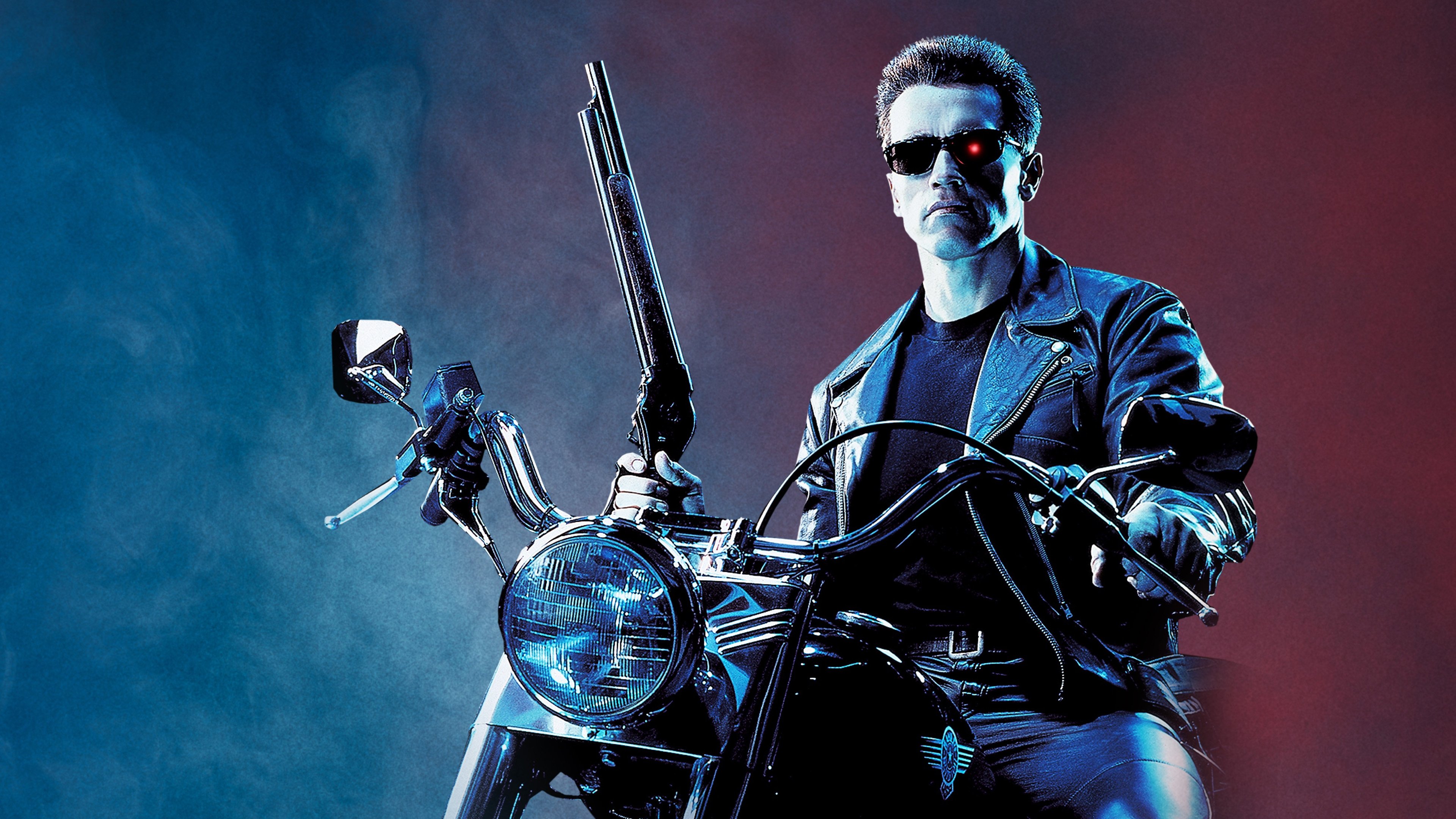
Terminator 2 and the Blockbuster Miracle of Making Machine War Feel Personal
James Cameron’s sequel gets larger, louder, and more advanced, but it stays alive because every escalation feeds the movie’s protector-child-parent triangle.