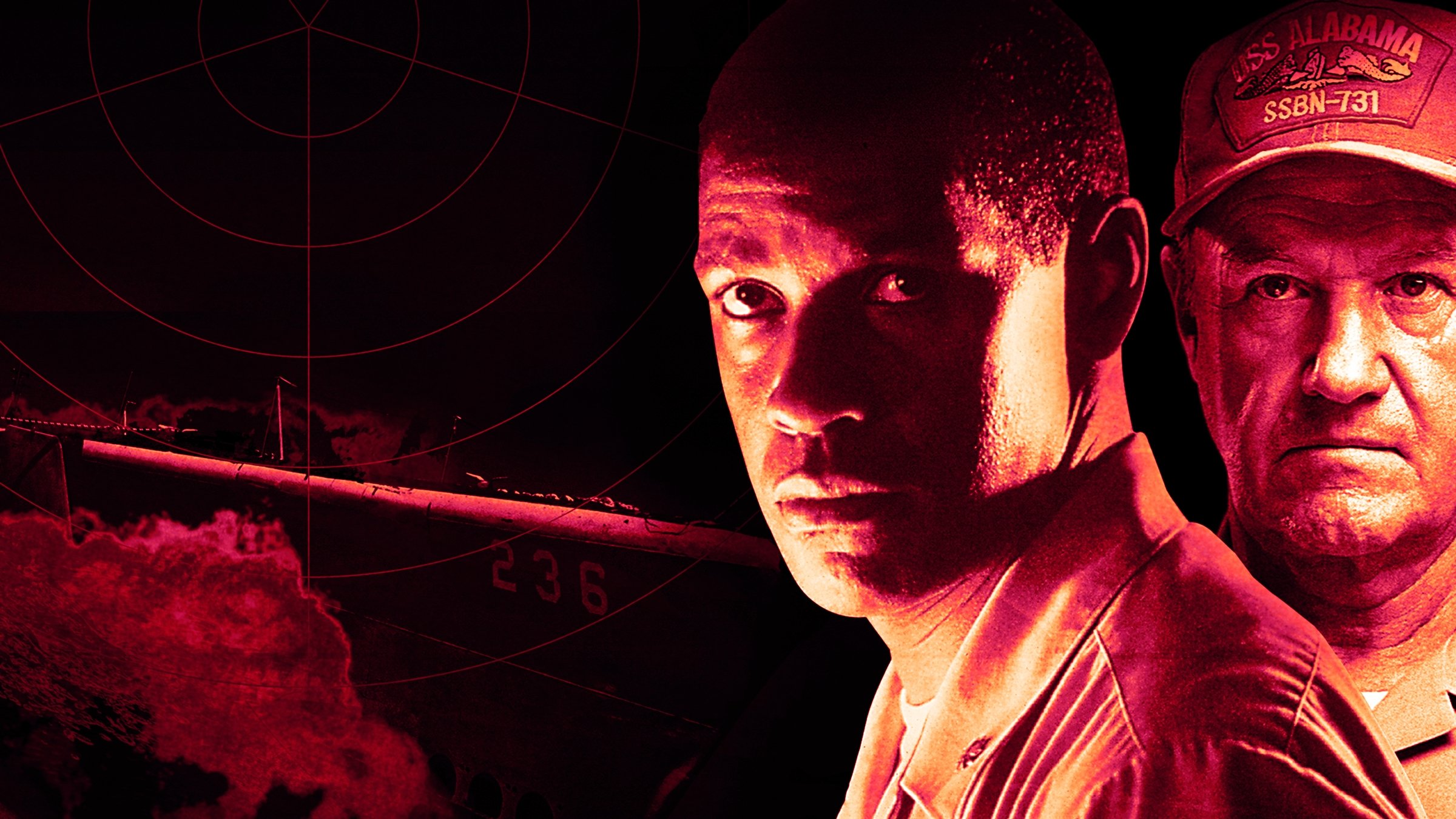

Tony Scott · 1995
Crimson Tide
Two men, one boat, no clean way to be right.
Put this on when the night needs dialogue that keeps tightening the screws.
Taste, pressure, rewatch gravity
Cinema One is built for the kind of movie fan who wants the pressure system, the rewatch reason, the filmmaker logic, and the argument underneath the cool scene everyone quotes.
Weekly pulse updated May 28
A compact pulse check for the living shelf: new spine DNA, breadth lanes, rewatch prompts, and the audience loop that turns a good request into editorial work.
This pass tightens the top rail around what changed inside Cinema One: authored page work, cleaner watch paths, and a visible signal loop before the visitor falls into the catalog.
Returning visitors should feel the room has been touched by a person this week, with sharper reasons to move from homepage heat into the shelf.
Cinema One homepage pass / May 28
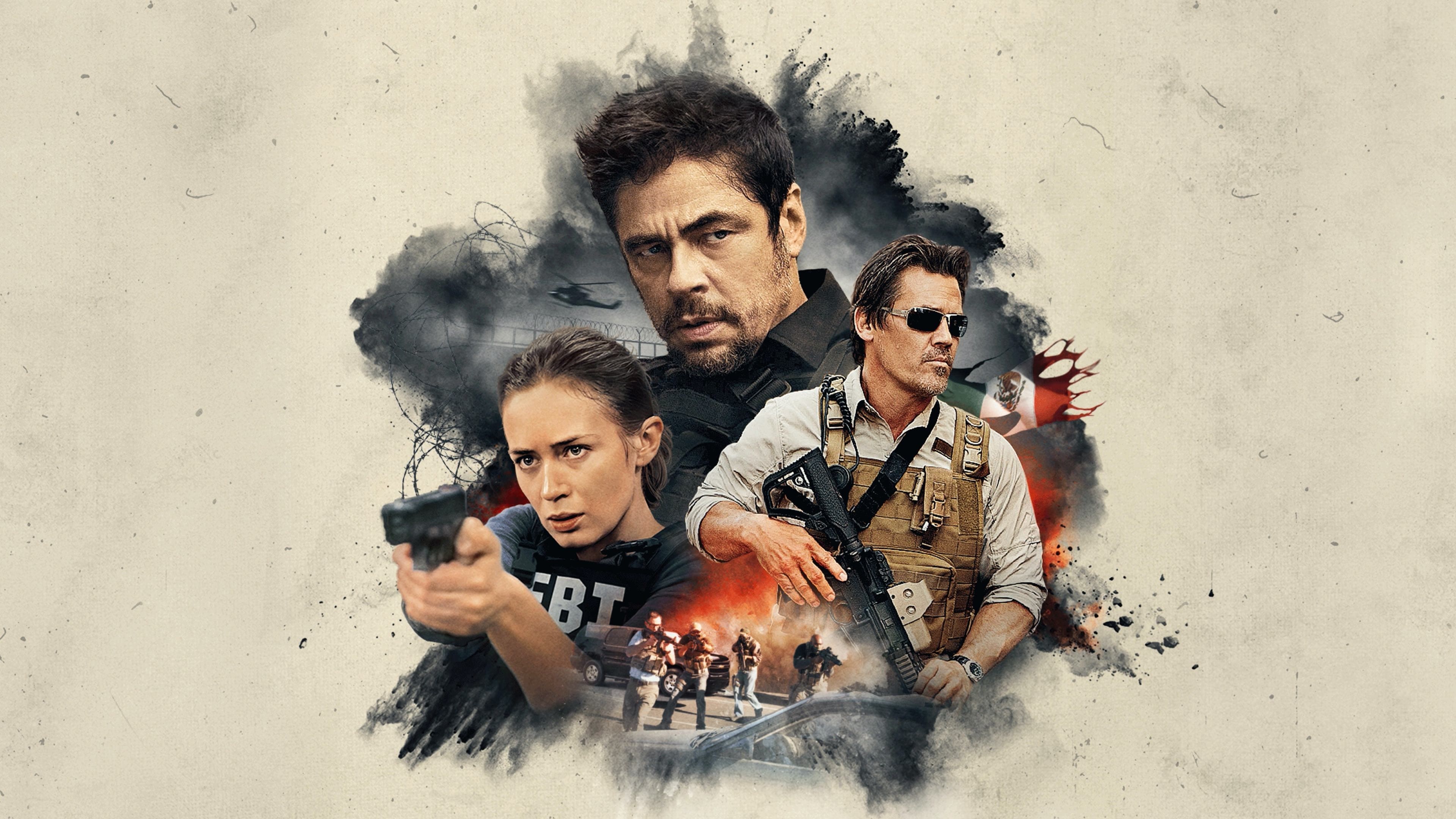
Crimson Tide, Panic Room, and Sicario are the useful route back into the shelf: sealed spaces, procedure, moral fog, and movies where the room keeps shrinking around the people inside it.
The archive should behave like a watch path, not storage. This points a current visitor toward a specific appetite with enough craft pressure to justify the click.
Cinema One tension shelf / May 28
The homepage can invite corrections, missing-scene cases, and image flags because the public loop is visible and the production gate stays honest about persistence before broader launch heat.
Cinema One should feel alive without pretending every back-room system is magic; the signal desk is a public promise with a deployment check attached.
Deploy confidence watch / May 28
Requests, corrections, and image flags can move from visitor impulse into First Cut review without becoming loose chat noise.
Supabase connected

Behind the scenes / The Dark Knight
The frame makes Nolan’s scale physical: camera, height, city geometry, and crew all arranged around Gotham as a real location rather than digital wallpaper.
These are not wallpaper drops. They are working photos: cameras, rigs, actors, directors, weather, rooms, bodies, and choices — the material that makes a movie page feel alive after you have already seen the film.
Source trail: Cinephilia & Beyond production gallery. Each homepage pick points back into a reviewed movie case, not a random image scrape.
A faster front-door rail for nights when the question is not “what is listed?” but “what kind of charge do I want right now?”

Style has to carry feeling
Start with the neon restraint, then follow the question into world-design and the style-versus-substance argument.

Systems can become action
Use the blockbuster rush as the front door into tech dread, control systems, and philosophy that still moves.

Dialogue can hit like impact
Follow command pressure from the submarine case into the tension lane and Tony Scott’s procedural heat.

A homepage shelf for podcast-style Cinema One debates: one active player, multiple arguments, and transcripts for deeper reading.
Featured audio shelf
Control, violence, and second-viewing cinema
A sharp two-voice debate on control, violence, rewatchability, and why Tarantino feels like a record collection while Fincher feels like a case file.
“They each have the thing the other gave up to get good.”
A front-door signal board: the strongest cases are already alive, and the open gaps are treated like editorial assignments instead of empty boxes.
Morning launch watch
Ready to browse
141 movie cases have enough authorship to reward a first visit.
Signal intake
Supabase-backed requests can move straight into review without losing audience context.
Next pressure pass
Page has structure but still needs sharper teeth. This is the clearest editorial gap to close next.
Persistence gate
Production-safeSupabase intake is wired, so launch feedback can survive the first traffic spike instead of becoming loose notes.
Editorial gate
10 pressure checksRequiem for a Dream is the next obvious smoke test because page has structure but still needs sharper teeth.
Atmosphere gate
6 BTS files6 reviewed behind-the-scenes photos now give the homepage visible craft texture before a visitor chooses a movie.
Homepage route
ReadyThe front door now exposes taste routes, signal intake, coverage pressure, and image atmosphere in one readable pass.
Inquiry route
PersistentAudience notes can land in Supabase and move into the First Cut review loop.
Coverage route
10 queuedNext editorial smoke target: Requiem for a Dream.
Image route
12 framesThe launch atmosphere has enough cached movie imagery to feel cinematic before a user opens a shelf.
Taste routes
141 movies, 56 directors, 18 collections, and 81 articles now point toward appetite, argument, and filmmaker pressure.
Editorial heat
141 strong cases are carrying the room, with 10 pressure passes and 0 open gaps still worth sharpening.
Audience signals
Requests and corrections land in the First Cut review queue, where a useful note can become a sharper movie case.
Image atmosphere
12 background frames, 6 story images, and 6 reviewed production-photo files give the front door a lived-in movie-room pulse.
Taste beats inventory
The spine is simple: every movie points back to why it sticks — tension, style, dialogue, endings, rewatches, mood, and the scene that unlocks it.

Start here
Each path connects a movie, a taste shelf, filmmaker context, and, when available, an argument so the homepage behaves like a guided video-store clerk, not a menu of parts.

If you want tension
Start with one command-pressure machine, then follow the lane, the filmmaker context, and the argument it keeps starting.

If you want psychological charge
Move from Fincher’s signature anxiety into the identity-trap shelf and the essays that show the machinery.

If you want scale
Use Nolan as the front door into cathedral-scale spectacle where structure traps feeling instead of smothering it.
If you want procedure
Enter through Bigelow’s decade-long hunt, then follow the pressure into command rooms, moral residue, and the women-director lane that belongs here on taste.
Launch spine now visible
Cinema One is not growing by dumping titles into rows. These two lanes show why recent launch additions matter: Thomas-library rewatch engines on one side, breadth and women-directed pressure on the other.
Thomas Library Spine
Cult/action spine · rewatch engine
The owned-shelf DNA is strongest when muscle turns into survival horror instead of nostalgia wallpaper.
Argument gravity · cult sci-fi
A Thomas-ready cult title that lets the room enjoy the bug war while noticing the propaganda machine selling it.
Procedure motion · spy pressure
Modern action as self-diagnosis: maps, exits, passports, and a body that remembers before the mind does.
Women-directed breadth
Bigelow procedure · Kathryn Bigelow
Women-director breadth with real Cinema One appetite: case-file obsession, command rooms, and moral residue.
Social dread · Karyn Kusama
Kusama turns dinner-party politeness into a pressure room where grief, belief, and suspicion all have teeth.
Memory as trap · Sofia Coppola
A quieter launch lane that proves breadth here can mean atmosphere, mythmaking, and damage under pretty surfaces.
Sunday night pressure test
A tighter homepage lane for the practical question that actually matters at night: what do I put on when I want the movie to grab the room and keep applying pressure?

Tony Scott · 1995
Two men, one boat, no clean way to be right.
Put this on when the night needs dialogue that keeps tightening the screws.

David Fincher · 2002
Architecture turns into a trap with a pulse.
Use it when you want clean spatial suspense instead of noisy thriller sludge.

Denis Villeneuve · 2015
The border becomes a machine for moral disorientation.
Queue it when the appetite is dread, procedure, and beautiful images with bad news inside them.
Scene wall / production wall
The wall now mixes finished-movie appetite with BTS evidence, so the path from signature scene to camera, rig, location, and director choice stays visible.

Finished image

BTS / Cinephilia & Beyond production gallery
Notice the authorship in the physical placement: big-city realism is being engineered, not simply captured.

BTS / Cinephilia & Beyond production gallery
The digital-age feeling is being built through analog stunt discipline.

BTS / Cinephilia & Beyond production gallery
Notice how Nolan’s practical-scale obsession shows up before the spectacle becomes abstract.

BTS / ShotOnWhat
For a movie this minimal, seeing the work around stillness makes the restraint feel deliberate.
Cinema One connects audience taste to editorial judgment: send a movie case, correction, or pressure signal, then let useful signals become sharper pages instead of random sprawl.
1. Raise a case
Ask for a movie, scene, correction, image fix, or taste shelf with one concrete reason it belongs in the room.
2. First Cut reviews it
Useful notes get matched against the coverage queue, Thomas Library Spine, image repair needs, and current launch gaps.
3. Shipped signals sharpen pages
The winning signal becomes a stronger movie case, cleaner image, better pathway, or argument someone can actually follow.
Priority lanes

Director pathways
Each lane now routes to a director dossier, a live movie page, a taste shelf, and the argument that explains why the path belongs on Cinema One.
David Fincher
Use Fincher as the route into movies where systems, identity, and procedure start tightening around the viewer.
Christopher Nolan
Follow Nolan when spectacle works because the structure itself applies pressure and keeps asking for another watch.
Quentin Tarantino
Trace Tarantino into scenes where talk, rhythm, threat, and pleasure become the action before the violence arrives.
Editorial movie pages

David Fincher
Fincher turning masculine collapse, consumer disgust, and self-destruction into a corrosive pop object.

Christopher Nolan
A dream-heist blockbuster where architecture, grief, and action grammar keep folding into the same trap.

Christopher Nolan
The blockbuster as moral pressure system, where escalation is the point.

Quentin Tarantino
The seismic Tarantino breakthrough, where structure, talk, violence, and pleasure all hit at once.

Francis Ford Coppola
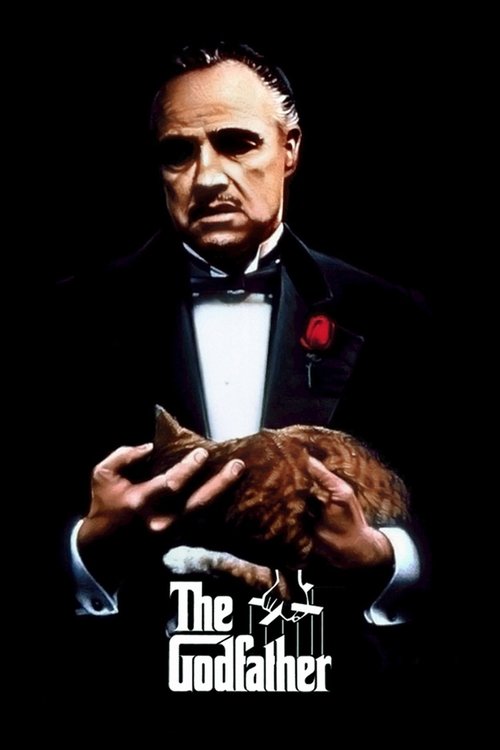
The crime saga as family tragedy, ritual, and inheritance engine.

Francis Ford Coppola
The sequel that widens the empire while narrowing the soul.
Best in / why now / debate

True Romance keeps its charge because Tony Scott never treats style as armor against feeling. The movie is full of pop surfaces, quotable dialogue, and criminal-couple fantasy, but what gives it afterlife is that the love story is not a joke or a pose. The sincerity is the voltage source.
Enemy of the State has aged well because it understands that modern fear is often infrastructural. The movie does not need prophecy-level precision to work. It just needs to show how quickly privacy, movement, employment, and public identity can collapse once surveillance systems align against an ordinary person.
Blade Runner lasts because it does not treat worldbuilding as background. Ridley Scott turns the city, weather, and industrial exhaustion into the emotional medium of a movie about artificial life, fading memory, and what counts as a soul under technological modernity.
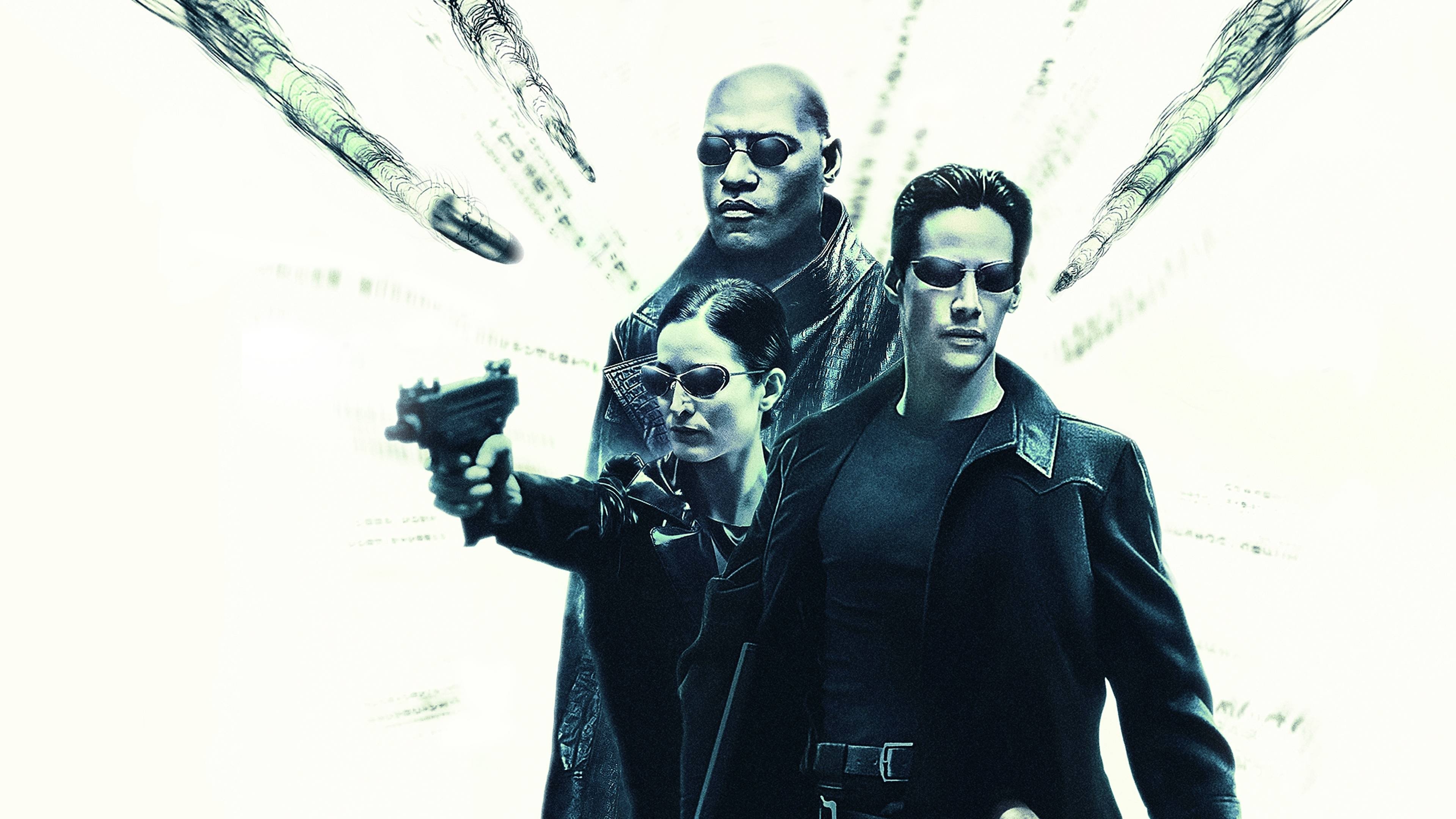
The Matrix works because the Wachowskis make abstract ideas playable. Control systems, false reality, awakening, and liberation all arrive through action grammar so clean that the movie can teach its audience how to think while still feeling like a rush.
The case for The Dark Knight is not just scale or performance hype. It is that Nolan turned a studio event movie into a system of pressure, ethics, fear, and sacrifice without losing propulsion.
Inception earns its status because the movie makes layered rules, grief, and spectacle feel legible at the same time. It is a puzzle box that still moves like mass entertainment.
Audience argument
Give Cinema One the movie you keep defending — the one people dismiss, misread, or underrate — and make the case in a few sharp lines.
Upcoming watchlist
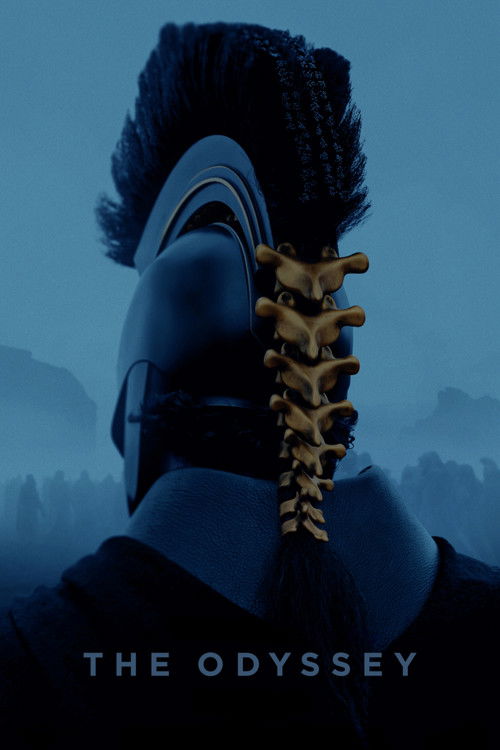
Nolan turns Homer into the next great event-cinema file: gods, monsters, homecoming, IMAX scale, and a campaign worth tracking frame by frame.
Christopher Nolan wrote and directed the film, adapting Homer’s The Odyssey.
Track every official trailer/poster/still for the balance between grounded survival adventure and full mythic fantasy.
A legacy-weight watch page built around Tarantino’s self-declared final-film myth before the movie itself is public.
Tarantino has long framed his next directed feature as his likely tenth and final film.
A new title registration or trade-confirmed package would immediately change the page from abstract legacy watch to concrete production file.
A high-interest crossover watch item where Tarantino material, Fincher direction, and Cliff Booth all collide.
David Fincher is reportedly directing.
Script details or an official title lock would clarify whether this is a side story, sequel, or tonal pivot.
The Villeneuve watch item that matters because it turns prophecy into consequence instead of mere franchise continuation.
Denis Villeneuve has positioned Dune: Messiah as the next key step if he returns to the saga.
A confirmed production start or release window would move the page into a more concrete tracking phase immediately.

Command decisions, brinkmanship, pressure, and movies that tighten the screws scene by scene.
Big visual identity, mythic energy, and movies that know exactly how they want to look and feel.
Movies built for return visits, momentum, quotability, texture, and pure replay value.
A movie shelf built around pressure systems, signature scenes, rewatches, and related films that actually rhyme.
Filmmaker lanes built around operating systems: control, scale, danger, procedure, style, and obsession.
A control room for the strongest cases, the next pressure passes, and the director lanes gaining heat.
Easter eggs and scorecards that teach the taste model: pressure, structure, dialogue, and rewatch gravity.
Cinema One connects director systems, movie cases, taste shelves, arguments, and upcoming watch signals into one living map.