The Conversation
Find the movies with rewatch gravity, live dossiers, and unfinished cases worth deepening.
Movie dossier
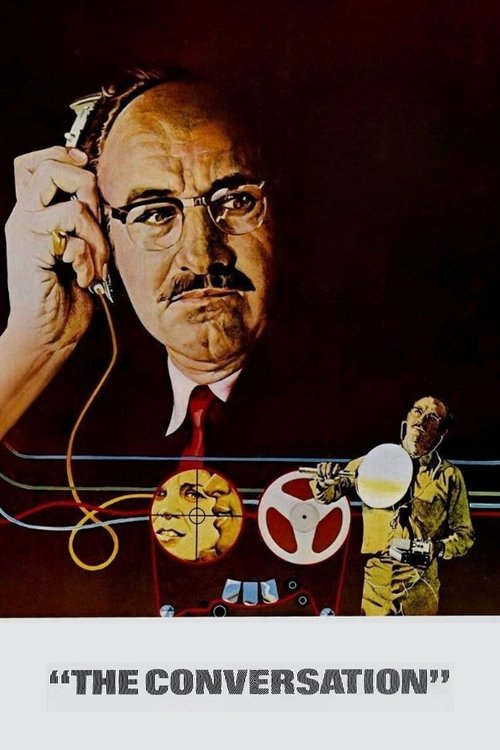
The Conversation
Coppola’s surveillance masterpiece turns eavesdropping, guilt, and spiritual unease into a thriller of private collapse.
Latest video signal
Trailer slot ready
A widescreen slot for the newest official trailer, interview, or scene signal when the page has a playable source.
Why it matters
The Conversation matters because it understands surveillance as a condition of the soul before it becomes a tech-policy talking point. Coppola turns Harry Caul into a man professionally built to listen without belonging, then shows how paranoia and conscience slowly eat through that protective shell.
Craft read
A mystery-thriller built from repetition, interpretation, and dread instead of brute action
Muted urban loneliness, audio fragments, and spiritual rot tightening around one man
One of the essential American paranoia films and a key bridge into surveillance cinema
Themes
Cast and context
Francis Ford Coppola currently has 4 live movie pages in Cinema One.
View director pageCoverage status
A fully shaped Cinema One case: the movie has enough authored context, pathway links, and argument to feel like more than a catalog entry.
Production notes
- • Walter Murch’s sound design is the movie’s real suspense engine because meaning keeps changing as the recording changes.
- • Gene Hackman plays Harry Caul as a man who has mistaken technical control for emotional protection.
- • A core page for Cinema One’s paranoia, surveillance, and system-anxiety lanes.
Watch-next pathway
What should you do after The Conversation?
Three intentional continuations: stay with the filmmaker, chase the dominant pressure signal, or jump into the shelf or argument that best explains why this movie belongs here.
The Godfather
The cleanest next move if Francis Ford Coppola's control, obsessions, or rhythm are what hooked you here.
More surveillance
Use the taste map to find movies, arguments, and shelves that share this page's strongest signal.
Master of Suspense
Voyeurism, pursuit, wit, and movies that make point of view feel dangerous.
Movie-page argument
Defend The Conversation.
If this movie has a scene, performance, ending, or idea people underrate, make the case. The best defenses can become future Cinema One argument material.
Scene challenge
Pick the scene that proves it.
Cinema One is built around scenes that unlock the movie. Tell us which moment carries the pressure, style, argument, or rewatch charge.
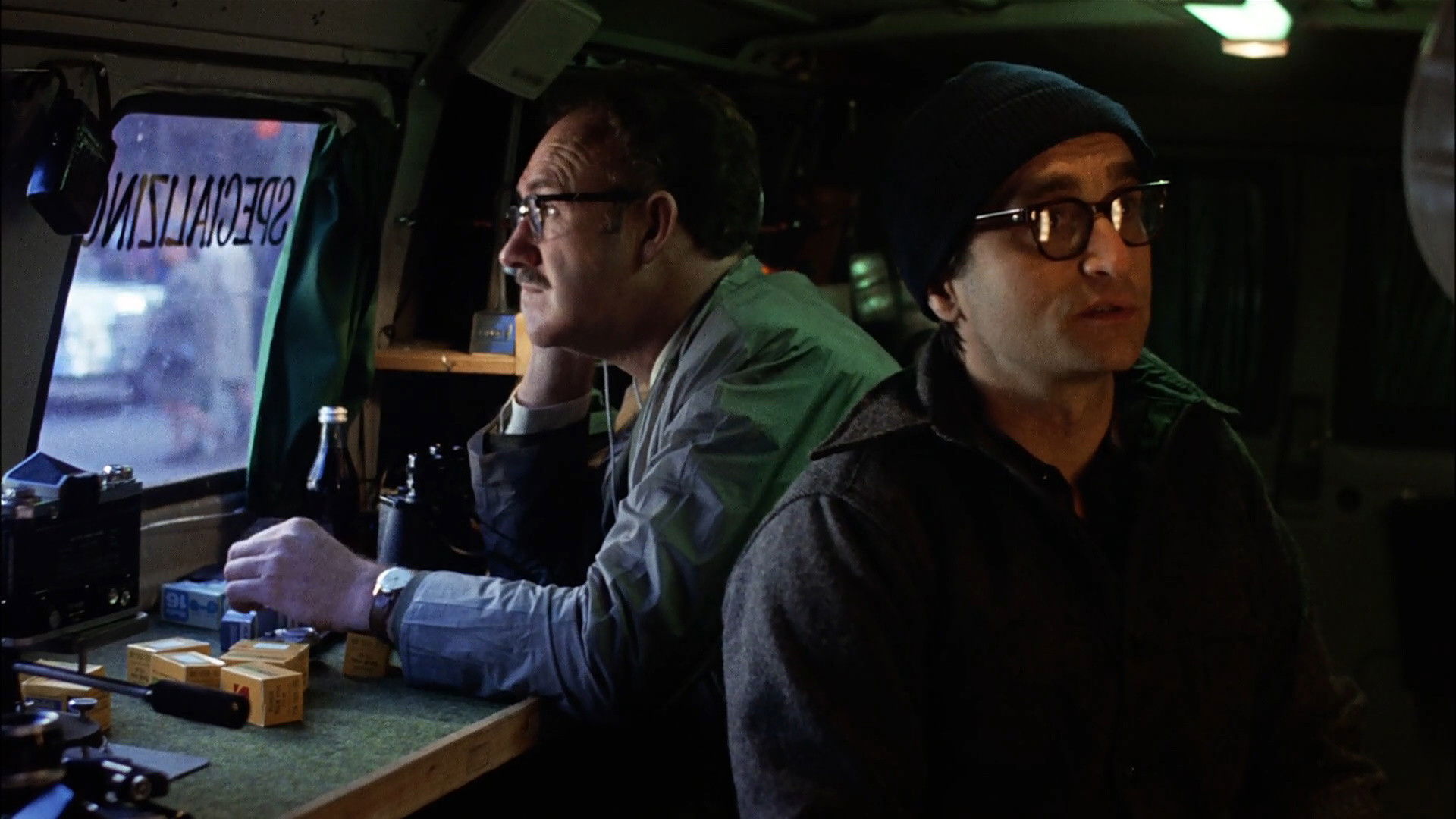
Signature scene: the Union Square recording turns into obsession
The park sequence matters because Coppola makes ordinary public space feel instantly unstable once it is reduced to fragments of overheard speech. The brilliance is not just that Harry records the couple, but that the movie teaches us how interpretation itself becomes a trap, with each replay making him less certain and more implicated.
Line worth carrying forward
"I don’t care what they’re talking about. All I want is a nice fat recording." The line is Harry Caul trying to defend himself with professionalism, and the movie exists to prove that this boundary is morally impossible. It is one of the great self-protective lies in 1970s American cinema.
Why the ending lands like spiritual demolition
The ending is devastating because The Conversation refuses the comfort of solved paranoia. Harry tears apart his apartment searching for the bug and ends the movie surrounded by wreckage, but the deeper point is that surveillance has already colonized his inner life. There is nowhere left to retreat to, not even privacy inside the self.
Steelman the debate
A fair criticism is that The Conversation can feel austere and withholding compared with flashier paranoia thrillers that externalize their danger more aggressively. The best defense is that austerity is precisely the pressure system. Coppola makes boredom, repetition, and emotional vacancy terrifying, which is why the film lingers long after louder thrillers burn off.
Shows up in
Voyeurism, pursuit, wit, and movies that make point of view feel dangerous.
Containment, distrust, infiltration, and movies that trap characters inside systems they can no longer verify.
Owned-shelf movies where the pleasure is watching capable people read rooms, rules, bodies, and consequences under pressure.
More from this director
Related picks
Read next
Coppola’s surveillance classic cuts deepest when you read it as a movie about professionalism failing to protect the conscience that hides behind it.
Tarantino’s debut still crackles because it treats the failed heist as an excuse to trap voice, ego, and suspicion in one room until everyone starts bleeding through their own performance.
Nolan’s opening matters because authored spectacle, format consciousness, ancient myth, and theatrical culture all became part of the same public event.