
Francis Ford Coppola
Move through filmmaker operating systems: control, rhythm, obsession, and the pages still missing their case.

Director dossier
Francis Ford Coppola
Coppola is one of the great architects of American epic cinema, a filmmaker who can make family, ritual, business, and violence feel operatic without losing intimacy.
A guided Francis Ford Coppola path
operatic scale + family systems in three moves.
Start here
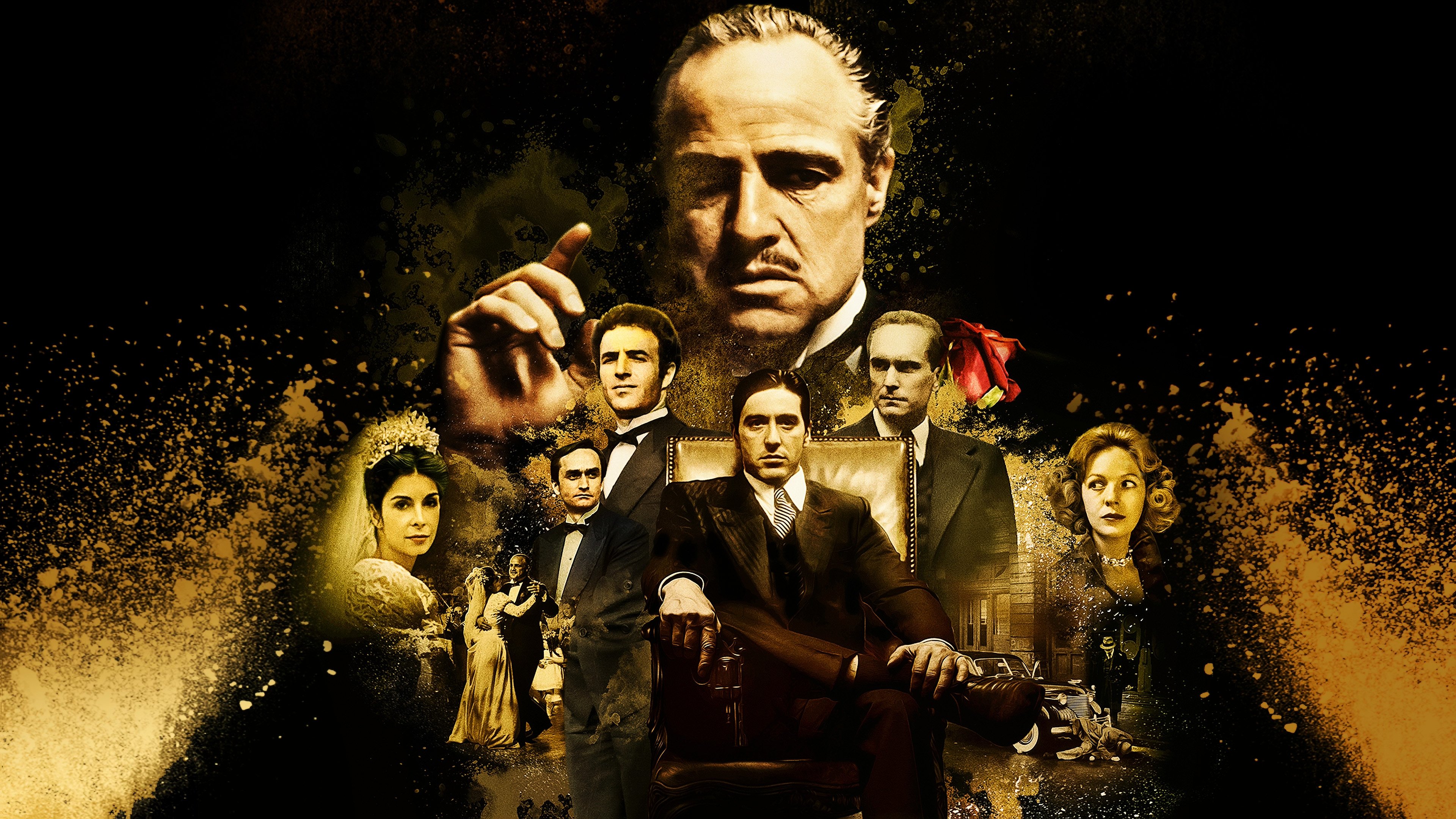
The Godfather
The canonical family-crime epic, intimate enough to feel domestic and huge enough to feel mythic.
Open film page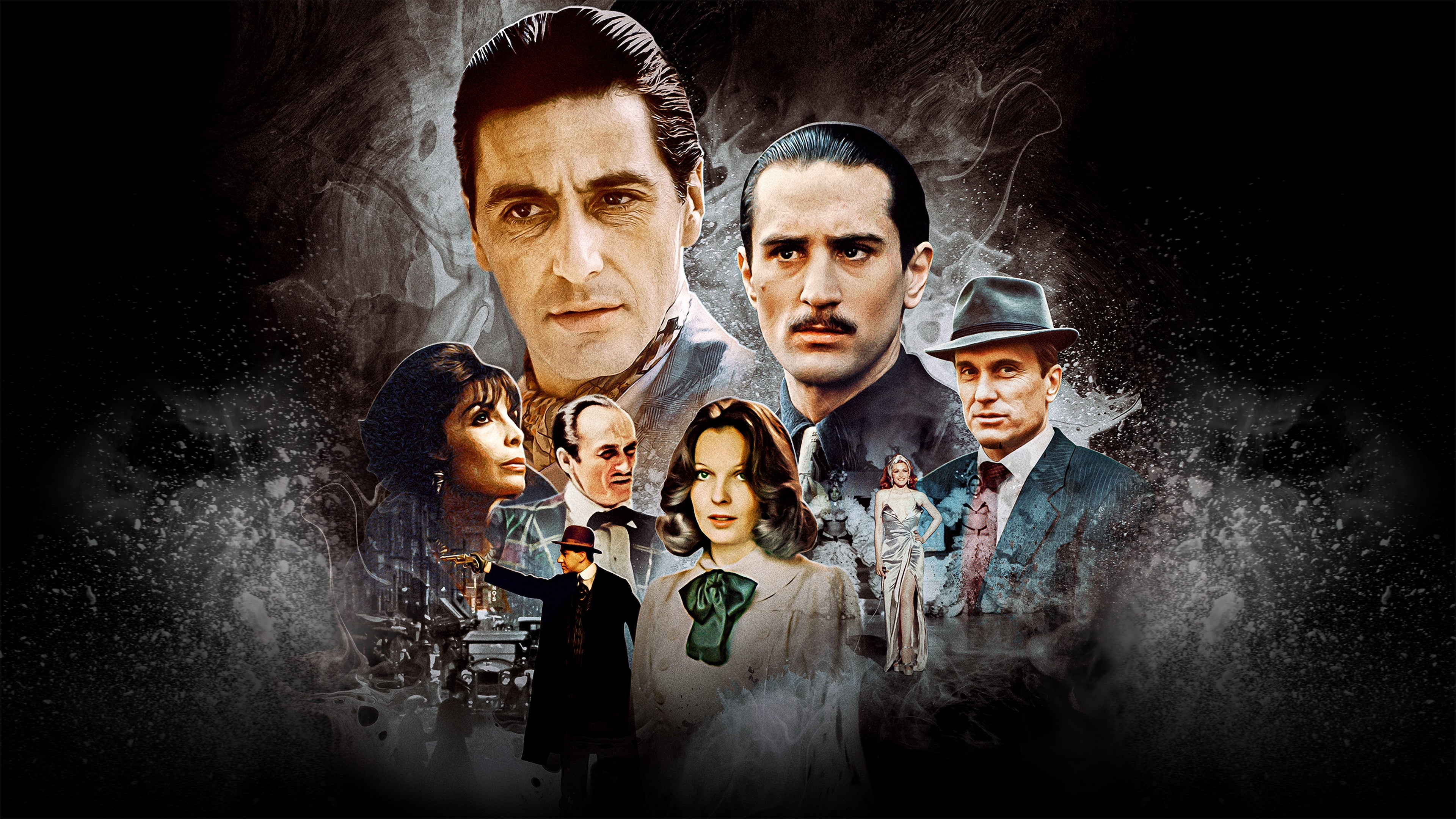
Then test the range
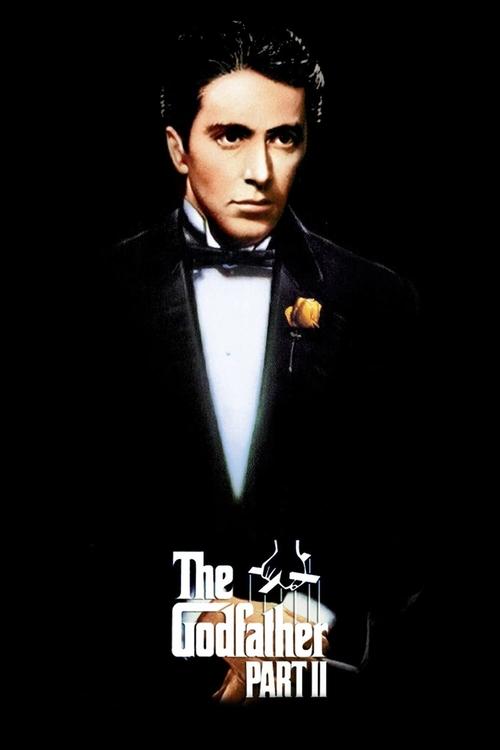
The Godfather Part II
A rare sequel that widens the world while turning the first film's tragic inheritance darker and colder.
Open film page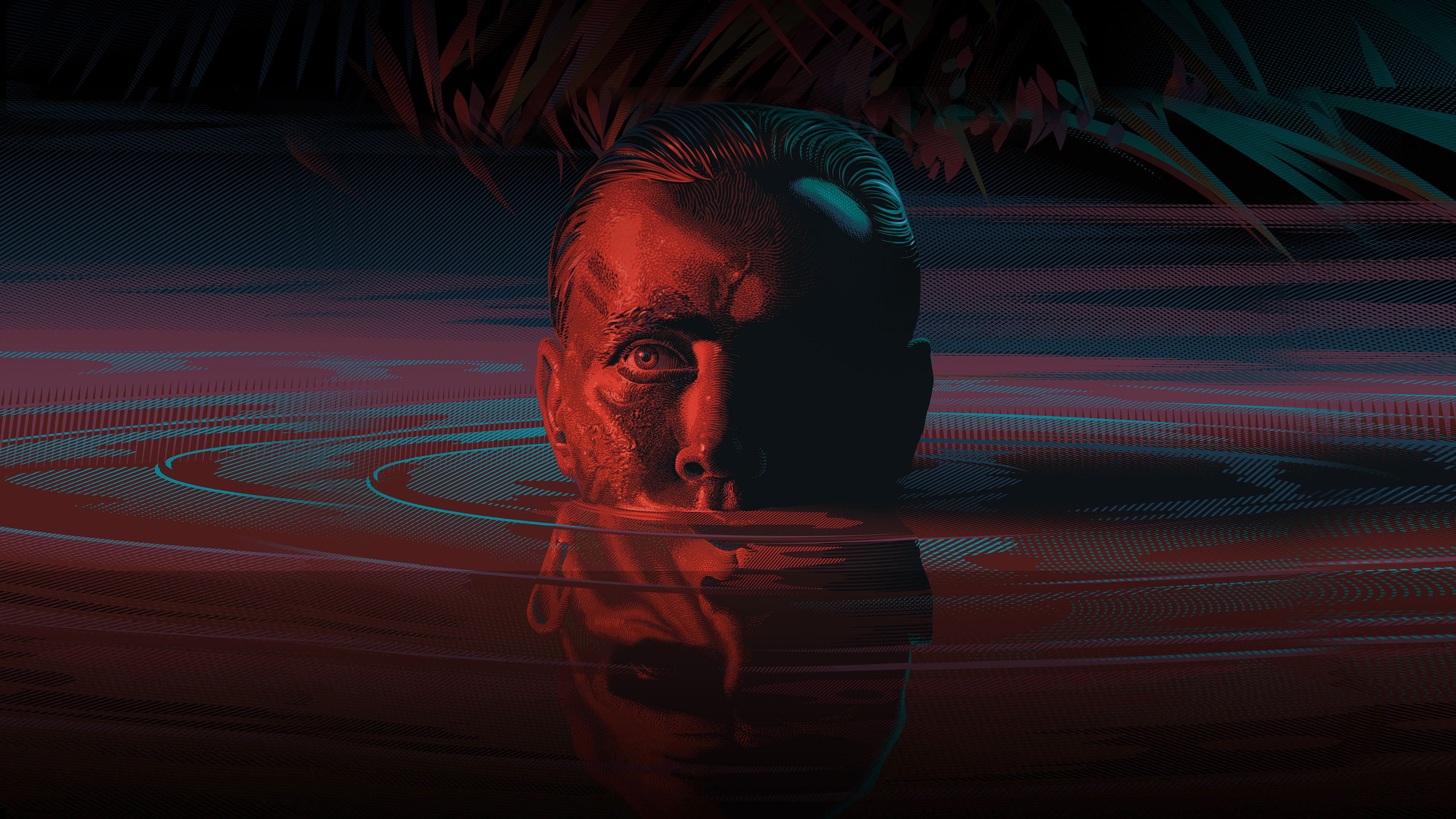
Finish the lane
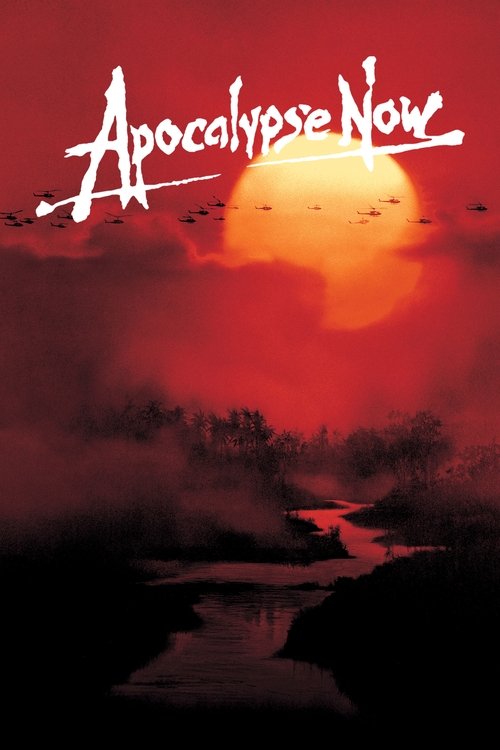
Apocalypse Now
War as delirium, excess, and descent, one of the defining American films of its era.
Open film pageWhy this director matters
For Cinema One, Coppola matters because The Godfather films are foundational canon, but also because his best work is about institutions, inheritance, guilt, and the cost of power, all core lanes for the product.
Signature traits
Notable works
Tracked filmography
An early road movie that already shows Coppola's interest in emotional drift and damaged connection.
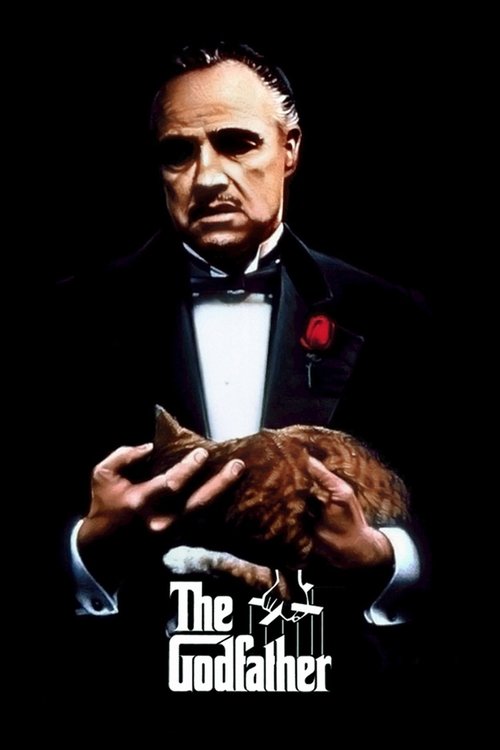
The canonical family-crime epic, intimate enough to feel domestic and huge enough to feel mythic.
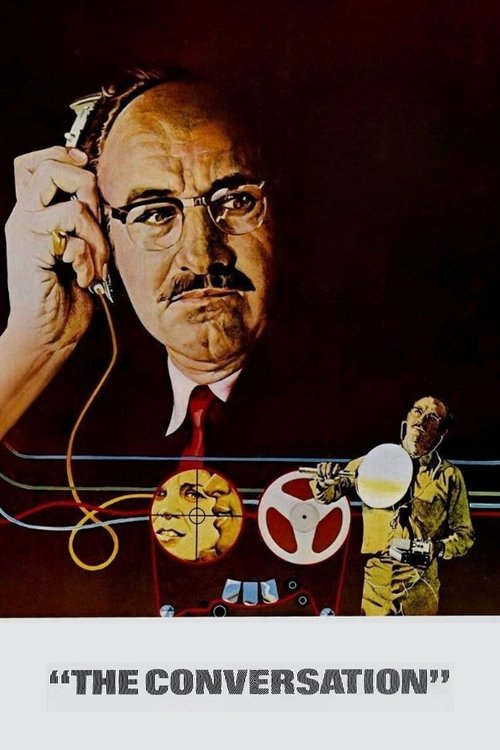
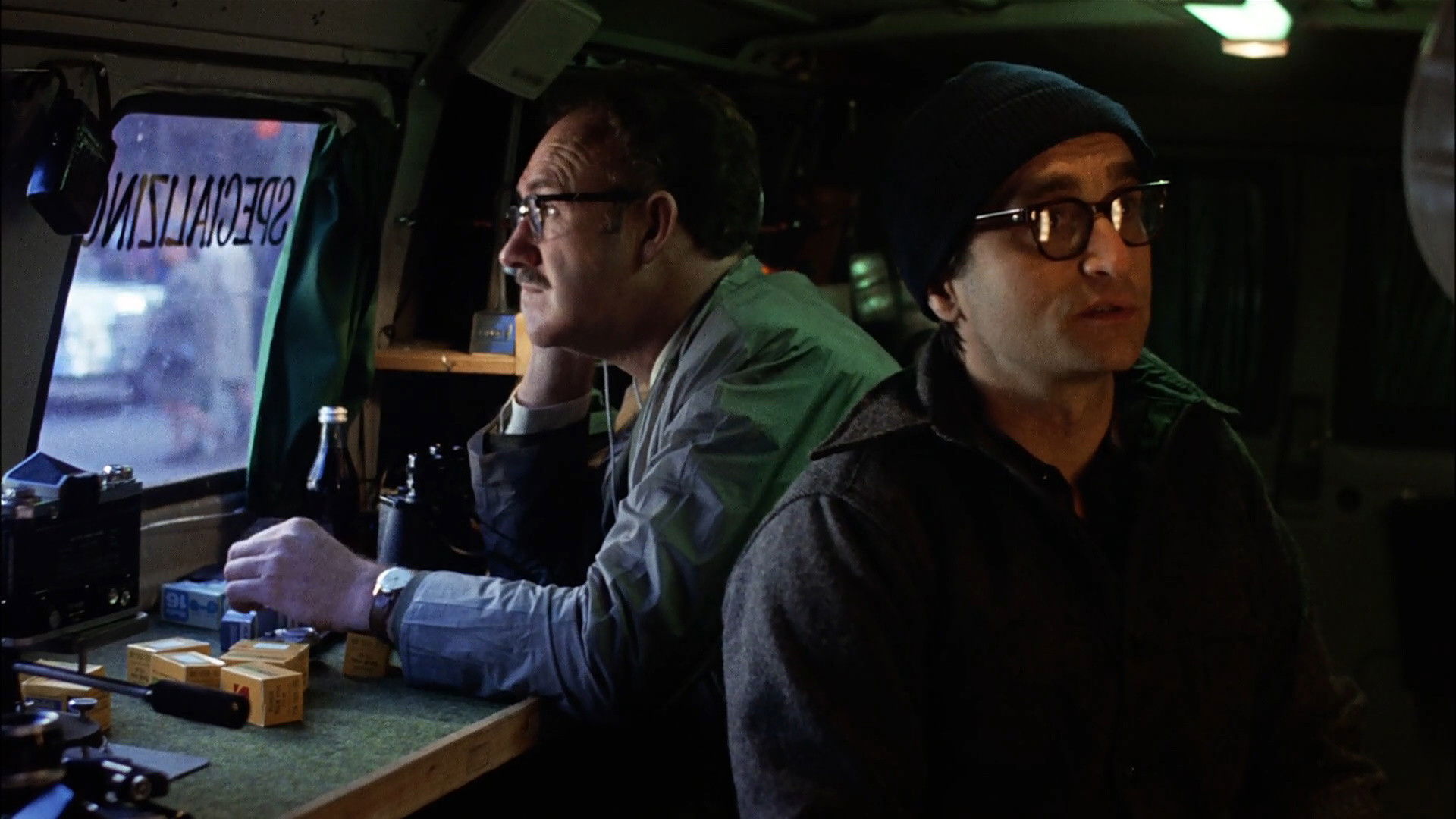
Open movie pageA surveillance thriller of guilt, paranoia, and private spiritual collapse.
Open movie pageA rare sequel that widens the world while turning the first film's tragic inheritance darker and colder.
Open movie pageWar as delirium, excess, and descent, one of the defining American films of its era.
Open movie pageA famously costly studio gamble, but also a key example of Coppola's stylized romantic ambition.
A lyrical black-and-white youth film with a dreamlike, deeply personal visual texture.
A sincere literary adaptation that keeps his interest in youth, class, and codes of belonging.
Baroque studio horror where visual excess becomes its own kind of seduction.
Late-career self-financed ambition on a scale only Coppola would attempt.