
Apocalypse Now
Find the movies with rewatch gravity, live dossiers, and unfinished cases worth deepening.
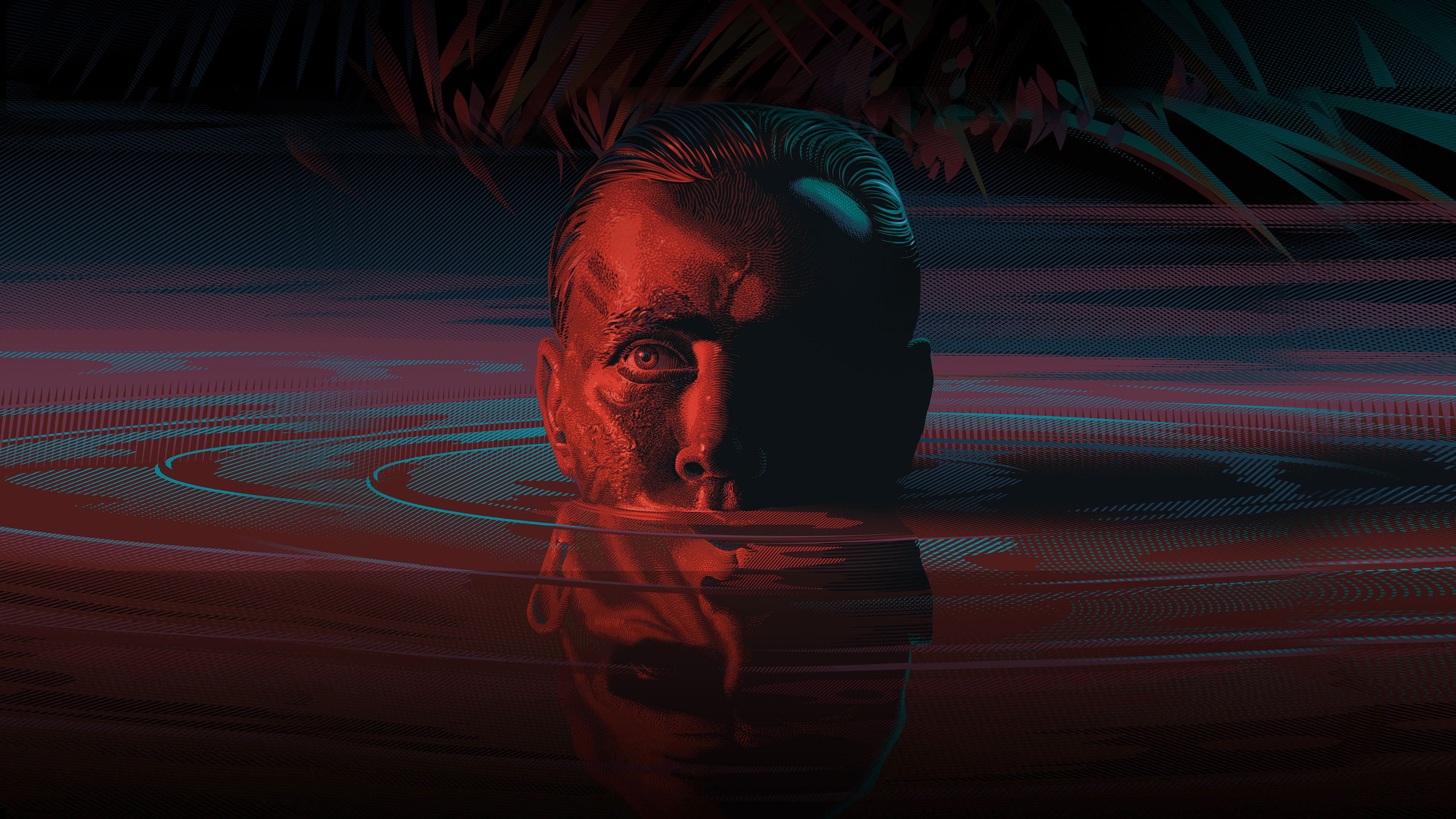
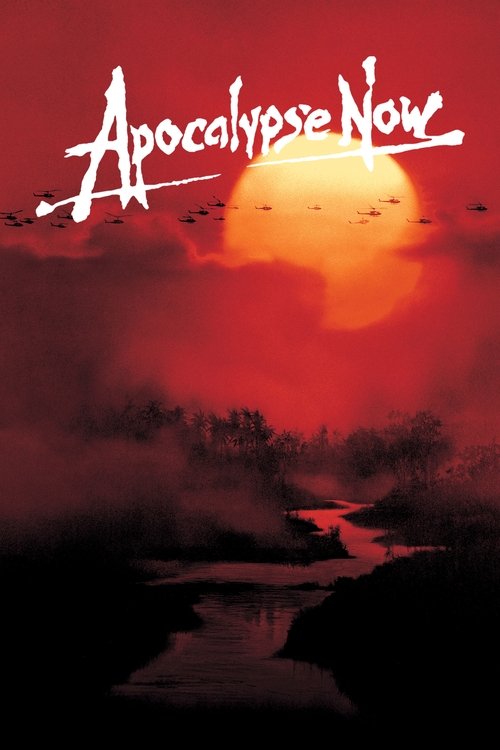
Movie dossier
Apocalypse Now
Coppola turns a war mission into an American fever dream about power, spectacle, and spiritual rot.
Latest video signal
Trailer slot ready
A widescreen slot for the newest official trailer, interview, or scene signal when the page has a playable source.
Why it matters
Apocalypse Now is essential to the Coppola lane because it expands Cinema One beyond family-crime canon into New Hollywood excess, wartime myth, and the terrifying charisma of institutions losing their moral center. It is not just a war film; it is a descent movie where command, performance, and madness keep becoming the same thing.
Craft read
Upriver journey built as escalating moral and sensory disorientation
Operatic production chaos transformed into overwhelming screen atmosphere
War presented as spectacle, ritual, bureaucracy, and nightmare at once
Themes
Cast and context
vietnam war • descent • madness • imperial power • new hollywood
Francis Ford Coppola currently has 4 live movie pages in Cinema One.
View director pageCoverage status
A strong case file with real editorial shape: enough craft, context, and connection to guide a serious watch.
Production notes
- • A major Coppola catalog gap is closed by giving this title a live movie page and a core authored dossier.
- • Coppola’s operatic sense of power mutates here into fever, command collapse, and imperial nightmare rather than family architecture.
- • Natural anchor for future New Hollywood, war-as-nightmare, and descent-structure collections.
Watch-next pathway
What should you do after Apocalypse Now?
Three intentional continuations: stay with the filmmaker, chase the dominant pressure signal, or jump into the shelf or argument that best explains why this movie belongs here.
The Godfather
The cleanest next move if Francis Ford Coppola's control, obsessions, or rhythm are what hooked you here.
More war
Use the taste map to find movies, arguments, and shelves that share this page's strongest signal.
The Godfather Part II
A nearby Cinema One pick when you want a different angle on war drama energy.
Movie-page argument
Defend Apocalypse Now.
If this movie has a scene, performance, ending, or idea people underrate, make the case. The best defenses can become future Cinema One argument material.
Scene challenge
Pick the scene that proves it.
Cinema One is built around scenes that unlock the movie. Tell us which moment carries the pressure, style, argument, or rewatch charge.
Signature scene: Kilgore stages war as a beach assault and a movie set
The helicopter attack is unforgettable because Coppola makes spectacle horrifying without denying its charge. Wagner, surf, explosions, and command swagger all collide until the sequence feels like a diagnosis of power performing itself while people are being destroyed.
Line worth carrying forward
“The horror. The horror.” survives because it is not an explanation. It is a collapse of language after the movie has spent its entire journey proving that ordinary moral vocabulary is too small for what has been seen.
Why the ending has to feel ritualistic
The ending works because it stops pretending the mission is merely tactical. Kurtz becomes an endpoint for the movie’s whole river logic, and Willard’s final act feels less like victory than inheritance, rejection, and contamination happening at once.
Steelman the debate
A fair critique is that Apocalypse Now can turn Vietnam into a grand male metaphysical nightmare, risking abstraction where history demands specificity. The strongest defense is that Coppola is exposing that very imperial abstraction from the inside: the movie is about a system so drunk on myth, performance, and command that reality becomes something it consumes.
Shows up in
Collection pathway still being shaped.
More from this director
Related picks
Read next
Coppola’s surveillance classic cuts deepest when you read it as a movie about professionalism failing to protect the conscience that hides behind it.
Coppola’s sequel expands the family saga by showing how empire building and moral collapse can feel like the same process.
Francis Ford Coppola's masterpiece transformed the crime genre and established the template for modern epic filmmaking.