
The Godfather Saga: How Coppola Redefined Epic Cinema
Francis Ford Coppola's masterpiece transformed the crime genre and established the template for modern epic filmmaking.
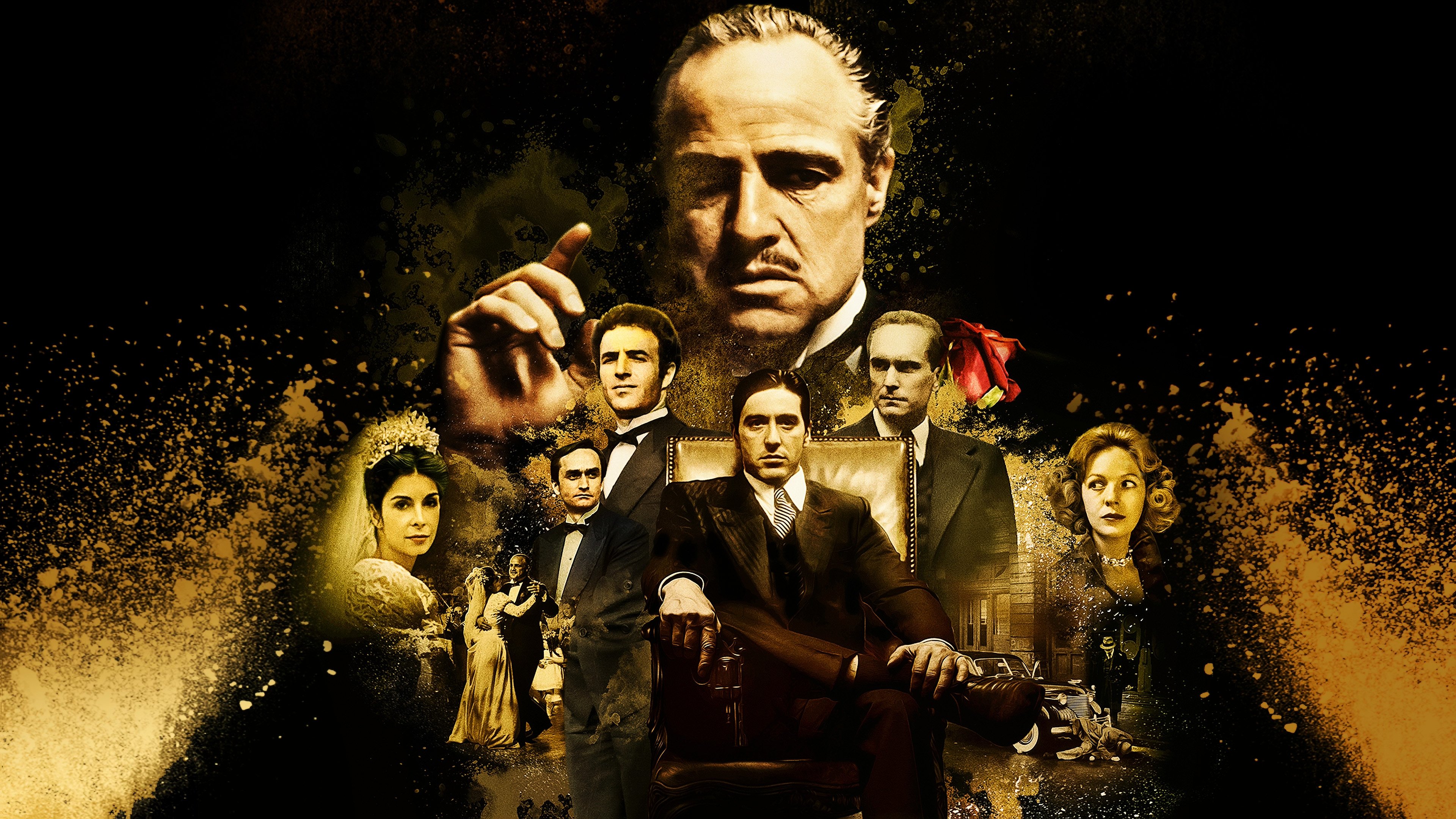
The Godfather does not just elevate the crime film. It re-scales it, turning family, power, ritual, and succession into something operatic without losing intimacy.
Michael Corleone's Arc
One of the reasons the film endures is the precision of Michael's transformation. Every compromise feels incremental until you realize the whole soul has shifted.
Visual Authority
Gordon Willis's shadows are not just beautiful. They create a moral atmosphere, one where power hides itself while still dominating every room.
Epic Without Bloat
The film is large in scope but never shapeless. Coppola keeps the movie tied to choices, glances, ceremonies, and rooms where futures quietly change.
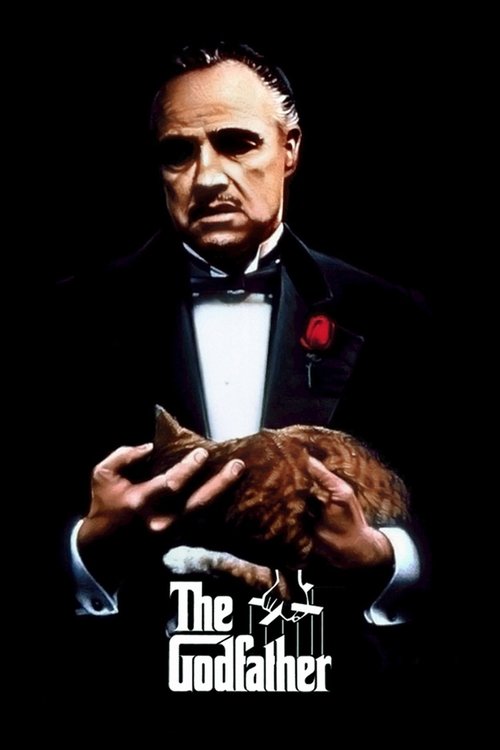
The Godfather
1972 • Francis Ford Coppola
An offer you can't refuse.
Movies to pair with this read
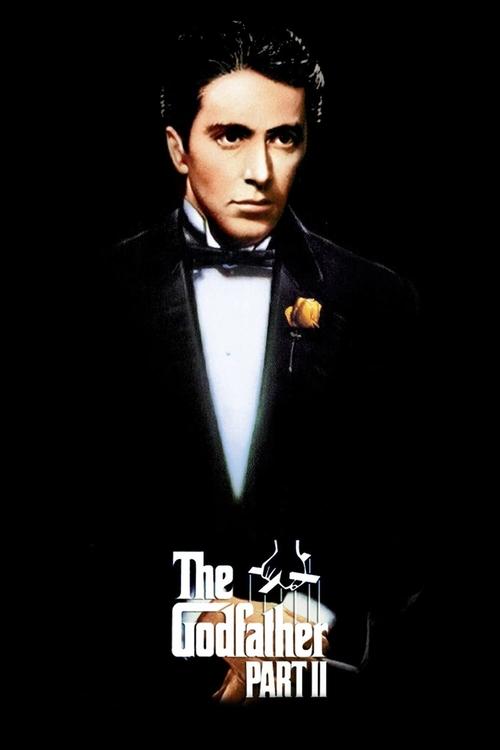


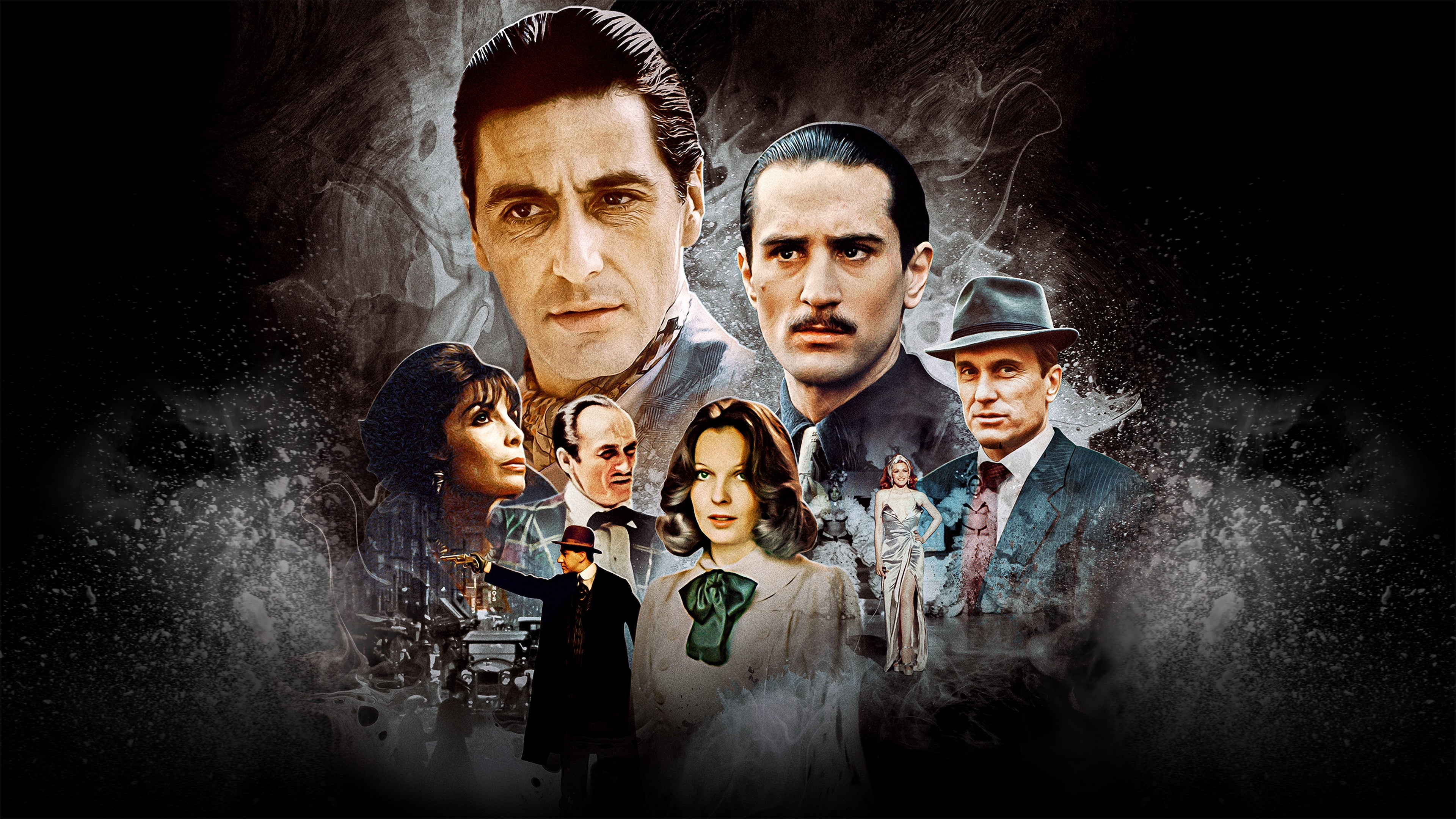
The Godfather Part II and the Inheritance Trap at the Center of Power
Coppola’s sequel expands the family saga by showing how empire building and moral collapse can feel like the same process.
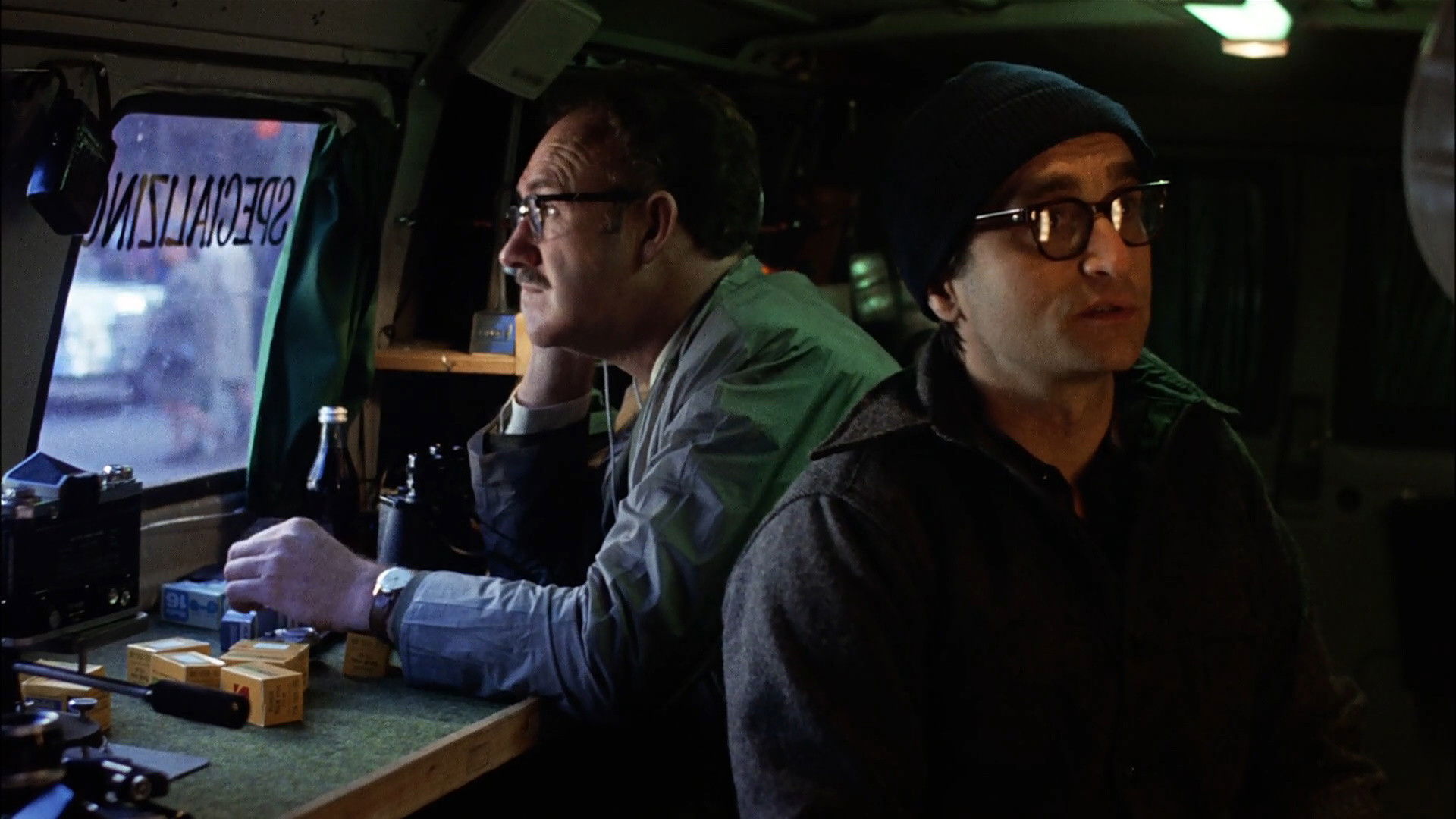
The Conversation and the Horror of Hearing Too Much
Coppola’s surveillance classic cuts deepest when you read it as a movie about professionalism failing to protect the conscience that hides behind it.
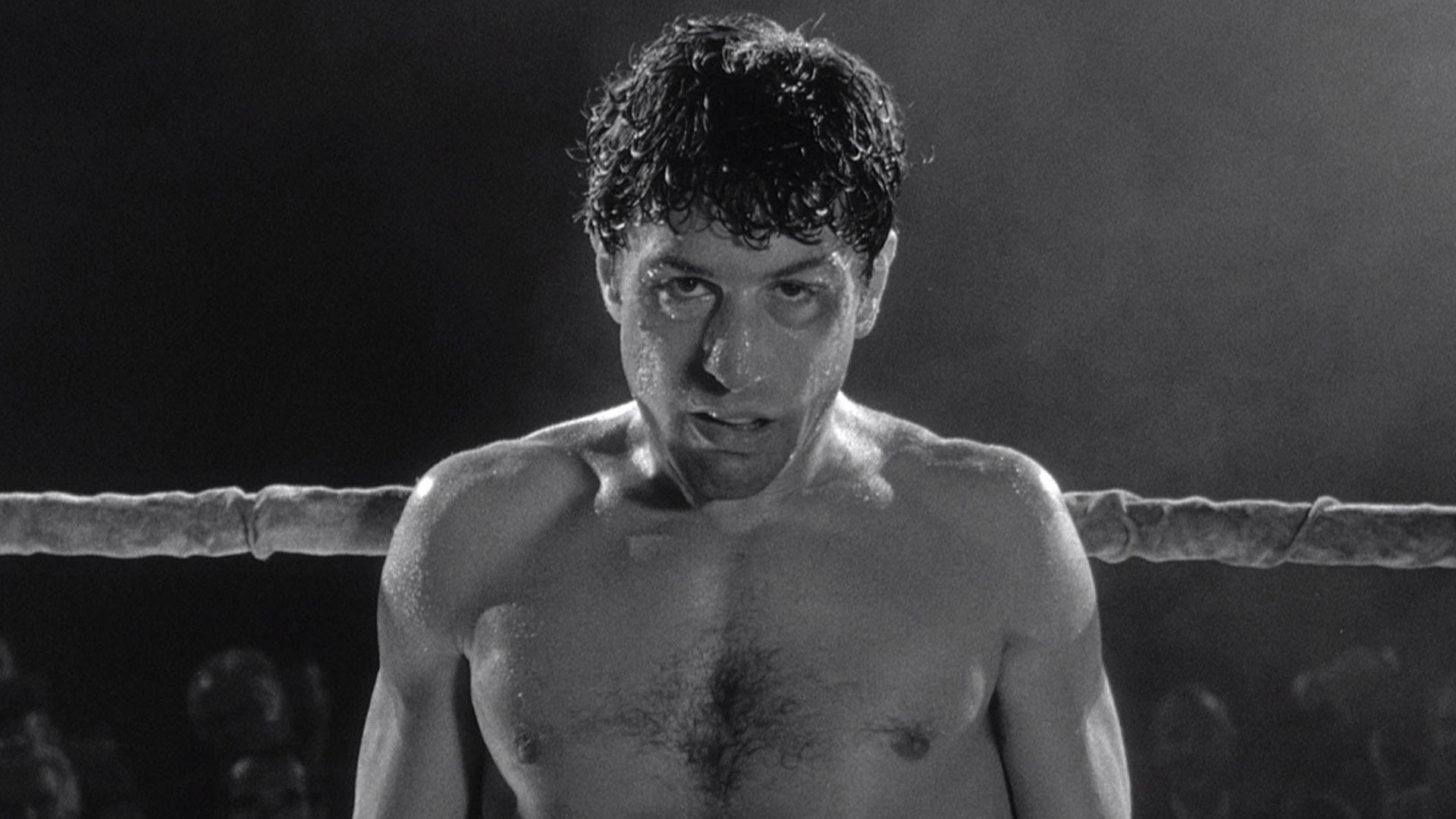
Raging Bull: When Formal Greatness Refuses to Save the Man at the Center
Scorsese’s boxing masterpiece hits so hard because it uses virtuosity to study a person who keeps turning love, work, and ambition into damage.
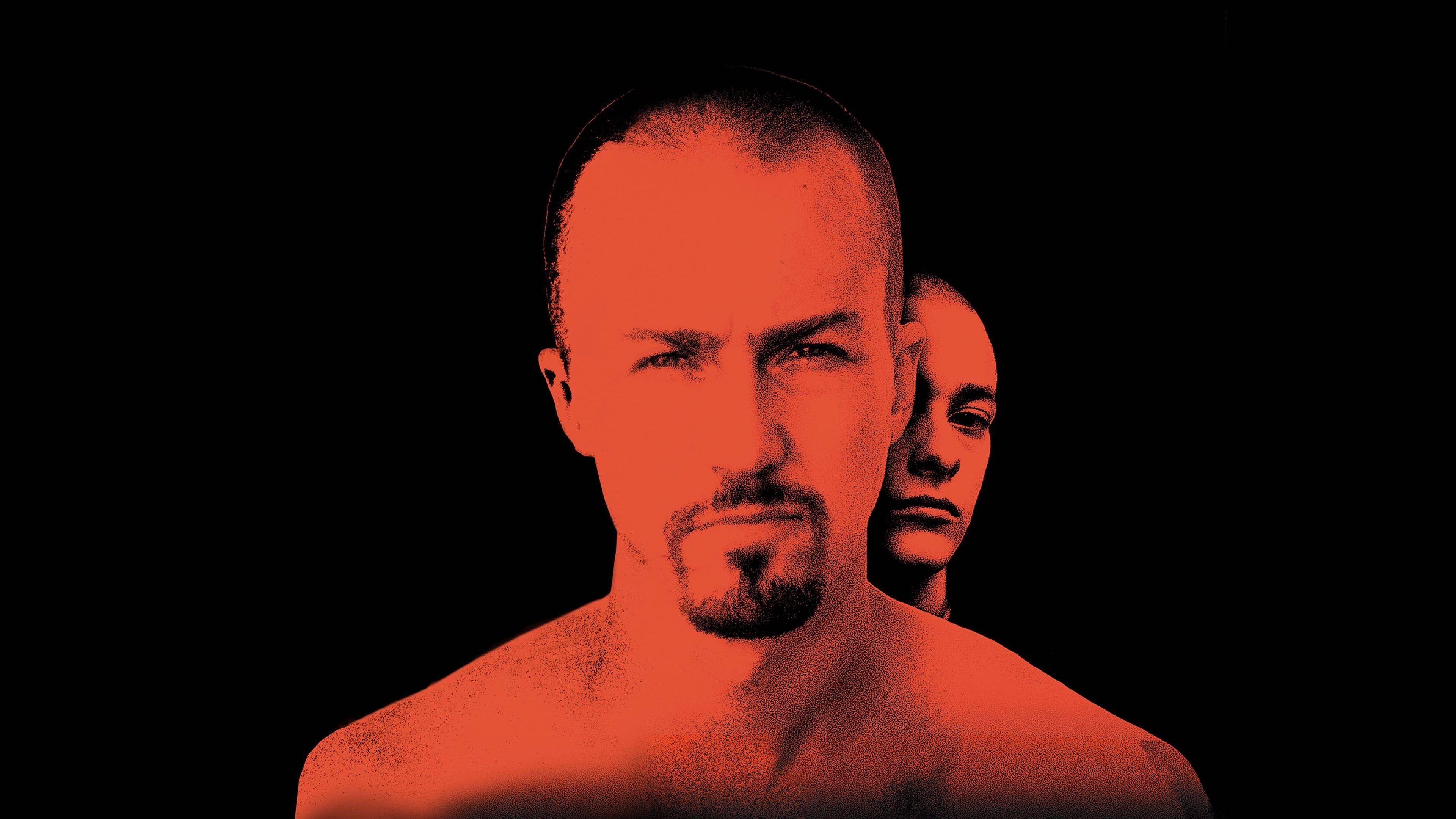
American History X and the Terrible Efficiency of Passing Rage Downward
Tony Kaye’s drama still hits because it understands hatred as something performed, inherited, and normalized at home before it hardens into ideology.