
The Conversation and the Horror of Hearing Too Much
Coppola’s surveillance classic cuts deepest when you read it as a movie about professionalism failing to protect the conscience that hides behind it.
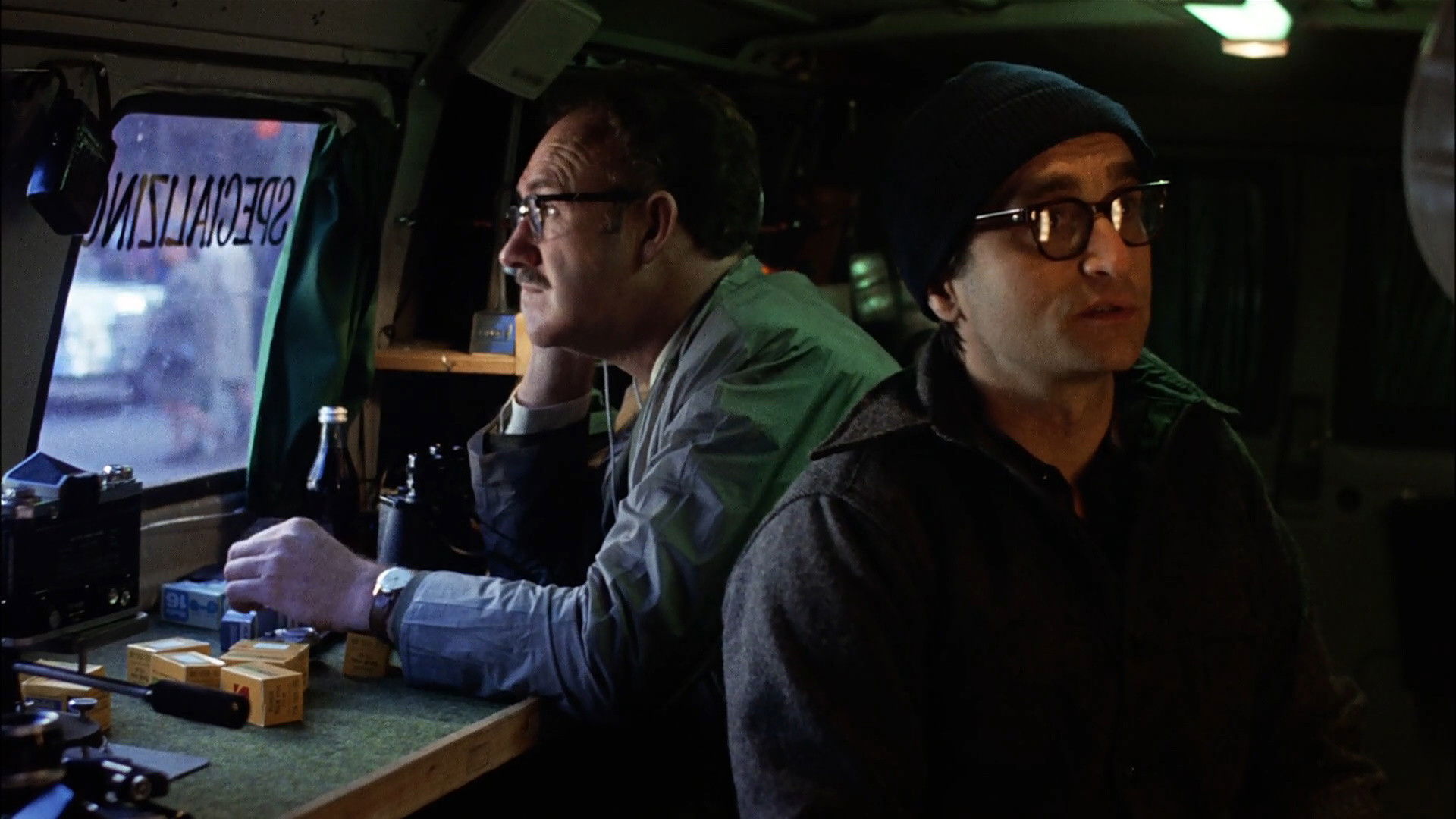
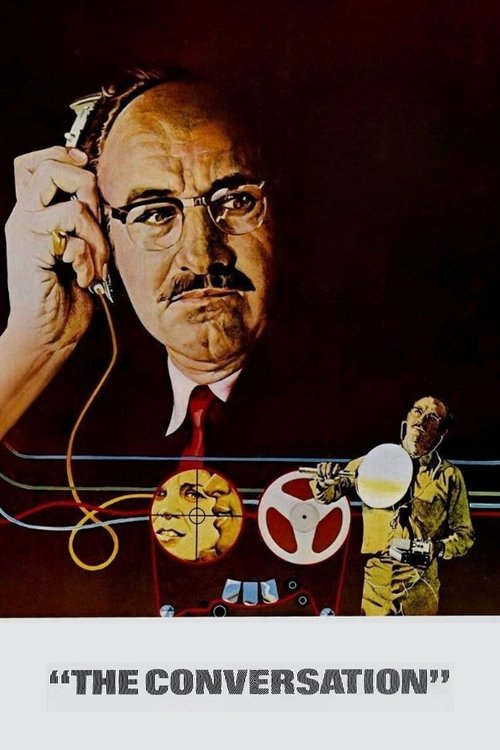
The Conversation remains one of the most unnerving surveillance films ever made because it does not treat monitoring as cool access or superior knowledge. Coppola turns eavesdropping into a lonely occupation, one that makes Harry Caul highly skilled at capture but increasingly incapable of ordinary trust, intimacy, or moral distance.
Sound as Moral Trap
What makes the movie extraordinary is that meaning keeps shifting as the recording shifts. A phrase replayed in a different emphasis becomes a different event. The thriller tension comes not from chasing action, but from realizing that interpretation can itself be a form of danger when guilt is already doing half the work.
Harry Caul as Defensive Professional
Harry insists on a boundary between his work and its consequences, but the film exists to break that boundary down. Gene Hackman plays him as a man who has built ritual, secrecy, and technical excellence into a shell, only to discover that conscience leaks through anyway.
Why It Feels So Modern
The Conversation hits harder now because contemporary life has normalized ambient recording, predictive listening, and data trails everywhere. Coppola’s movie reminds us that the oldest surveillance fear is not merely exposure. It is the possibility that constant listening hollows out the listener too.



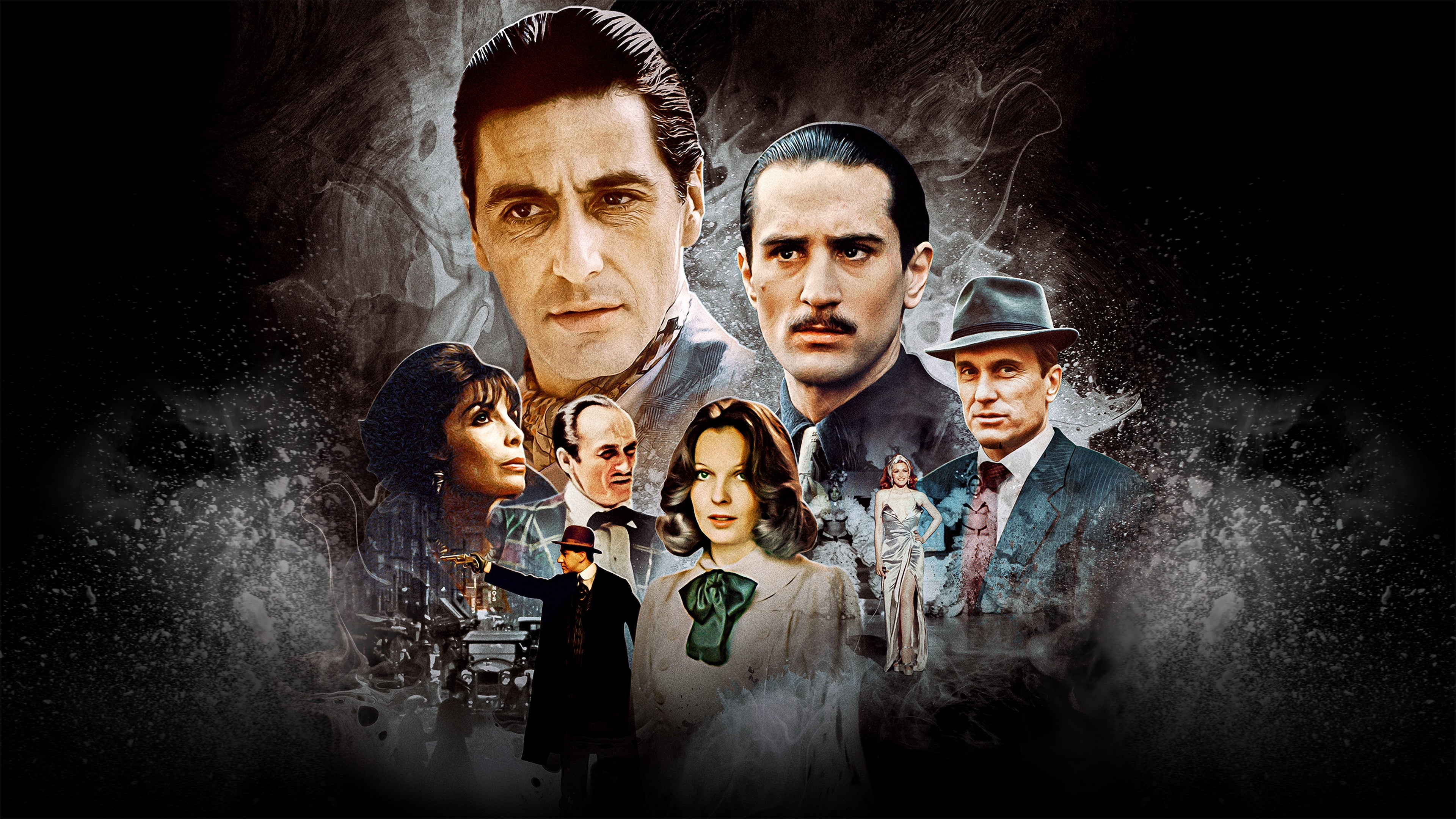
The Godfather Part II and the Inheritance Trap at the Center of Power
Coppola’s sequel expands the family saga by showing how empire building and moral collapse can feel like the same process.
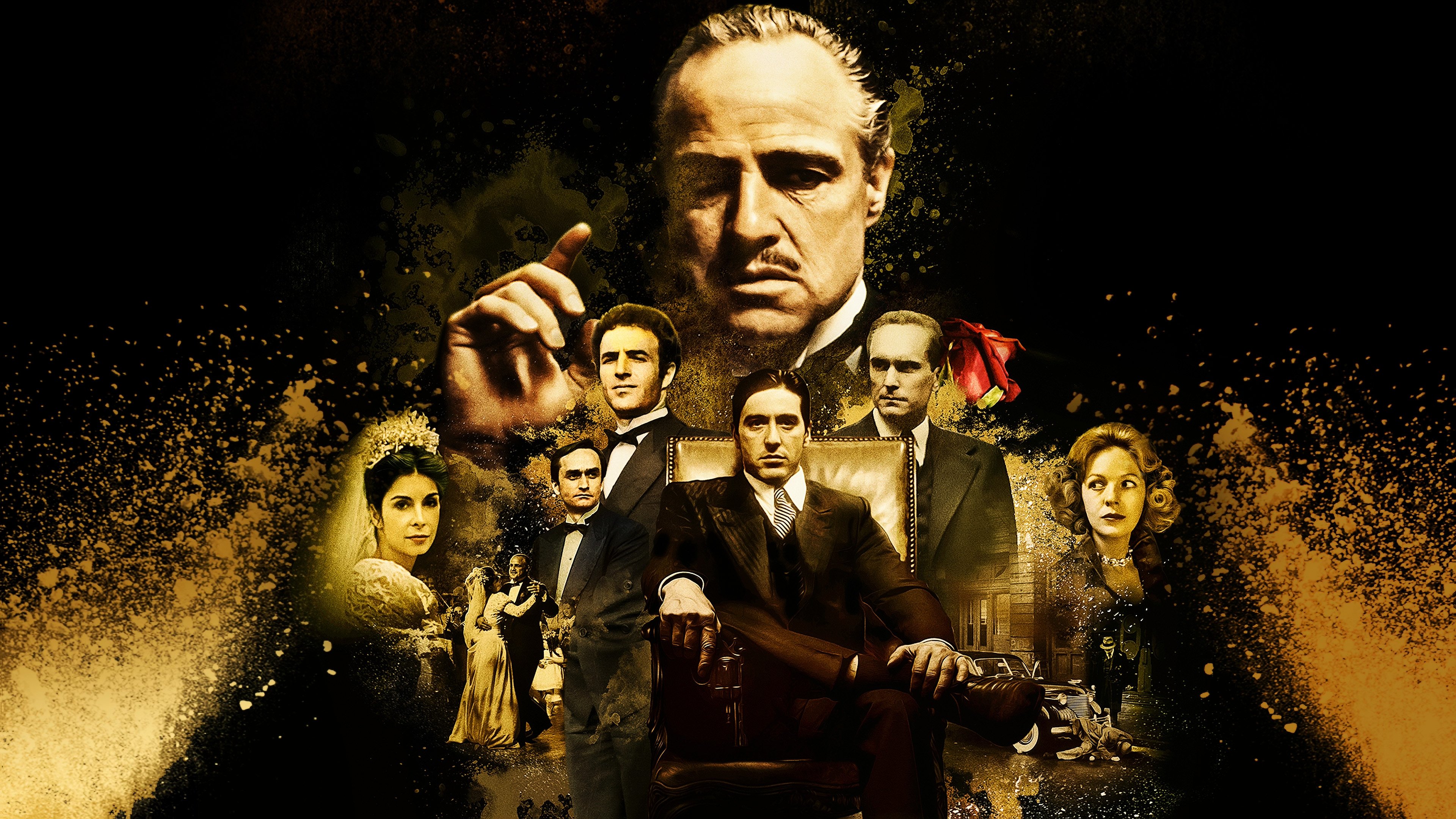
The Godfather Saga: How Coppola Redefined Epic Cinema
Francis Ford Coppola's masterpiece transformed the crime genre and established the template for modern epic filmmaking.

Enemy of the State: Surveillance Panic Before Surveillance Became Daily Atmosphere
Tony Scott’s thriller still moves because it understands how terrifying it is when a system can rewrite your life faster than you can explain yourself.
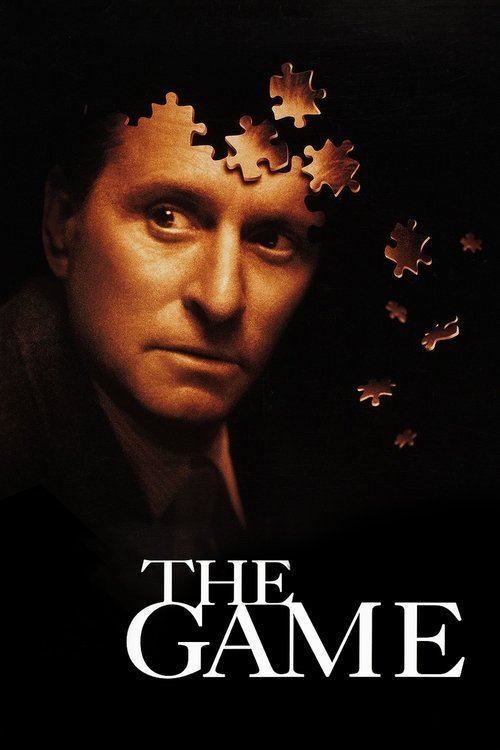
The Game and the Seduction of Letting a System Break You on Purpose
Fincher’s luxury paranoia machine still lands because every escalation turns wealth, control, and self-protection into liabilities instead of armor.