
Memento
Self-myth lane

Identity Traps

Doubles, false selves, role-play, and movies where the biggest danger is the story a person keeps telling about who they are.

Cinema One should have a clean lane for movies driven by unstable identity. These are not just twisty plots. They are films where self-invention, projection, impersonation, or psychological splitting become the whole pressure system.

unstable identitydoublesself-deception
Start with Memento

Why this lane works

Every pick here turns identity into a trapdoor, where the self is never stable, fully knowable, or morally safe.

Useful bridge lane for Nolan, Fincher, and adjacent psychological-thriller discovery without flattening everything into “mind-bender” sludge.

This shelf exists to name the appetite first, then let the titles argue with each other.

10
Core picks
6
Directors
7.8
Avg rating
1986 to 2020
Year span
8 fully-authored2 strong0 building0 case pending

Ideal for

  • viewers drawn to movies about self-invention turning poisonous
  • double-features built around deception, doubles, and narrative instability
  • readers moving from Fincher into darker identity-maze territory
Program this lane

Three double-feature handoffs for turning the shelf into a night.

Collections should not stop at inventory. These pairings make the editorial path explicit: start sharp, change angle, then decide what the lane is really arguing.

Search this signal

Starter pairing

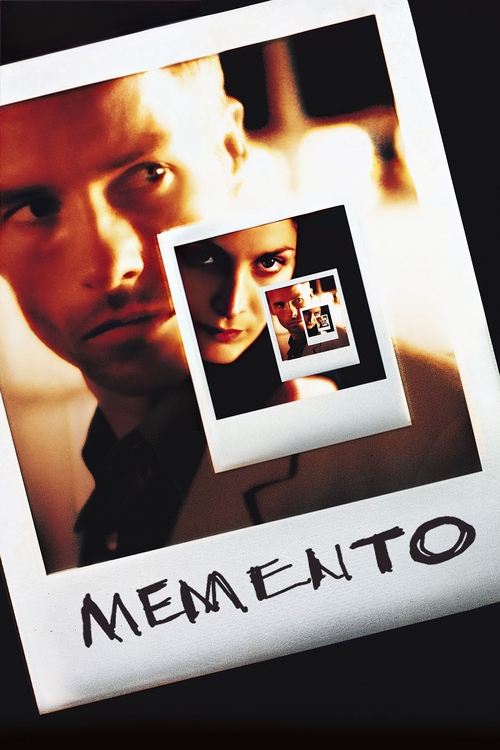
Memento → Following

Memento establishes the unstable identity charge; Following bends that charge into a different shape. Both films keep you inside Christopher Nolan's system, making the second watch feel like a variation instead of a reset. Because the release years sit close together, the pairing plays like two arguments from the same cultural weather.

Open adjacent search

Deeper turn

The Game → Gone Girl

The Game establishes the doubles charge; Gone Girl bends that charge into a different shape. Both films keep you inside David Fincher's system, making the second watch feel like a variation instead of a reset. The 1997–2014 spread also turns the pairing into a miniature history of the appetite.

Open adjacent search

Late-night close

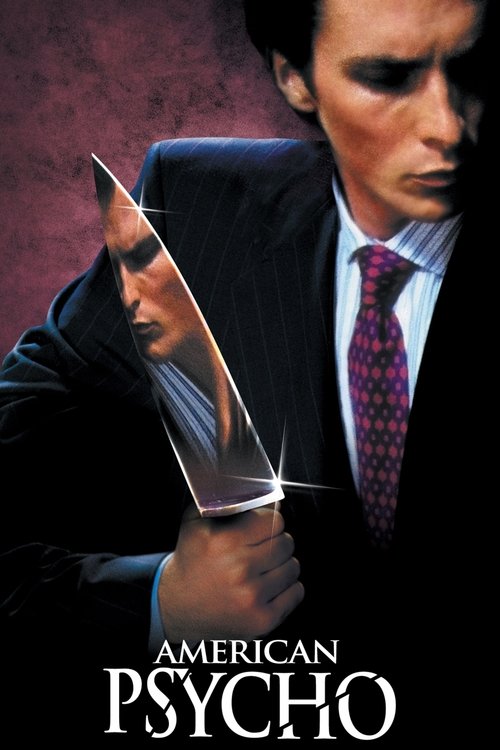
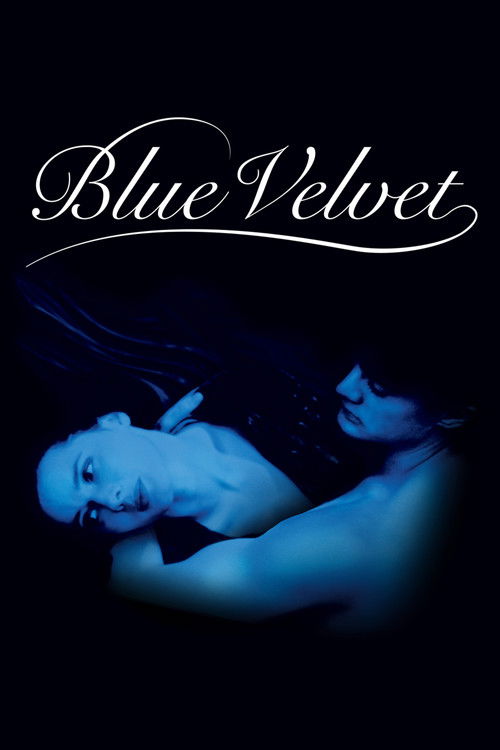
American Psycho → Blue Velvet

American Psycho establishes the self-deception charge; Blue Velvet bends that charge into a different shape. The handoff moves from Mary Harron's approach to David Lynch's, so the lane opens wider without losing its signal. The 1986–2000 spread also turns the pairing into a miniature history of the appetite.

Open adjacent search

Collection picks

The movies that define the lane.

Memento
Memento
Christopher Nolan2000

A man with short-term memory loss hunts for his wife’s killer using notes, tattoos, and a fractured sense of time.

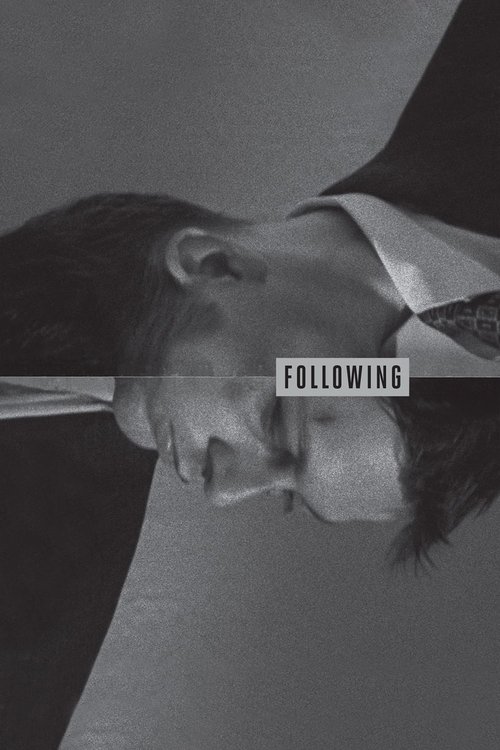
Following
Following
Christopher Nolan1998

A young writer follows strangers through London and slips into a dangerous world of burglary and identity games.

Fight Club
Fight Club
David Fincher1999

An insomniac office worker mistakes numbness for peace until Tyler Durden turns grievance into ritual, then ritual into organization. Fight Club works because Fincher makes the release feel seductive before the bill comes due: consumer disgust becomes violence, violence becomes doctrine, and the fantasy of waking up starts recruiting bodies.

Bound
Bound
Lana Wachowski & Lilly Wachowski1996

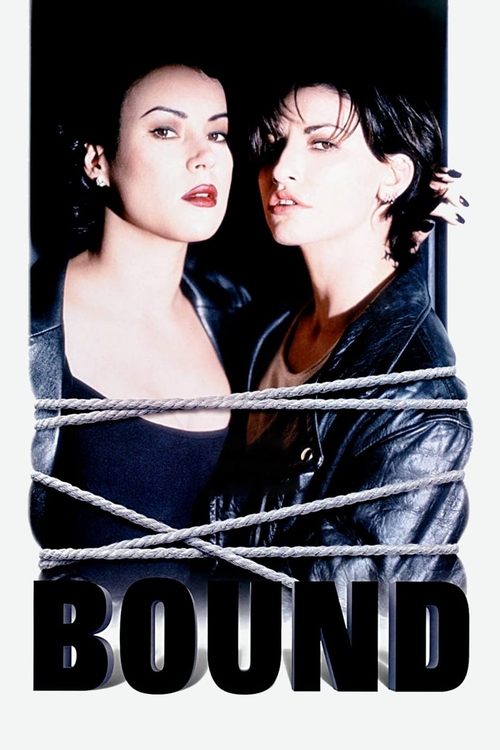
Corky, a tough ex-con renovating an apartment, falls for Violet, the girlfriend of a volatile mobster, and the two women build a dangerous plan to steal Mafia money and escape together.

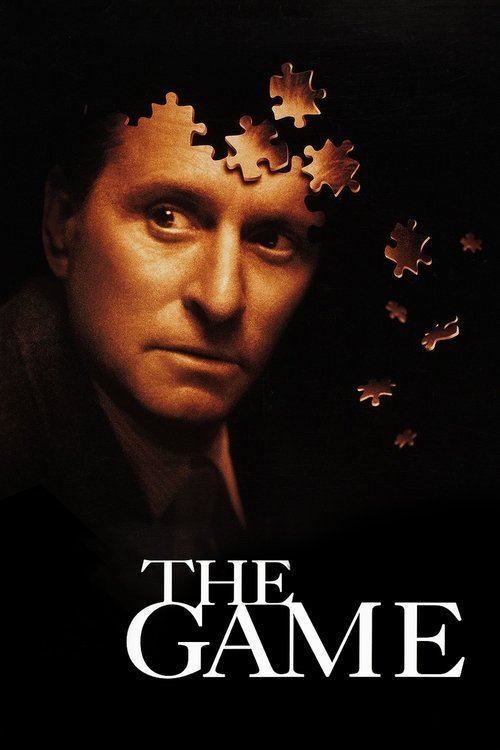
The Game
The Game
David Fincher1997

An ultra-controlled businessman gets pulled into a reality-bending game that turns his wealth and certainty against him.

Gone Girl
Gone Girl
David Fincher2014

A marriage, a disappearance, and a media circus fuse into one of Fincher’s sharpest poison-pill entertainments.

Promising Young Woman
Emerald Fennell2020

Cassie Thomas moves through coffee shops, bars, medical-school ghosts, pastel costumes, and weaponized politeness while grief keeps setting the trap. Promising Young Woman belongs in Cinema One because Emerald Fennell turns the revenge thriller into a poisoned pop object: surface sweetness, nice-guy casting, brittle jokes, and Carey Mulligan's stillness all keep asking how much violence a culture can hide inside ordinary permission.

The Girl with the Dragon Tattoo
David Fincher2011

A journalist and a hacker investigate a disappearance buried inside a family empire.

American Psycho
American Psycho
Mary Harron2000

Patrick Bateman moves through restaurants, business cards, skin routines, and murder fantasies with the same dead showroom smile. American Psycho belongs on Cinema One because Mary Harron turns Wall Street masculinity into horror-comedy evidence: the monster is not hidden under the suit; the suit is part of the monster.

Blue Velvet
Blue Velvet
David Lynch1986

A young man returns to his hometown and discovers a severed human ear in a field, leading him into a dark underworld of violence and sexual depravity.