
Following
Find the movies with rewatch gravity, live dossiers, and unfinished cases worth deepening.
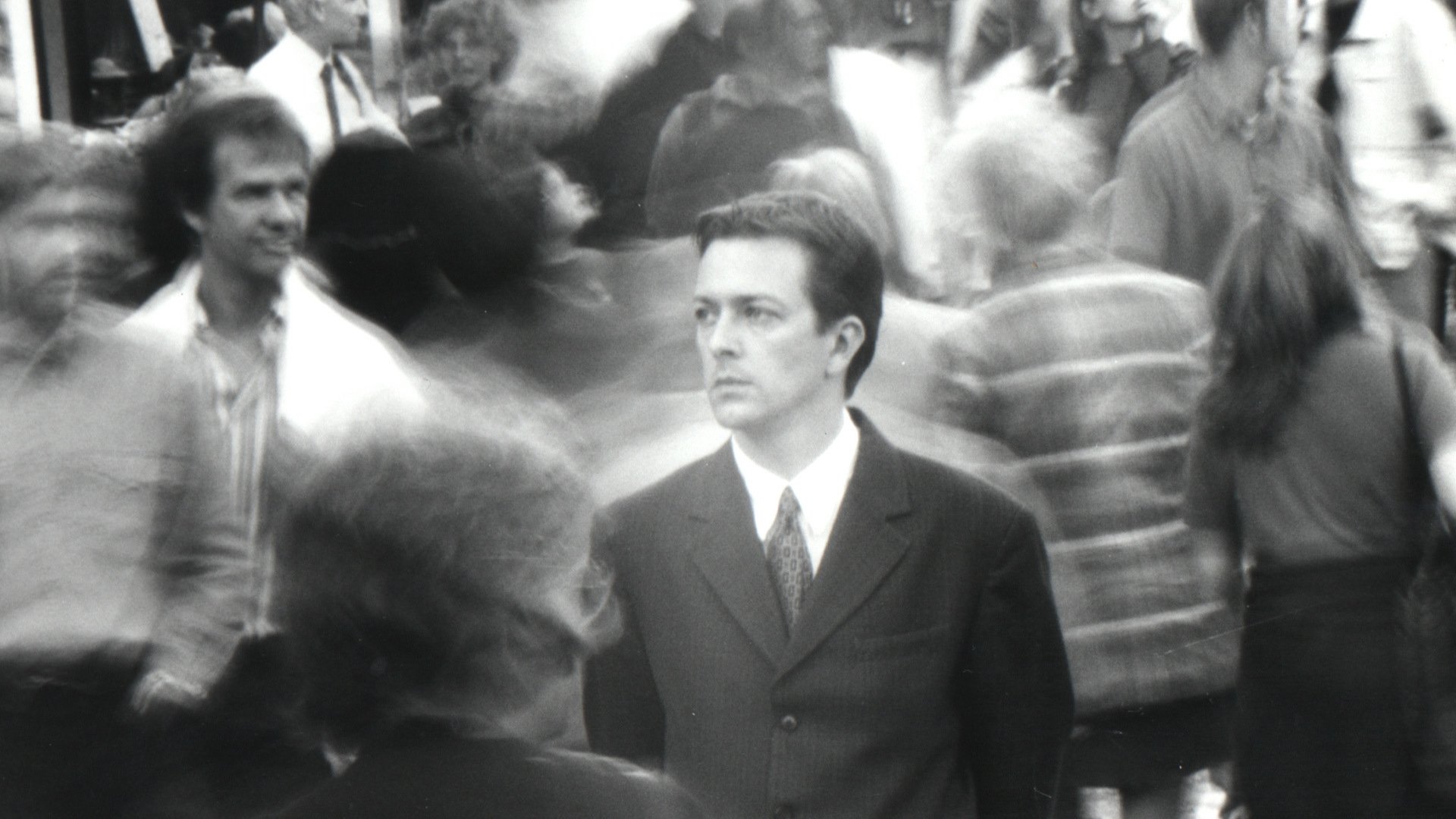
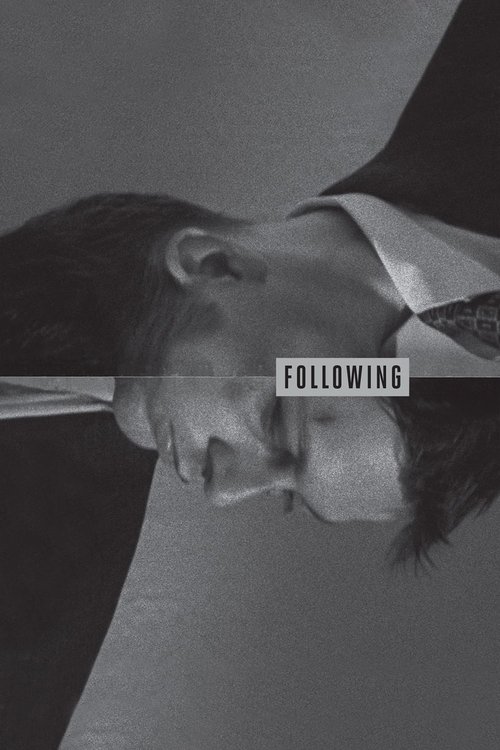
Movie dossier
Following
The micro-budget Nolan debut, lean, slippery, and already obsessed with narrative control.
Latest video signal
Trailer slot ready
A widescreen slot for the newest official trailer, interview, or scene signal when the page has a playable source.
Why it matters
Following matters because it shows Nolan’s core fascinations, identity games, chronology, performance, self-invention, already alive before the scale arrived. It is not just apprentice work, it is the first clear sketch of the filmmaker he would become.
Craft read
Shoestring noir made with severe economy and precision
Early proof of Nolan’s interest in fractured structure and unstable identity
Essential origin-point page for the Nolan spine
Themes
Cast and context
Coverage status
A fully shaped Cinema One case: the movie has enough authored context, pathway links, and argument to feel like more than a catalog entry.
Production notes
- • Nolan’s debut feature and a crucial historical page for the site.
- • The black-and-white austerity is part of the movie’s appeal, not just a budget artifact.
- • Useful for showing how much of Nolan’s later system was present from the start.
Watch-next pathway
What should you do after Following?
Three intentional continuations: stay with the filmmaker, chase the dominant pressure signal, or jump into the shelf or argument that best explains why this movie belongs here.
The Dark Knight
The cleanest next move if Christopher Nolan's control, obsessions, or rhythm are what hooked you here.
More identity
Use the taste map to find movies, arguments, and shelves that share this page's strongest signal.
Identity Traps
Doubles, false selves, role-play, and movies where the biggest danger is the story a person keeps telling about who they are.
Movie-page argument
Defend Following.
If this movie has a scene, performance, ending, or idea people underrate, make the case. The best defenses can become future Cinema One argument material.
Scene challenge
Pick the scene that proves it.
Cinema One is built around scenes that unlock the movie. Tell us which moment carries the pressure, style, argument, or rewatch charge.
Signature scene: the apartment break-ins become authorship
What makes Following interesting is that the trespassing is not only criminal behavior, it is a theory of looking. Nolan turns snooping into a prototype for his later puzzle structures, where characters reorganize reality by rearranging the evidence around them.
Line worth carrying forward
The movie’s running philosophy about following strangers lands because it turns curiosity into danger. Following understands early that looking is never passive, it changes the person doing it.
Why the ending clicks as more than a trick
Following ends by snapping its loose, noirish pieces into a pattern of humiliation and entrapment. The payoff matters because Nolan already understands that revelation should not only explain the plot, it should downgrade the protagonist’s fantasy of control.
Steelman the debate
A fair critique is that Following can feel more interesting as Nolan archaeology than as a fully satisfying movie on its own. The best defense is that the movie’s thinness is also its sharpness. It is a stripped-down experiment where the director’s major obsessions are unusually visible.
More from this director
Related picks
Read next
Christopher Nolan’s debut is tiny in scale but already obsessed with looking, self-invention, and how easily curiosity turns into entrapment.
Insomnia is often treated like a side assignment, but it already shows Nolan turning moral fatigue and unstable perception into atmosphere.
The real reason to track Dune: Messiah early is that it could force blockbuster franchise culture to sit inside consequence instead of momentum.