
Insomnia
Find the movies with rewatch gravity, live dossiers, and unfinished cases worth deepening.
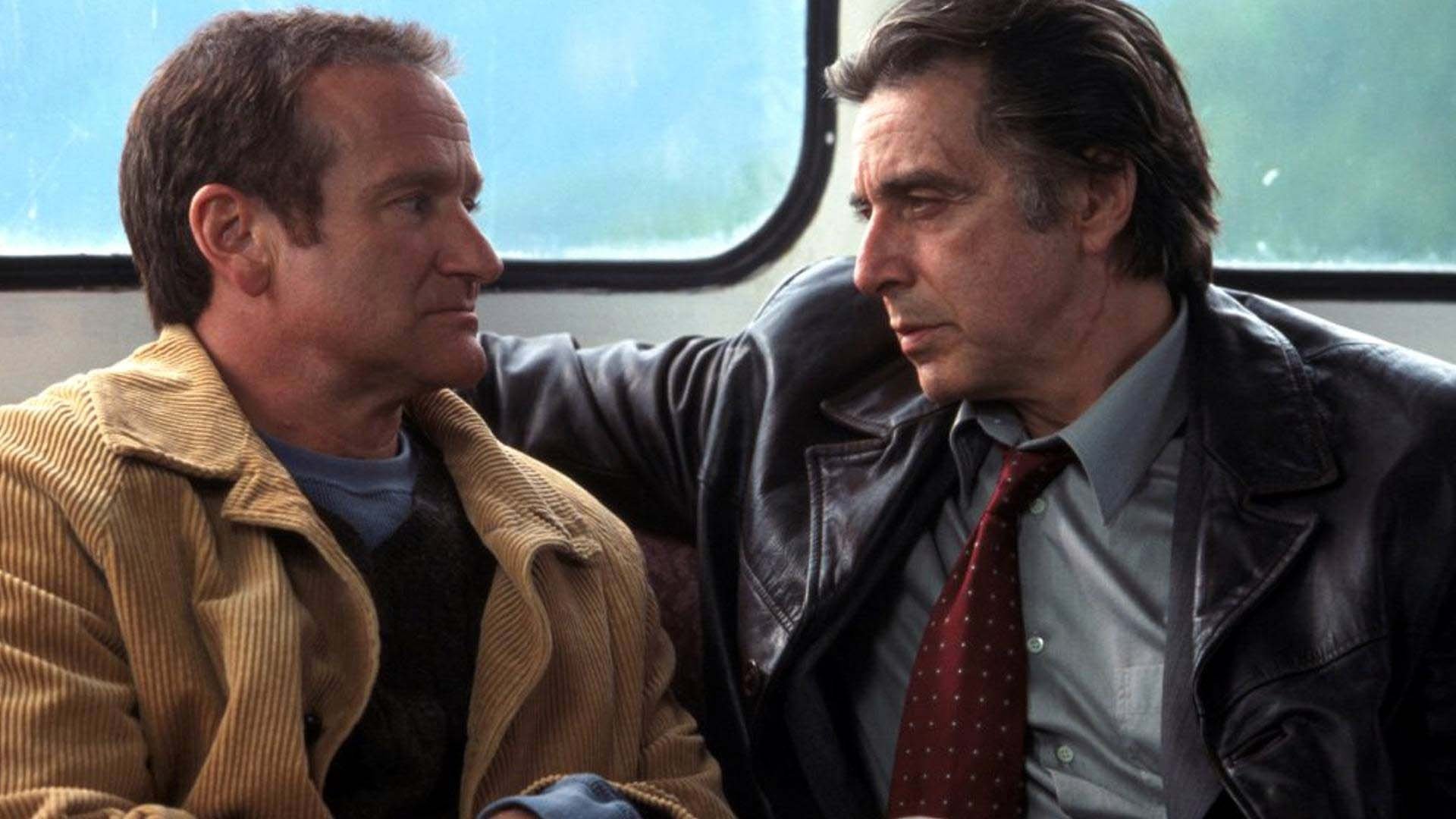
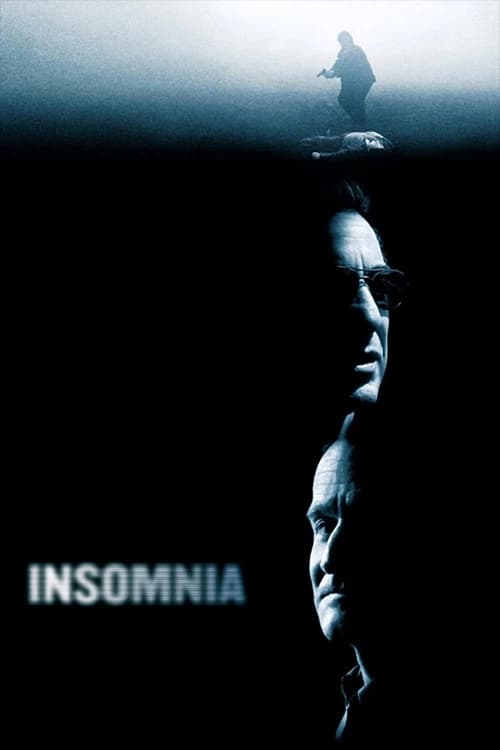
Movie dossier
Insomnia
Nolan’s studio remake, where procedural pressure and moral exhaustion start to fuse.
Latest video signal
Trailer slot ready
A widescreen slot for the newest official trailer, interview, or scene signal when the page has a playable source.
Why it matters
Insomnia matters because it shows Nolan translating his control into a more classical framework without losing his taste for guilt, unreliability, and psychological erosion. It is one of the key bridge films between debut ingenuity and blockbuster authorship.
Craft read
Murder procedural pushed into sleep-deprived moral haze
An important bridge between Memento and the Batman-era scale jump
Quietly one of Nolan’s most controlled atmosphere films
Themes
Cast and context
Coverage status
A fully shaped Cinema One case: the movie has enough authored context, pathway links, and argument to feel like more than a catalog entry.
Production notes
- • Often treated as minor Nolan, which makes it a great corrective page for Cinema One.
- • Al Pacino and Robin Williams give the movie a different actor-energy than most Nolan work.
- • The Alaskan light is a major storytelling instrument, not just scenery.
Watch-next pathway
What should you do after Insomnia?
Three intentional continuations: stay with the filmmaker, chase the dominant pressure signal, or jump into the shelf or argument that best explains why this movie belongs here.
The Dark Knight
The cleanest next move if Christopher Nolan's control, obsessions, or rhythm are what hooked you here.
More guilt
Use the taste map to find movies, arguments, and shelves that share this page's strongest signal.
Paranoia Machines
Containment, distrust, infiltration, and movies that trap characters inside systems they can no longer verify.
Movie-page argument
Defend Insomnia.
If this movie has a scene, performance, ending, or idea people underrate, make the case. The best defenses can become future Cinema One argument material.
Scene challenge
Pick the scene that proves it.
Cinema One is built around scenes that unlock the movie. Tell us which moment carries the pressure, style, argument, or rewatch charge.
Signature scene: the fog pursuit after the accidental shooting
The chase sequence matters because it turns confusion into ethics. Nolan uses weather, distance, and disorientation to trap the protagonist in a moral event he can neither undo nor cleanly narrate away.
Line worth carrying forward
"Don’t lose your way." The line lands because Insomnia is really about moral navigation under exhaustion. It is advice, warning, and epitaph all at once for a movie where the protagonist keeps trying to survive the consequences of drifting.
Why the ending works
Insomnia closes on a smaller, sadder register than many Nolan endings, and that restraint is exactly the point. The film ends not with mastery but with damage control, conscience, and the limit of what can still be set right.
Steelman the debate
The common knock is that Insomnia feels impersonal compared with the louder Nolan signature works. The strongest response is that its impersonality is overstated. The film is doing something valuable, showing how Nolan’s obsessions behave when placed inside a relatively classical crime drama, and the result is more haunted than it first appears.
More from this director
Related picks
Read next
Insomnia is often treated like a side assignment, but it already shows Nolan turning moral fatigue and unstable perception into atmosphere.
David Fincher's Fight Club remains a haunting exploration of male identity, consumer culture, and the search for meaning in modern society.
Tenet divides audiences for good reason, but its appeal is inseparable from the feeling that Nolan built a movie where time itself behaves like an antagonist.