
Insomnia and the Nolan Trick of Making Guilt Feel Environmental
Insomnia is often treated like a side assignment, but it already shows Nolan turning moral fatigue and unstable perception into atmosphere.
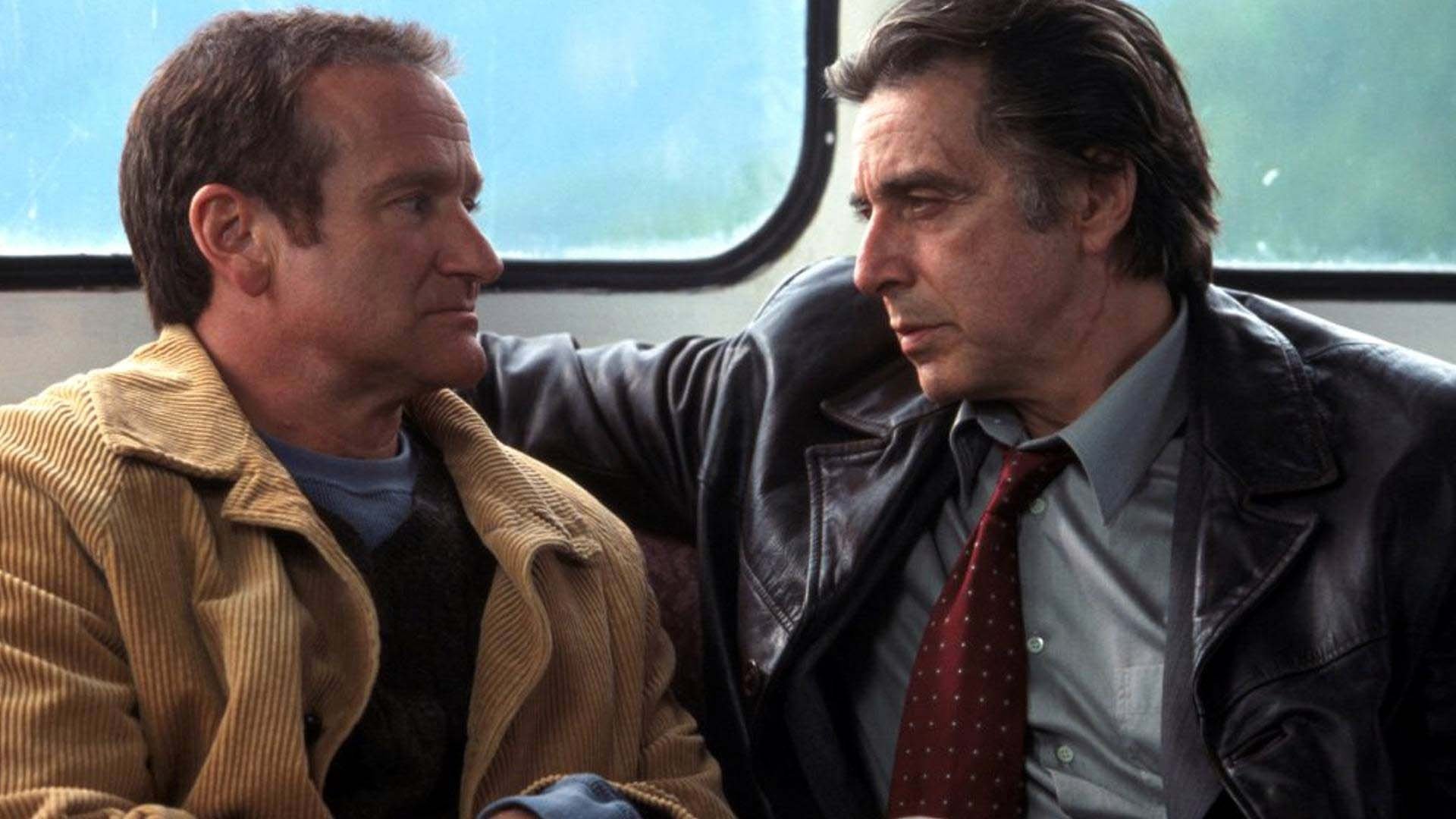
Insomnia sits oddly in Nolan’s filmography because it is an adaptation and a studio job, but it matters precisely because it proves how quickly he could bend outside material toward his own pressure systems. The Alaskan daylight becomes more than a backdrop. It becomes a hostile medium for guilt, exhaustion, and self-justification.
Light as Punishment
Most thrillers use darkness to signal threat. Insomnia flips that logic. Endless daylight erodes rest, certainty, and moral compartmentalization, making the environment itself feel accusatory. Nolan turns visibility into torment.
Al Pacino Under Pressure
What gives the movie its charge is that Pacino does not play Dormer as a heroic investigator having one bad week. He plays him as a man slowly realizing that professional authority can no longer hide personal corrosion. The case matters, but the collapse behind the case matters more.
Why It Deserves More Respect
Insomnia may be less architecturally flamboyant than Nolan’s biggest titles, but that restraint is part of the appeal. It shows he can make tension out of compromised judgment alone, with no dream layers or time inversions required.
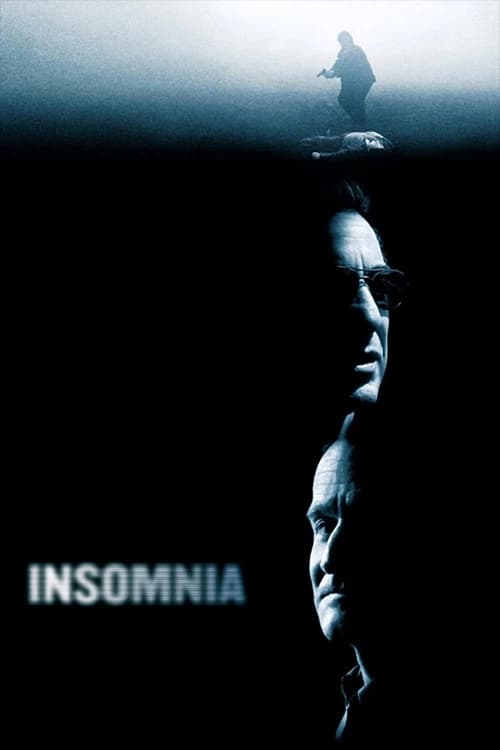
Insomnia
2002 • Christopher Nolan
A tough cop. A brilliant killer. An unspeakable crime.
Movies to pair with this read



Cathedral Scale
Big-screen movies built around scale, countdown pressure, and the feeling that spectacle only matters because consequence rides inside it.
Identity Traps
Doubles, false selves, role-play, and movies where the biggest danger is the story a person keeps telling about who they are.
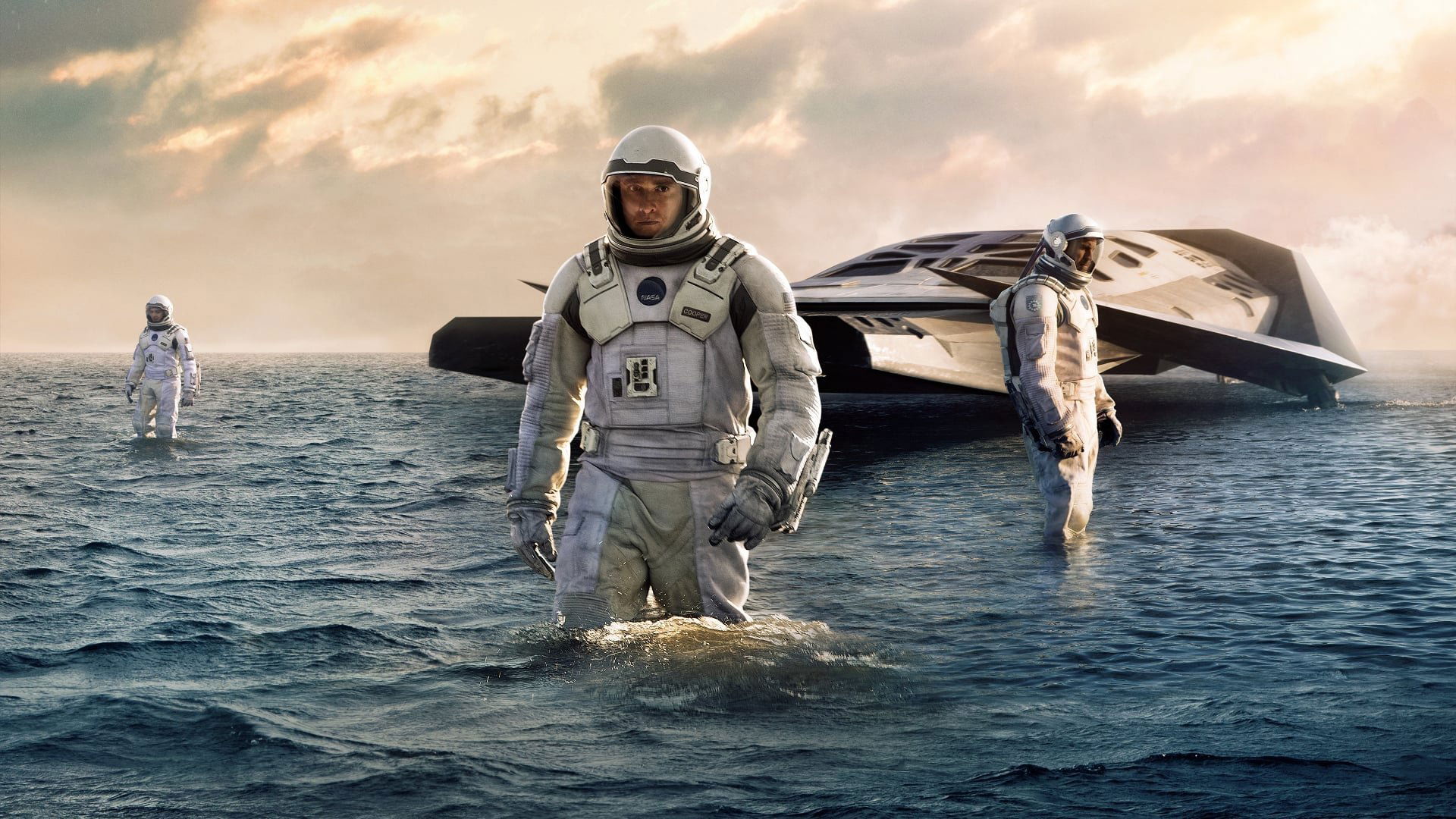
Interstellar: Engineering, Grief, and the Earnestness That Makes It Work
Interstellar keeps surviving backlash cycles because Nolan ties its cosmic spectacle to separation, time loss, and family grief.
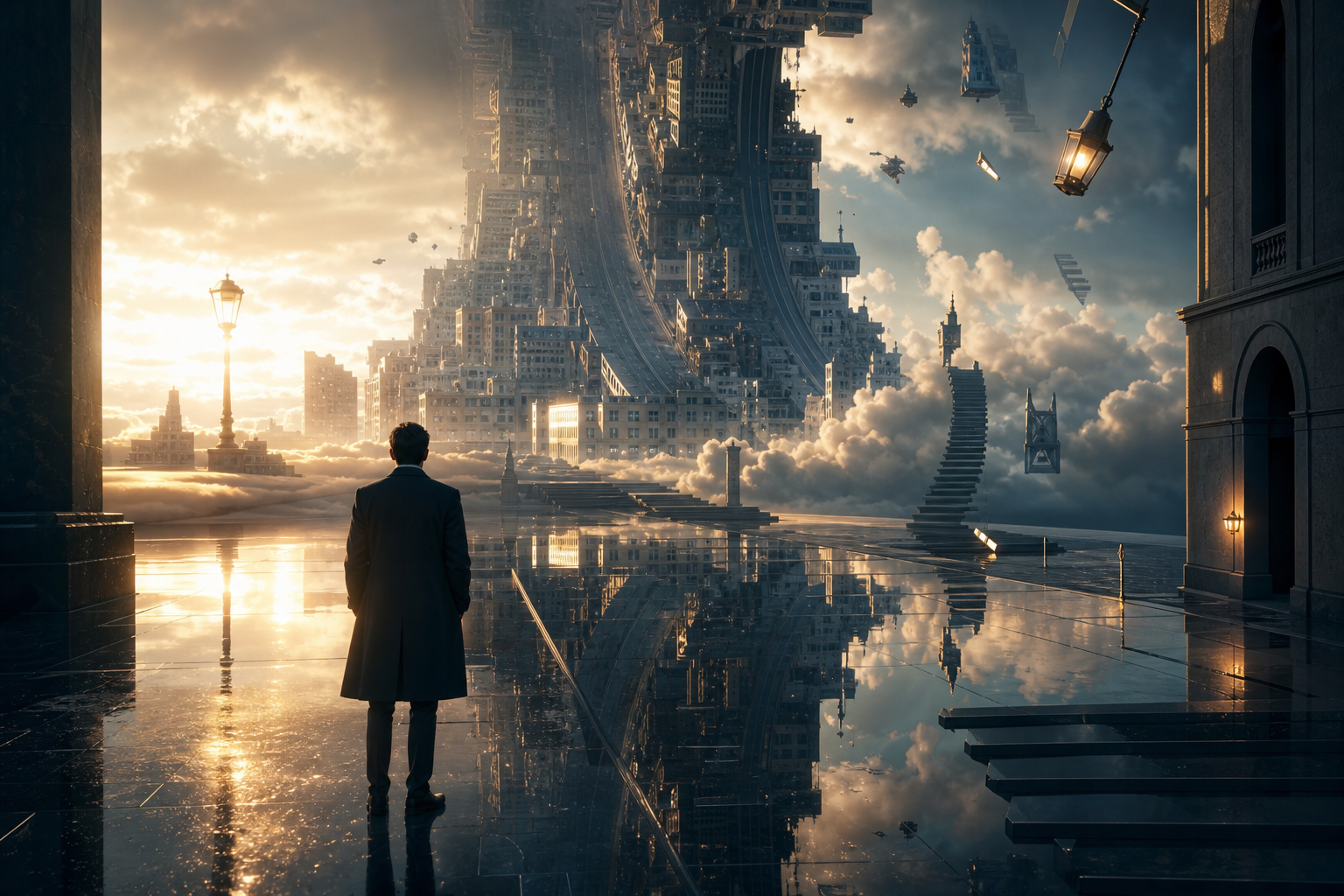
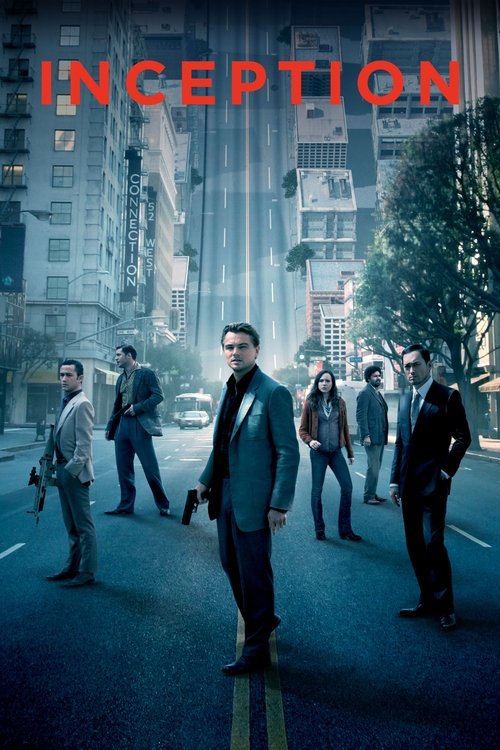
Inception: The Architecture of Dreams and Reality
Christopher Nolan's masterpiece explores the layers of consciousness while questioning the nature of reality itself.
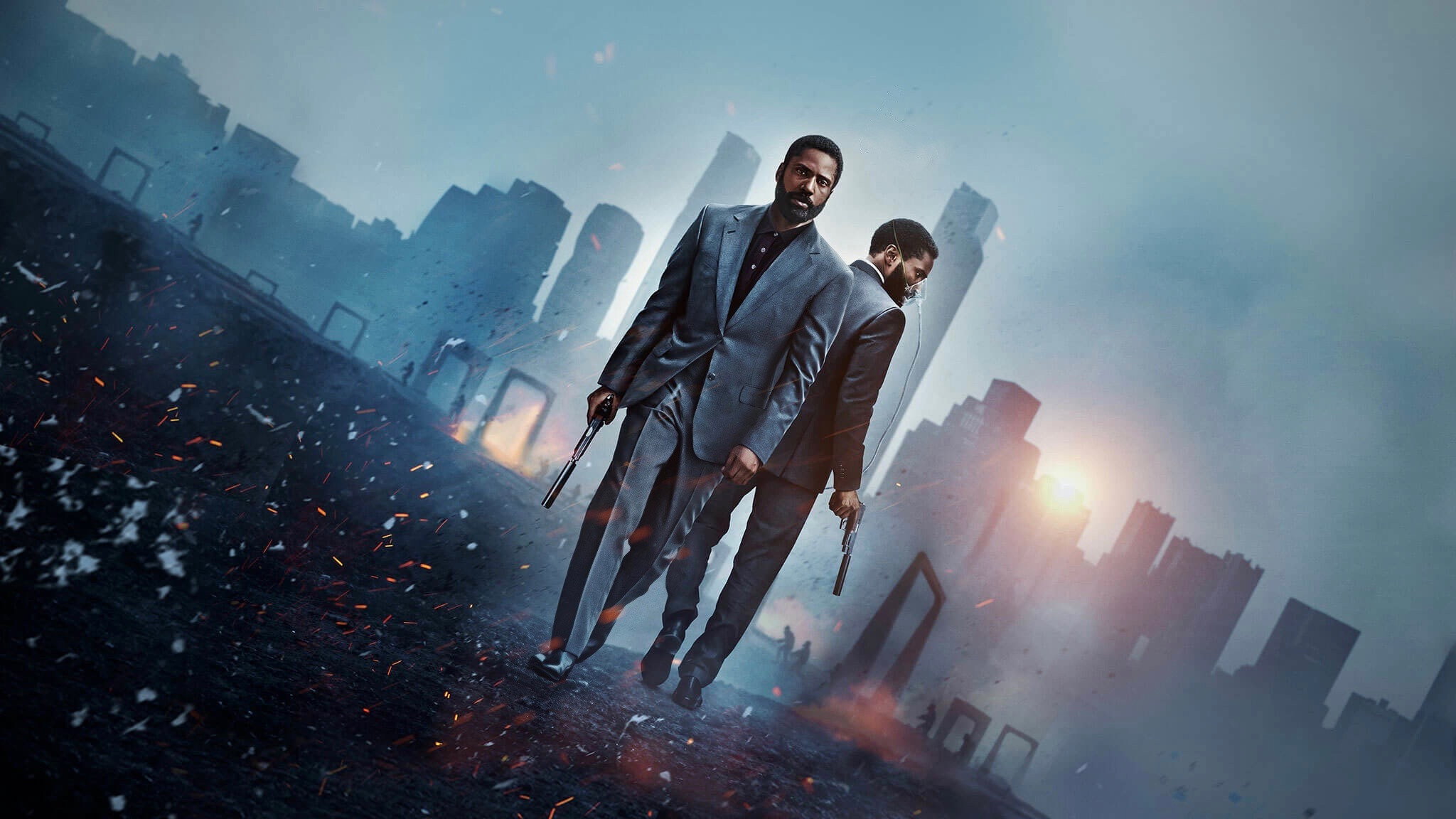
Tenet and the Thrill of a Blockbuster That Refuses to Simplify Its Hostile World
Tenet divides audiences for good reason, but its appeal is inseparable from the feeling that Nolan built a movie where time itself behaves like an antagonist.

Dunkirk and the Power of Treating Survival as Pure Duration
Dunkirk strips war-movie psychology down to time, space, and immediate peril, then finds feeling inside the compression.