
Tenet and the Thrill of a Blockbuster That Refuses to Simplify Its Hostile World
Tenet divides audiences for good reason, but its appeal is inseparable from the feeling that Nolan built a movie where time itself behaves like an antagonist.
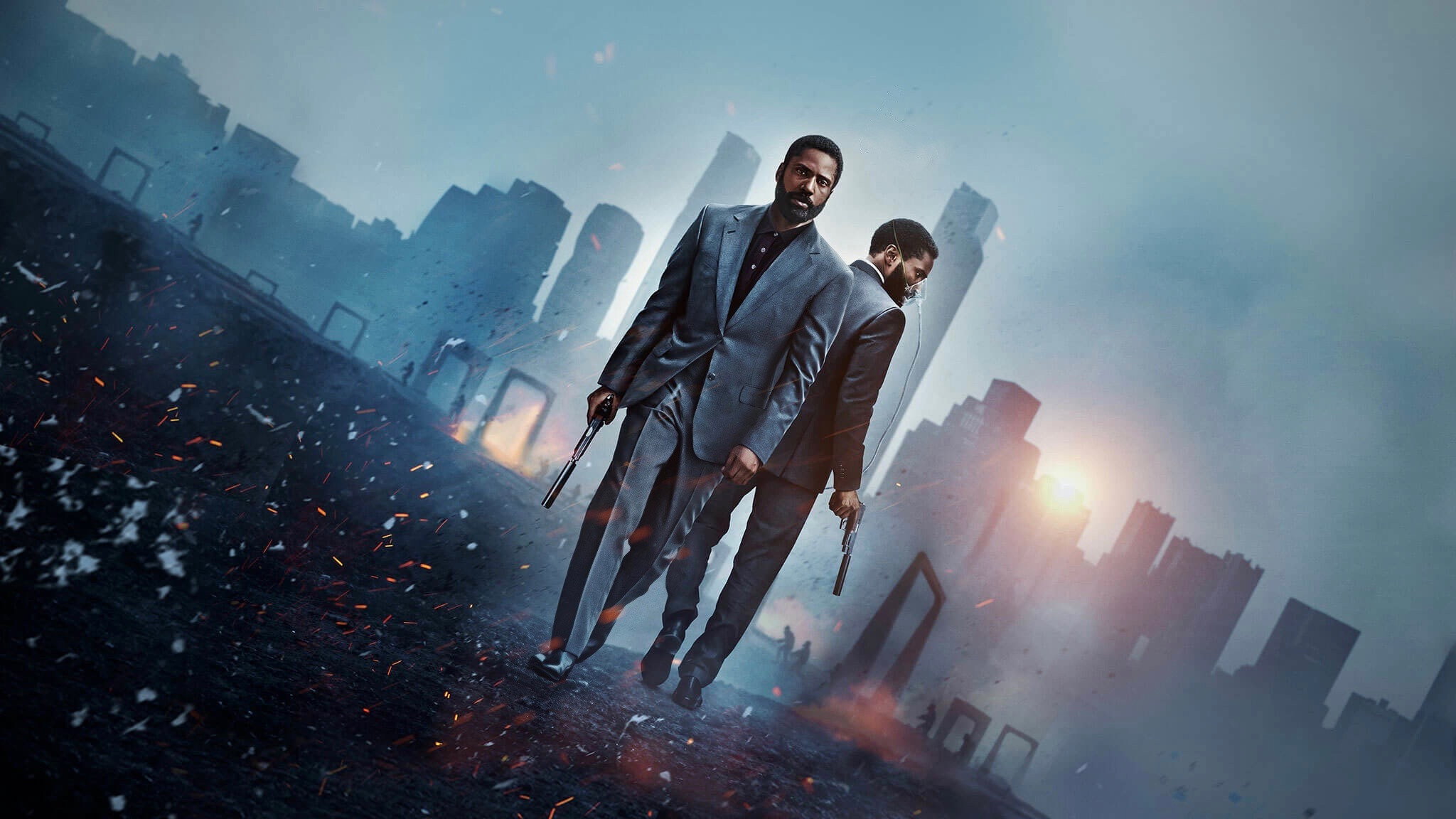
Tenet is one of those movies that reveals taste lines almost immediately. Some viewers experience it as exhilarating conceptual aggression, others as over-engineered distance. Both reactions make sense, which is part of why it is valuable editorial territory. Nolan is not trying to gently guide the audience through a puzzle. He is trying to make the puzzle hit like pressure.
Inversion as Action Grammar
The most impressive thing about Tenet is that inversion is not merely exposition fodder. It changes how bodies move, how fights read, how chases behave, and how cause and effect are perceived in the moment. The concept is embedded in the sensation of watching.
Coldness as Design Choice
A common critique is that the film feels emotionally remote. That is fair, but the remoteness is also what lets the world feel so hard and adversarial. Tenet is not warm-blooded spy romance. It is a movie about entering a system so abstract and dangerous that intimacy itself becomes difficult to sustain.
Why It Has a Strong Afterlife
Tenet keeps earning defenders because its best sequences do not feel like any other studio blockbuster of its era. Whether or not one loves the whole object, the ambition is unmistakable, and the movie rewards people willing to meet it on that uncompromising wavelength.
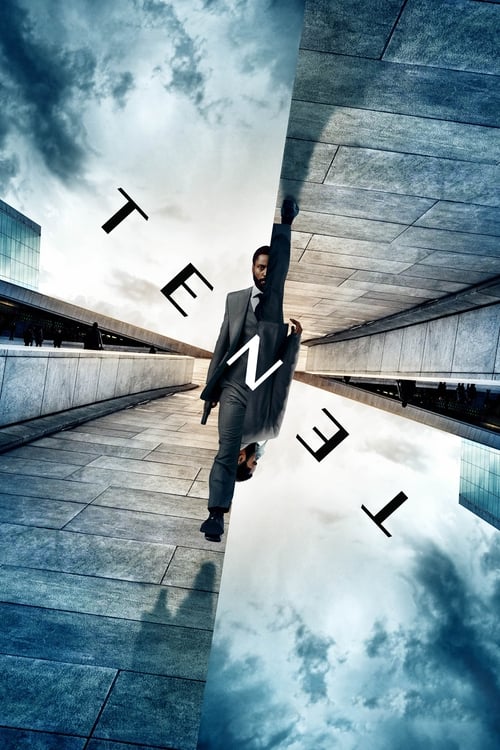
Tenet
2020 • Christopher Nolan
Time runs out.
Movies to pair with this read



Dunkirk and the Power of Treating Survival as Pure Duration
Dunkirk strips war-movie psychology down to time, space, and immediate peril, then finds feeling inside the compression.
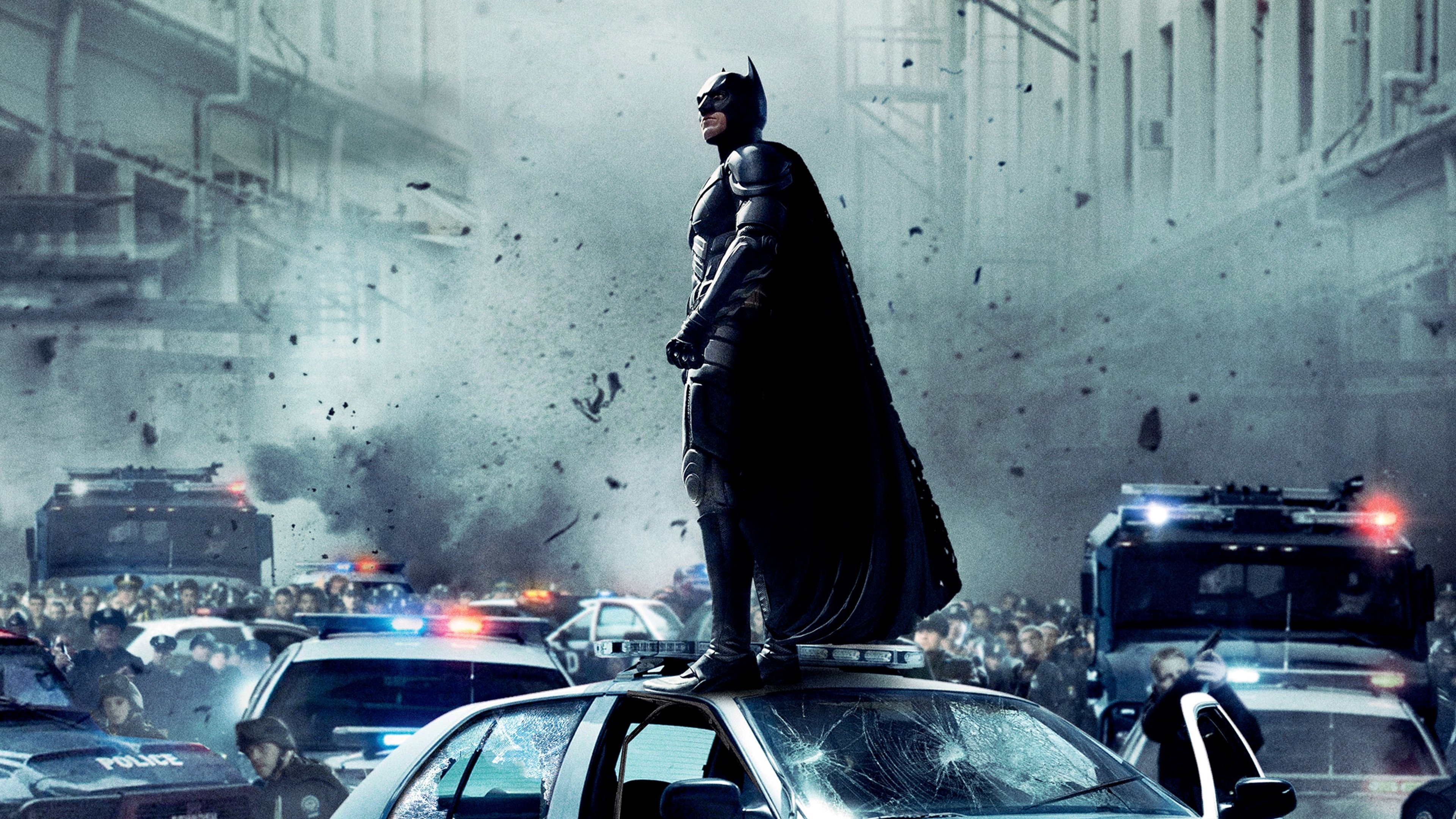
The Dark Knight Rises and the Operatic Cost of Ending a Myth
Messier than The Dark Knight, yes, but also one of Nolan’s biggest swings at turning blockbuster closure into civic and personal reckoning.
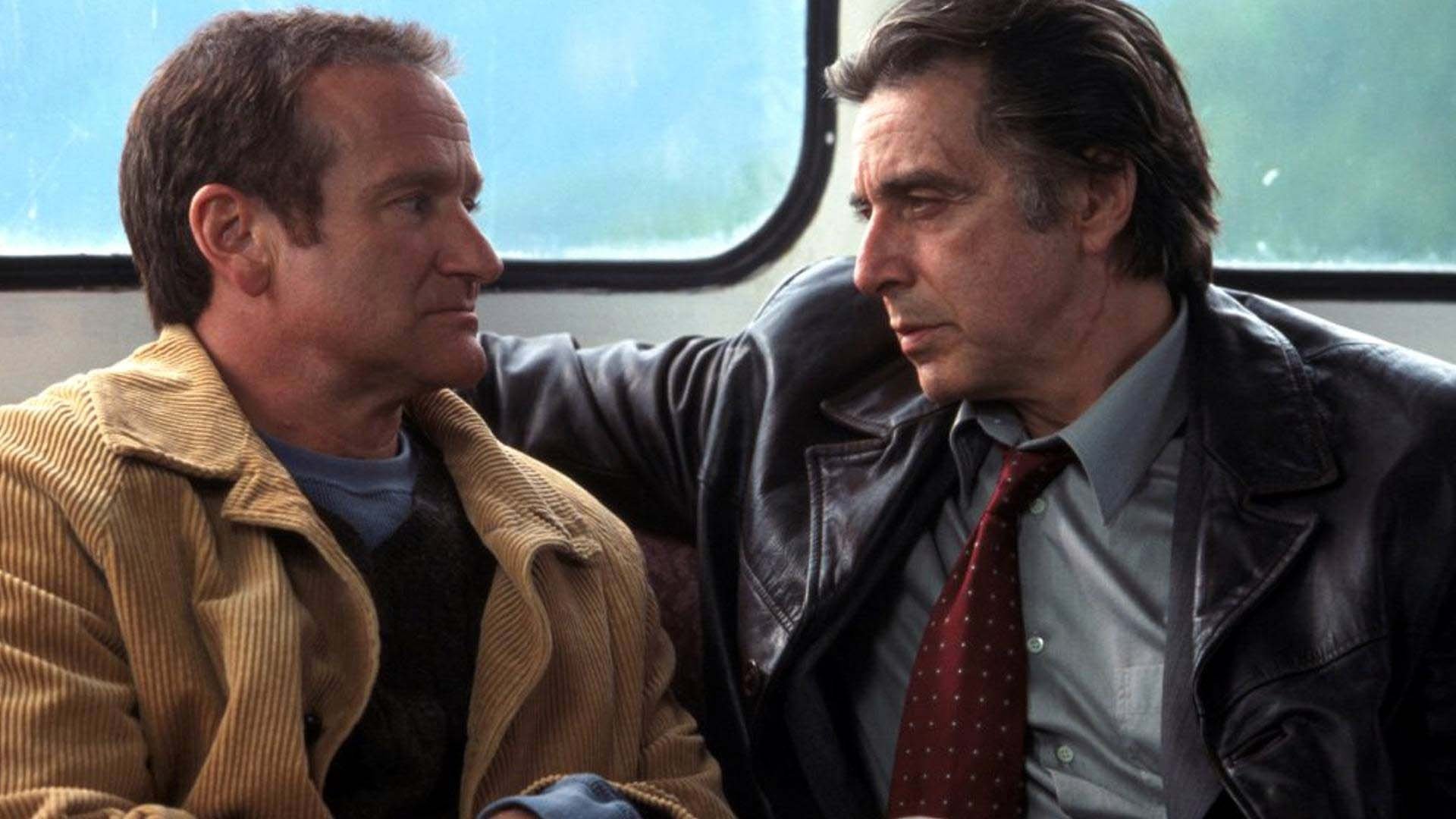
Insomnia and the Nolan Trick of Making Guilt Feel Environmental
Insomnia is often treated like a side assignment, but it already shows Nolan turning moral fatigue and unstable perception into atmosphere.
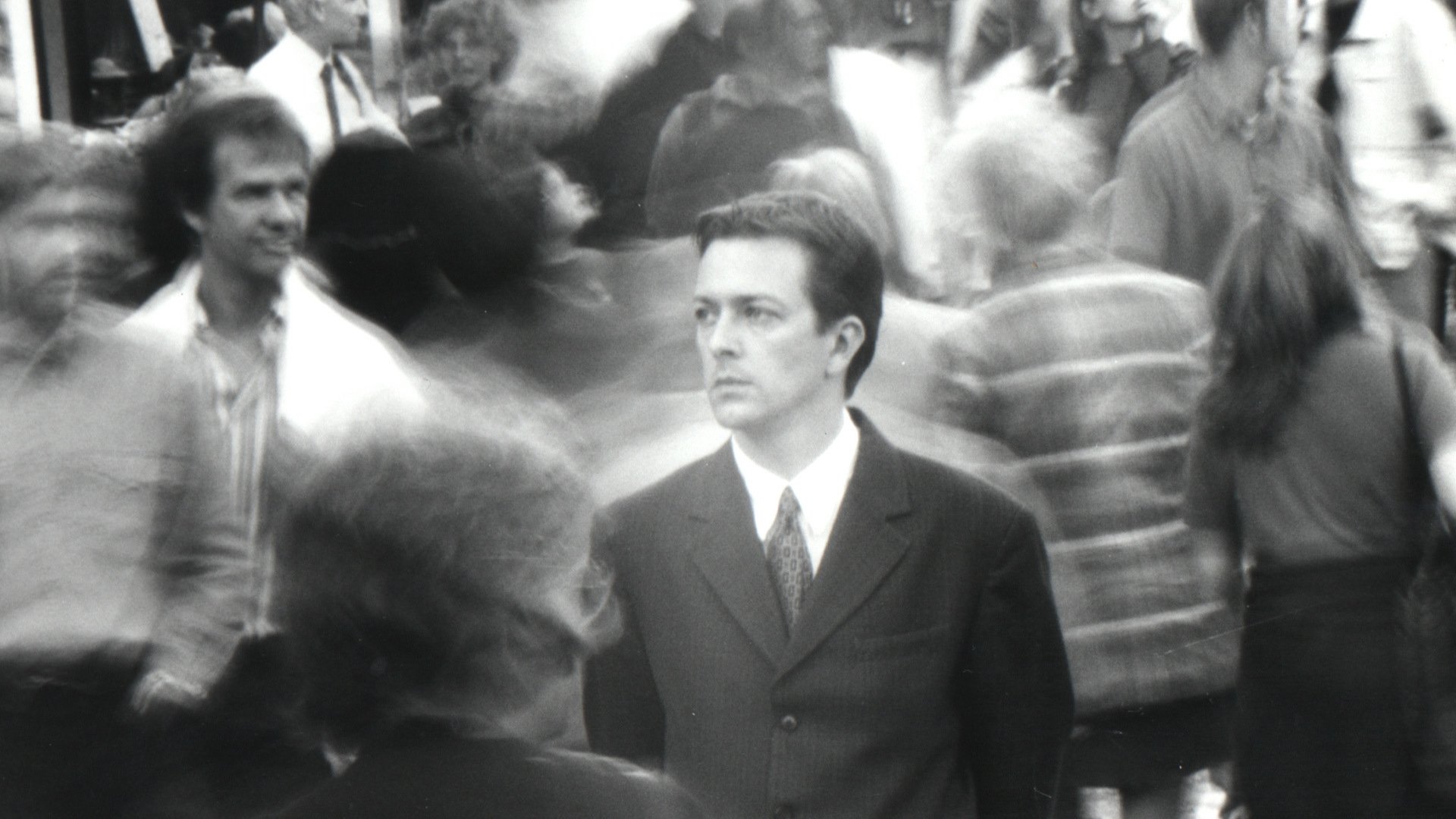
Following and the First Draft of Nolan as a Surveillance Storyteller
Christopher Nolan’s debut is tiny in scale but already obsessed with looking, self-invention, and how easily curiosity turns into entrapment.