Inception
Design lane

Stylized Worlds

Big visual identity, mythic energy, and movies that know exactly how they want to look and feel.

This lane rewards movies with total control over image, atmosphere, and iconography. It is about cinema as a constructed world you want to stay inside.

immersivemythicvisually assertive
Start with Inception

Why this lane works

Every pick here projects a complete world, not just a story, with texture, iconography, and a strong sense of cinematic intent.

This is one of the cleanest collection lanes for expressing Cinema One taste beyond genre labels.

This shelf exists to name the appetite first, then let the titles argue with each other.

13
Core picks
9
Directors
7.8
Avg rating
1987 to 2024
Year span
9 fully-authored4 strong0 building0 case pending

Ideal for

  • viewers chasing design and atmosphere first
  • double-features where visual identity matters as much as plot
  • people who want movies that feel authored frame by frame
Program this lane

Three double-feature handoffs for turning the shelf into a night.

Collections should not stop at inventory. These pairings make the editorial path explicit: start sharp, change angle, then decide what the lane is really arguing.

Search this signal

Starter pairing

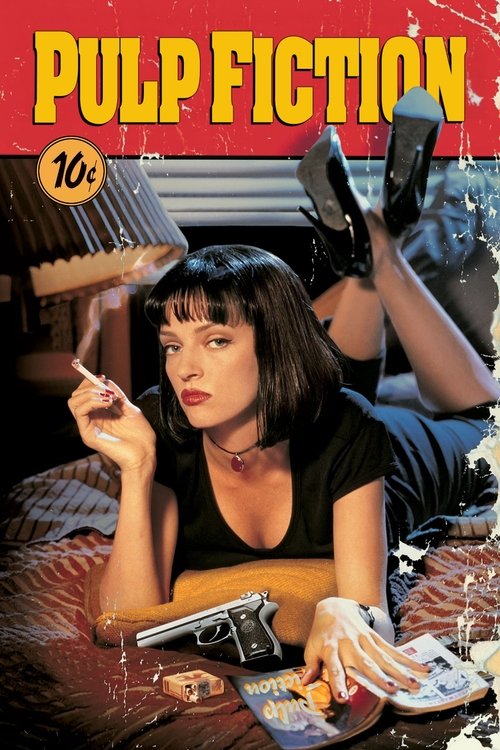
Inception → Pulp Fiction

Inception establishes the immersive charge; Pulp Fiction bends that charge into a different shape. The handoff moves from Christopher Nolan's approach to Quentin Tarantino's, so the lane opens wider without losing its signal. The 1994–2010 spread also turns the pairing into a miniature history of the appetite.

Open adjacent search
Deeper turn

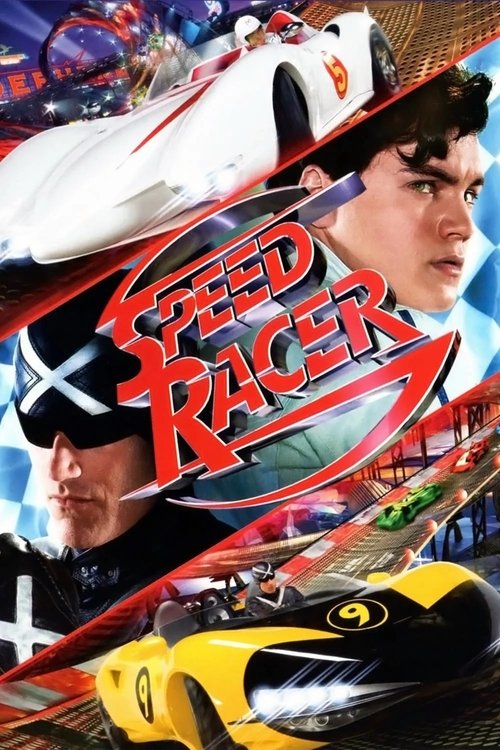
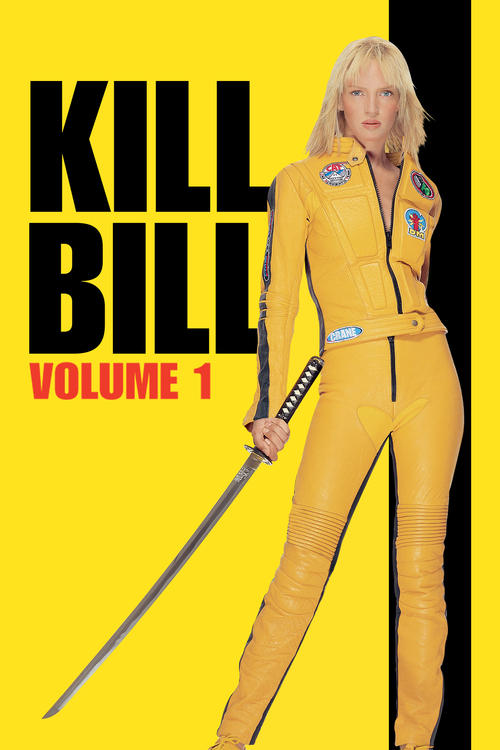
Speed Racer → Kill Bill: Vol. 1

Speed Racer establishes the mythic charge; Kill Bill: Vol. 1 bends that charge into a different shape. The handoff moves from Lana Wachowski & Lilly Wachowski's approach to Quentin Tarantino's, so the lane opens wider without losing its signal. Because the release years sit close together, the pairing plays like two arguments from the same cultural weather.

Open adjacent search

Late-night close

Furiosa: A Mad Max Saga → Near Dark

Furiosa: A Mad Max Saga establishes the visually assertive charge; Near Dark bends that charge into a different shape. The handoff moves from George Miller's approach to Kathryn Bigelow's, so the lane opens wider without losing its signal. The 1987–2024 spread also turns the pairing into a miniature history of the appetite.

Open adjacent search

Collection picks

The movies that define the lane.

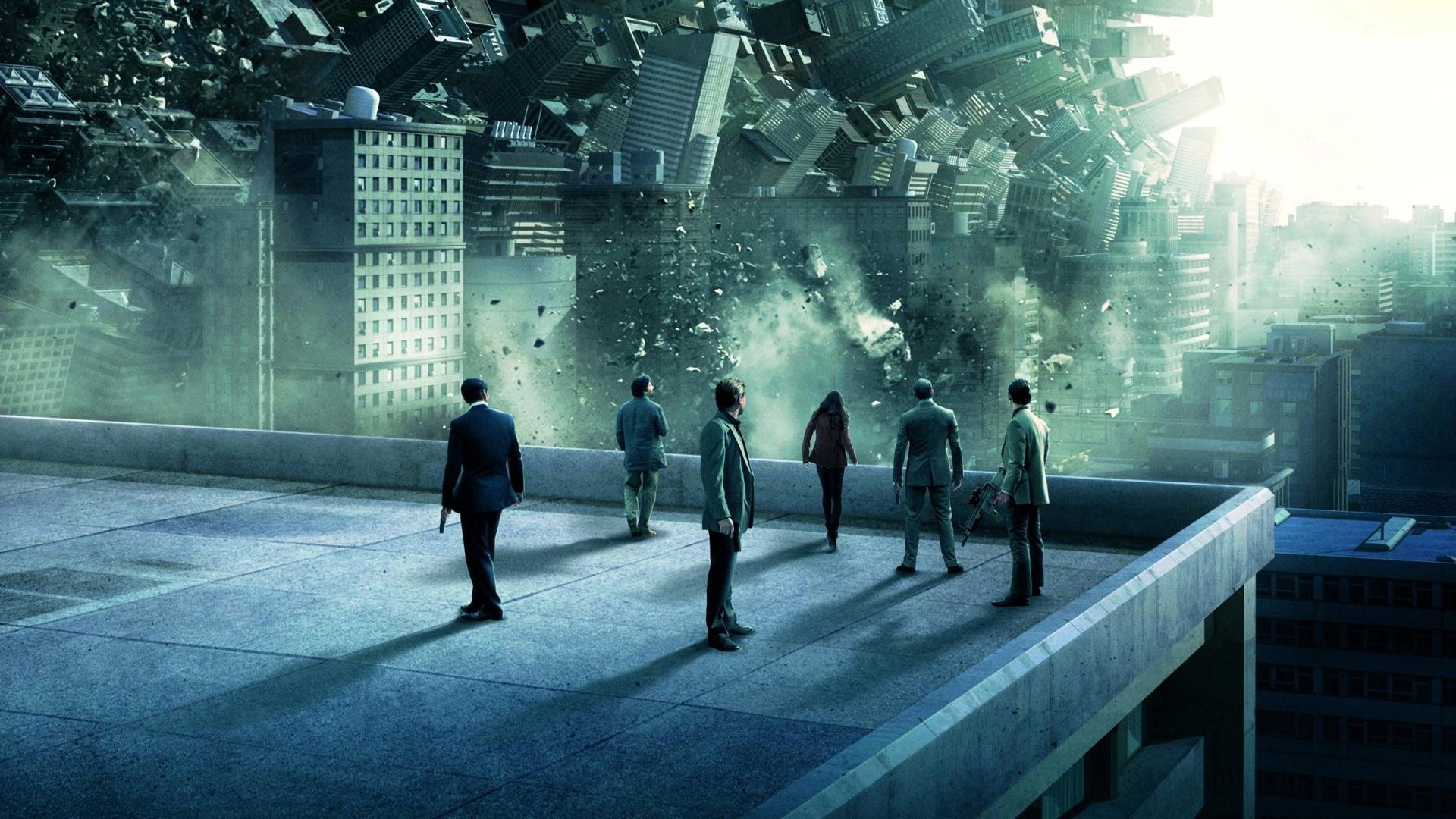
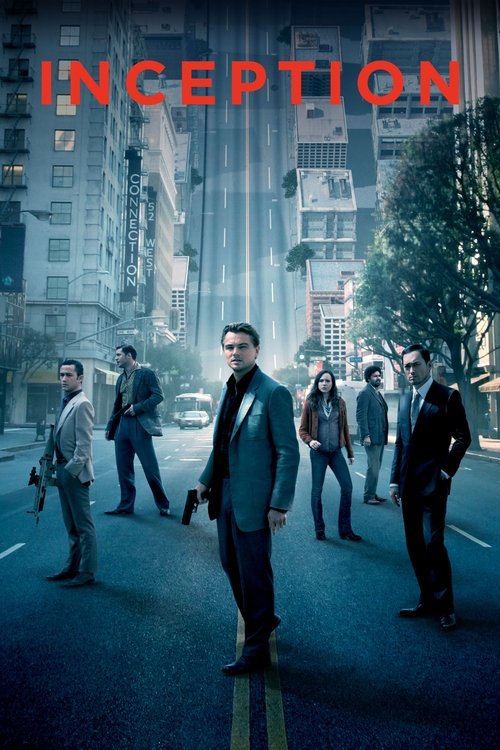
Inception
Inception
Christopher Nolan2010

Dom Cobb sells dream theft as a heist job, but Inception keeps revealing the deeper burglary: grief has already invaded his own architecture. Nolan makes the rules legible enough for blockbuster momentum, then lets each level expose a different pressure point: time dilation, guilt, performance, and the dangerous comfort of choosing a dream that hurts less than waking life.

Pulp Fiction
Pulp Fiction
Quentin Tarantino1994

Hit men, a boxer, a gangster's wife, and two diner robbers orbit the same Los Angeles underworld, but Pulp Fiction keeps changing what their stories mean by changing when we receive them. Tarantino turns talk into suspense and chronology into moral punchline: violence may be casual, but grace, panic, and consequence keep interrupting the pose.

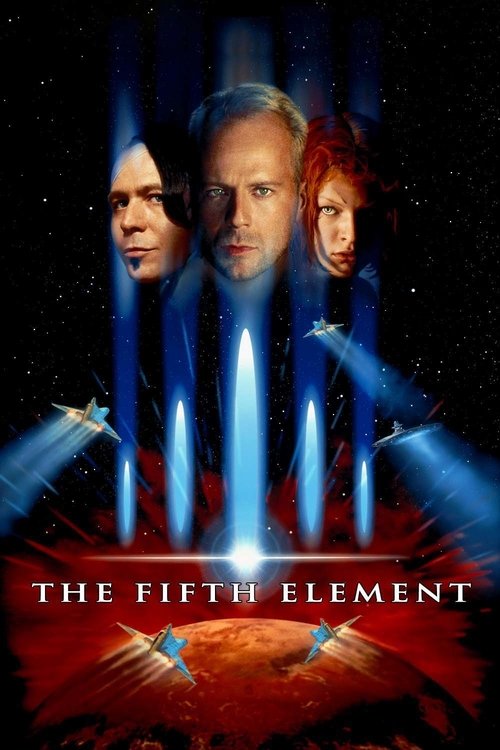
The Fifth Element
The Fifth Element
Luc Besson1997

A cab driver, a supreme being, and a pile of cosmic chaos collide in a flamboyant future where style and apocalypse arrive together.

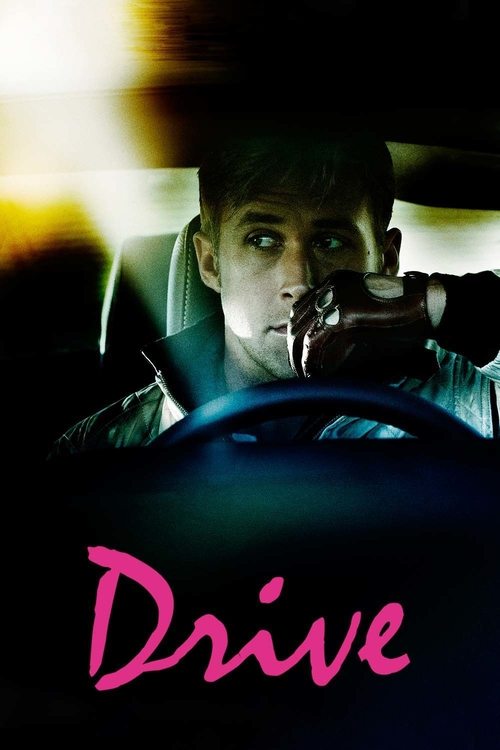
Drive
Drive
Nicolas Winding Refn2011

A Hollywood stunt driver and getaway specialist tries to protect one fragile romance, but Drive keeps turning his control system against him: silence becomes longing, synth-pop becomes confession, and violence exposes the monster inside the hero pose.

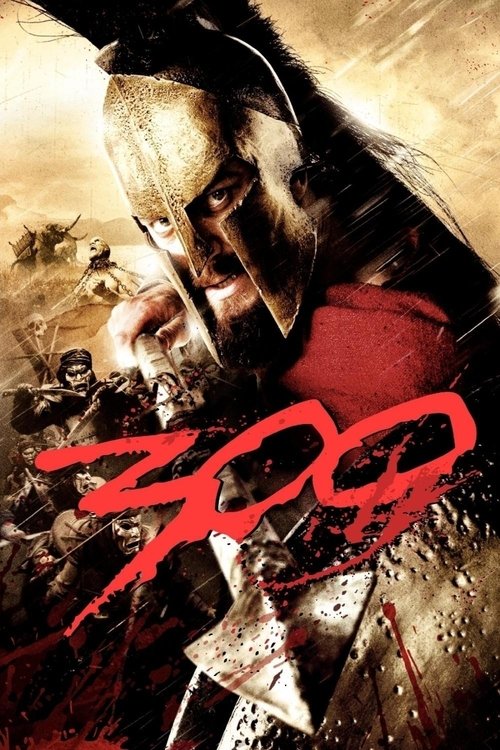
300
300
Zack Snyder2006

King Leonidas and 300 Spartans turn a last stand against the Persian army into blood-red myth, graphic-novel warfare, and pure impossible-odds spectacle.

Speed Racer
Speed Racer
Lana Wachowski & Lilly Wachowski2008

A gifted young driver enters a hyper-stylized racing world where family loyalty, corporate corruption, and pure pop velocity collide at impossible speed.

Kill Bill: Vol. 1
Kill Bill: Vol. 1
Quentin Tarantino2003

A betrayed assassin awakens from a coma and begins a violent revenge campaign against her former team.

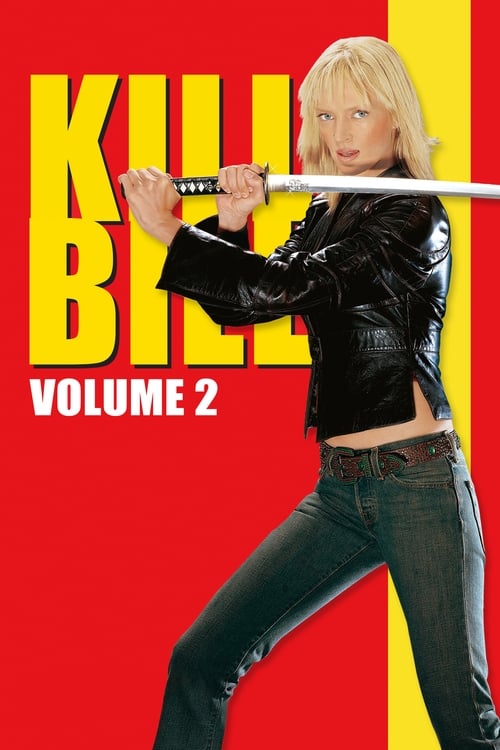
Kill Bill: Vol. 2
Kill Bill: Vol. 2
Quentin Tarantino2004

The Bride continues her revenge path, but the second half cuts deeper into history, regret, and confrontation.

Avatar
Avatar
James Cameron2009

A paraplegic Marine enters an alien body on Pandora and gets pulled into Cameron’s fusion of frontier myth, ecological warning, and worldbuilding spectacle.

Avatar: The Way of Water
James Cameron2022

Cameron returns to Pandora with a family-survival sequel that pushes water, motion, and immersive scale into the center of the movie’s emotional design.

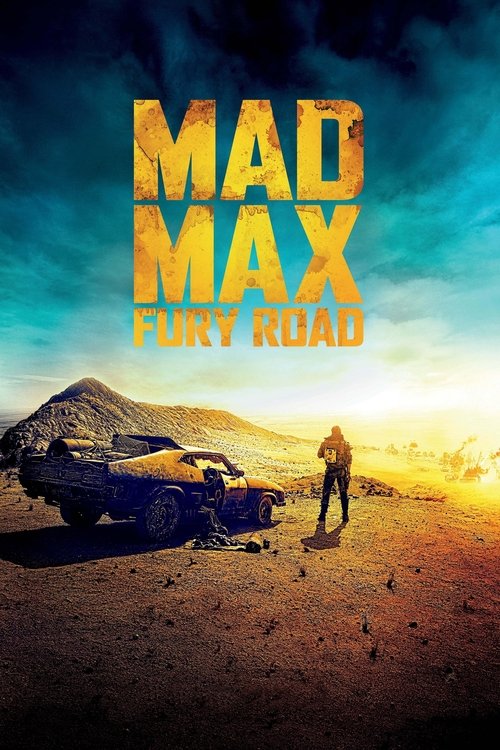
Mad Max: Fury Road
Mad Max: Fury Road
George Miller2015

Max is dragged into Furiosa’s escape route, then the movie turns a desert chase into a clean moral argument about bodies, water, fuel, and who gets to own the future. Fury Road belongs on Cinema One because George Miller builds spectacle like pressure engineering: the route is simple, the image language is ruthless, and every crash, turn, flare, and cut keeps asking whether survival can become rescue instead of just endurance.

Furiosa: A Mad Max Saga
George Miller2024

Furiosa is stolen from the Green Place and spends years learning how the Wasteland turns grief, trade routes, fuel, bullets, and bodies into leverage. Furiosa earns its Thomas Library Spine slot because George Miller refuses to remake Fury Road’s perfect sprint: this is the apprenticeship ledger, where silence, mechanical skill, captivity, and convoy warfare slowly harden into the woman who can eventually turn escape into rescue.

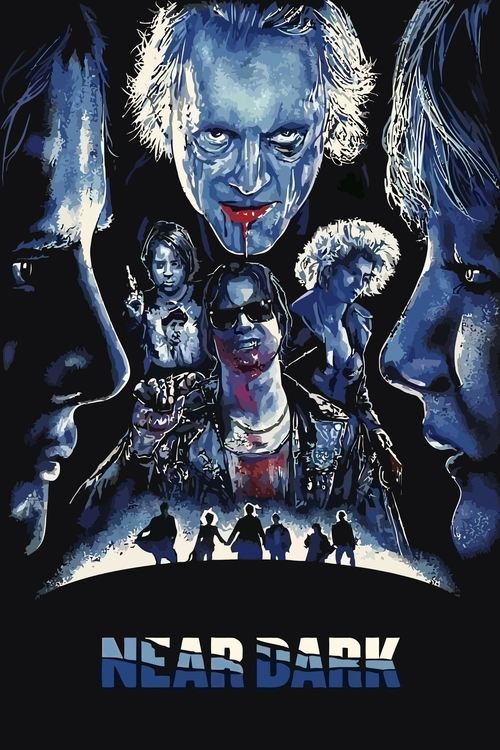
Near Dark
Near Dark
Kathryn Bigelow1987

Caleb falls for Mae on an Oklahoma night road and gets pulled into a roaming vampire family where romance, hunger, and outlaw belonging all come with a body count. Near Dark strengthens Cinema One’s Kathryn Bigelow lane because it treats vampire myth as a western pressure system: stolen vans, cheap motels, barroom violence, sunup deadlines, Tangerine Dream haze, and Bill Paxton turning every grin into a threat with teeth.