
Kill Bill: Vol. 1
Find the movies with rewatch gravity, live dossiers, and unfinished cases worth deepening.
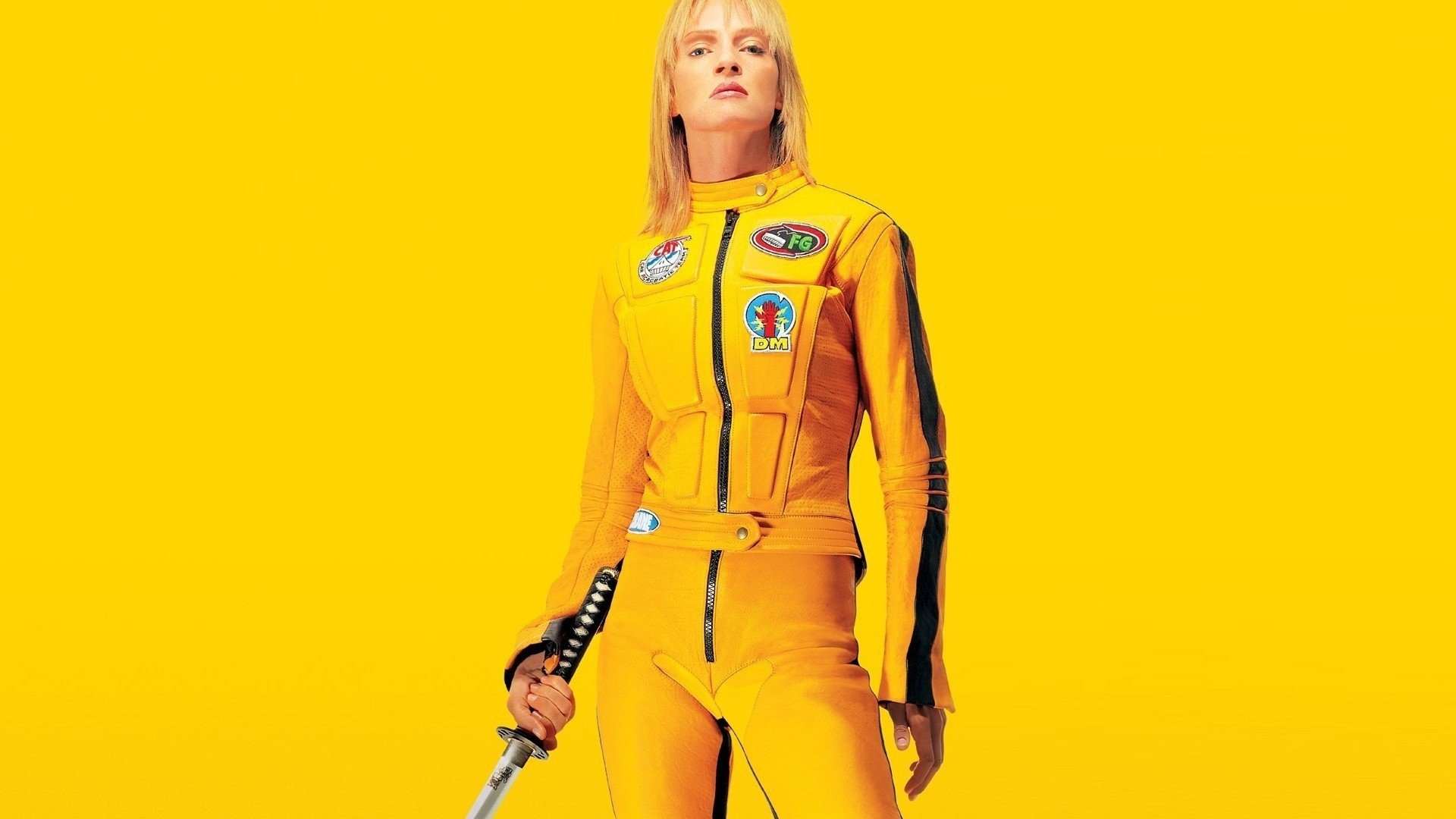
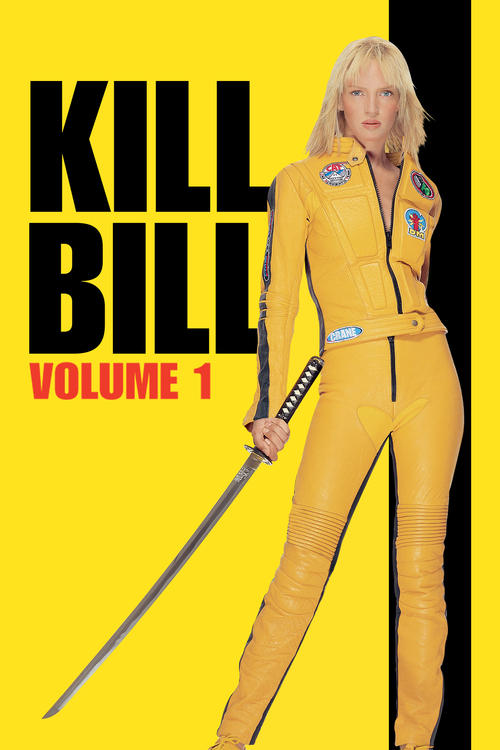
Movie dossier
Kill Bill: Vol. 1
A revenge movie turned into a hyper-stylized action object of color, motion, and score-driven fury.
Latest video signal
Trailer slot ready
A widescreen slot for the newest official trailer, interview, or scene signal when the page has a playable source.
Why it matters
Kill Bill: Vol. 1 matters because it is Tarantino at maximum genre appetite without losing precision. The movie is a flex, yes, but a disciplined one, a revenge engine built from rhythm, iconography, and physical escalation.
Craft read
Martial-arts homage, anime rupture, and pop-color violence fused into one revenge syntax
Built to accelerate, every chapter tightening toward the House of Blue Leaves payoff
One of Tarantino’s most image-rich and instantly recognizable movies
Themes
Cast and context
Coverage status
A fully shaped Cinema One case: the movie has enough authored context, pathway links, and argument to feel like more than a catalog entry.
Production notes
- • Uma Thurman’s Bride works because the performance carries resolve, damage, and mythic force at once.
- • The House of Blue Leaves sequence became canonical because Tarantino treats escalation like musical composition.
- • Vol. 1 is the slash, with Vol. 2 providing the wound underneath.
Watch-next pathway
What should you do after Kill Bill: Vol. 1?
Three intentional continuations: stay with the filmmaker, chase the dominant pressure signal, or jump into the shelf or argument that best explains why this movie belongs here.
Pulp Fiction
The cleanest next move if Quentin Tarantino's control, obsessions, or rhythm are what hooked you here.
More revenge
Use the taste map to find movies, arguments, and shelves that share this page's strongest signal.
Stylized Worlds
Big visual identity, mythic energy, and movies that know exactly how they want to look and feel.
Movie-page argument
Defend Kill Bill: Vol. 1.
If this movie has a scene, performance, ending, or idea people underrate, make the case. The best defenses can become future Cinema One argument material.
Scene challenge
Pick the scene that proves it.
Cinema One is built around scenes that unlock the movie. Tell us which moment carries the pressure, style, argument, or rewatch charge.
Signature scene: the House of Blue Leaves sequence turns revenge into choreography
The showdown at the House of Blue Leaves is the movie’s whole thesis arriving in full. Tarantino treats action not as coverage of combat, but as the architecture of myth. Color, silhouette, steel, music, and movement all lock together until revenge starts to feel less like plot than performance ritual.
Line worth carrying forward
"Those of you lucky enough to still have your lives, take them with you. However, leave the limbs you’ve lost. They belong to me now." The line is absurd, grandiose, and perfect for the movie because Kill Bill lives where threat becomes theater without losing force.
Why the ending works as propulsion rather than closure
Vol. 1 ends by refusing satisfaction. Tarantino gives the audience a huge action climax, then immediately reorients revenge as unfinished business. The final reveal lands because it turns triumph into renewed urgency, keeping the movie hot rather than complete.
Steelman the debate
A reasonable critique is that Kill Bill: Vol. 1 can feel all surface, a dazzling mixtape whose emotional content is deferred to the second half. The strongest defense is that surface is the chosen language here. Tarantino is building revenge as cinematic myth first, then counting on the diptych to reveal the grief and intimacy hidden inside the pose.
More from this director
Related picks
Read next
Kill Bill: Vol. 1 still rips because Tarantino treats genre citation as movement, not trivia, building a revenge movie that keeps changing shape without losing its line of attack.
Tarantino’s debut still crackles because it treats the failed heist as an excuse to trap voice, ego, and suspicion in one room until everyone starts bleeding through their own performance.
Tarantino’s warmest movie lasts because swagger gives way to patience, compromise, and the ache of people trying to buy back a little room to breathe.