
Death Proof
Find the movies with rewatch gravity, live dossiers, and unfinished cases worth deepening.
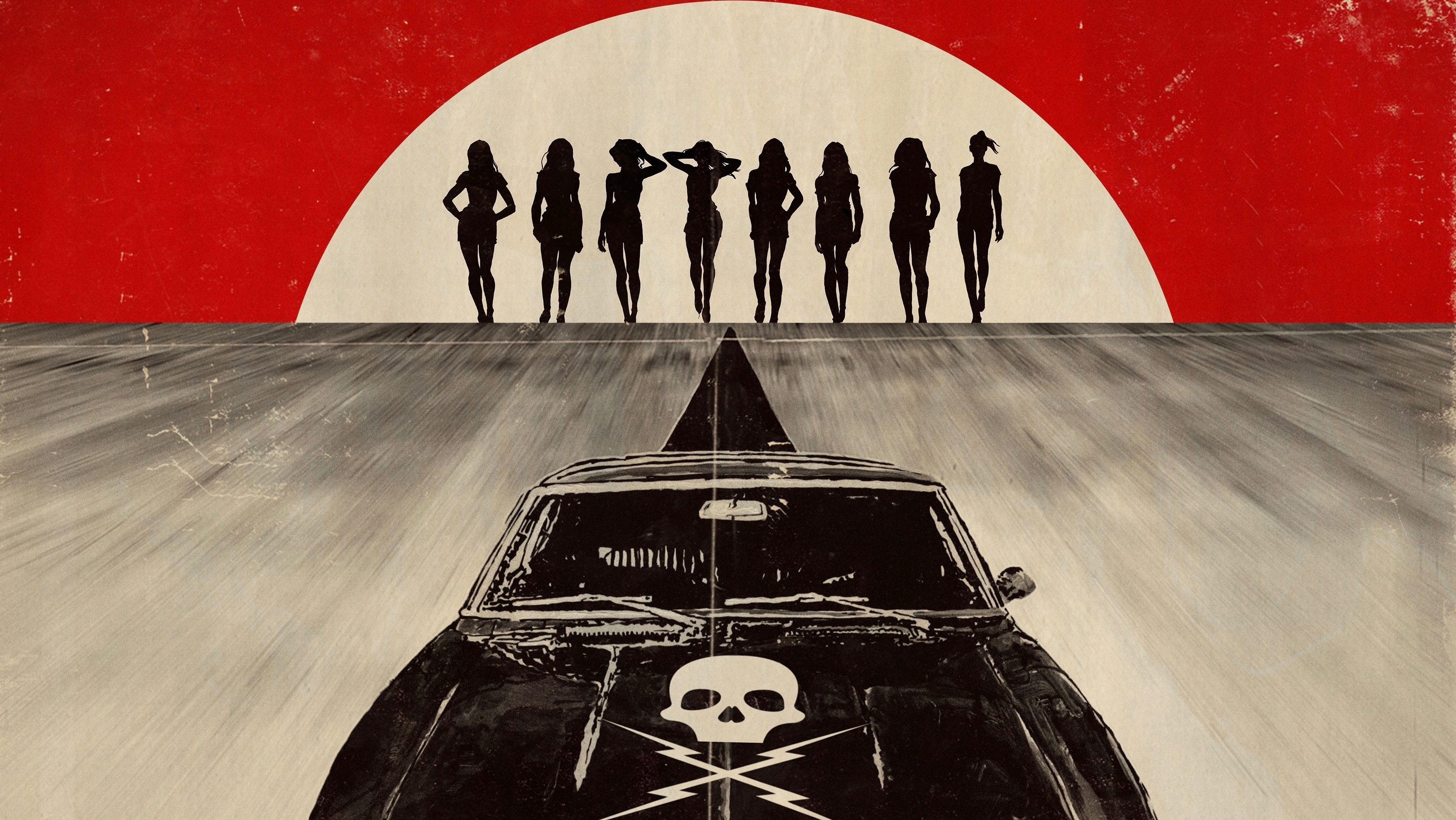
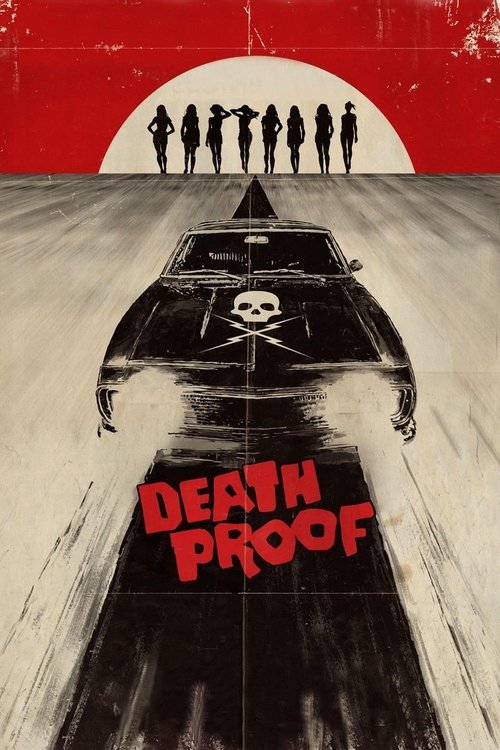
Movie dossier
Death Proof
Tarantino’s scuffed-up car-chase hangout movie, split between predatory menace and the joy of women taking control of the frame.
Latest video signal
Trailer slot ready
A widescreen slot for the newest official trailer, interview, or scene signal when the page has a playable source.
Why it matters
Death Proof matters because it is one of Tarantino’s strangest and most divisive features, a movie where fetish, movie talk, stunt worship, and punishment all grind against each other. Its reputation has improved partly because viewers caught up to how deliberately ragged and tension-dependent the thing really is.
Craft read
Two mirrored halves that turn male threat into female retaliation
Grindhouse wear-and-tear aesthetics used as attitude, not mere retro cosplay
A late-film stunt showcase built on physical risk and analog exhilaration
Themes
Cast and context
Coverage status
A strong case file with real editorial shape: enough craft, context, and connection to guide a serious watch.
Production notes
- • Kurt Russell makes Stuntman Mike scary because he lets fake-cool confidence curdle into pathetic cowardice once control slips.
- • The second-half car chase is the movie’s proof of purpose, Tarantino stripping away chatter just long enough for motion and risk to become the whole point.
- • An important Cinema One page because Tarantino coverage should include the weird, contested titles that reveal his obsessions in rawer form.
Watch-next pathway
What should you do after Death Proof?
Three intentional continuations: stay with the filmmaker, chase the dominant pressure signal, or jump into the shelf or argument that best explains why this movie belongs here.
Pulp Fiction
The cleanest next move if Quentin Tarantino's control, obsessions, or rhythm are what hooked you here.
More predation
Use the taste map to find movies, arguments, and shelves that share this page's strongest signal.
A sharp test case for whether hangout rhythm and car-crash brutality can be the same movie on purpose.
Use this for Tarantino-minor-work defenses, grindhouse debates, and arguments about movies where structure depends on waiting through the vibe before the impact lands.
Movie-page argument
Defend Death Proof.
If this movie has a scene, performance, ending, or idea people underrate, make the case. The best defenses can become future Cinema One argument material.
Scene challenge
Pick the scene that proves it.
Cinema One is built around scenes that unlock the movie. Tell us which moment carries the pressure, style, argument, or rewatch charge.
Signature scene: the final chase turns cinephile fetish into actual physical ecstasy
Death Proof finally cashes its checks when the chase stops being reference texture and becomes pure velocity. Zoë Bell on the hood is the image that justifies the movie’s whole belief in stunt performance as cinema’s most direct kind of thrill.
Line worth carrying forward
"As long as this machine is around, I can do anything I want." The line is Mike in miniature, a man mistaking a piece of machinery for a philosophy, power fantasy, and moral exemption all at once.
Why the ending snaps the movie into place
The ending works because Tarantino does not overcomplicate the reversal once it arrives. After so much lounging and threat calibration, the simple brutality of Mike getting hunted down becomes both catharsis and punchline, exactly the rude clarity the film has been withholding.
Steelman the debate
The strongest critique is that Death Proof can feel indulgent, overly chatty, and too enamored of its own vibe to justify the sprawl. The best defense is that the sprawl is part of the trap. Tarantino wants the audience living in hangout texture long enough for menace, then stunt spectacle, to hit with disproportionate force.
Shows up in
Collection pathway still being shaped.
More from this director
Related picks
Read next
Death Proof has aged upward because its loose talk, abrasive structure, and practical-car violence all serve a movie that cares more about recoil, attitude, and physical cinema than consensus approval.
Kill Bill: Vol. 1 still rips because Tarantino treats genre citation as movement, not trivia, building a revenge movie that keeps changing shape without losing its line of attack.
Jackie Brown, Kill Bill: Vol. 2, The Hateful Eight, and Once Upon a Time in Hollywood all reveal a filmmaker getting more interested in aftermath, drift, and emotional residue than in pure pop detonation.