
Pulp Fiction
Find the movies with rewatch gravity, live dossiers, and unfinished cases worth deepening.
Movie dossier
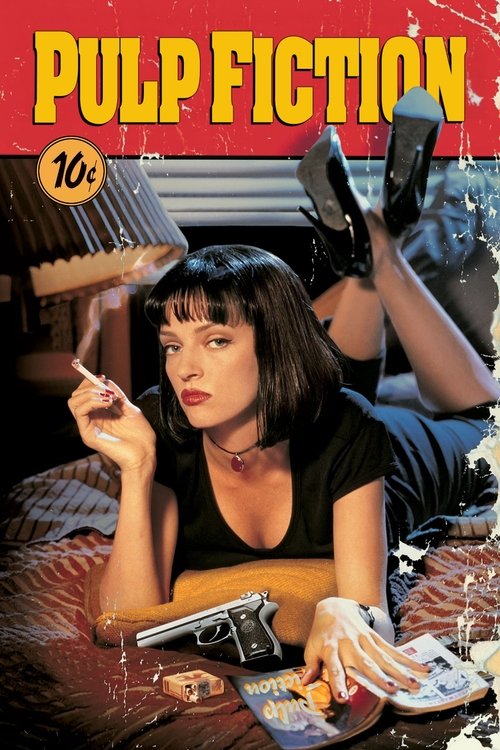
Pulp Fiction
The seismic Tarantino breakthrough, where structure, talk, violence, and pleasure all hit at once.
Latest video signal
Trailer slot ready
A widescreen slot for the newest official trailer, interview, or scene signal when the page has a playable source.
Why it matters
Pulp Fiction matters because it makes looseness feel designed. Tarantino and Sally Menke let scenes breathe like hangouts, then cut the larger movie so accidents, miracles, betrayals, and bad decisions keep returning with new moral charge. The result is not just quotable cool; it is a crime movie where rhythm becomes worldview.
Craft read
Chronology shattered into character, irony, consequence, and delayed grace
Conversation used as suspense, comedy, threat, etiquette, and self-mythology
Sally Menke’s emotional timing lets talk sprawl without losing pressure
Themes
Cast and context
nonlinear • hitman • los angeles • violence • pop culture
Coverage status
A fully shaped Cinema One case: the movie has enough authored context, pathway links, and argument to feel like more than a catalog entry.
Production notes
- • Menke’s Guardian account is the useful craft key: she cut scenes for emotional and dramatic function first, then Tarantino would lay in music and tune to the beat, which explains why the movie feels conversational without going slack.
- • The Cannes shock matters because Pulp Fiction was divisive before it was canon; Tarantino’s own line about making movies that “split people apart” is still the right lens for its rude, unstable charge.
- • The movie’s influence is easy to flatten into surface imitation, but the real engine is control: long talk scenes, hard tonal switches, nonlinear payoff, and sudden moral weather.
Watch-next pathway
What should you do after Pulp Fiction?
Three intentional continuations: stay with the filmmaker, chase the dominant pressure signal, or jump into the shelf or argument that best explains why this movie belongs here.
Django Unchained
The cleanest next move if Quentin Tarantino's control, obsessions, or rhythm are what hooked you here.
More chance
Use the taste map to find movies, arguments, and shelves that share this page's strongest signal.
Stylized Worlds
Big visual identity, mythic energy, and movies that know exactly how they want to look and feel.
Movie-page argument
Defend Pulp Fiction.
If this movie has a scene, performance, ending, or idea people underrate, make the case. The best defenses can become future Cinema One argument material.
Scene challenge
Pick the scene that proves it.
Cinema One is built around scenes that unlock the movie. Tell us which moment carries the pressure, style, argument, or rewatch charge.
Cinema One case file
The argument this page is making
A movie about criminal cool that keeps puncturing cool with panic, accident, boredom, grace, and stupidity.
A structure-and-voice machine where chronology becomes attitude: stories circle each other until consequence feels mythic instead of linear.
Pop memory, needle drops, diner talk, underworld ritual, and sudden violence arranged like a mixtape with moral aftershocks.
Keep the page from becoming quote karaoke; the deeper argument is how talk, structure, and fate make pulp feel sacred and profane at once.
Production file
How the movie became this object
Chronology as attitude
The scrambled structure is not just a trick. It lets the movie treat crime stories like oral folklore, where the order matters less than the charge each story leaves behind.
Dialogue as pressure, not decoration
Characters talk around violence, over food, through etiquette, and inside genre ritual, but the scenes are never only hangouts. Menke’s emotional timing keeps the pauses loaded, so chatter becomes threat, flirtation, delay, and self-exposure before anyone reaches for a gun.
Grace inside trash culture
The movie is full of junk surfaces and pulp behavior, but it keeps returning to conversion, mercy, survival, and the possibility that a person can step out of the story they were performing.
Scene architecture
The moments that change the machine
The diner frame
Opening and closing in the diner turns the movie into a loop about performance and interruption. By the end, the same room has a different moral temperature.
The apartment execution
The scene stretches intimidation into comedy, then flips into miracle. It is the movie teaching you that cool control can be broken by something the characters cannot categorize.
The overdose rescue
Tarantino stages panic as anti-cool: shouting, driving, needles, instructions, and terror replacing the smooth myth criminals try to sell about themselves.
Cultural afterlife
What people did with it afterward
The quotation problem
Pulp Fiction became so quotable that its construction can get underrated. The real argument is structure and moral pressure, not just lines.
Indie-mainstream rupture
Its afterlife is a decade of imitators misunderstanding surface cool while missing the precision of rhythm, casting, and narrative arrangement.
Still dangerous because it is funny
The movie endures because the comedy never fully neutralizes the threat. The joke and the gun keep sharing the same table.
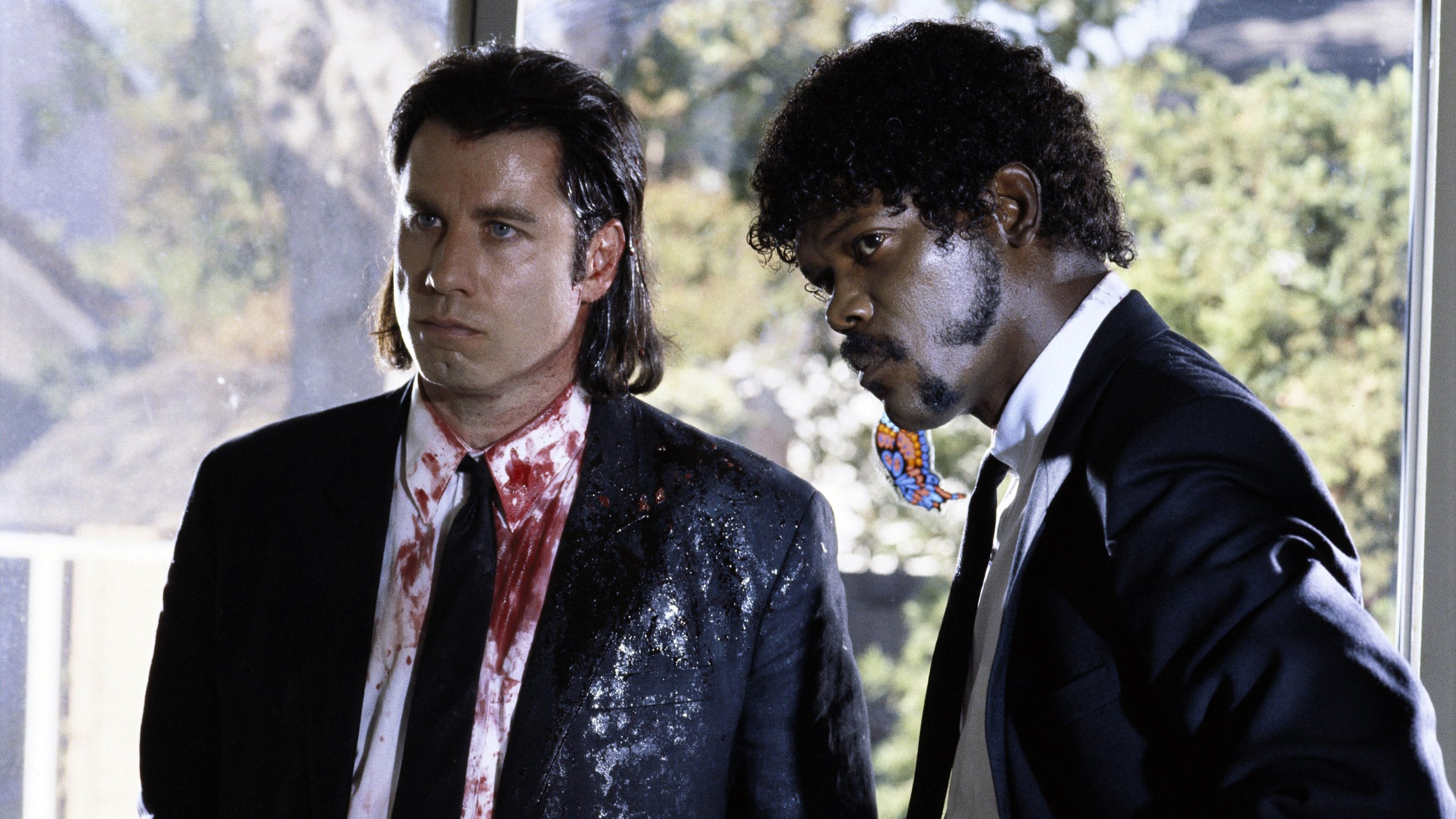
Signature scene: Jules and Vincent at Brett’s apartment
This is where the movie announces its control over tone. It is funny, frightening, conversational, theatrical, and violent all at once, but the secret weapon is timing: the scene delays impact until the room has learned everyone’s rhythm, then turns a breakfast order into a death sentence.
Line worth carrying forward
The Ezekiel speech matters not just because it is iconic, but because Tarantino turns performance into destiny. The line becomes different each time Jules says it, and the movie changes with it.
Why the structure pays off
Pulp Fiction ends by looping back to moral possibility. Instead of climax as escalation only, Tarantino gives the movie a strange grace note, redemption inside swagger.
Steelman the debate
The strongest pushback on Pulp Fiction is that people often reduce it to coolness, surface play, and endlessly imitated dialogue. The better reading is that the coolness is inseparable from structure, timing, and moral play. The film changed culture because it was built with discipline, not because it accidentally sounded great.
More from this director
Related picks
Read next
Quentin Tarantino's non-linear masterpiece redefined storytelling in modern cinema through its bold narrative experiments.
Tarantino’s debut still crackles because it treats the failed heist as an excuse to trap voice, ego, and suspicion in one room until everyone starts bleeding through their own performance.
Kill Bill: Vol. 1 still rips because Tarantino treats genre citation as movement, not trivia, building a revenge movie that keeps changing shape without losing its line of attack.