
Jackie Brown
Find the movies with rewatch gravity, live dossiers, and unfinished cases worth deepening.

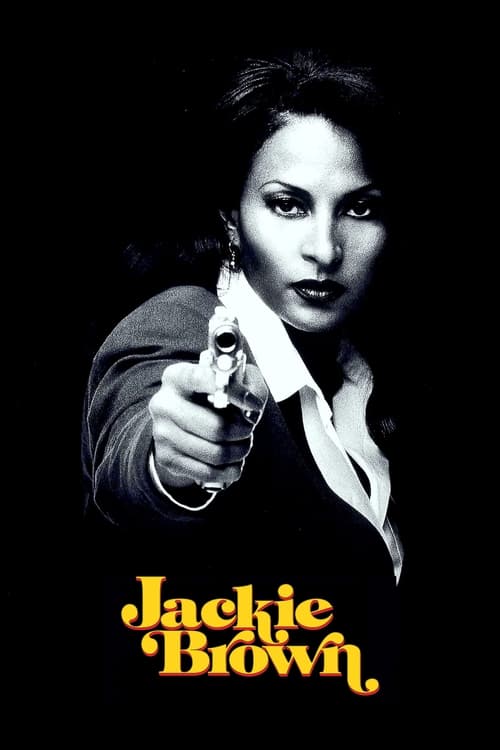
Movie dossier
Jackie Brown
Tarantino’s warmest crime movie, patient enough to let age, regret, and strategy do the work.
Latest video signal
Trailer slot ready
A widescreen slot for the newest official trailer, interview, or scene signal when the page has a playable source.
Why it matters
Jackie Brown matters because it shows Tarantino easing off pure swagger without losing control. The movie is soulful, funny, melancholy, and built around people measuring what one last move might cost or save.
Craft read
Relaxed, humane crime storytelling with real patience and adult sadness
Pam Grier and Robert Forster give the film its bruised romantic gravity
A late-blooming favorite because its maturity gets clearer over time
Themes
Cast and context
Coverage status
A fully shaped Cinema One case: the movie has enough authored context, pathway links, and argument to feel like more than a catalog entry.
Production notes
- • Adapted from Elmore Leonard, which helps shift Tarantino from pure verbal exhibition into more observational rhythm.
- • Pam Grier’s star text matters deeply here, the movie gains emotional history the moment she walks onscreen.
- • One of the best arguments that Tarantino can be tender without becoming soft or shapeless.
Watch-next pathway
What should you do after Jackie Brown?
Three intentional continuations: stay with the filmmaker, chase the dominant pressure signal, or jump into the shelf or argument that best explains why this movie belongs here.
Pulp Fiction
The cleanest next move if Quentin Tarantino's control, obsessions, or rhythm are what hooked you here.
More aging
Use the taste map to find movies, arguments, and shelves that share this page's strongest signal.
Rewatchables
Movies built for return visits, momentum, quotability, texture, and pure replay value.
Movie-page argument
Defend Jackie Brown.
If this movie has a scene, performance, ending, or idea people underrate, make the case. The best defenses can become future Cinema One argument material.
Scene challenge
Pick the scene that proves it.
Cinema One is built around scenes that unlock the movie. Tell us which moment carries the pressure, style, argument, or rewatch charge.
Signature scene: Jackie outplays everyone at the mall
The mall sequence is where Jackie Brown reveals just how exact it is about timing, intelligence, and emotional stakes. Tarantino turns ordinary retail geography into strategy space, but the thrill comes from watching Jackie seize authorship of a system built to use her up.
Line worth carrying forward
"I’m not your friend, Ordell. I know a lot of people that wanna put your ass in jail." The line lands because Jackie finally stops letting male confidence control the room. Tarantino gives her not just a comeback, but a shift in power grammar.
Why the ending aches instead of celebrating
Jackie Brown ends beautifully because it understands that winning is not the same thing as getting your life back. The movie lets Jackie survive on her own terms, but it also lets loneliness and missed timing stay in the frame, which is what gives the ending its adult sadness.
Steelman the debate
The common pushback is that Jackie Brown feels minor next to Tarantino’s louder, more quotable movies. The best answer is that its relative softness is exactly the point. Tarantino trades maximal flash for observation, and the result is one of his richest films about compromise, age, and people trying not to waste the little leverage they still have.
More from this director
Related picks
Read next
Tarantino’s warmest movie lasts because swagger gives way to patience, compromise, and the ache of people trying to buy back a little room to breathe.
Jackie Brown, Kill Bill: Vol. 2, The Hateful Eight, and Once Upon a Time in Hollywood all reveal a filmmaker getting more interested in aftermath, drift, and emotional residue than in pure pop detonation.
Tarantino’s debut still crackles because it treats the failed heist as an excuse to trap voice, ego, and suspicion in one room until everyone starts bleeding through their own performance.