
Reservoir Dogs
Find the movies with rewatch gravity, live dossiers, and unfinished cases worth deepening.
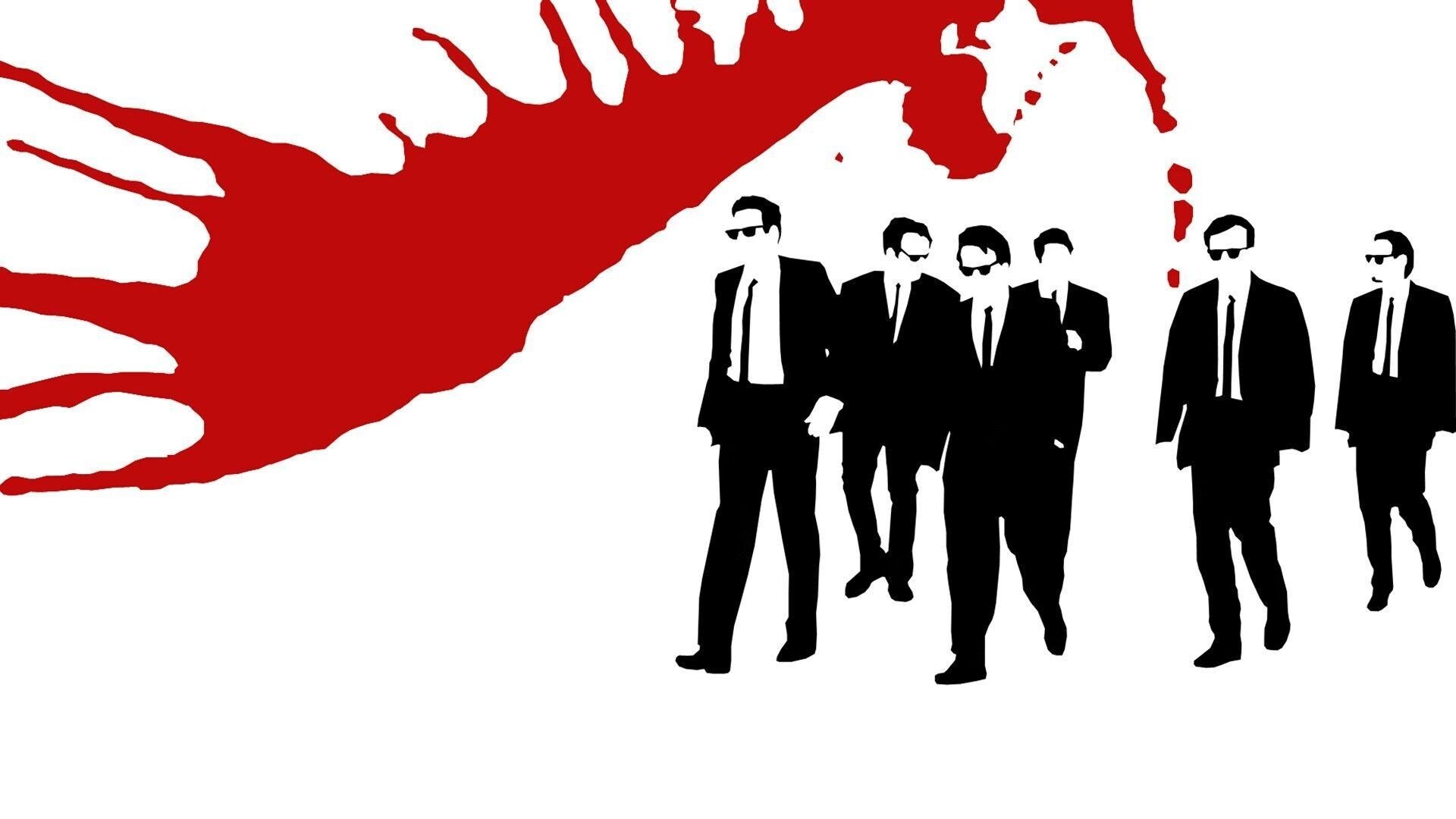
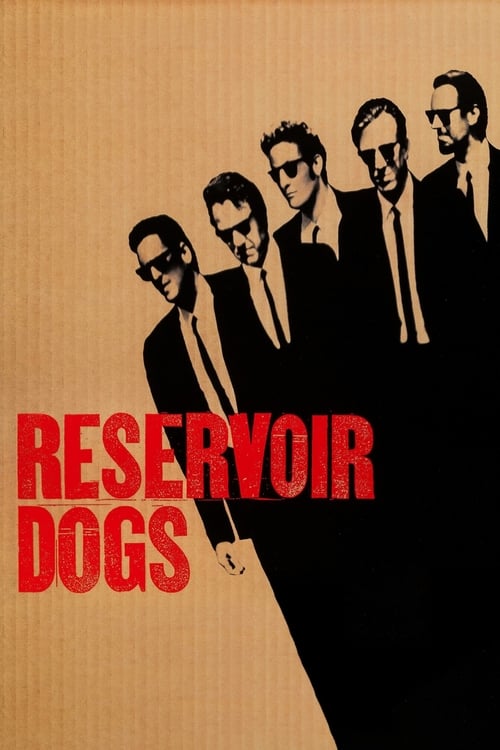
Movie dossier
Reservoir Dogs
The debut Tarantino pressure cooker, all talk, distrust, and escalating blood on the floor.
Latest video signal
Trailer slot ready
A widescreen slot for the newest official trailer, interview, or scene signal when the page has a playable source.
Why it matters
Reservoir Dogs matters because it announces Tarantino not just as a dialogue stylist, but as a scene-tension director. The movie turns aftermath, suspicion, and performance into a whole identity at feature scale.
Craft read
A botched-heist aftermath built out of accusation, withholding, and shifting loyalties
Dialogue as swagger, camouflage, and psychological attack
A defining indie-crime debut that reshaped the feel of 1990s cool
Themes
Cast and context
Coverage status
A fully shaped Cinema One case: the movie has enough authored context, pathway links, and argument to feel like more than a catalog entry.
Production notes
- • The heist itself stays offscreen, which lets Tarantino build the whole film around consequence and uncertainty instead of spectacle.
- • The warehouse setting gives the movie its chamber-piece pressure, even as the time structure opens it outward in fragments.
- • One of the clearest origin points for Tarantino’s reputation as a writer-director whose scenes could generate full cultural afterlife.
Watch-next pathway
What should you do after Reservoir Dogs?
Three intentional continuations: stay with the filmmaker, chase the dominant pressure signal, or jump into the shelf or argument that best explains why this movie belongs here.
Pulp Fiction
The cleanest next move if Quentin Tarantino's control, obsessions, or rhythm are what hooked you here.
More loyalty
Use the taste map to find movies, arguments, and shelves that share this page's strongest signal.
Tension Machines
Command decisions, brinkmanship, pressure, and movies that tighten the screws scene by scene.
Movie-page argument
Defend Reservoir Dogs.
If this movie has a scene, performance, ending, or idea people underrate, make the case. The best defenses can become future Cinema One argument material.
Scene challenge
Pick the scene that proves it.
Cinema One is built around scenes that unlock the movie. Tell us which moment carries the pressure, style, argument, or rewatch charge.
Signature scene: the warehouse trust system starts to collapse
Reservoir Dogs becomes itself once the criminals stop acting like professionals and start acting like frightened men auditioning for control. Tarantino stages suspicion as theater. Every accusation is also a performance for the room, which is why the movie feels combustible even when everyone is standing still.
Line worth carrying forward
"Are you gonna bark all day, little doggie, or are you gonna bite?" survives because it captures the movie’s whole masculine pose in one taunt. In Reservoir Dogs, language is never just flavor. It is the quickest way to seize status, provoke violence, or expose panic.
Why the ending lands like a gunshot instead of a twist
The finale works because Tarantino has made the whole room morally unstable long before the last revelations click into place. When the final truth lands, it does not reorganize the movie into neatness. It confirms that every code the characters claimed to live by was always one panic away from collapse.
Steelman the debate
A fair criticism is that Reservoir Dogs can feel more like a statement of cool control than a fully matured movie, a brilliant calling card whose characters are sometimes thinner than its attitude. The best defense is that the attitude is the character system. Tarantino is making a crime film about men who know themselves mostly through movie-derived posture, and the thinness is part of the exposure.
More from this director
Related picks
Read next
Tarantino’s debut still crackles because it treats the failed heist as an excuse to trap voice, ego, and suspicion in one room until everyone starts bleeding through their own performance.
Tarantino’s warmest movie lasts because swagger gives way to patience, compromise, and the ache of people trying to buy back a little room to breathe.
Jackie Brown, Kill Bill: Vol. 2, The Hateful Eight, and Once Upon a Time in Hollywood all reveal a filmmaker getting more interested in aftermath, drift, and emotional residue than in pure pop detonation.