
Kill Bill: Vol. 2
Find the movies with rewatch gravity, live dossiers, and unfinished cases worth deepening.

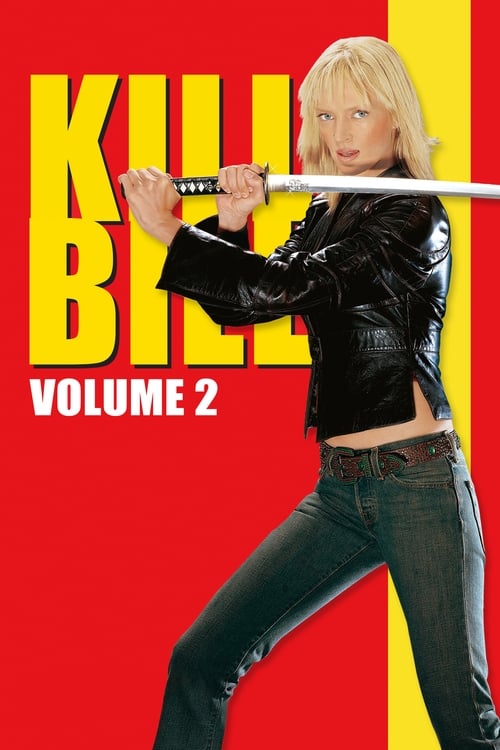
Movie dossier
Kill Bill: Vol. 2
The companion piece that swaps pure propulsion for talk, memory, and the bruised logic underneath revenge.
Latest video signal
Trailer slot ready
A widescreen slot for the newest official trailer, interview, or scene signal when the page has a playable source.
Why it matters
Kill Bill: Vol. 2 matters because it reveals the project was never only about action bravado. Tarantino slows the pulse, lets character and history breathe, and proves the Bride saga can hold sadness, irony, and strange tenderness too.
Craft read
Trades the first film’s velocity for western drift, buried history, and chamber-scene tension
Dialogue and backstory carry as much weight here as blades did in Vol. 1
Completes the diptych by turning style into emotional reckoning
Themes
Cast and context
Coverage status
A fully shaped Cinema One case: the movie has enough authored context, pathway links, and argument to feel like more than a catalog entry.
Production notes
- • The movie’s greatness depends on Tarantino understanding that a second half can deepen by cooling down, not just by going bigger.
- • The Pai Mei training and Budd chapters stretch the revenge fantasy into something stranger and sadder.
- • David Carradine gives Bill exactly the mixture of charm, intelligence, and self-justification the finale requires.
Watch-next pathway
What should you do after Kill Bill: Vol. 2?
Three intentional continuations: stay with the filmmaker, chase the dominant pressure signal, or jump into the shelf or argument that best explains why this movie belongs here.
Pulp Fiction
The cleanest next move if Quentin Tarantino's control, obsessions, or rhythm are what hooked you here.
More revenge
Use the taste map to find movies, arguments, and shelves that share this page's strongest signal.
Stylized Worlds
Big visual identity, mythic energy, and movies that know exactly how they want to look and feel.
Movie-page argument
Defend Kill Bill: Vol. 2.
If this movie has a scene, performance, ending, or idea people underrate, make the case. The best defenses can become future Cinema One argument material.
Scene challenge
Pick the scene that proves it.
Cinema One is built around scenes that unlock the movie. Tell us which moment carries the pressure, style, argument, or rewatch charge.
Signature scene: the kitchen conversation before the final reckoning
Kill Bill: Vol. 2 reaches full power when Tarantino lets violence wait and gives the Bride and Bill room to talk. The suspense comes from history, affection, resentment, and the knowledge that every soft exchange is sitting on top of a fatal conclusion. It is one of his best examples of dialogue as a loaded weapon.
Line worth carrying forward
Bill’s Superman monologue lasts because it is revealing and pathetic at the same time. He tries to philosophize his way into emotional superiority, and Tarantino lets the speech expose ego, self-mythology, and romantic delusion all at once.
Why the ending lands as release and wreckage together
The ending works because Tarantino does not confuse revenge completion with emotional neatness. The final confrontation is intimate, almost gentle in tempo, which makes the release afterward feel earned but also weirdly fragile. The movie understands that survival after vengeance can feel like collapse before it feels like peace.
Steelman the debate
The easiest complaint is that Vol. 2 drains the first movie’s exhilarating momentum and replaces it with self-indulgent talking. The best rebuttal is that the tonal pivot is what makes the whole project more than an action exercise. Tarantino slows down because the characters can no longer hide inside myth alone, and the film is better for forcing that reckoning.
More from this director
Related picks
Read next
Jackie Brown, Kill Bill: Vol. 2, The Hateful Eight, and Once Upon a Time in Hollywood all reveal a filmmaker getting more interested in aftermath, drift, and emotional residue than in pure pop detonation.
Tarantino’s debut still crackles because it treats the failed heist as an excuse to trap voice, ego, and suspicion in one room until everyone starts bleeding through their own performance.
Kill Bill: Vol. 1 still rips because Tarantino treats genre citation as movement, not trivia, building a revenge movie that keeps changing shape without losing its line of attack.