Kill Bill: Vol. 1 and the High-Wire Pleasure of Turning Revenge Into Form
Kill Bill: Vol. 1 still rips because Tarantino treats genre citation as movement, not trivia, building a revenge movie that keeps changing shape without losing its line of attack.
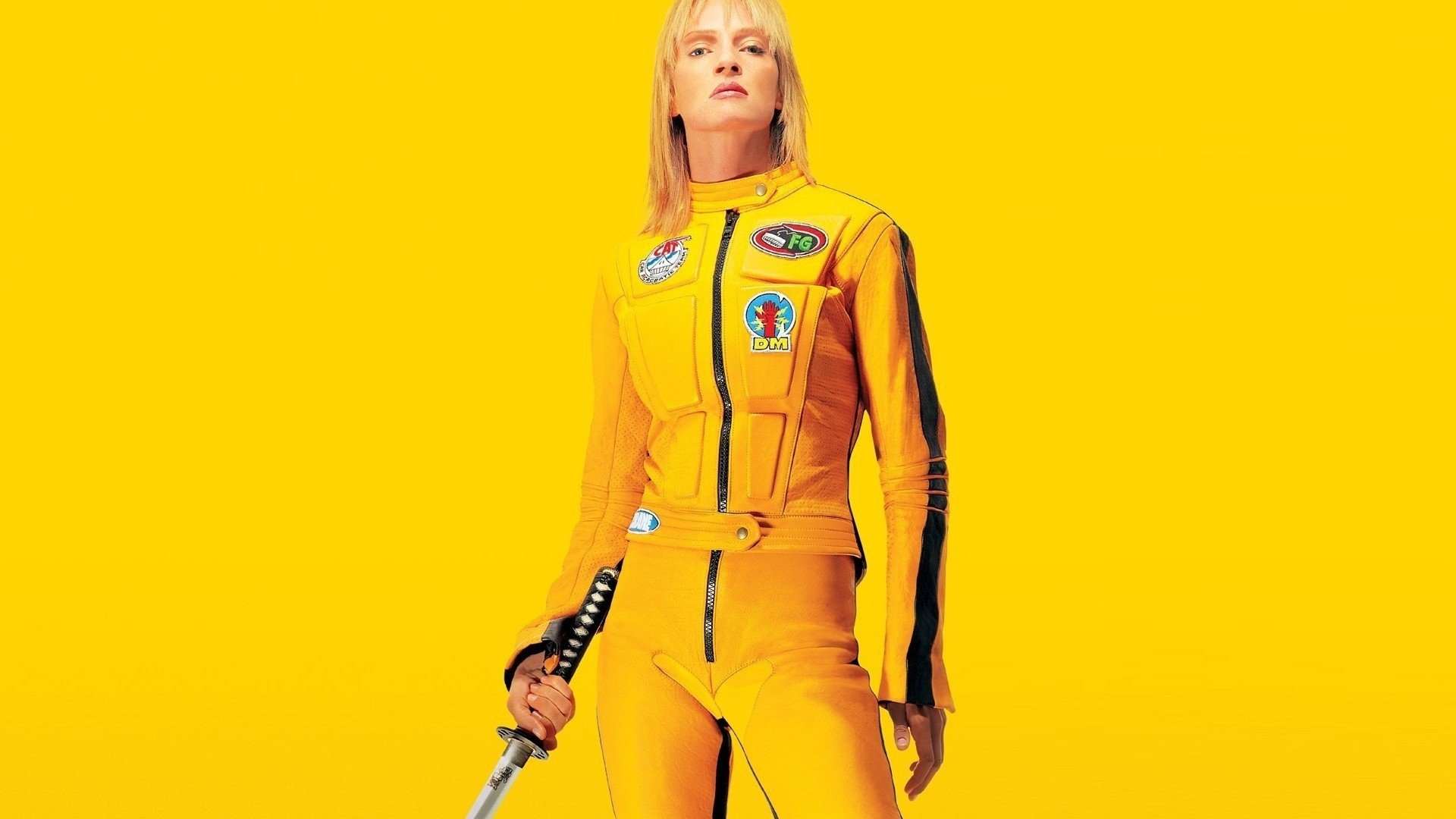
Kill Bill: Vol. 1 is one of Tarantino’s purest propulsion machines. It is less interested in psychological explanation than in rhythm, escalation, and the exhilaration of watching style become combat logic. That does not make it empty. It makes it precise about where its feeling lives: in momentum, in score choices, in silhouettes, in the sensation of a movie permanently winding itself tighter.
The Bride as Force Vector
Uma Thurman holds the whole enterprise together because she understands that the character has to play as both icon and wound. The Bride is stripped down in Vol. 1 to intent, competence, and damage, which lets Tarantino build an almost mythic revenge line without losing the sense that every confrontation has blood memory behind it.
Why the Shape-Shifting Works
One reason the film survives endless imitation is that Tarantino knows how to modulate texture without breaking the movie. Anime backstory, deadpan comedy, grindhouse brutality, wuxia reverence, and pop color design all snap into place because he treats them as parts of one revenge grammar rather than disconnected references.
Action Cinema as Editorial Confidence
The House of Blue Leaves sequence remains central not only because it is spectacular, but because it clarifies Tarantino’s whole wager. He believes form can carry feeling if the control is strong enough. Kill Bill: Vol. 1 is the movie where that belief becomes undeniable, a demonstration of how much emotion can ride inside choreography, framing, and release.
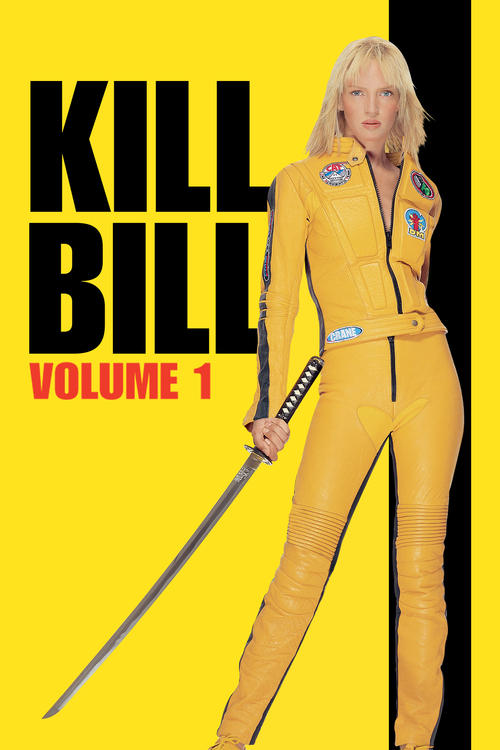
Kill Bill: Vol. 1
2003 • Quentin Tarantino
Go for the kill.
Movies to pair with this read


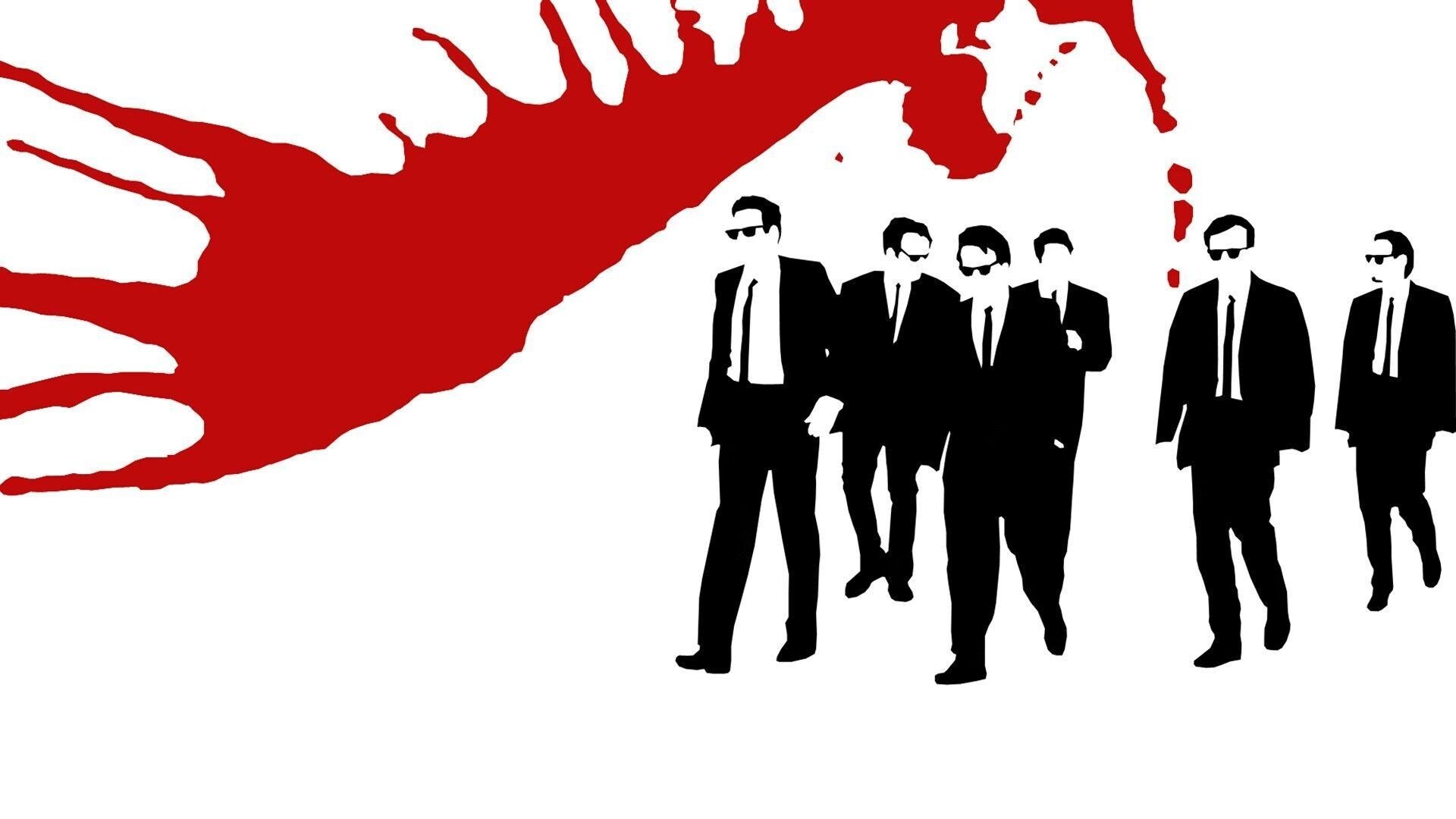
Reservoir Dogs and the Genius of Building a Crime Movie Out of the Aftermath
Tarantino’s debut still crackles because it treats the failed heist as an excuse to trap voice, ego, and suspicion in one room until everyone starts bleeding through their own performance.
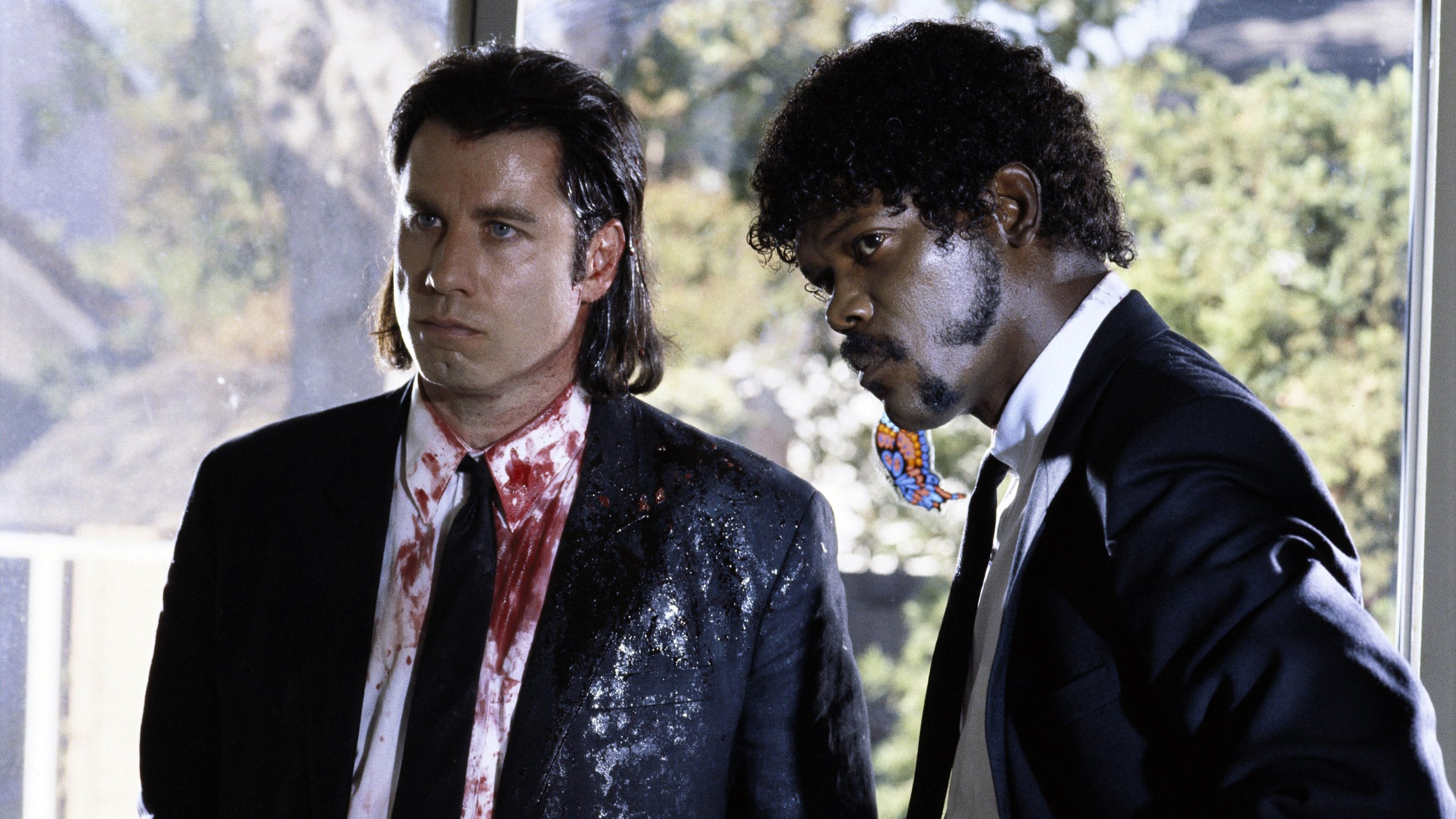
Pulp Fiction: Revolutionizing Narrative Structure in Cinema
Quentin Tarantino's non-linear masterpiece redefined storytelling in modern cinema through its bold narrative experiments.

How Tarantino’s Later Films Trade Cool for Consequence
Jackie Brown, Kill Bill: Vol. 2, The Hateful Eight, and Once Upon a Time in Hollywood all reveal a filmmaker getting more interested in aftermath, drift, and emotional residue than in pure pop detonation.
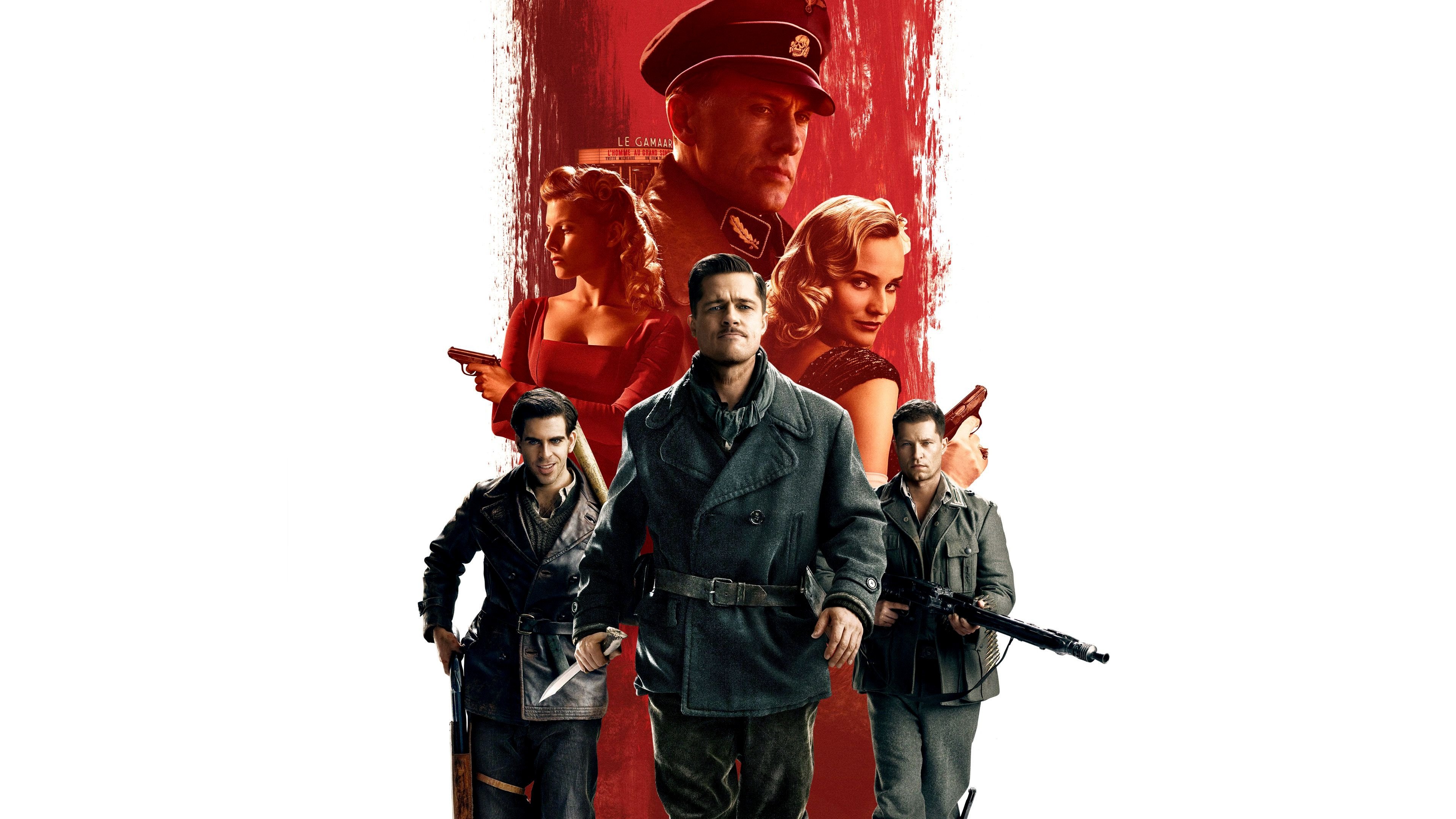
Inglourious Basterds and the Thrill of Turning Language Into a Weapon
Tarantino’s war fantasia works because the suspense is not built on firefights first. It is built on who can control the room, the accent, the cover story, and the next sentence.