
Psycho
Find the movies with rewatch gravity, live dossiers, and unfinished cases worth deepening.
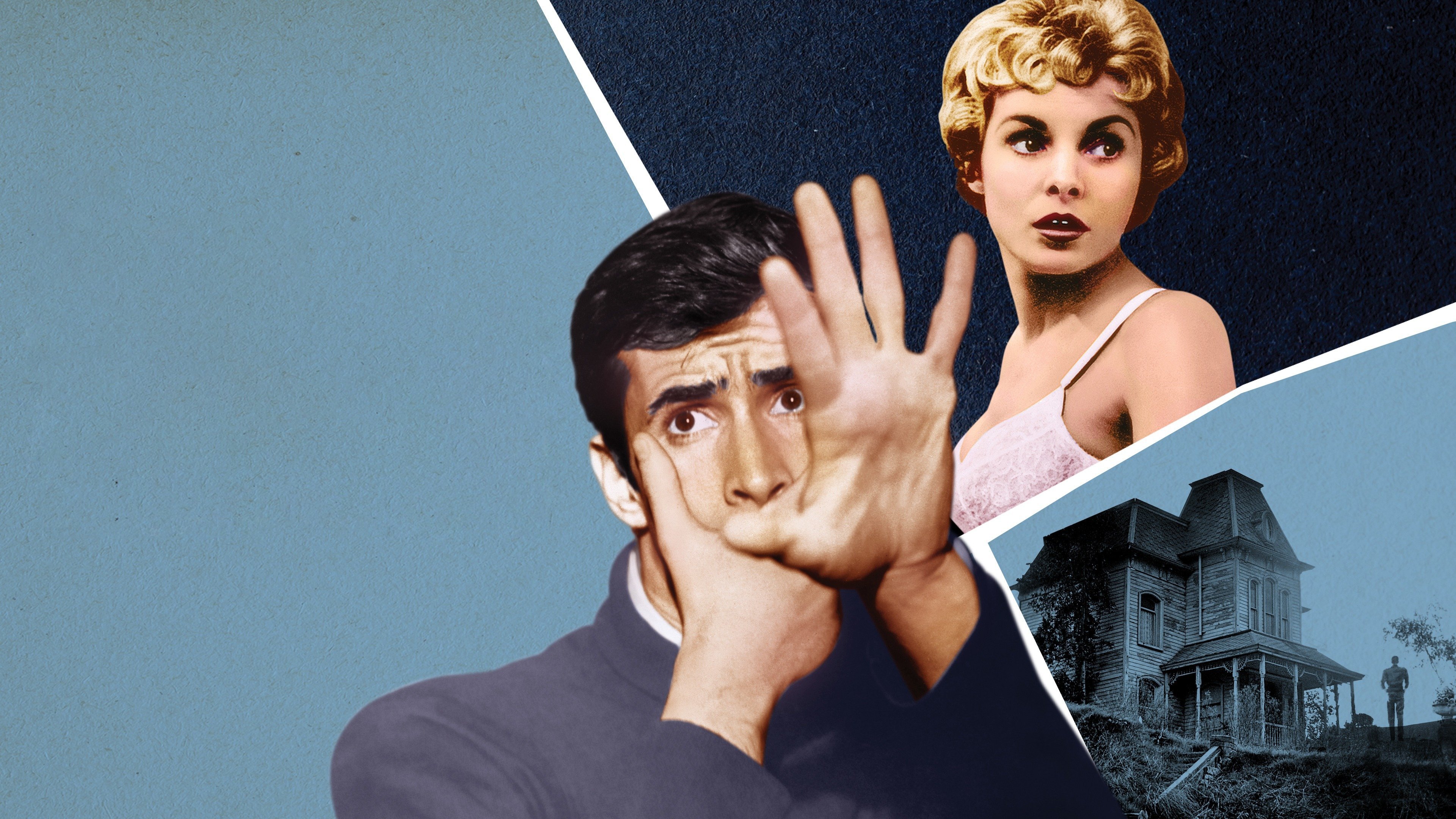
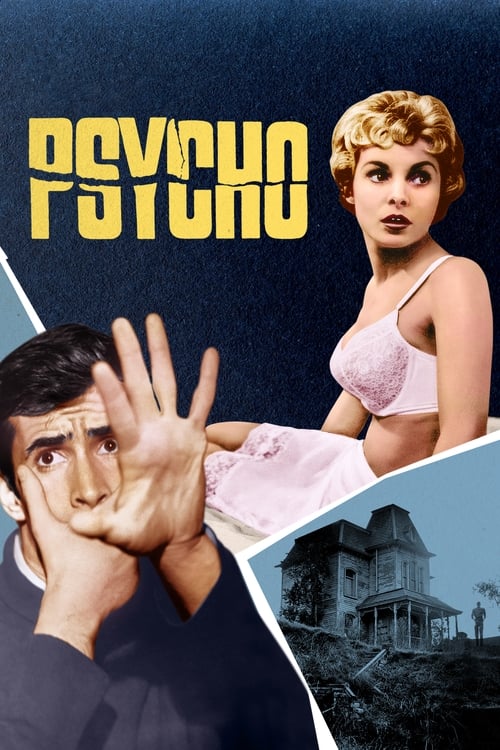
Movie dossier
Psycho
The motel-horror landmark where Hitchcock turns guilt, looking, and identity fracture into pure cinematic shock.
Latest video signal
Trailer slot ready
A widescreen slot for the newest official trailer, interview, or scene signal when the page has a playable source.
Why it matters
Psycho matters because it is one of the clearest examples of a great director reprogramming audience expectation in real time. Hitchcock starts in noir-adjacent anxiety, detonates the apparent story center, and then rebuilds the movie around secrecy, voyeurism, and one of cinema’s most poisoned mother-son psychic systems.
Craft read
Point of view, withholding, and abrupt narrative violence turned into audience destabilization
A bridge between classical suspense elegance and modern horror severity
A formal shockwave that permanently changed horror, thrillers, and spoiler culture
Themes
Cast and context
motel • serial killer • mother • voyeurism • identity fracture • shower scene
Coverage status
A fully shaped Cinema One case: the movie has enough authored context, pathway links, and argument to feel like more than a catalog entry.
Production notes
- • The black-and-white photography keeps the film severe and tactile without losing Hitchcock’s control over glamor and misdirection.
- • Bernard Herrmann’s score is inseparable from the movie’s violence grammar, especially because the stabbing rhythms do so much of the damage.
- • Essential for any Hitchcock lane because it shows him weaponizing audience expectation rather than merely satisfying it.
Watch-next pathway
What should you do after Psycho?
Three intentional continuations: stay with the filmmaker, chase the dominant pressure signal, or jump into the shelf or argument that best explains why this movie belongs here.
Rear Window
The cleanest next move if Alfred Hitchcock's control, obsessions, or rhythm are what hooked you here.
More voyeurism
Use the taste map to find movies, arguments, and shelves that share this page's strongest signal.
Master of Suspense
Voyeurism, pursuit, wit, and movies that make point of view feel dangerous.
Movie-page argument
Defend Psycho.
If this movie has a scene, performance, ending, or idea people underrate, make the case. The best defenses can become future Cinema One argument material.
Scene challenge
Pick the scene that proves it.
Cinema One is built around scenes that unlock the movie. Tell us which moment carries the pressure, style, argument, or rewatch charge.
Signature scene: the shower murder as editing attack
The shower scene lasts because Hitchcock makes fragmentation itself feel violent. The cuts, the shrieking score, the glimpsed blade, and the drainward collapse turn the audience into an accomplice of panic, proving that cinema can devastate without needing graphic literalness.
Line worth carrying forward
"We all go a little mad sometimes." survives because it feels half-confession, half-lure. Psycho uses the line to momentarily humanize Norman even as the movie is preparing to show how dangerous that invitation to sympathy can be.
Why the ending keeps feeling uncanny instead of tidy
Psycho technically explains itself, but the ending still works because explanation does not restore stability. Hitchcock gives the audience information, then leaves it with a smile, a stare, and the sense that language has arrived too late to make the horror manageable.
Steelman the debate
A fair critique is that Psycho’s final psychiatric explanation can feel over-explicit compared with the film’s otherwise immaculate mystery and dread. The strongest defense is that the scene is less about solving Norman than about showing institutional language trying and failing to domesticate what the movie has already made unforgettable.
More from this director
Related picks
Read next
Psycho still cuts so deep because Hitchcock keeps changing the rules of the movie while making every new rule feel inevitable after the fact.
Hitchcock’s masterpiece grows more unsettling when you stop treating it as a mystery and start seeing it as a movie about desire trying to rewrite reality.
Halloween works because Carpenter removes almost everything nonessential and lets rhythm, space, and dread do the killing.