
Psycho and the Terrifying Precision of Making the Audience Lose Its Footing
Psycho still cuts so deep because Hitchcock keeps changing the rules of the movie while making every new rule feel inevitable after the fact.
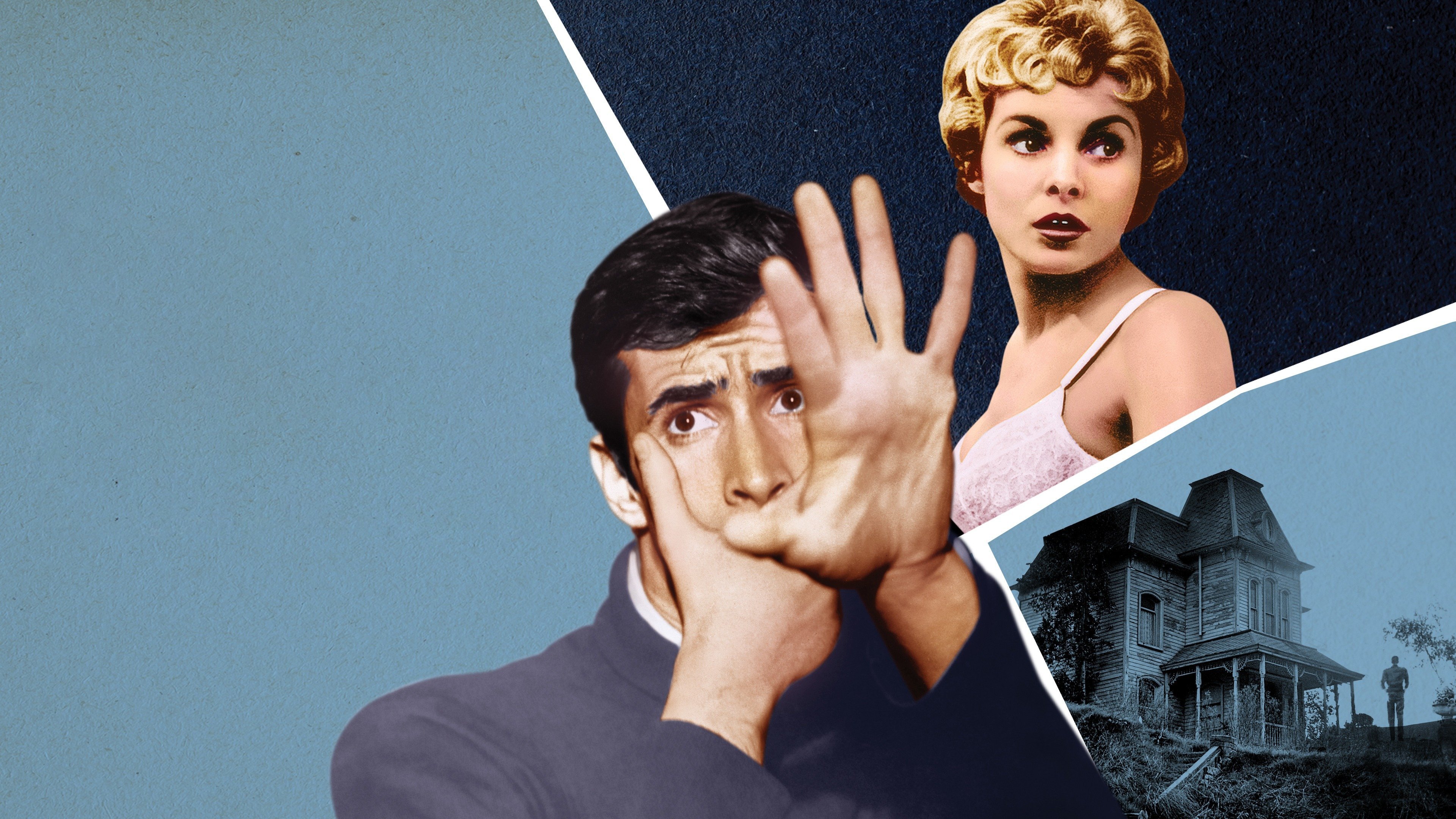
Psycho remains one of the great proofs that horror can be a matter of structure as much as subject. Hitchcock begins with theft, panic, and moral anxiety, then uses one violent rupture to reveal that the real subject was never stolen money but unstable looking.
The Shower Scene Is Only the Beginning
The famous murder matters not just because it shocks, but because it tells the audience the movie will not protect its own apparent center. Once Marion Crane is gone, viewers have to keep watching without the comfort of narrative familiarity, which makes every later scene feel more exposed.
Norman Bates as Invitation and Warning
Anthony Perkins is so essential because he lets sympathy become part of the trap. Norman feels shy, wounded, even endearing in flashes, and Hitchcock uses that softness to make the eventual psychic horror feel like a betrayal staged in plain sight.
Why It Never Fully Settles
Psycho explains itself more than some of Hitchcock’s other masterpieces, but the film still lingers because explanation cannot undo atmosphere. The house, the motel, the smile, the voice, they stay uncanny long after the plot mechanics have been laid out.
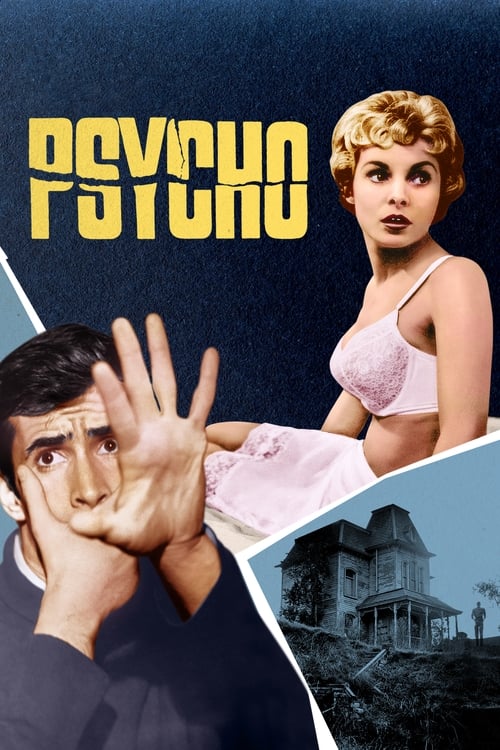
Psycho
1960 • Alfred Hitchcock
The master of suspense moves his cameras into the most terrifying place of all: an ordinary roadside motel.
Movies to pair with this read


Rear Window and the Suspense of Watching Too Closely
Rear Window turns voyeurism into suspense because Hitchcock understands that looking is never passive once desire, guilt, and curiosity start mixing together.
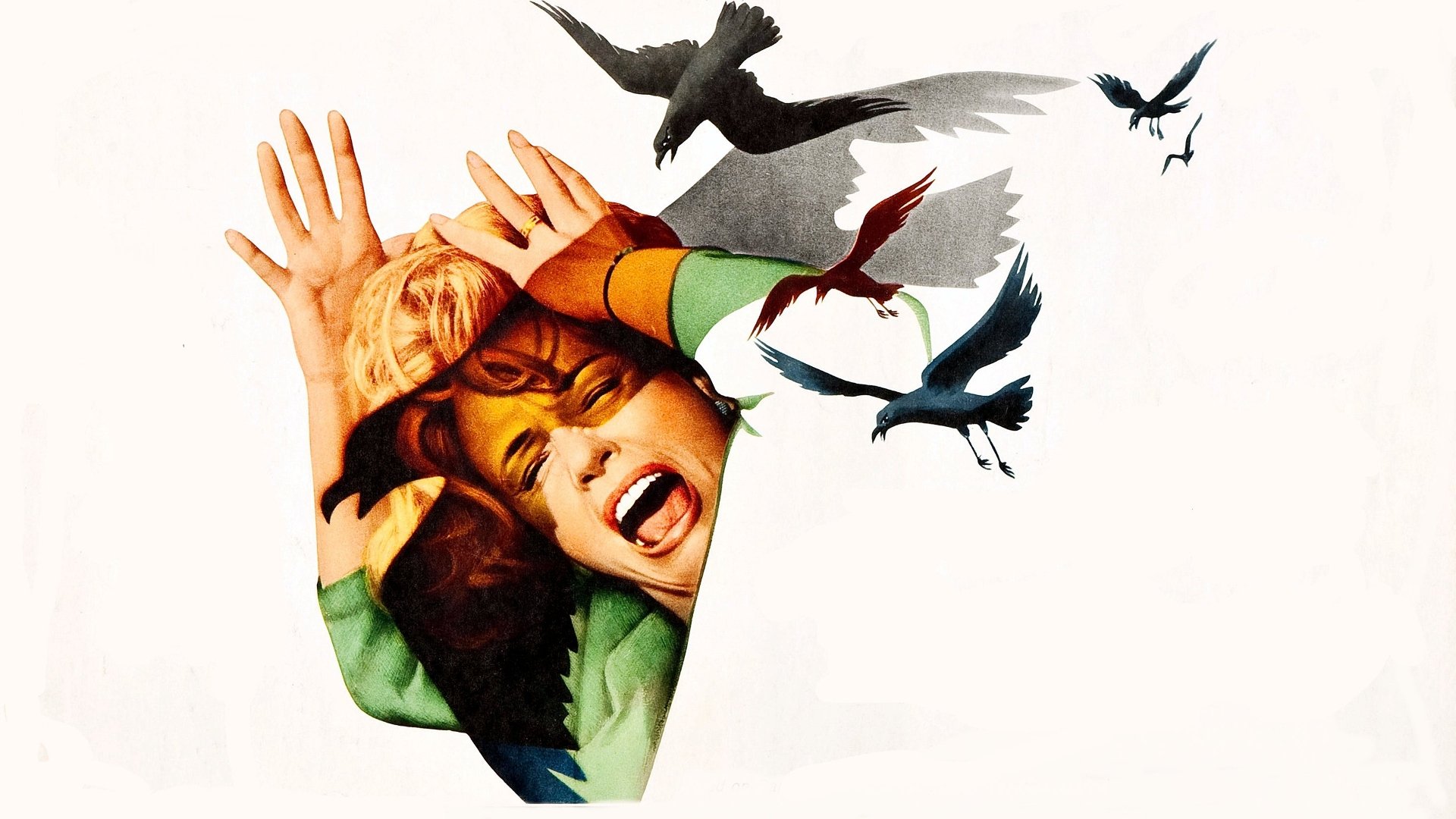
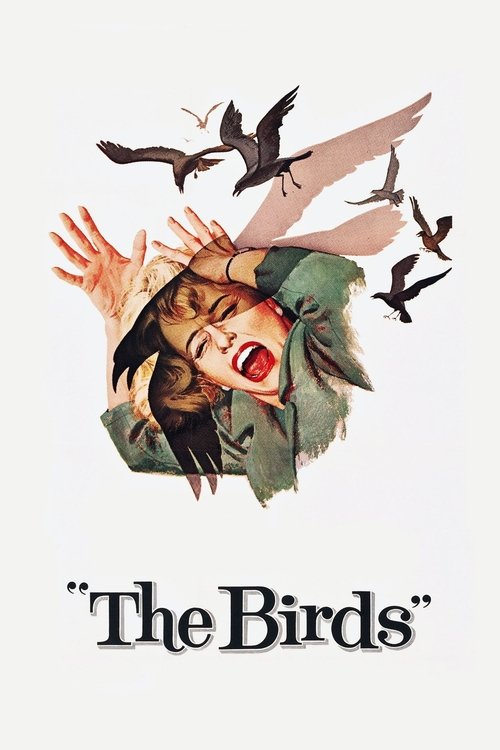
The Birds and the Horror of a World That Stops Explaining Itself
The Birds remains uncanny because Hitchcock refuses to turn catastrophe into a puzzle with a satisfying answer.
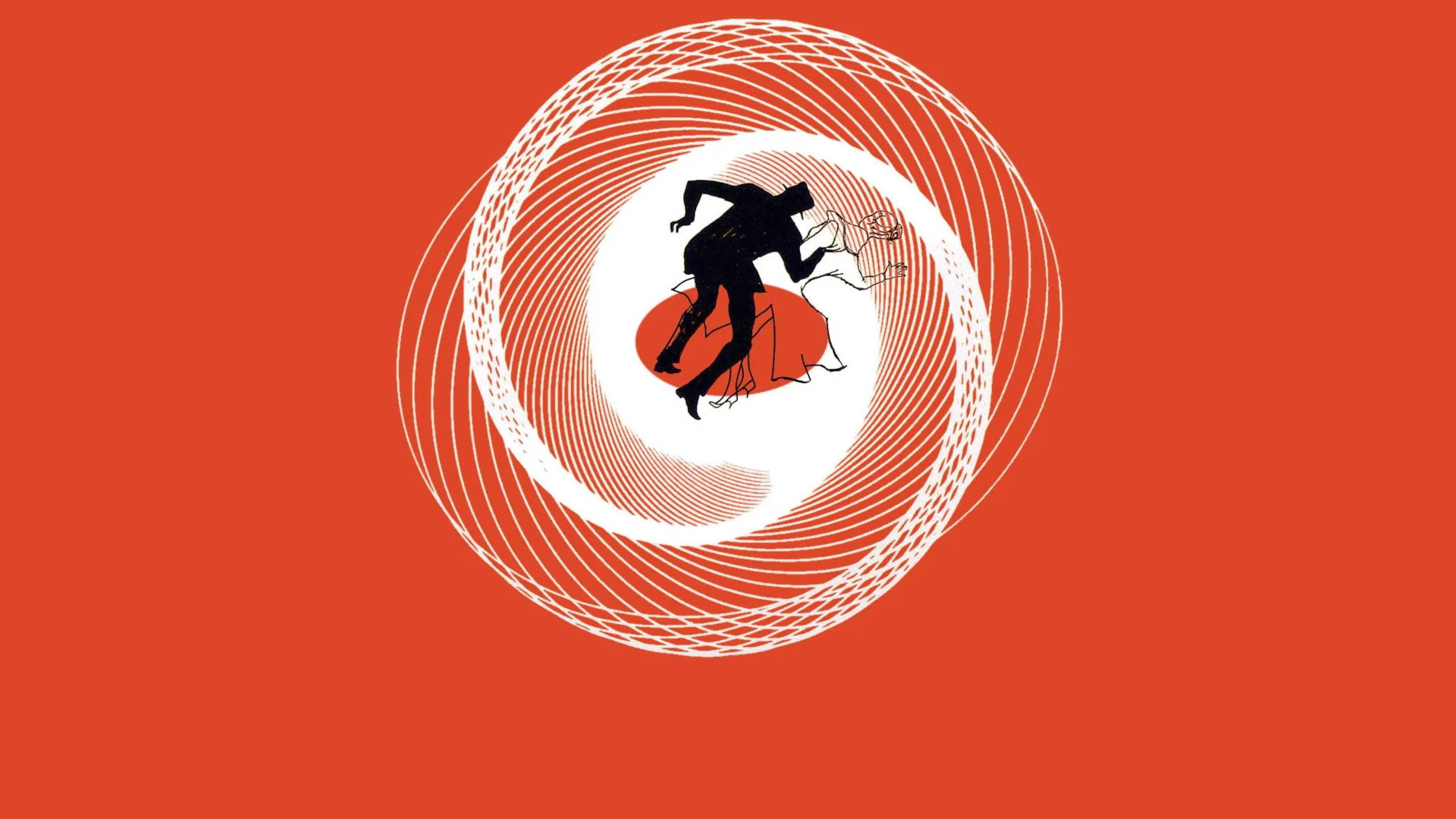
Vertigo and the Tragedy of Loving an Image More Than a Person
Hitchcock’s masterpiece grows more unsettling when you stop treating it as a mystery and start seeing it as a movie about desire trying to rewrite reality.
North by Northwest and the Pleasure of Pure Cinematic Momentum
North by Northwest still feels fresh because Hitchcock treats mistaken identity as an excuse to build one of the great motion machines in studio-era cinema.