
Rear Window and the Suspense of Watching Too Closely
Rear Window turns voyeurism into suspense because Hitchcock understands that looking is never passive once desire, guilt, and curiosity start mixing together.
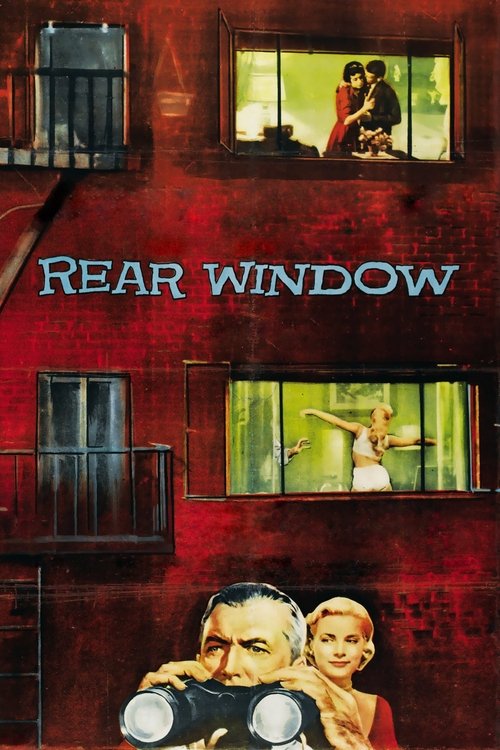
Rear Window remains one of Hitchcock's cleanest demonstrations of control. The setup is almost absurdly simple, a man in one room watching other people in theirs, but the movie keeps turning that spatial limitation into moral and dramatic expansion.
Voyeurism as Narrative Engine
What makes the film so alive is that watching becomes action. Jeff is not only observing possible danger, he is feeding on spectacle, projecting stories onto strangers, and implicating the audience in that same appetite.
Why the Apartment Courtyard Feels Infinite
Hitchcock builds a miniature world and then proves it is enough. Every window becomes a separate rhythm, mood, and possibility, which lets the film feel socially expansive without ever leaving its formal trap.
Suspense Through Doubt Instead of Noise
Rear Window does not need scale to feel tense. It gets there through uncertainty, timing, and the fear that seeing something may create responsibility before it creates proof.
Rear Window
1954 • Alfred Hitchcock
It only takes one witness to spoil the perfect crime.
Movies to pair with this read

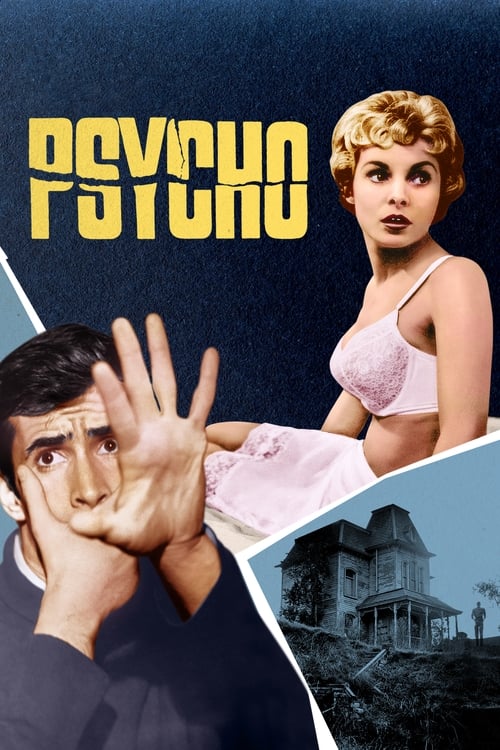


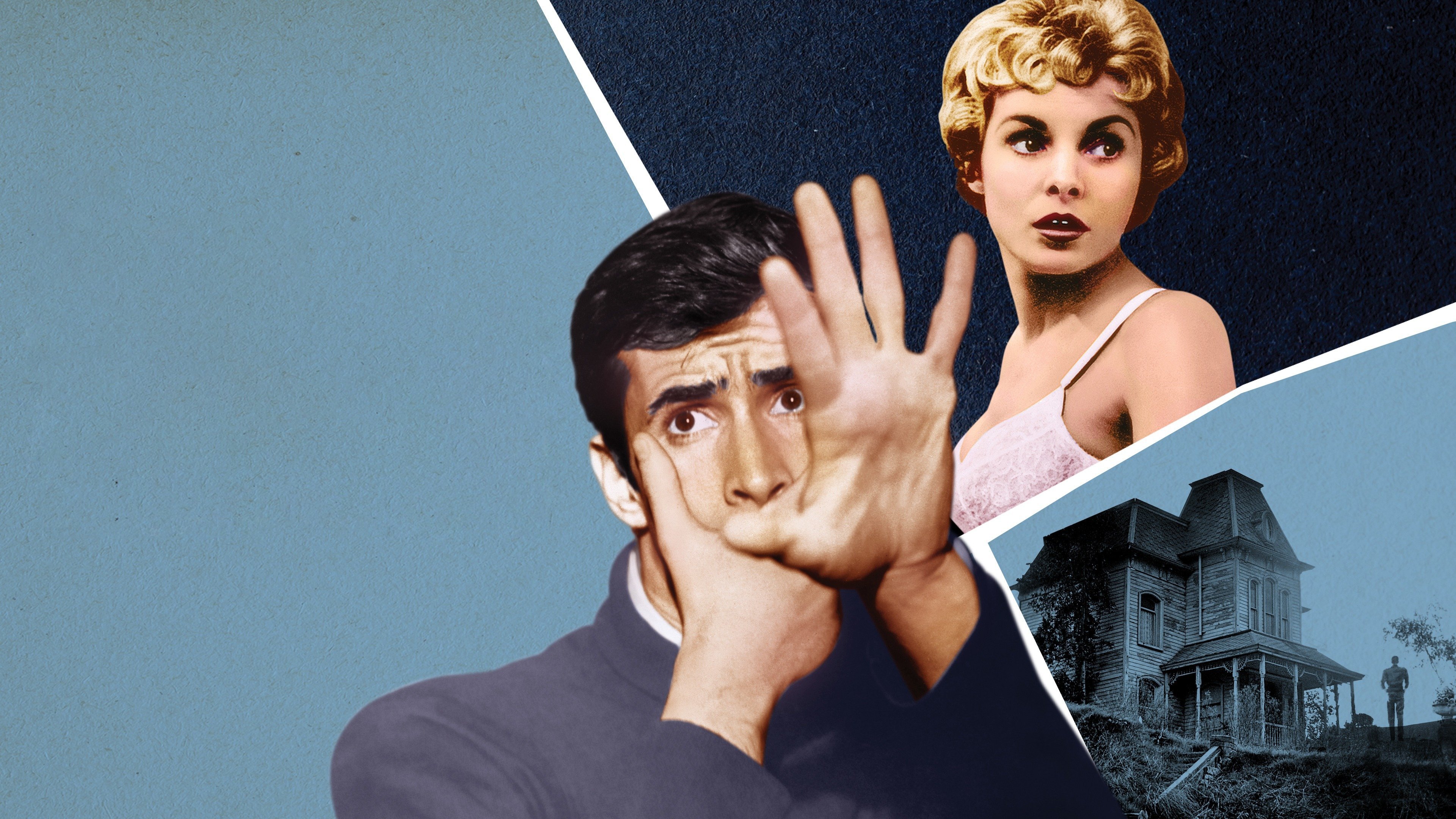
Psycho and the Terrifying Precision of Making the Audience Lose Its Footing
Psycho still cuts so deep because Hitchcock keeps changing the rules of the movie while making every new rule feel inevitable after the fact.
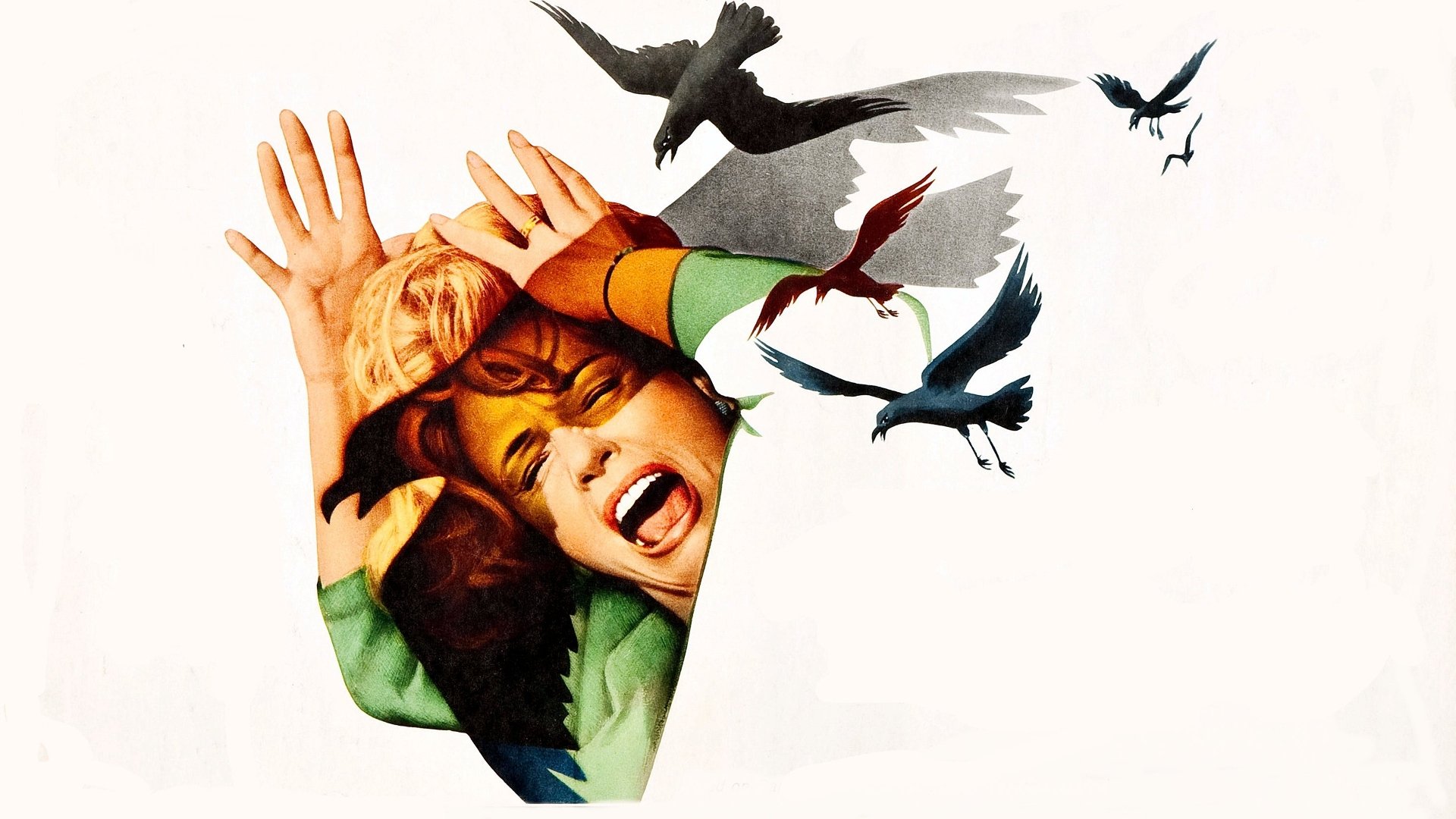
The Birds and the Horror of a World That Stops Explaining Itself
The Birds remains uncanny because Hitchcock refuses to turn catastrophe into a puzzle with a satisfying answer.
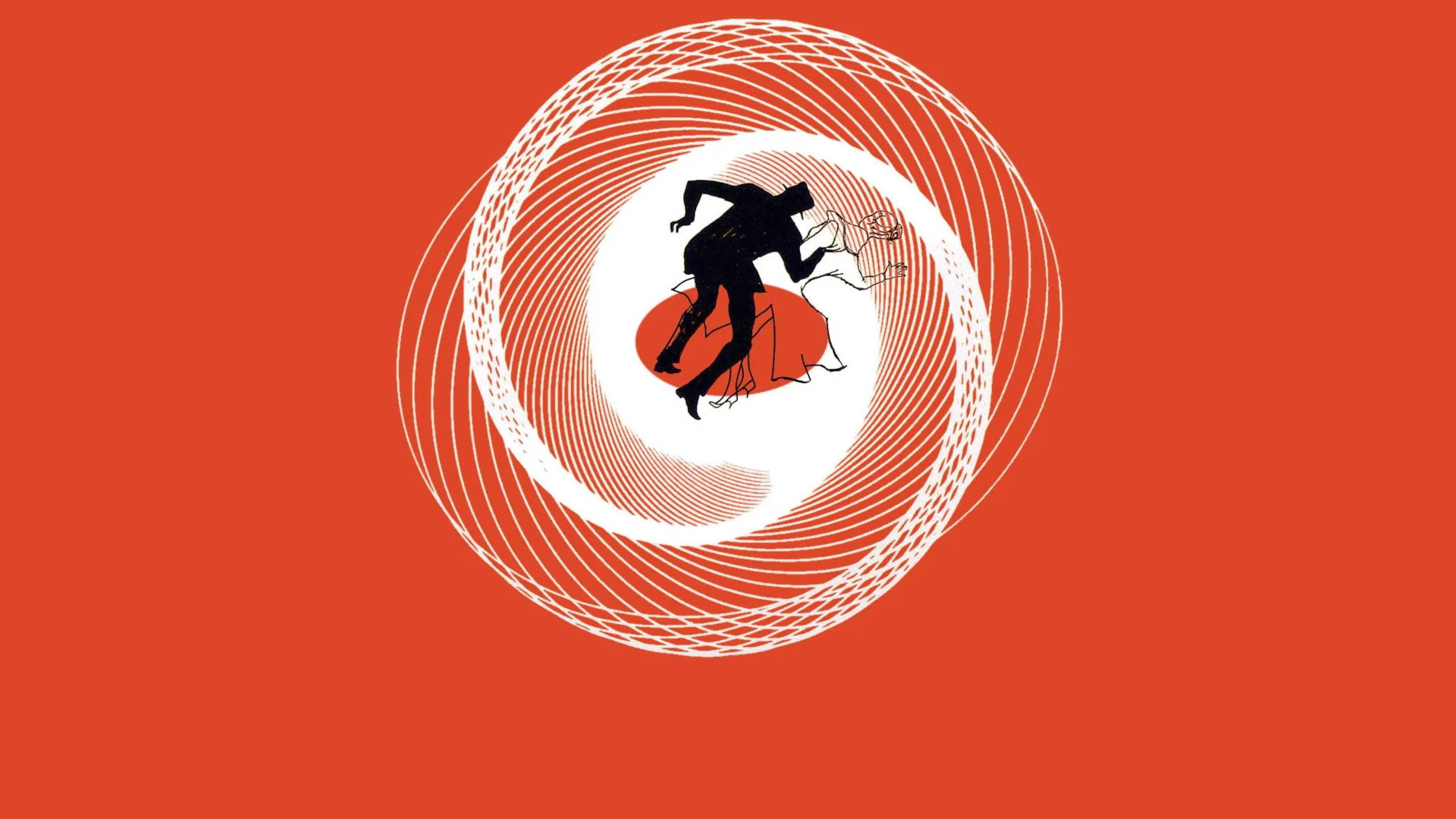
Vertigo and the Tragedy of Loving an Image More Than a Person
Hitchcock’s masterpiece grows more unsettling when you stop treating it as a mystery and start seeing it as a movie about desire trying to rewrite reality.
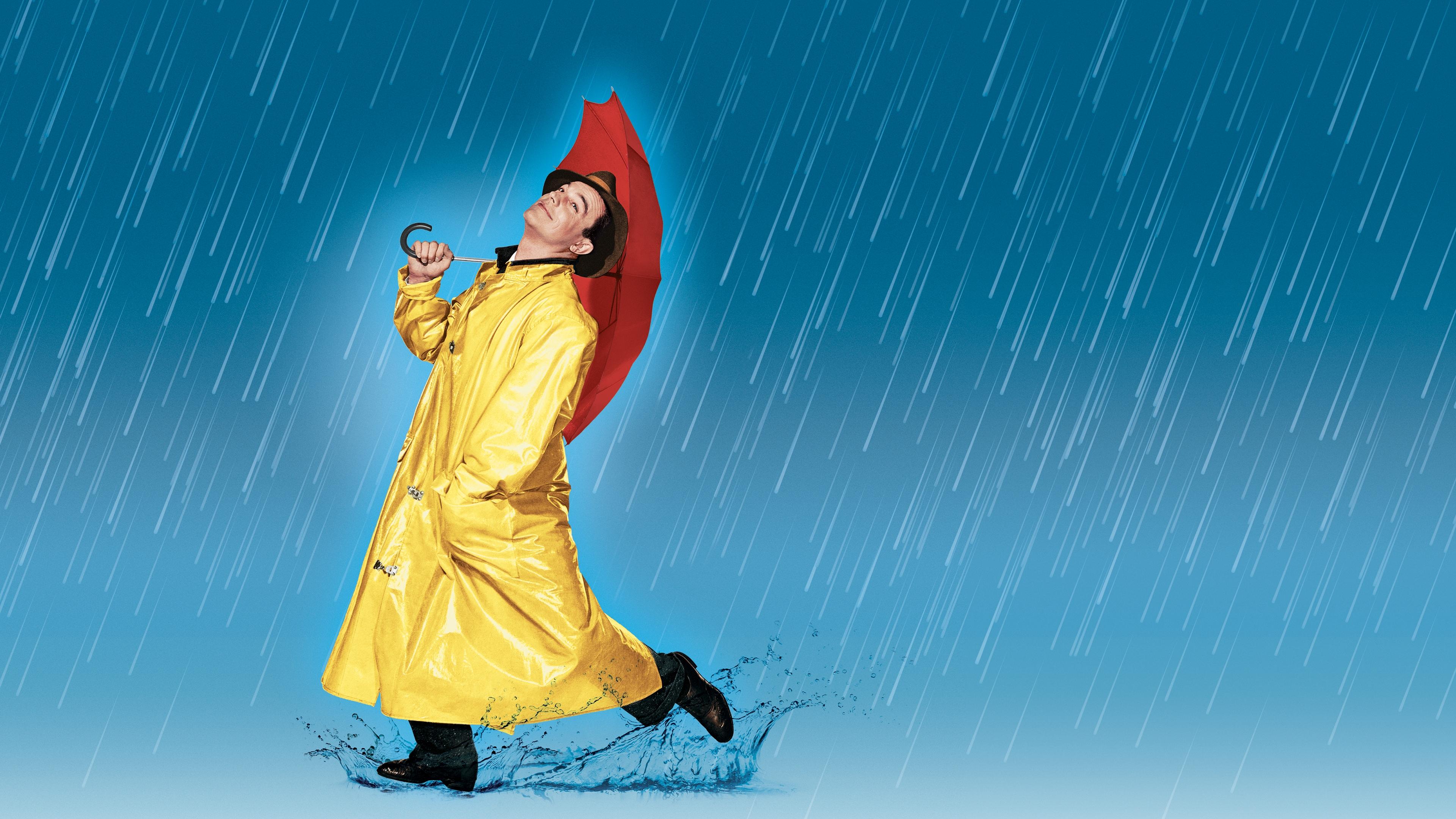
North by Northwest and the Pleasure of Pure Cinematic Momentum
North by Northwest still feels fresh because Hitchcock treats mistaken identity as an excuse to build one of the great motion machines in studio-era cinema.