The Thing
Contamination lane

Paranoia Machines

Containment, distrust, infiltration, and movies that trap characters inside systems they can no longer verify.

Cinema One should have a lane for paranoia as a viewing sensation, not just a genre label. These picks turn uncertainty into structure, where institutions fail, trust collapses, and every room starts feeling compromised.

paranoidclaustrophobiccontaminated
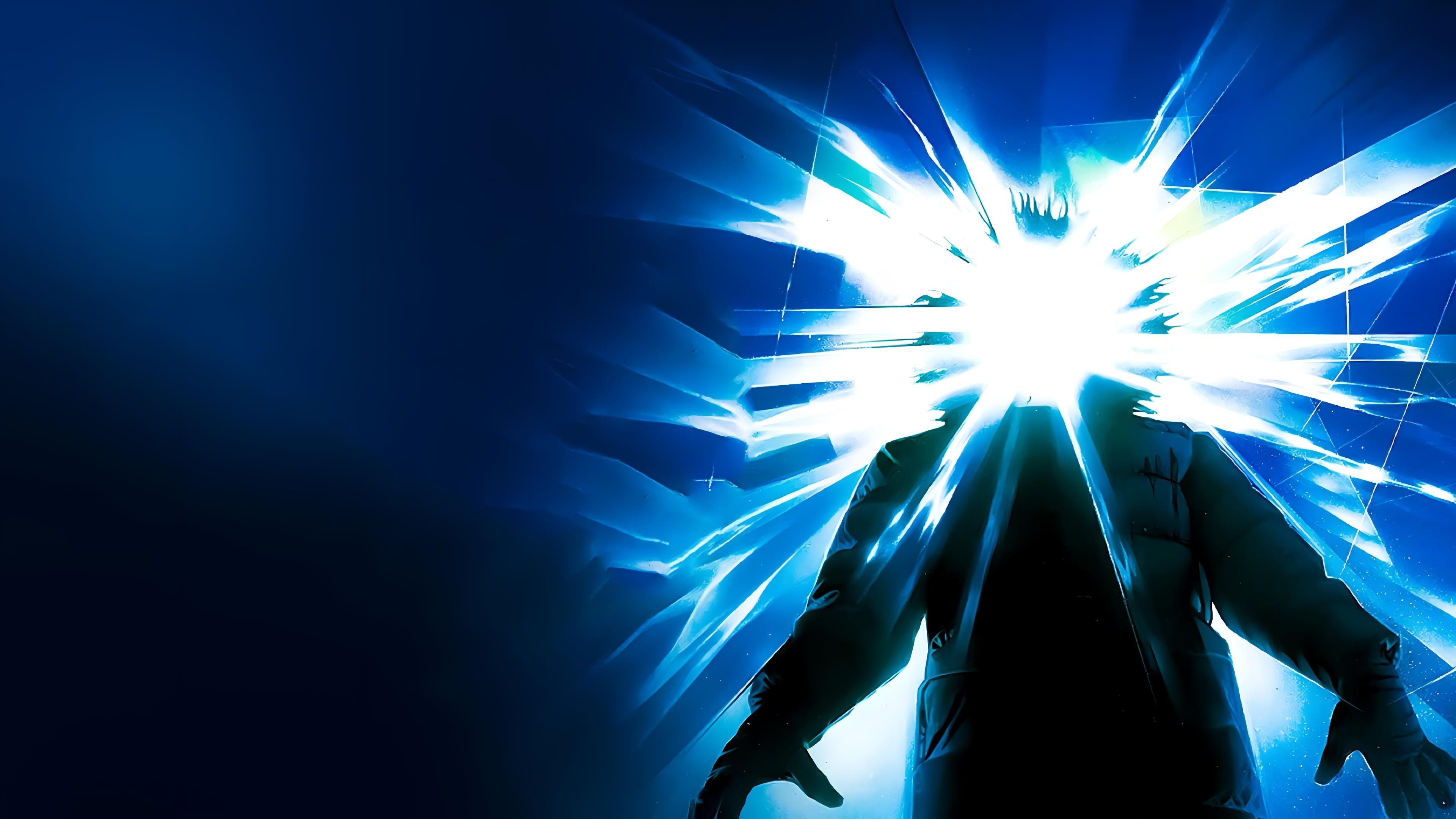
Start with The Thing

Why this lane works

Each of these movies turns uncertainty into the engine, forcing characters to act before they can ever be sure what is happening around them.

Useful discovery lane for linking Carpenter, Hitchcock, Fincher, and Coppola-adjacent surveillance material without flattening them into one genre bucket.

This shelf exists to name the appetite first, then let the titles argue with each other.

14
Core picks
10
Directors
7.8
Avg rating
1954 to 2018
Year span
11 fully-authored3 strong0 building0 case pending

Ideal for

  • viewers who want dread without relying only on jump scares
  • double-features about mistrust, surveillance, and social contamination
  • nights when horror and thriller energy should blur together
Program this lane

Three double-feature handoffs for turning the shelf into a night.

Collections should not stop at inventory. These pairings make the editorial path explicit: start sharp, change angle, then decide what the lane is really arguing.

Search this signal

Starter pairing

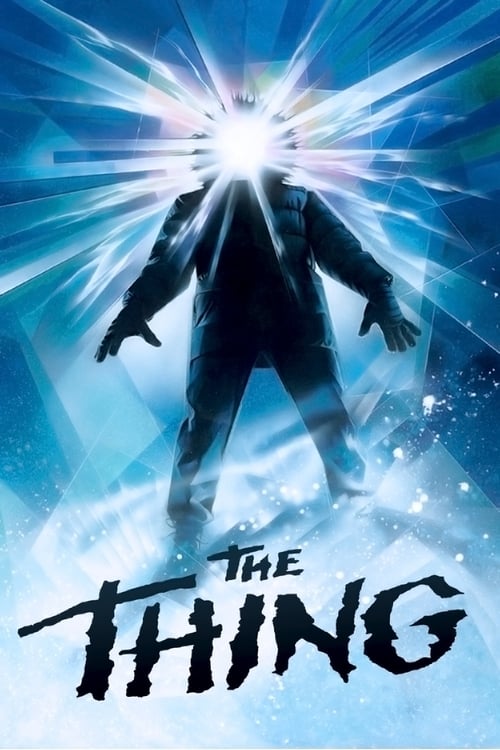
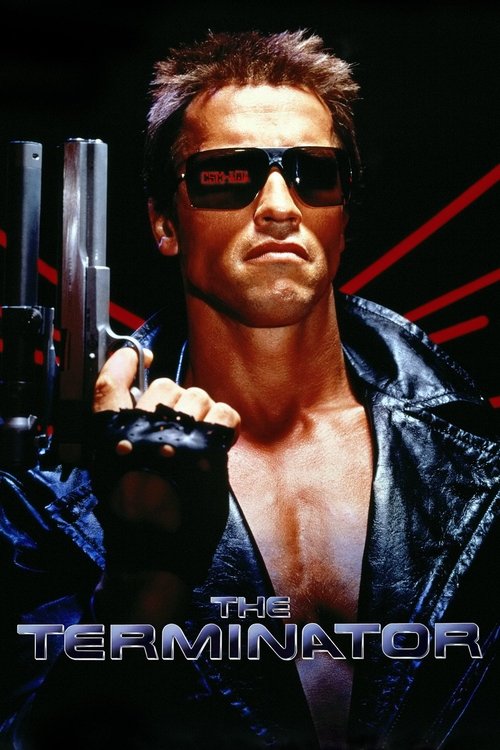
The Thing → The Terminator

The Thing establishes the paranoid charge; The Terminator bends that charge into a different shape. The handoff moves from John Carpenter's approach to James Cameron's, so the lane opens wider without losing its signal. Because the release years sit close together, the pairing plays like two arguments from the same cultural weather.

Open adjacent search
Deeper turn

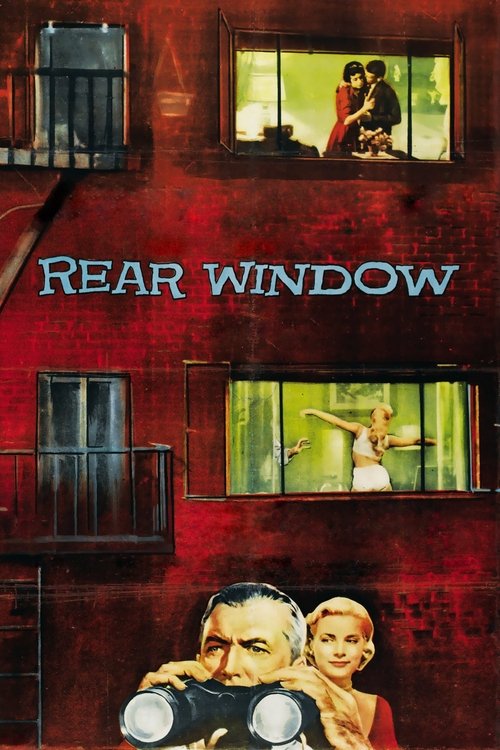
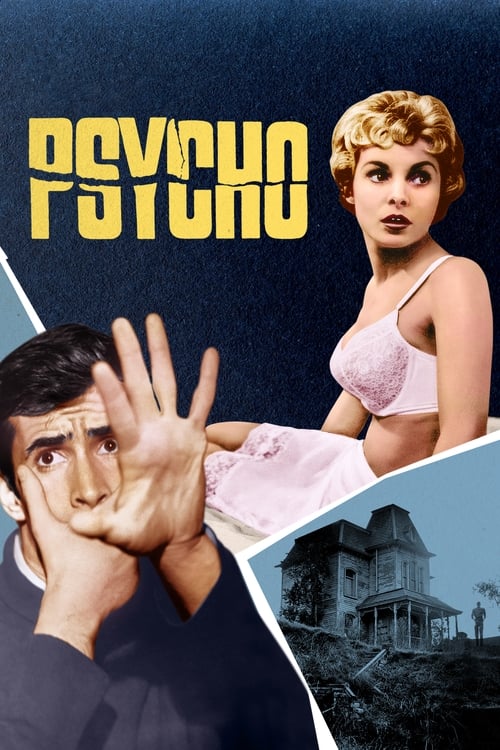
Rear Window → Psycho

Rear Window establishes the claustrophobic charge; Psycho bends that charge into a different shape. Both films keep you inside Alfred Hitchcock's system, making the second watch feel like a variation instead of a reset. Because the release years sit close together, the pairing plays like two arguments from the same cultural weather.

Open adjacent search
Late-night close

Enemy of the State → Near Dark

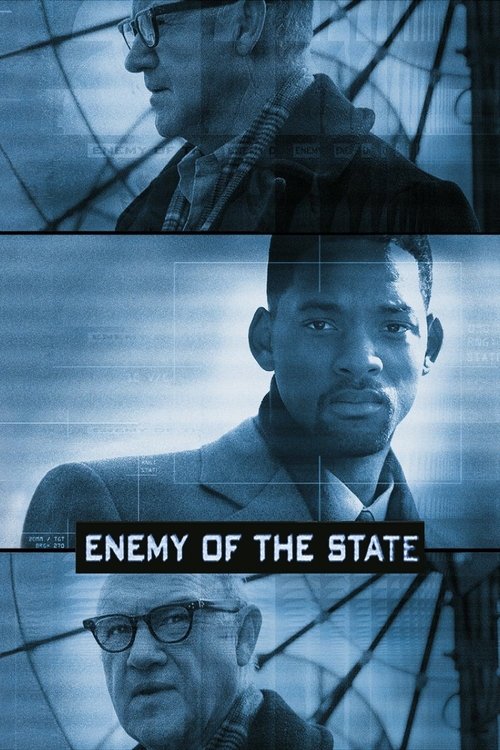
Enemy of the State establishes the contaminated charge; Near Dark bends that charge into a different shape. The handoff moves from Tony Scott's approach to Kathryn Bigelow's, so the lane opens wider without losing its signal. The 1987–1998 spread also turns the pairing into a miniature history of the appetite.

Open adjacent search

Collection picks

The movies that define the lane.

The Thing
The Thing
John Carpenter1982

A research team in Antarctica is hunted by a shape-shifting alien that assumes the appearance of its victims.

The Terminator
The Terminator
James Cameron1984

A cyborg assassin from 2029 is sent back to 1984 to kill Sarah Connor, whose unborn son will lead humanity in a war against machines.

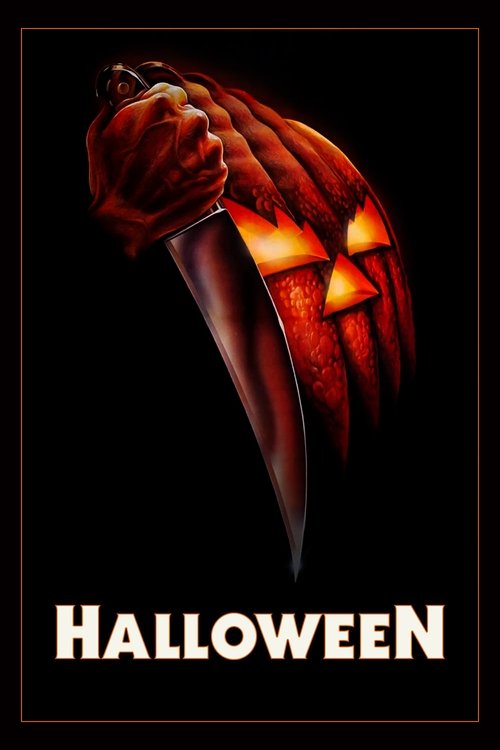
Halloween
Halloween
John Carpenter1978

Fifteen years after murdering his sister on Halloween night, Michael Myers escapes from a mental hospital and returns to his hometown to kill again.

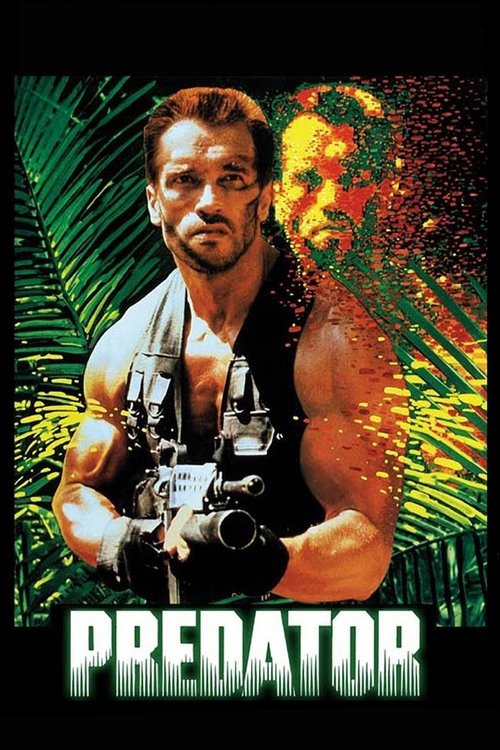
Predator
Predator
John McTiernan1987

Dutch’s rescue team enters the jungle like a wall of muscle, weapons, and confidence, then the movie patiently turns that confidence into heat, fear, and bad information. Predator belongs on Cinema One because McTiernan makes a macho action vehicle mutate into survival horror: the bodies get bigger while the tactical advantage keeps shrinking, until all that is left is mud, traps, silence, and one professional learning he is no longer the apex predator.

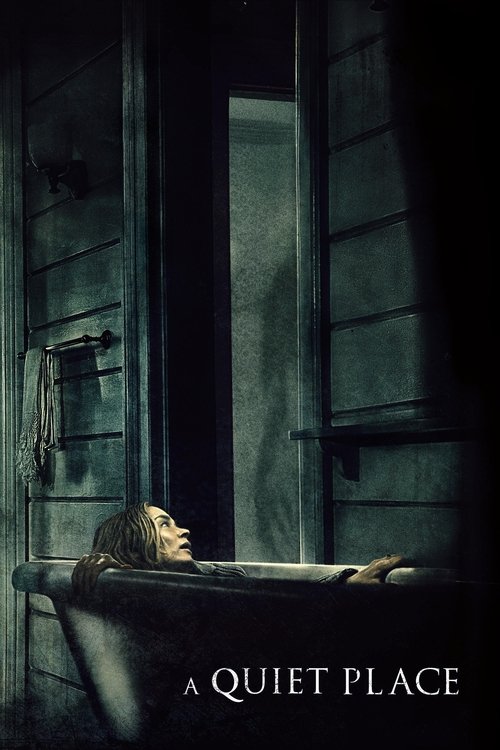
A Quiet Place
A Quiet Place
John Krasinski2018

The Abbott family survives by turning ordinary life into choreography: sand paths, bare feet, signed sentences, painted floorboards, and one rule that makes every dropped object feel like a loaded gun. A Quiet Place earns its Thomas Library Spine slot because Krasinski makes silence active instead of empty. The movie is a family melodrama under creature-feature pressure, where love means knowing exactly how much sound the world can survive.

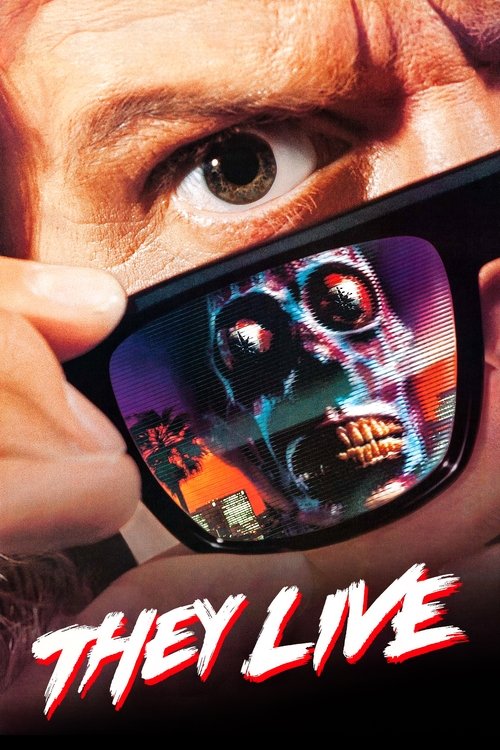
They Live
They Live
John Carpenter1988

A drifter discovers special sunglasses that reveal the world is controlled by aliens who have hypnotized humanity through subliminal messages.

Rear Window
Rear Window
Alfred Hitchcock1954

A photographer in a wheelchair spies on his neighbors from his apartment window and becomes convinced one of them has committed murder.

Psycho
Psycho
Alfred Hitchcock1960

A stolen-cash detour leads Marion Crane to the Bates Motel, where Hitchcock turns guilt, desire, and point-of-view manipulation into a horror landmark.

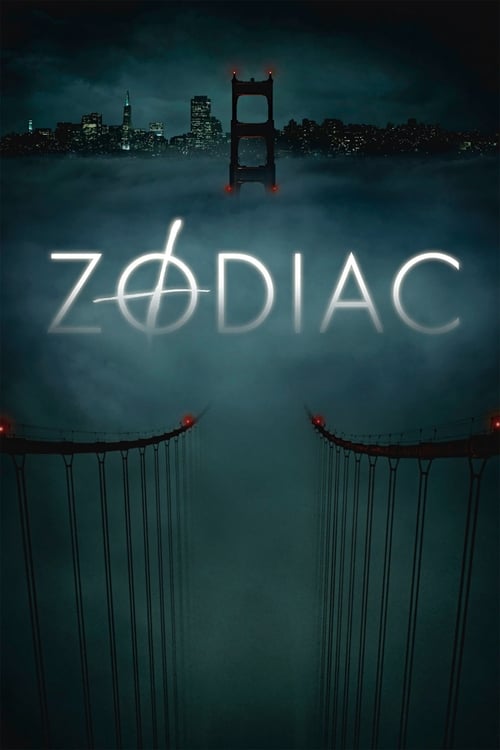
Zodiac
Zodiac
David Fincher2007

Journalists and investigators become consumed by the hunt for the Zodiac killer in a case that may never fully close.

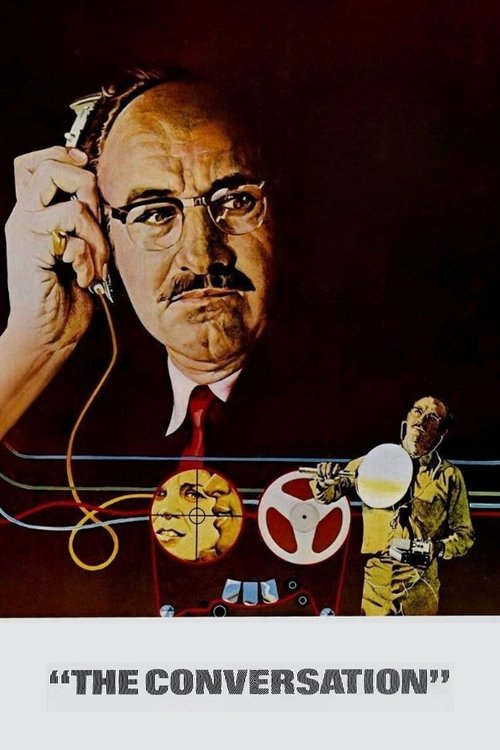
The Conversation
The Conversation
Francis Ford Coppola1974

A surveillance expert becomes morally trapped by a recording job that makes privacy, guilt, and paranoia impossible to separate.

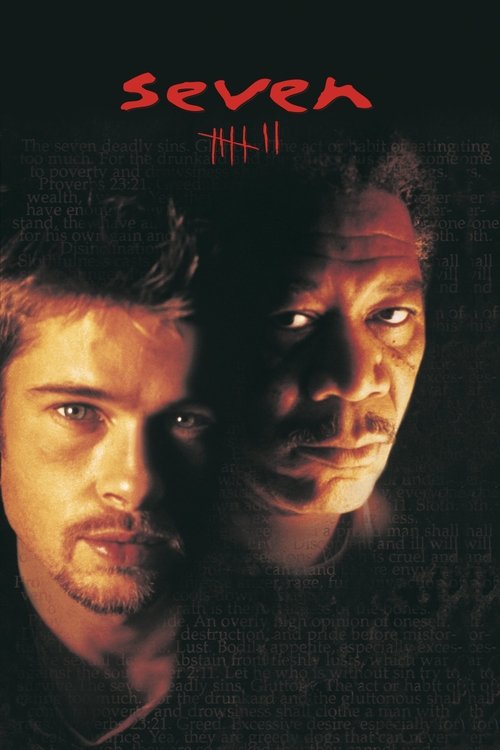
Se7en
Se7en
David Fincher1995

Two detectives hunt a serial killer whose murders are staged around the seven deadly sins.

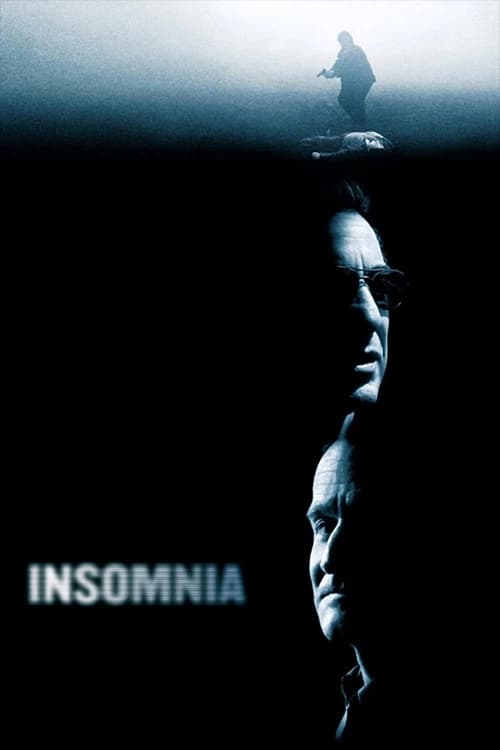
Insomnia
Insomnia
Christopher Nolan2002

A detective investigating a murder in Alaska finds sleep deprivation and guilt turning the case into a moral fog.

Enemy of the State
Enemy of the State
Tony Scott1998

A lawyer gets swallowed by surveillance-state machinery after receiving explosive evidence, and Scott makes pursuit feel technological, breathless, and permanently invasive.

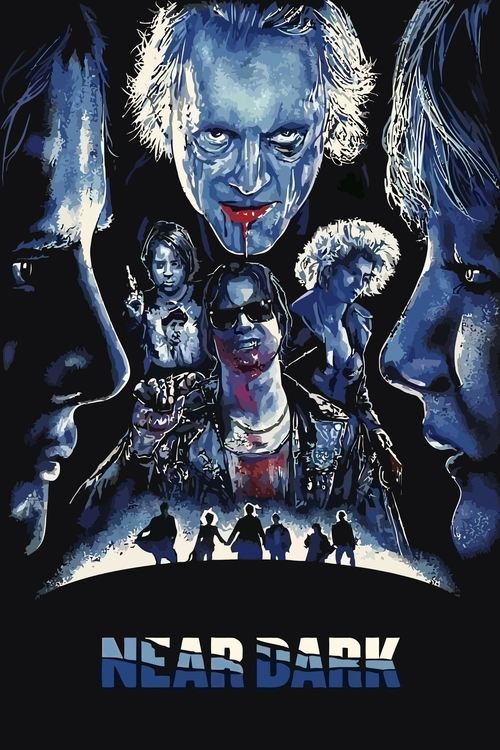
Near Dark
Near Dark
Kathryn Bigelow1987

Caleb falls for Mae on an Oklahoma night road and gets pulled into a roaming vampire family where romance, hunger, and outlaw belonging all come with a body count. Near Dark strengthens Cinema One’s Kathryn Bigelow lane because it treats vampire myth as a western pressure system: stolen vans, cheap motels, barroom violence, sunup deadlines, Tangerine Dream haze, and Bill Paxton turning every grin into a threat with teeth.