
Se7en and the Trick of Making Procedure Feel Spiritually Polluted
Fincher’s serial-killer landmark still lands because every clue, room, and conversation feels touched by the same civic rot as the murders themselves.

Se7en is often remembered through its ending, but the movie’s real mastery is that it starts poisoning the air long before the box arrives. Fincher makes investigation feel less like progress than exposure, as if every step toward understanding John Doe also means breathing in more of the city’s moral decay.
Procedure Without Safety
Most detective thrillers treat process as a stabilizing force. Se7en does the opposite. Notes, libraries, crime scenes, and interviews all deepen the sense that reason is arriving too late to a world already organized around damage.
Somerset and Mills as Two Bad Answers
The movie works because Freeman and Pitt are not simply old cop and young cop. They represent two different failures of response, weary detachment and reactive certainty. Fincher uses that contrast to ask whether lucidity without hope is any healthier than energy without discipline.
Why the Movie Never Cleans Off
Se7en lasts because the grime is structural, not decorative. Rain, interiors, and fluorescent bureaucratic spaces all feel aligned with the killer’s cosmology, which is why the film keeps feeling less like a puzzle solved than a worldview barely survived.
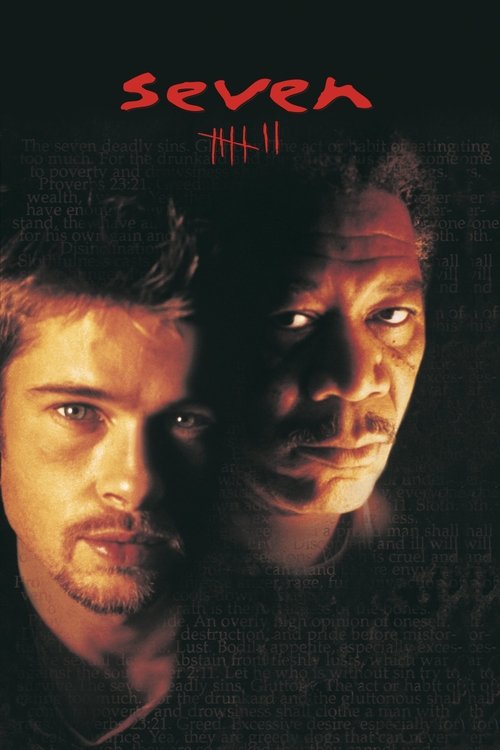
Se7en
1995 • David Fincher
Seven deadly sins. Seven ways to die.
Movies to pair with this read




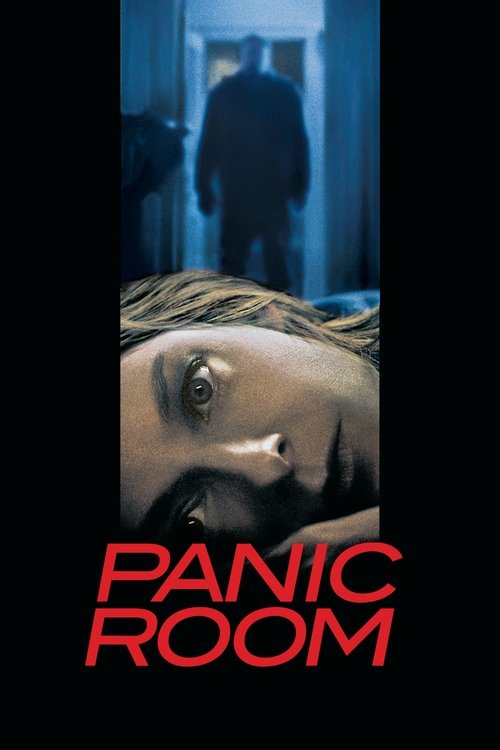
Panic Room and the Virtue of Making Architecture Do the Panicking
Panic Room works because Fincher turns walls, sightlines, and delays into the whole suspense engine instead of treating them as setup for louder thrills.

The Girl with the Dragon Tattoo and the Cold Pleasure of Watching Procedure Cut Through Rot
Fincher’s Dragon Tattoo remake endures because research, pattern recognition, and bruised trust become as gripping as any chase scene.

The Curious Case of Benjamin Button and the Sadness of Meeting Life Out of Sequence
Benjamin Button matters because Fincher treats the reverse-aging premise less like a trick than a way to make timing itself feel tragic.
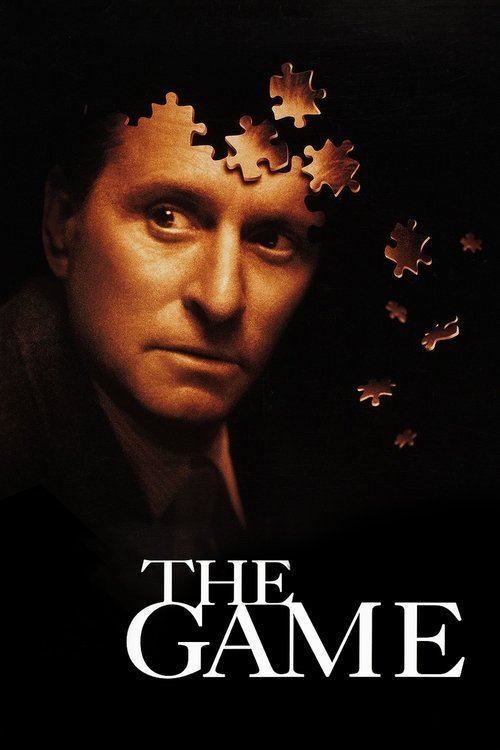
The Game and the Seduction of Letting a System Break You on Purpose
Fincher’s luxury paranoia machine still lands because every escalation turns wealth, control, and self-protection into liabilities instead of armor.