Fight Club backdrop file.

Movie dossier

Fight Club

Fincher turning masculine collapse, consumer disgust, and self-destruction into a corrosive pop object.

Directed by David FincherRMTV Movie AwardEmpire Award

Latest video signal

Trailer slot ready

A widescreen slot for the newest official trailer, interview, or scene signal when the page has a playable source.

Why it matters

Fight Club matters because it is one of the clearest examples of a movie becoming bigger than itself: quoted, misunderstood, worshipped, rejected, and still argued over decades later. Fincher turns consumer disgust and masculine panic into something dangerously seductive, which is why the film has to be read with both appetite and suspicion.

Rating
8.8
Year
1999
Runtime
139 min
Genre
Drama

Craft read

Energy

Satire, breakdown, and punk spectacle fused into one propulsive machine

Legacy

One of Fincher’s most culturally absorbed and contested movies

Editorial value

Ideal page for separating what the movie is doing from how it gets misread

Themes

alienationconsumerismmasculinityself-destructionidentity fracture

Cast and context

Cast
Brad PittEdward NortonHelena Bonham CarterMeat Loaf
Keywords

insomnia • fight club • soap • anarchism • split personality

Director lane

David Fincher currently has 12 live movie pages in Cinema One.

View director page

Coverage status

Tier
fully authored
Coverage
14/13

A fully shaped Cinema One case: the movie has enough authored context, pathway links, and argument to feel like more than a catalog entry.

Signature scene filedQuote read filedEnding read filedEditorial argument linkedCollection pathway live

Production notes

  • Adapted from Chuck Palahniuk’s novel and reshaped into a Fincher object: colder, more formally controlled, and more visually aggressive than a simple counterculture provocation.
  • The movie’s theatrical run underperformed its eventual cultural footprint; its real explosion happened through home video, dorm rooms, cable, quote culture, and argument.
  • The film’s visual aggression is inseparable from its worldview: dirty greens, sickly office light, subliminal intrusion, impossible camera moves, and a texture that makes modern life feel chemically processed.
  • American Cinematographer’s production account gives the look a concrete craft spine: Fincher, Jeff Cronenweth, and Alex McDowell planned a split world where office life stayed bland while Tyler’s orbit became hyper-real, deconstructed, and harder to resist.
  • The opening brain-pullback is the miniature version of the whole movie: fear chemistry, a gun barrel, digital spectacle, and the narrator’s panic all fused before the plot starts explaining itself.
  • The movie’s power lives in that unstable double charge: it seduces with release while quietly showing the poison inside the release.
Fight Club watch-next background

Watch-next pathway

What should you do after Fight Club?

Three intentional continuations: stay with the filmmaker, chase the dominant pressure signal, or jump into the shelf or argument that best explains why this movie belongs here.

Suggest a better next pick
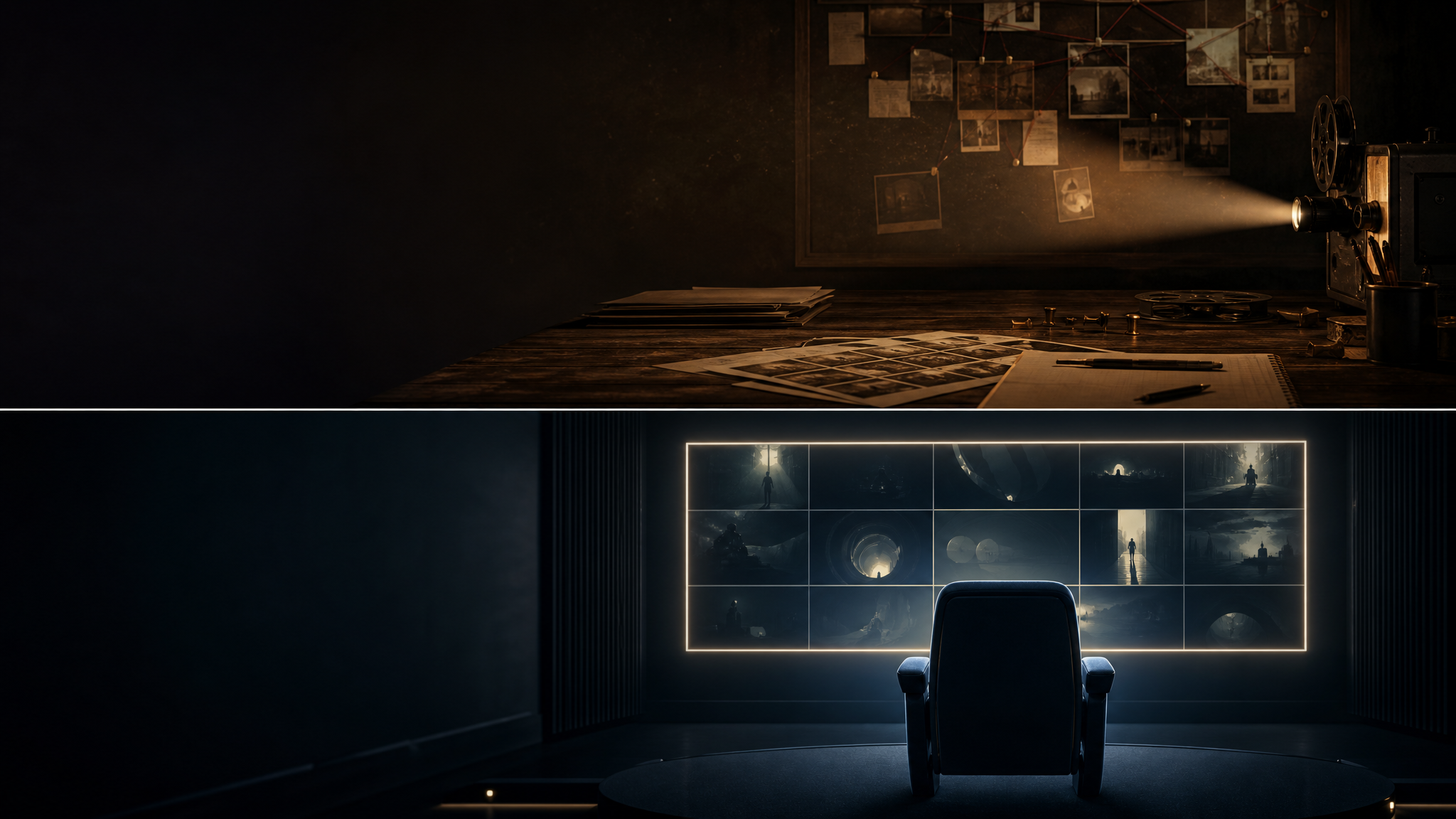
A dark editorial argument room lit by a film projector.

Movie-page argument

Defend Fight Club.

If this movie has a scene, performance, ending, or idea people underrate, make the case. The best defenses can become future Cinema One argument material.

Small prompts go into the Cinema One review queue.

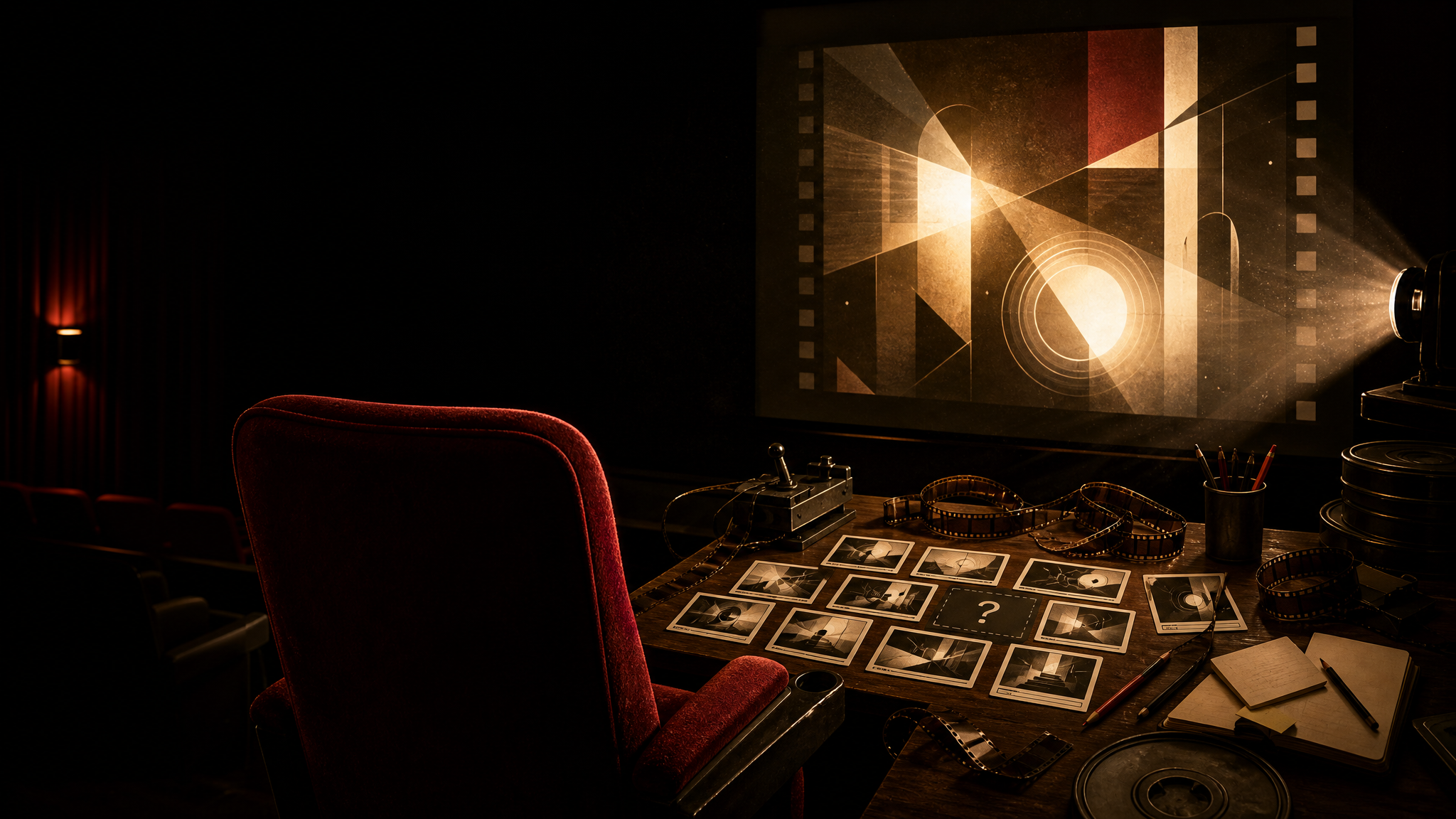
A dark screening room with a red seat, projector beam, scene cards, and a glowing abstract film frame.

Scene challenge

Pick the scene that proves it.

Cinema One is built around scenes that unlock the movie. Tell us which moment carries the pressure, style, argument, or rewatch charge.

Small prompts go into the Cinema One review queue.

Cinema One case file

The argument this page is making

4 lenses
Core tension

The movie seduces with liberation fantasy while diagnosing the machinery of that seduction.

Best lens

Not endorsement, not safe distance: a dangerous object about how dangerous objects recruit.

Fincher lane

Connects Se7en’s moral rot to Zodiac’s obsession through systems, control, and contagion.

Page job

Separate the film’s argument from the dorm-room mythology that swallowed it.

Cinema One theory graphics

Visual arguments built for Fight Club

Not poster art, not recycled trivia, and not fake interface dressing — custom editorial diagrams that make the movie’s philosophy, danger, and afterlife easier to see.

2 graphics
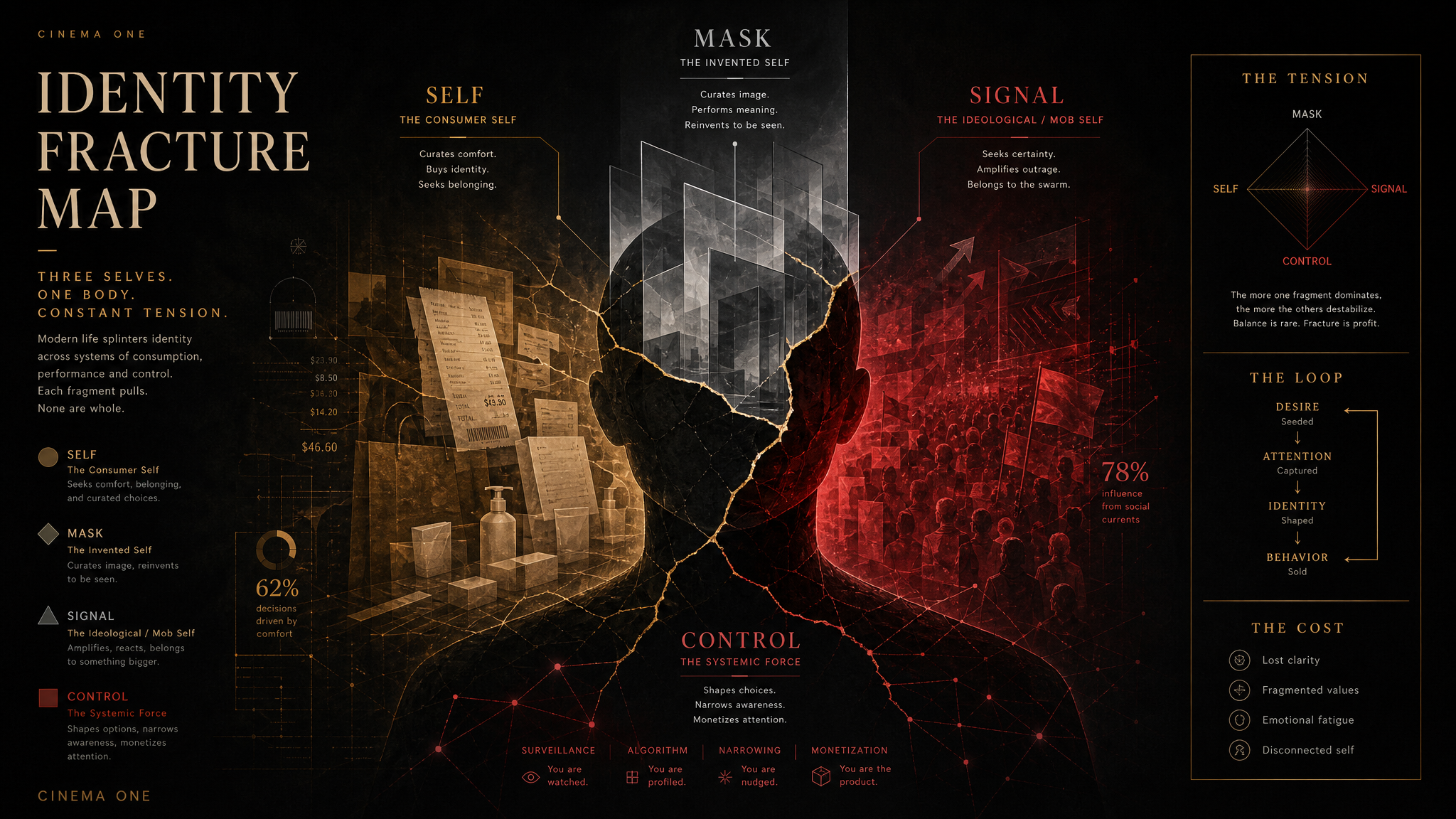
Abstract Cinema One graphic mapping fractured identity, consumer self, invented self, and ideology.

Identity Fracture Map

The useful way to read Fight Club is not as a simple split-personality trick. It is a pressure map: consumer numbness produces an invented self, the invented self becomes performance, and performance becomes a doctrine other people can join.

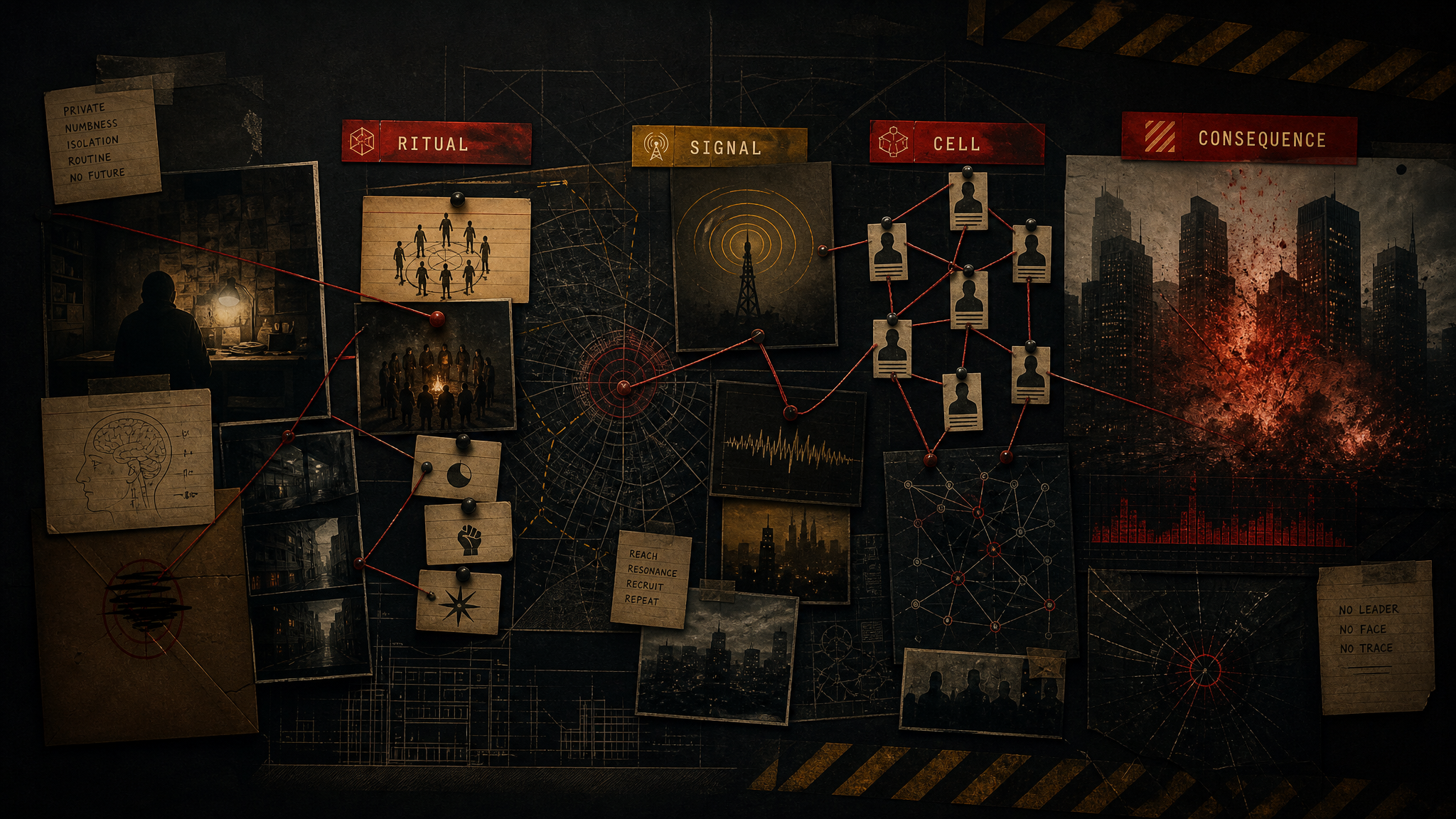
Abstract Cinema One systems graphic showing escalation from private numbness to organized consequence.

Project Mayhem Escalation Board

Project Mayhem is the movie’s real horror mechanism. The private fantasy becomes repeatable, the repeatable becomes organized, and the organization starts manufacturing consequences beyond the person who needed the fantasy in the first place.

Behind the movie

Production photos worth studying

A reviewed set of behind-the-scenes images: not celebrity filler, but evidence of how performance, camera placement, room pressure, and David Fincher's authorship shaped the finished movie.

5 reviewed photos
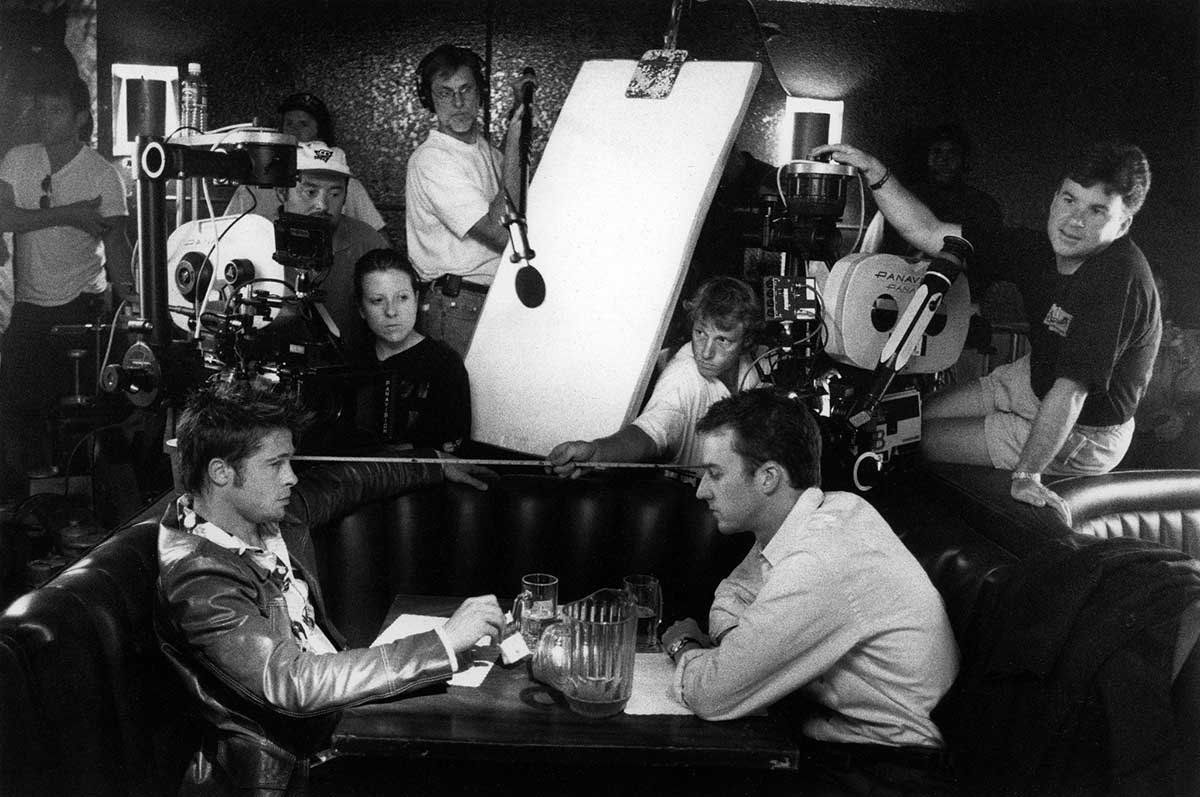
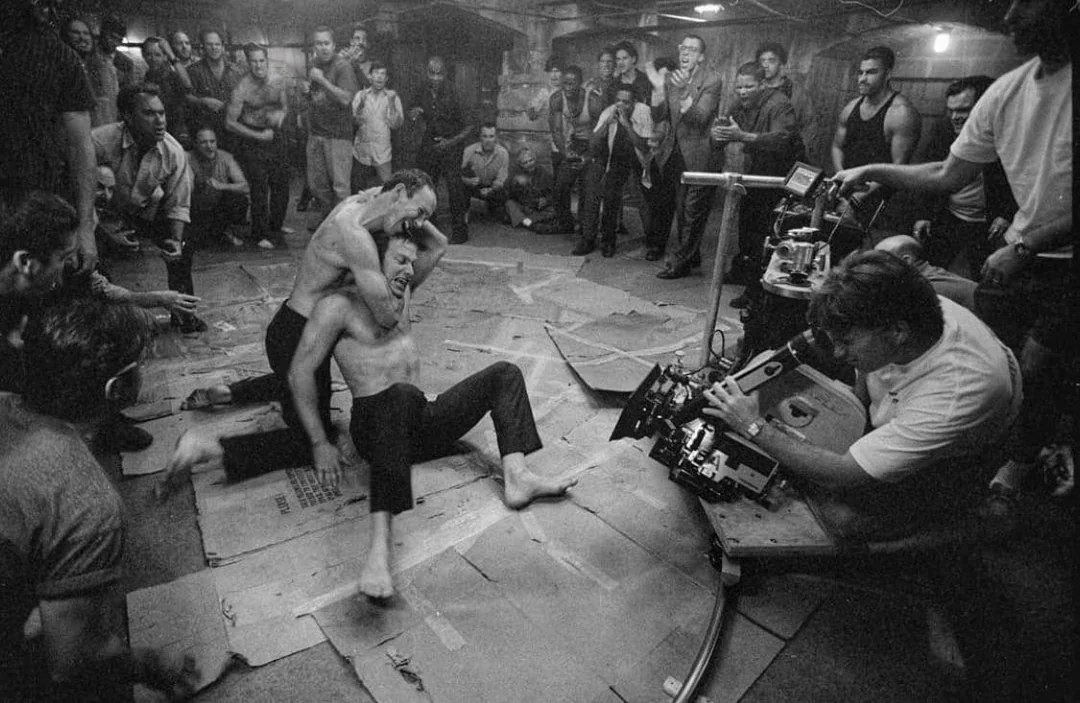
Behind-the-scenes image of the Fight Club crew filming around the basement table set.
BTS file #1

Camera inside the basement ritual

The basement scenes look loose and dangerous, but this photo makes the control visible: camera, bodies, blocking, and Fincher’s machinery organized around ritual space.

The useful detail is that the chaos is engineered, not merely performed.

Source · Cinephilia & Beyond production gallery
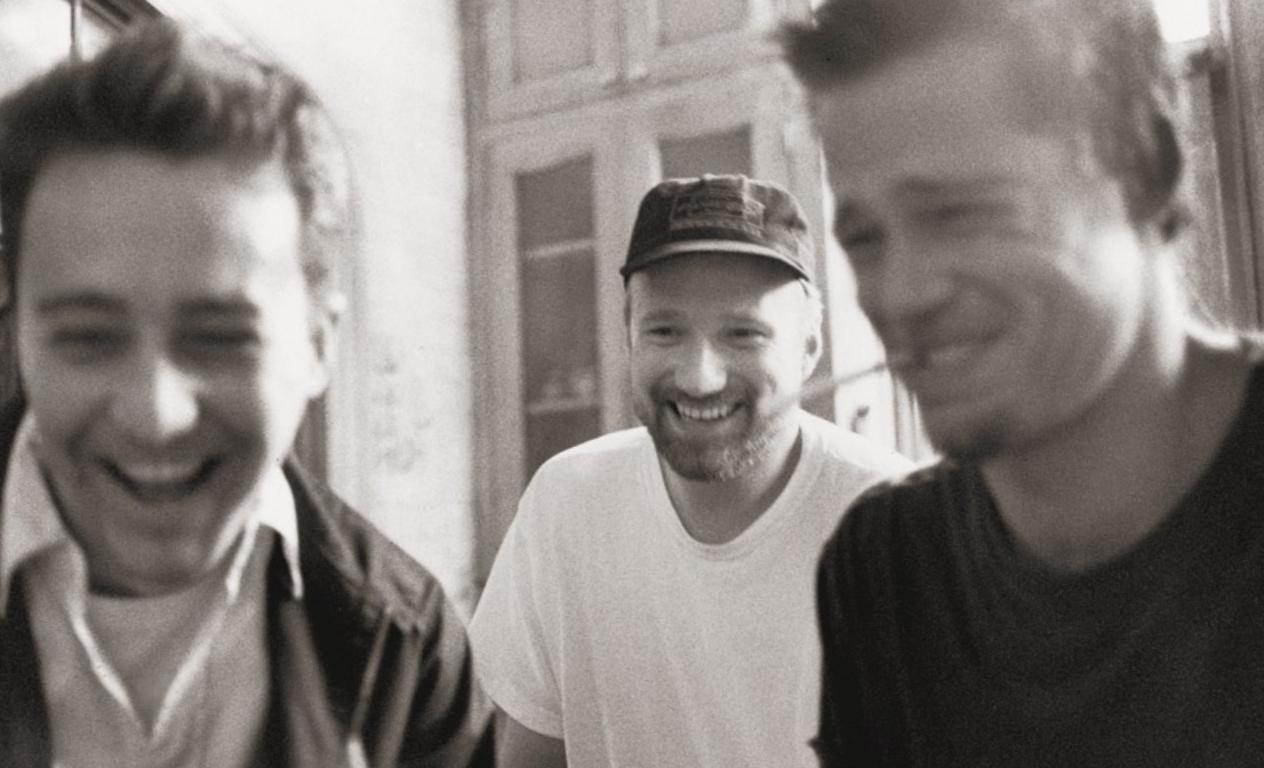
David Fincher, Brad Pitt, and Edward Norton photographed candidly during Fight Club production.
BTS file #2

Fincher, Pitt, and Norton in candid mode

A useful counterweight to the page’s darkness: the core creative triangle looks relaxed, which makes the precision and menace of the finished film feel even more constructed.

The image humanizes the Fincher lane without reducing the page to celebrity wallpaper.

Source · Cinephilia & Beyond production gallery
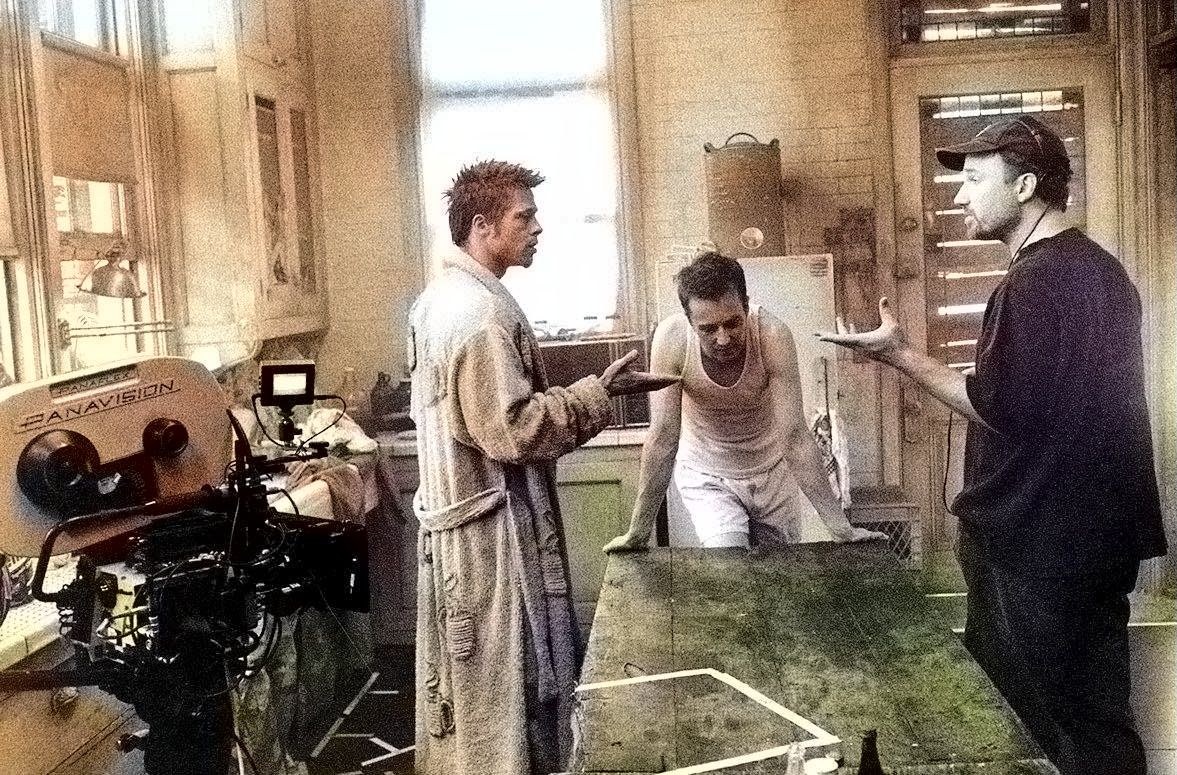
Behind-the-scenes image of actors and crew staging a scene inside the Fight Club boarding-house set.
BTS file #3

Boarding-house rehearsal geometry

The frame shows how much of Fight Club depends on bodies arranged in rooms that feel diseased, temporary, and already half-collapsed.

Staging, decay, and room pressure are all visible here before the scene even starts moving.

Source · Cinephilia & Beyond production gallery
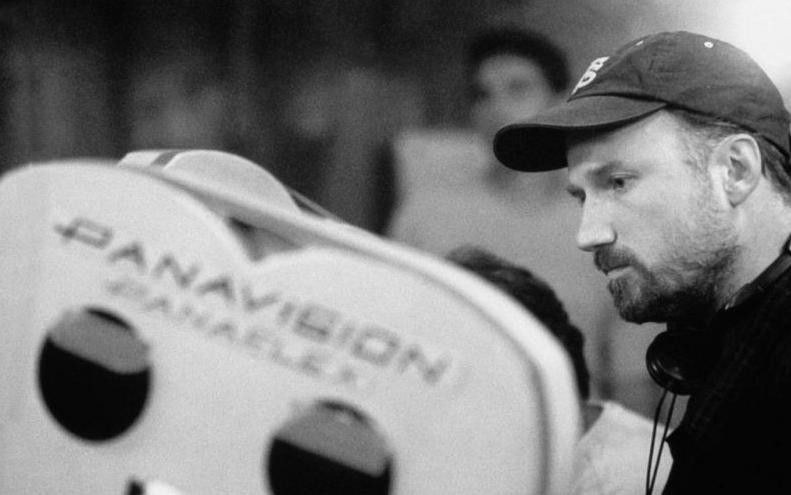
David Fincher seen beside a Panavision camera during the making of Fight Club.
BTS file #4

Fincher at the Panavision rig

A clean director-at-work image for the Fincher lane, especially useful because Fight Club’s aggression is never casual; it is photographed into being.

This is the authorship clue: formal control is visible even in the working image.

Source · Cinephilia & Beyond production gallery
Behind-the-scenes image of a camera rig filming a Fight Club basement fight sequence.
BTS file #5

Fight-room camera rig

This is the best evidence photo for the page’s central claim: the film’s anarchic energy is built from exact camera placement, crowd pressure, and choreographed impact.

This belongs high on the shelf because the behind-the-scenes craft connects directly to the movie’s mythology.

Source · Cinephilia & Beyond production gallery

Production file

How the movie became this object

Production file: the movie was not born as a consensus classic

Fight Club did not arrive as a universally understood masterpiece. Its reputation grew after theatrical release because the movie was easier to pass around, quote, pause, replay, and argue over than to neatly review on opening weekend. That afterlife matters: Fight Club is both a film and a cultural object that escaped its container.

Fincher’s design: disgust made beautiful enough to sell itself

The sick joke of Fight Club is that its anti-consumer disgust is packaged with immaculate commercial force. Fincher gives rot a premium surface: catalog apartments, fluorescent offices, basement ritual, and digital-era camera movement all become part of the same trap. The movie seduces because that is exactly how the ideology spreads.

ASC craft file: the world changes when Tyler enters it

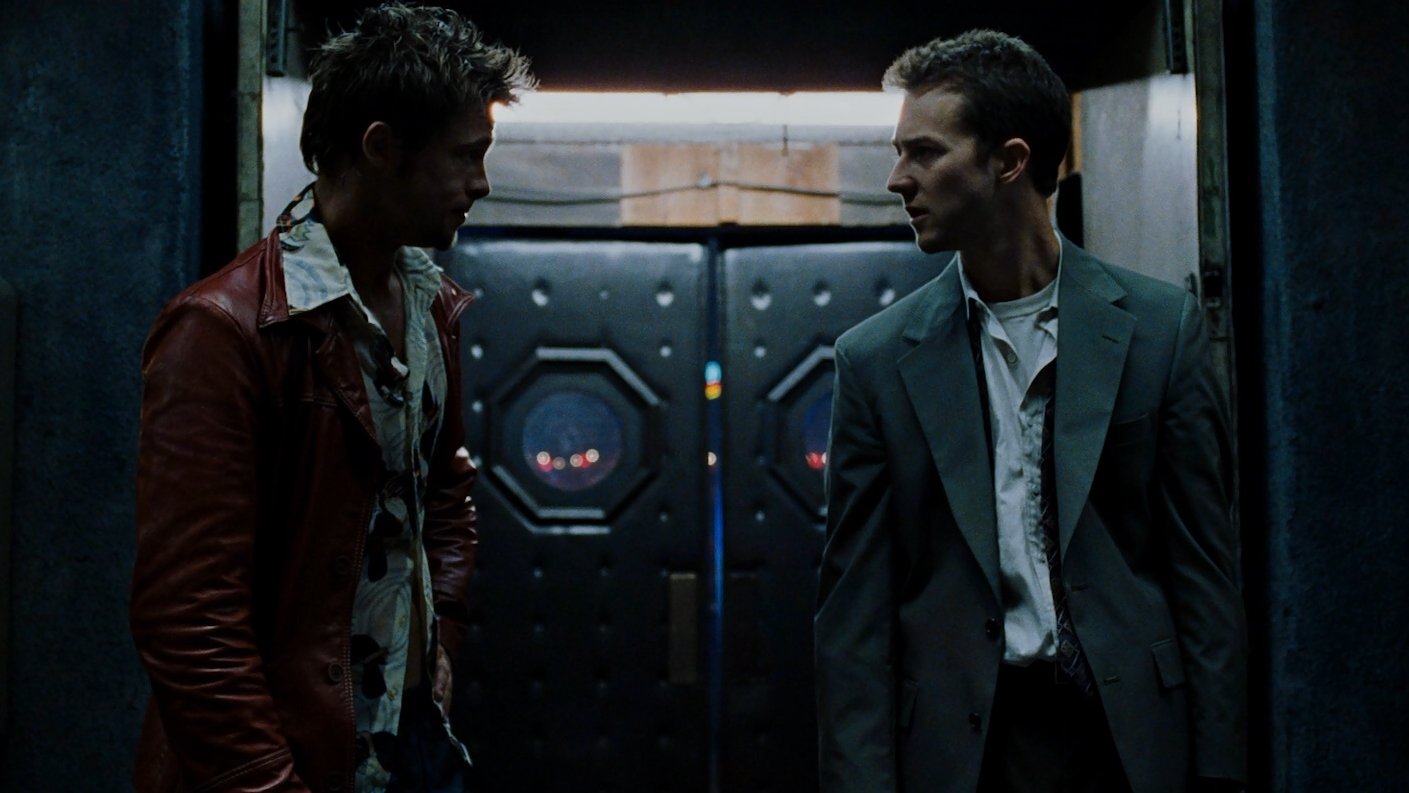
American Cinematographer records Fincher and Jeff Cronenweth’s split visual plan: the narrator’s regular nine-to-five reality stays bland and realistic, while Tyler’s orbit becomes more hyper-real, torn down, and deconstructed. That choice is not cosmetic grit. It lets the audience feel why Tyler is attractive before the movie proves attraction is the trap.

Paper Street file: the house is ideology with rotten walls

The Paper Street house matters because it is not only Tyler’s lair. ASC details the San Pedro exterior, Fox stage interiors, peeling surfaces, barely readable walls, and texture pulled out with raking light; Interiors’ Alex McDowell interview adds the Detroit/London squat research behind its anonymous-city decay. The house sells the fantasy of escape, but every room is already a recruitment poster for collapse.

Lighting file: faces half withheld, eyes still active

Cronenweth’s low-light strategy is one of the movie’s smartest moral choices. ASC describes faces often held under exposure while the eyes remained readable, which makes the characters feel half-hidden even when they are selling certainty. Fight Club’s style is persuasive because it withholds as much as it advertises.

Performance system: charisma as infection

The central performance engine works because charisma is treated like a contagion. The film understands how an idea can become attractive before it becomes coherent, and how style, confidence, and grievance can recruit people faster than argument can stop them.

Opening file: the title sequence is a panic attack with a budget

Fincher did not need a microscopic brain ride to start the movie; Art of the Title preserves his own admission that the preview version worked with the sound of a gun cocking. That is why the finished sequence matters. The film spends roughly ninety seconds turning fear into geography, moving from synapses to sweat to steel, so the first image already tells you the story is about interior panic becoming external violence.

Scene architecture

The moments that change the machine

The opening pullback: fear gets mapped before identity does

The title sequence starts inside the narrator before we know his name, which is the cleanest possible Fight Club move. Digital Domain’s camera path makes panic look physical, then exits through skin to reveal the gun. The movie’s first formal idea is that the crisis is already biological, theatrical, and weaponized.

The condo explosion: lifestyle collapse as liberation fantasy

The apartment is not just a location; it is the narrator’s self-image arranged as furniture. When it blows apart, the movie stages catastrophe as relief, which is why the scene is so dangerous. It turns loss into permission.

The chemical burn: pain turned into doctrine

The chemical burn is where sensation becomes theology. Tyler does not merely hurt the narrator; he converts pain into a lesson, and the film lets us feel the power of that conversion before forcing us to question who benefits from it.

Project Mayhem: private sickness finds an organization chart

The scariest turn is not that the fights escalate. It is that they become bureaucracy. Names disappear, chores multiply, rituals harden, and the anti-system fantasy quietly becomes another system demanding obedience.

Cultural afterlife

What people did with it afterward

The misreading is part of the case

Fight Club is not interesting only because people misunderstood it. It is interesting because the misunderstanding proves the movie’s point about seduction. A critique of macho nihilism became a style object for macho nihilists, which makes the film more volatile, not less worth studying.

Anti-consumerism that became merchandise

The movie’s anti-brand rage became one of the most branded film identities of its era. That contradiction should not be treated as hypocrisy alone. It is the exact trap Fight Club keeps circling: rebellion can be packaged, sold, quoted, worn, and mistaken for freedom.

Editorial module

Signature scene: the first parking-lot fight

The first fight matters because it turns numbness into sensation, but the scene is built like a sales pitch as much as a brawl. The empty asphalt, comic hesitation, and sudden relief make pain feel clarifying for a few seconds. That is the danger: the movie lets the release work before showing how quickly release hardens into doctrine.

Editorial module

Line worth carrying forward

The things you own end up owning you survives because it compresses the movie’s consumer disgust into one clean phrase. The line is sticky for a reason, but the film’s real subject is what people do after that disgust finds a body.

Editorial module

Why the ending still detonates

Fight Club ends with intimacy, absurdity, and catastrophe occupying the same frame. The buildings falling are iconic, but the deeper sting is that the movie closes at the exact point where private psychic damage becomes public historical action.

Editorial module

Steelman the debate

A real critique is that Fight Club is so intoxicated by its own rebellious style that it risks empowering the very macho nihilism it means to expose. The best defense is not that the risk is fake, it is that the movie knowingly stages seduction as part of the diagnosis. Its danger is built into its honesty about how rage markets itself.

Scene shelf

The clips that prove the movie

A swipeable set of scene-level evidence: the moments worth replaying because they carry the movie’s rhythm, style, argument, or rewatch gravity.

4 scenesSwipe or scroll sideways
Scene 1MovieclipsOrigin ritual

I Want You to Hit Me

This is where the movie converts numbness into contact. The scene is funny, pathetic, liberating, and alarming at once — exactly the unstable charge the whole film runs on.

Scene 2MovieclipsMythology becomes ritual

The First Rule of Fight Club

The rules scene shows how fast private release becomes group doctrine. Pitt sells the sermon, but Fincher frames the room like a system being born.

Scene 3MovieclipsPain turned into ideology

Chemical Burn

A crucial scene because Tyler turns physical pain into philosophy. The danger is not only the burn; it is how persuasive the lesson feels while it is happening.

Scene 4MovieclipsIdentity fracture pays off

Letting Yourself Become Tyler Durden

The twist works because it reframes charisma as self-infection. The movie’s seduction suddenly becomes evidence, not just style.