
Fight Club
Return-trip lane

Rewatchables

Movies built for return visits, momentum, quotability, texture, and pure replay value.

A healthy movie product needs a place for films that become habits. These are the titles that keep giving back on the third, fifth, or tenth watch.

propulsivequotablecomfortably intense
Start with Fight Club

Why this lane works

This lane is built around movies that stay alive between watches, through dialogue, rhythm, scenes, and pure revisit pull.

Useful counterweight whenever the site needs to feel fun, legible, and habit-forming.

This shelf exists to name the appetite first, then let the titles argue with each other.

18
Core picks
15
Directors
7.9
Avg rating
1986 to 2024
Year span
10 fully-authored8 strong0 building0 case pending

Ideal for

  • repeat watches with friends
  • movie nights where pace and quotability matter
  • users who want instant replay value instead of patient slow-burn curation
Program this lane

Three double-feature handoffs for turning the shelf into a night.

Collections should not stop at inventory. These pairings make the editorial path explicit: start sharp, change angle, then decide what the lane is really arguing.

Search this signal

Starter pairing

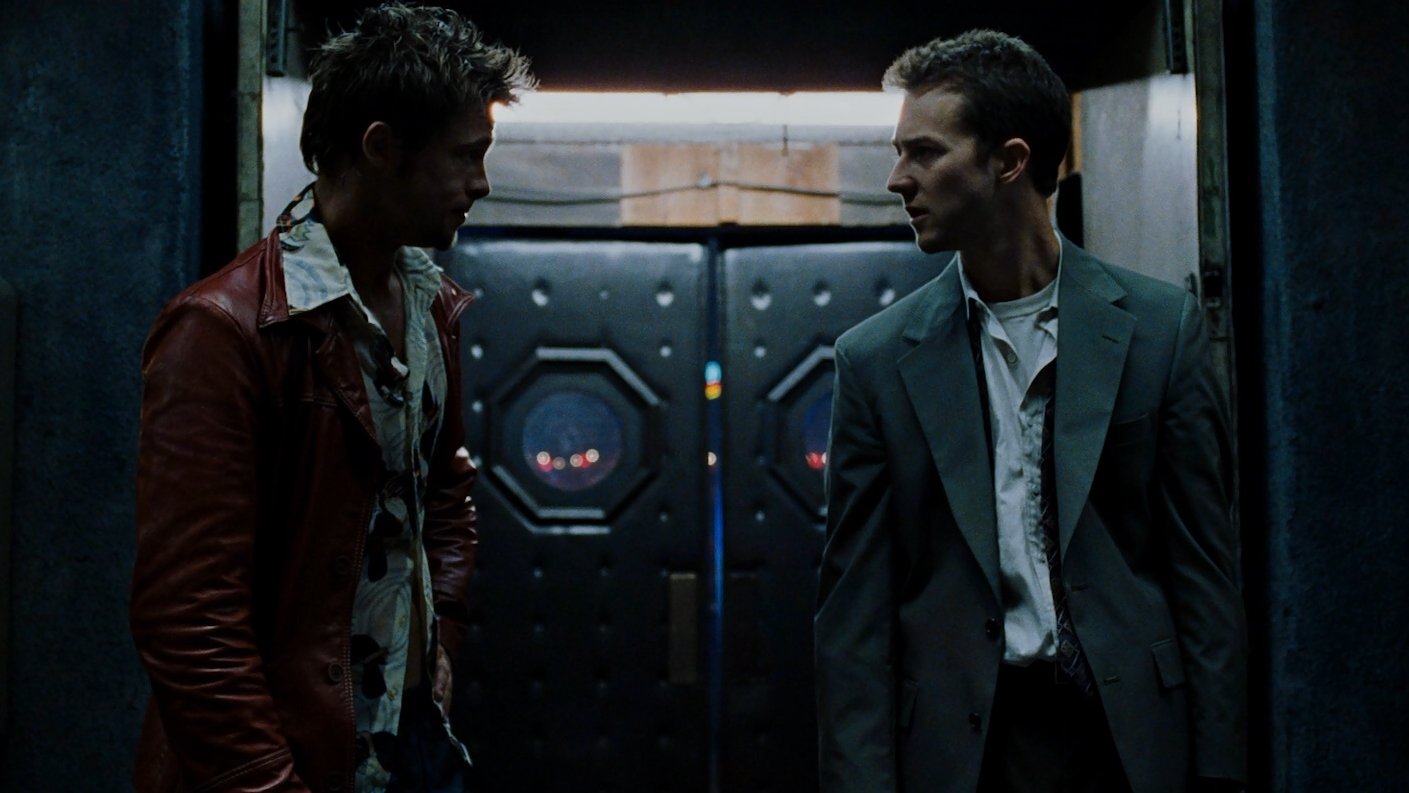
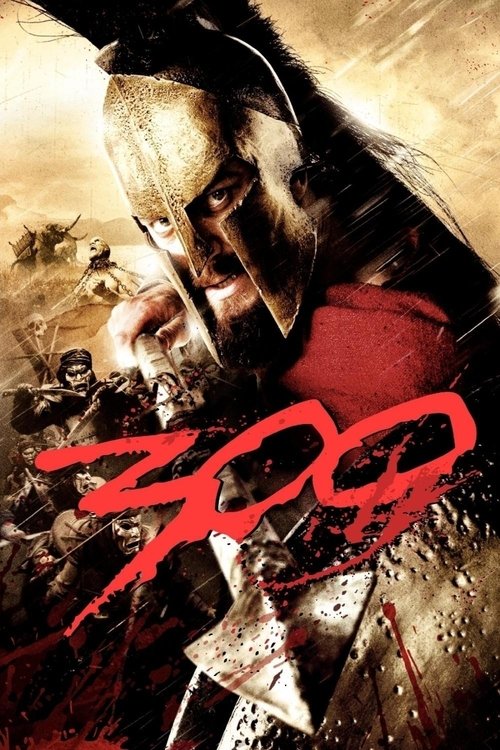
Fight Club → 300

Fight Club establishes the propulsive charge; 300 bends that charge into a different shape. The handoff moves from David Fincher's approach to Zack Snyder's, so the lane opens wider without losing its signal. Because the release years sit close together, the pairing plays like two arguments from the same cultural weather.

Open adjacent search

Deeper turn

True Romance → True Lies

True Romance establishes the quotable charge; True Lies bends that charge into a different shape. The handoff moves from Tony Scott's approach to James Cameron's, so the lane opens wider without losing its signal. Because the release years sit close together, the pairing plays like two arguments from the same cultural weather.

Open adjacent search
Late-night close

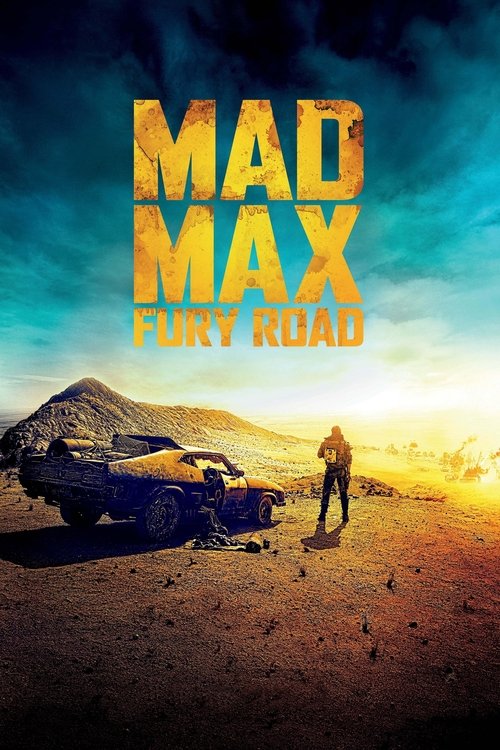
Mad Max: Fury Road → Furiosa: A Mad Max Saga

Mad Max: Fury Road establishes the comfortably intense charge; Furiosa: A Mad Max Saga bends that charge into a different shape. Both films keep you inside George Miller's system, making the second watch feel like a variation instead of a reset. Because the release years sit close together, the pairing plays like two arguments from the same cultural weather.

Open adjacent search

Collection picks

The movies that define the lane.

Fight Club
Fight Club
David Fincher1999

An insomniac office worker mistakes numbness for peace until Tyler Durden turns grievance into ritual, then ritual into organization. Fight Club works because Fincher makes the release feel seductive before the bill comes due: consumer disgust becomes violence, violence becomes doctrine, and the fantasy of waking up starts recruiting bodies.

300
300
Zack Snyder2006

King Leonidas and 300 Spartans turn a last stand against the Persian army into blood-red myth, graphic-novel warfare, and pure impossible-odds spectacle.

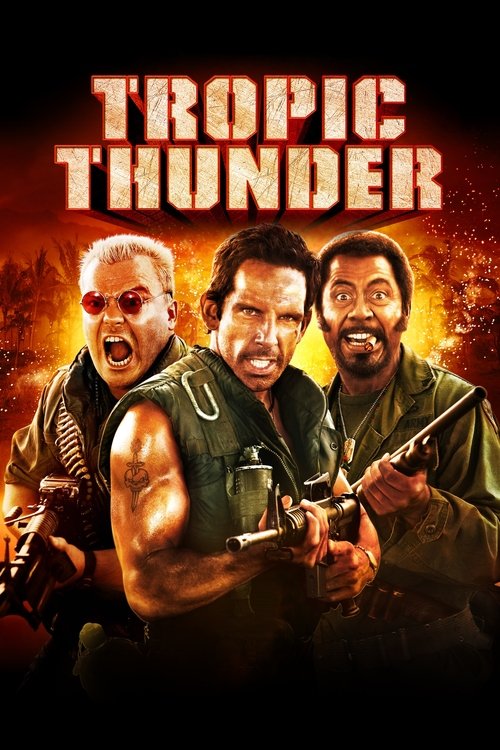
Tropic Thunder
Tropic Thunder
Ben Stiller2008

A crew of insecure actors marches into a fake Vietnam movie and finds the Hollywood machine eating its own costume. Tropic Thunder belongs on Cinema One because Ben Stiller turns blockbuster scale into studio satire: fake trailers, awards hunger, method vanity, brand extensions, and Les Grossman power all collide until performance becomes another survival problem.

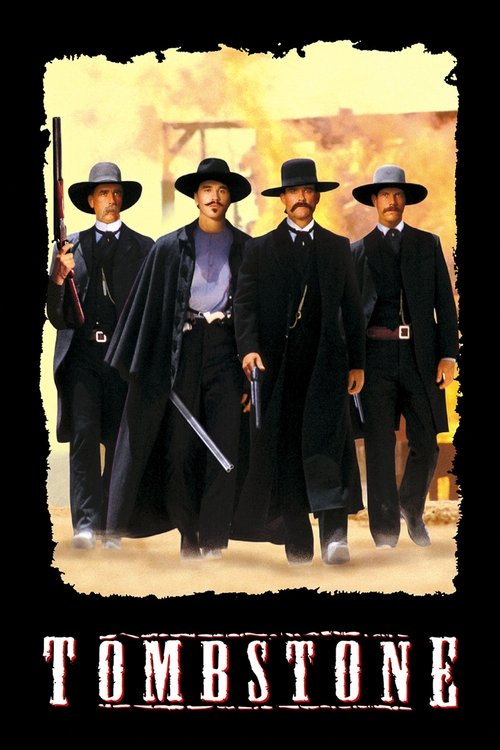
Tombstone
Tombstone
George P. Cosmatos1993

Wyatt Earp tries to treat Tombstone as retirement, but the town keeps turning reputation into obligation. The movie lasts because its western myth is powered by performance pressure: Kurt Russell gives Wyatt the steady spine, Val Kilmer turns Doc Holliday into fatal wit and decaying elegance, and every showdown tests whether friendship can outdraw fear.

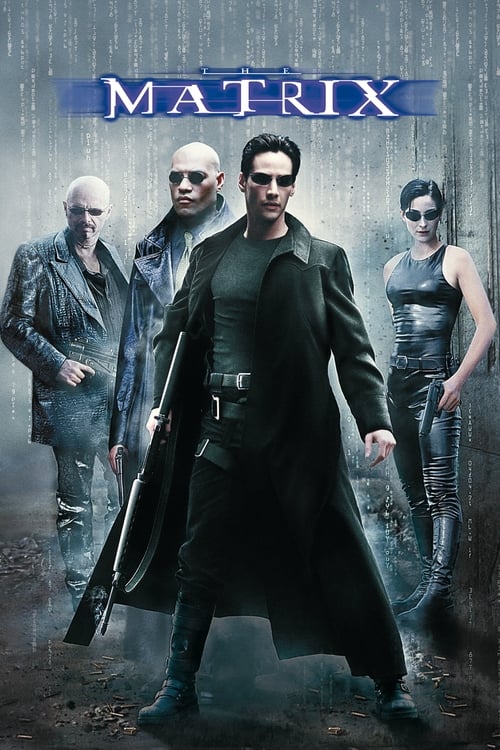
The Matrix
The Matrix
Lana Wachowski & Lilly Wachowski1999

A hacker learns reality is a machine-built prison, but The Matrix lasts because the Wachowskis make awakening playable: green cursor light, phone exits, leather silhouettes, kung fu rule-breaking, and bullet time all turn philosophy into body knowledge.

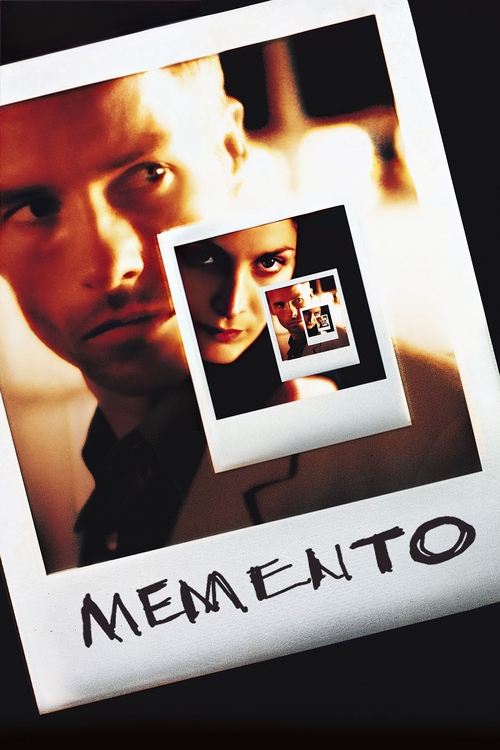
Memento
Memento
Christopher Nolan2000

A man with short-term memory loss hunts for his wife’s killer using notes, tattoos, and a fractured sense of time.

Jackie Brown
Jackie Brown
Quentin Tarantino1997

A flight attendant caught smuggling cash plays the feds and an arms dealer against each other.

Titanic
Titanic
James Cameron1997

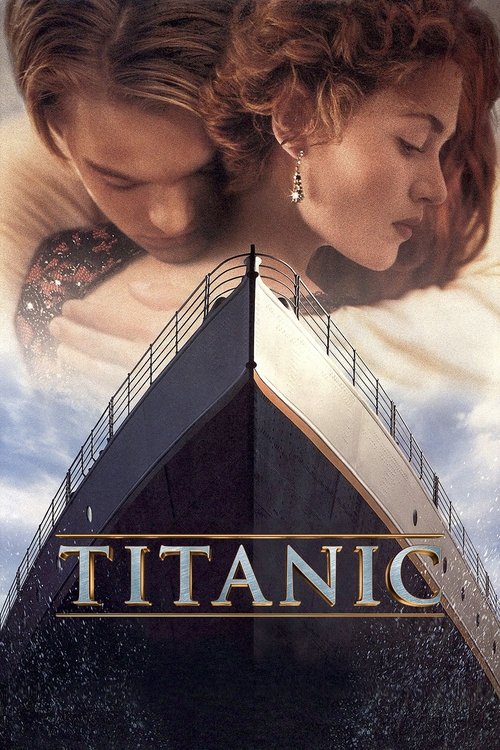
Cameron turns historical disaster into mass-audience feeling, engineering obsession, and a romance broad enough to carry catastrophe at full scale.

True Romance
True Romance
Tony Scott1993

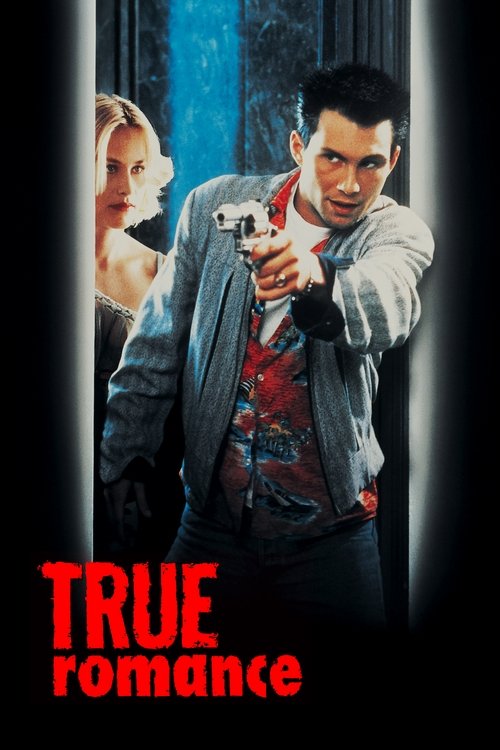
A comic-book clerk and a call girl bolt across America with a suitcase of cocaine, and Scott turns Tarantino dialogue into bright, reckless lovers-on-the-run velocity.

True Lies
True Lies
James Cameron1994

Cameron turns secret-agent fantasy, marital farce, and industrial-scale set pieces into a swaggering action-comedy that only really works because the movie never stops moving.

Predator
Predator
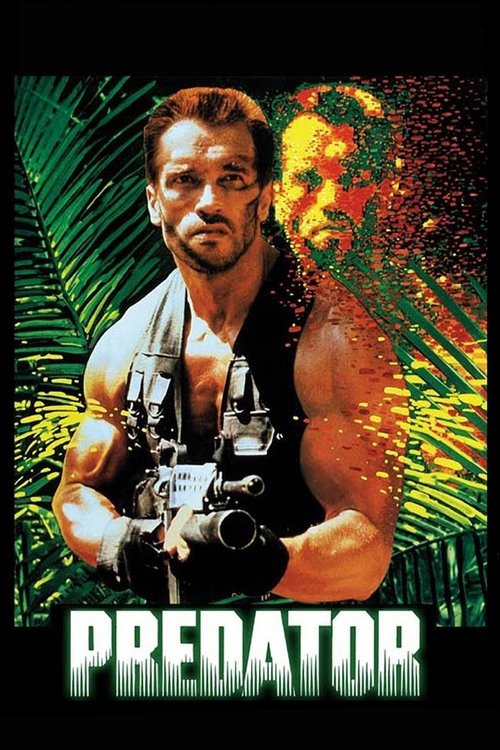
John McTiernan1987

Dutch’s rescue team enters the jungle like a wall of muscle, weapons, and confidence, then the movie patiently turns that confidence into heat, fear, and bad information. Predator belongs on Cinema One because McTiernan makes a macho action vehicle mutate into survival horror: the bodies get bigger while the tactical advantage keeps shrinking, until all that is left is mud, traps, silence, and one professional learning he is no longer the apex predator.

Starship Troopers
Starship Troopers
Paul Verhoeven1997

Johnny Rico joins the Mobile Infantry chasing citizenship, romance, and glory, then discovers a future where every wound can be cut into recruitment footage before the blood dries. Starship Troopers belongs on Cinema One because Verhoeven makes bug-war spectacle feel genuinely thrilling while poisoning the frame with propaganda: square jaws, clean uniforms, schoolroom doctrine, and media grin until the audience has to ask why the bad ideas are packaged so well.

The Crow
The Crow
Alex Proyas1994

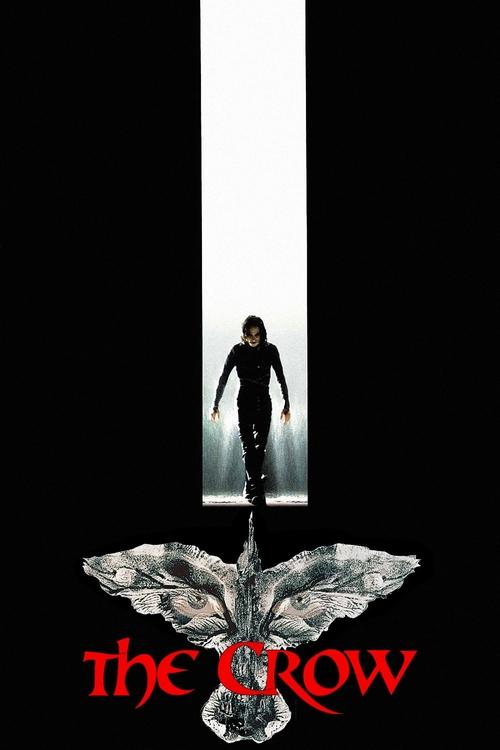
Eric Draven returns from murder as a rain-soaked revenge myth, but The Crow stays in rotation because Alex Proyas turns grief into production design: rooftops, alleys, guitar feedback, face paint, and Brandon Lee's wounded physical grace all make vengeance feel less like victory than a ghost trying to finish one last song.

Resident Evil
Resident Evil
Paul W. S. Anderson2002

Alice wakes inside Umbrella’s mansion with no memory, then descends into the Hive where soldiers, scientists, zombie dogs, and a murderous security system turn corporate secrecy into body-count architecture. Resident Evil earns a Thomas Library Spine slot because it is not prestige horror and does not pretend to be. It is clean B-movie machinery: red dress, white corridors, industrial basements, laser grids, game logic, and Milla Jovovich learning how to become an action icon one locked door at a time.

Stand by Me
Stand by Me
Rob Reiner1986

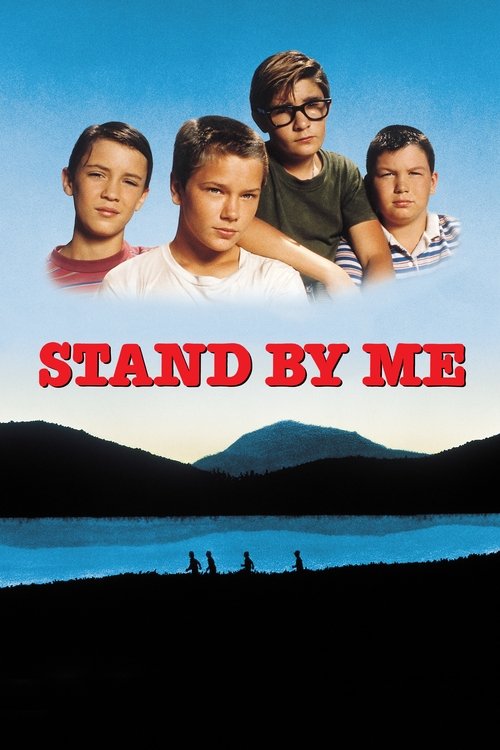
Four boys leave Castle Rock to find a body, but Stand by Me keeps its real pressure smaller and more permanent: grief, class shame, older-brother shadows, fathers who do not see clearly, and the awful knowledge that childhood friendships can be life-saving without lasting forever. It earns its Thomas Library Spine slot because Rob Reiner turns Stephen King memory into a rewatch engine: the railroad track is simple, the performances are unforced, and every joke is carrying the ache of someone narrating from after the innocence is gone.

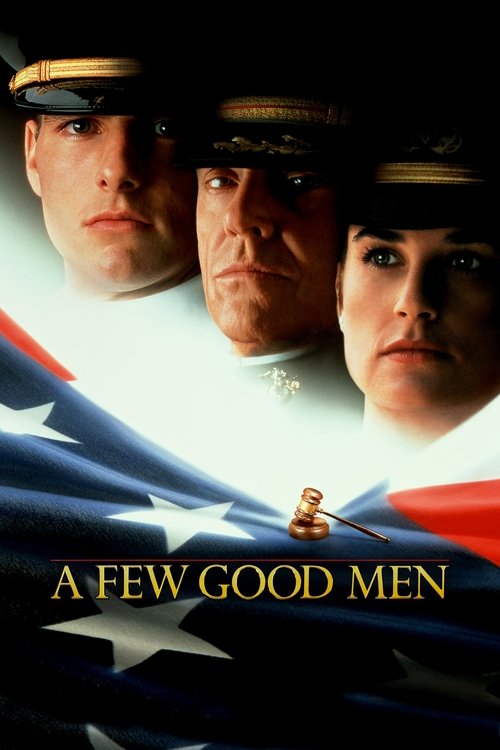
A Few Good Men
A Few Good Men
Rob Reiner1992

A Navy lawyer who usually bargains cases into quiet corners is forced to try two Marines accused of murder, then discovers the real fight is not guilt but obedience. A Few Good Men earns its Thomas Library Spine slot because Rob Reiner and Aaron Sorkin turn legal procedure into command pressure: jokes, objections, rank, paperwork, and ego all tighten toward one witness who believes the truth is his property.

Mad Max: Fury Road
Mad Max: Fury Road
George Miller2015

Max is dragged into Furiosa’s escape route, then the movie turns a desert chase into a clean moral argument about bodies, water, fuel, and who gets to own the future. Fury Road belongs on Cinema One because George Miller builds spectacle like pressure engineering: the route is simple, the image language is ruthless, and every crash, turn, flare, and cut keeps asking whether survival can become rescue instead of just endurance.

Furiosa: A Mad Max Saga
George Miller2024

Furiosa is stolen from the Green Place and spends years learning how the Wasteland turns grief, trade routes, fuel, bullets, and bodies into leverage. Furiosa earns its Thomas Library Spine slot because George Miller refuses to remake Fury Road’s perfect sprint: this is the apprenticeship ledger, where silence, mechanical skill, captivity, and convoy warfare slowly harden into the woman who can eventually turn escape into rescue.