They Live
Personality lane

Cult and Oddball

The lane where personality beats polish and cult energy becomes part of the pleasure.

Not every great movie experience is tidy or canonical. This collection protects the scruffier side of taste, where attitude, argument, midnight-movie charge, and defend-it-harder texture matter as much as perfection.

strangetexturedslightly feral
Start with They Live

Why this lane works

These picks win through voice, weirdness, and unforgettable texture: the qualities that make movie taste feel personal instead of academic.

Important lane for protecting the product from turning into a prestige-only library, and for making the Thomas Library Spine visible as taste rather than volume.

This shelf exists to name the appetite first, then let the titles argue with each other.

12
Core picks
12
Directors
7.5
Avg rating
1984 to 2009
Year span
4 fully-authored8 strong0 building0 case pending

Ideal for

  • nights when polish is less important than personality
  • users drifting away from canon toward cult texture
  • programming blocks that need surprise, attitude, and an argument worth defending
Program this lane

Three double-feature handoffs for turning the shelf into a night.

Collections should not stop at inventory. These pairings make the editorial path explicit: start sharp, change angle, then decide what the lane is really arguing.

Search this signal

Starter pairing

They Live → 300

They Live establishes the strange charge; 300 bends that charge into a different shape. The handoff moves from John Carpenter's approach to Zack Snyder's, so the lane opens wider without losing its signal. The 1988–2006 spread also turns the pairing into a miniature history of the appetite.

Open adjacent search

Deeper turn

Resident Evil → District 9

Resident Evil establishes the textured charge; District 9 bends that charge into a different shape. The handoff moves from Paul W. S. Anderson's approach to Neill Blomkamp's, so the lane opens wider without losing its signal. Because the release years sit close together, the pairing plays like two arguments from the same cultural weather.

Open adjacent search

Late-night close

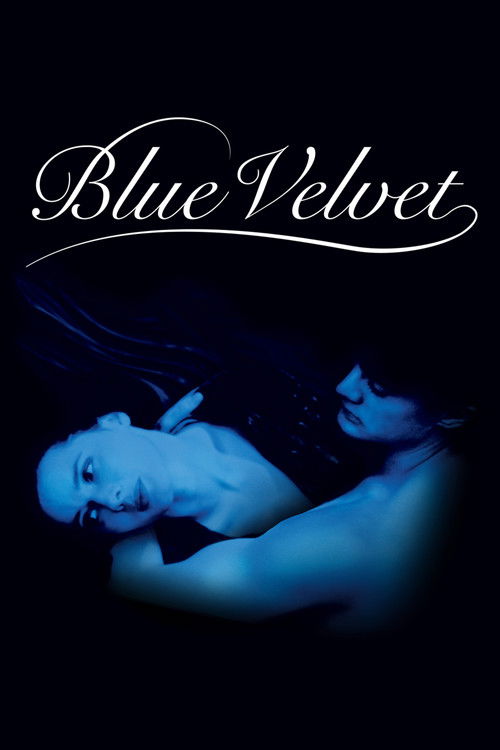
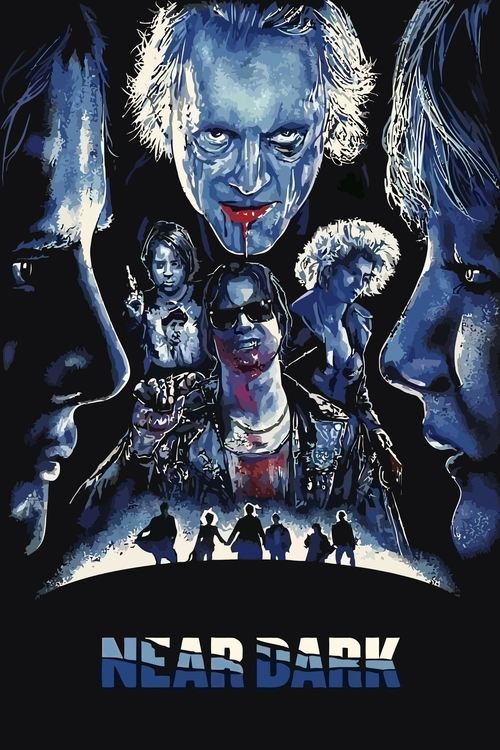
Blue Velvet → Near Dark

Blue Velvet establishes the slightly feral charge; Near Dark bends that charge into a different shape. The handoff moves from David Lynch's approach to Kathryn Bigelow's, so the lane opens wider without losing its signal. Because the release years sit close together, the pairing plays like two arguments from the same cultural weather.

Open adjacent search

Collection picks

The movies that define the lane.

They Live
They Live
John Carpenter1988

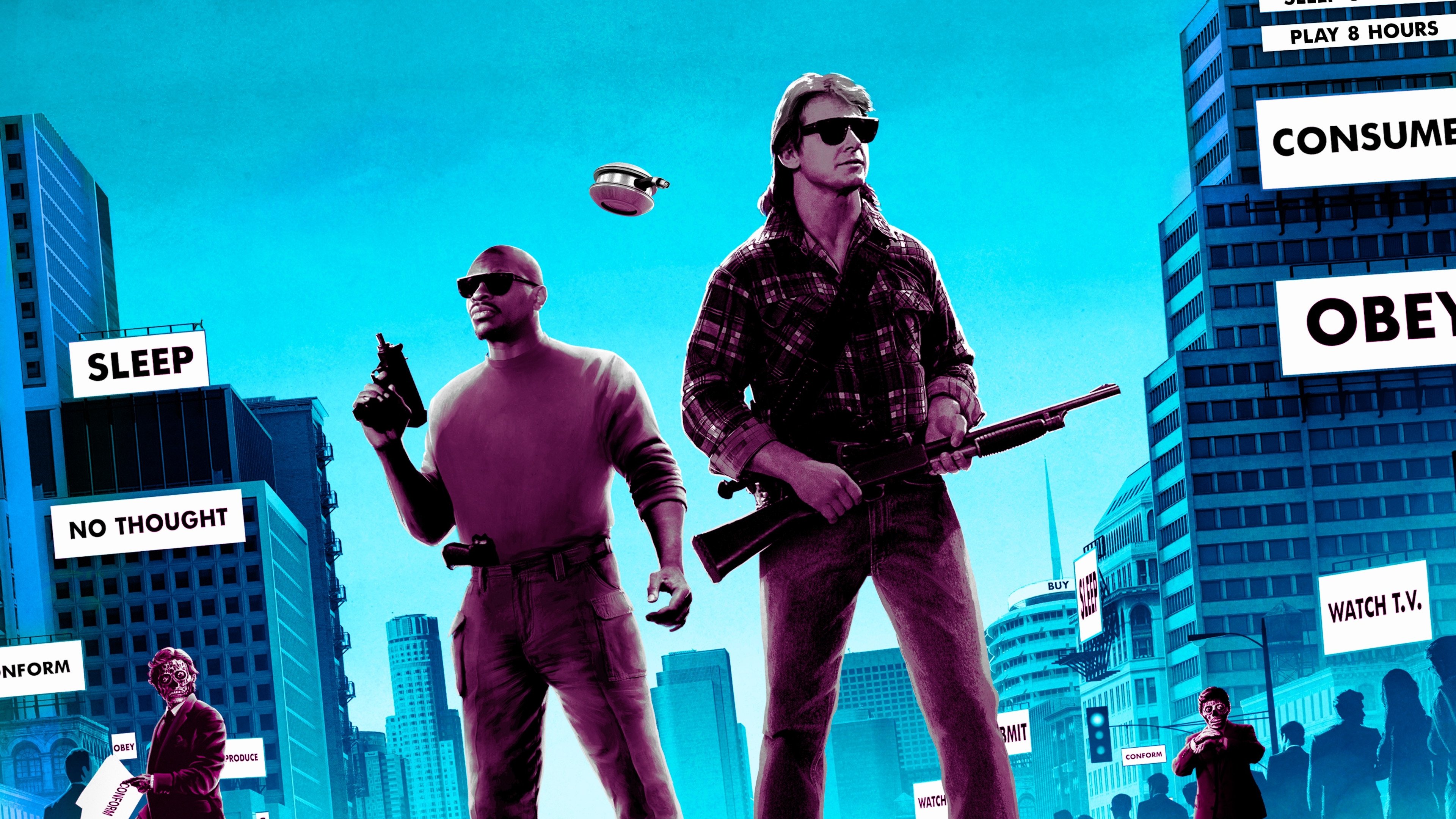
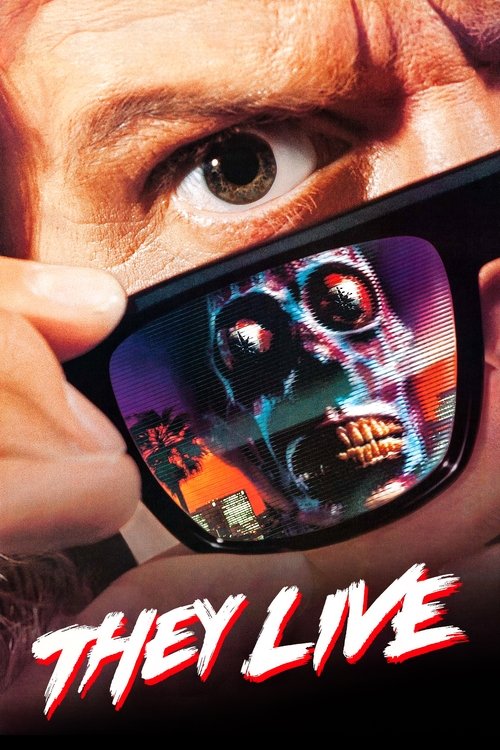
A drifter discovers special sunglasses that reveal the world is controlled by aliens who have hypnotized humanity through subliminal messages.

300
300
Zack Snyder2006

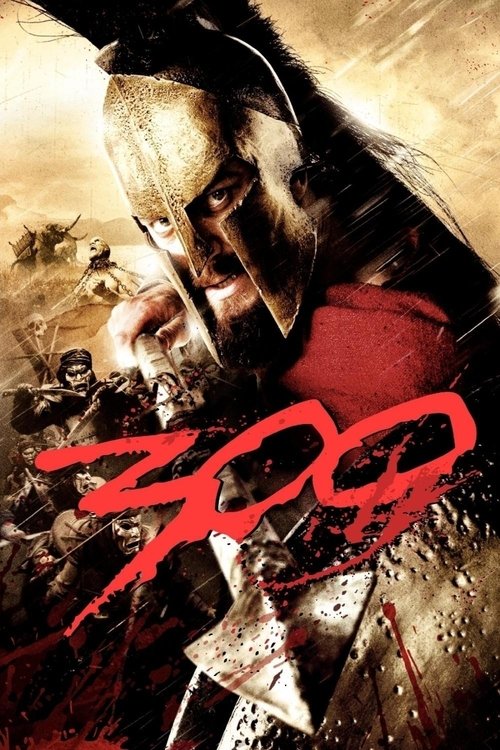
King Leonidas and 300 Spartans turn a last stand against the Persian army into blood-red myth, graphic-novel warfare, and pure impossible-odds spectacle.

Predator
Predator
John McTiernan1987

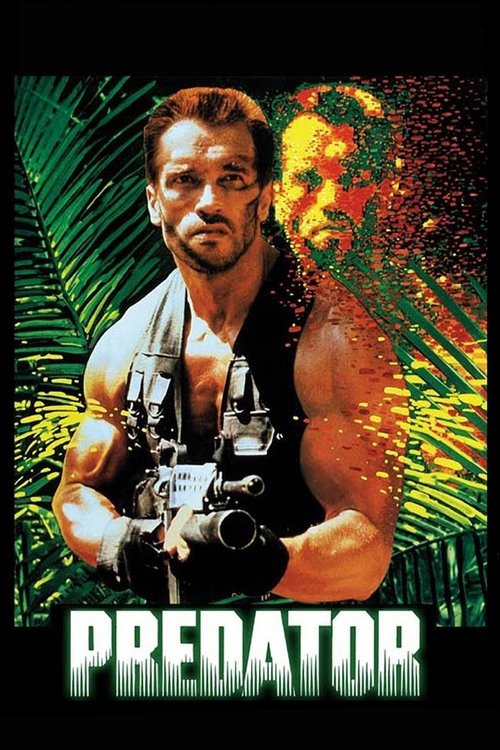
Dutch’s rescue team enters the jungle like a wall of muscle, weapons, and confidence, then the movie patiently turns that confidence into heat, fear, and bad information. Predator belongs on Cinema One because McTiernan makes a macho action vehicle mutate into survival horror: the bodies get bigger while the tactical advantage keeps shrinking, until all that is left is mud, traps, silence, and one professional learning he is no longer the apex predator.

Starship Troopers
Starship Troopers
Paul Verhoeven1997

Johnny Rico joins the Mobile Infantry chasing citizenship, romance, and glory, then discovers a future where every wound can be cut into recruitment footage before the blood dries. Starship Troopers belongs on Cinema One because Verhoeven makes bug-war spectacle feel genuinely thrilling while poisoning the frame with propaganda: square jaws, clean uniforms, schoolroom doctrine, and media grin until the audience has to ask why the bad ideas are packaged so well.

The Crow
The Crow
Alex Proyas1994

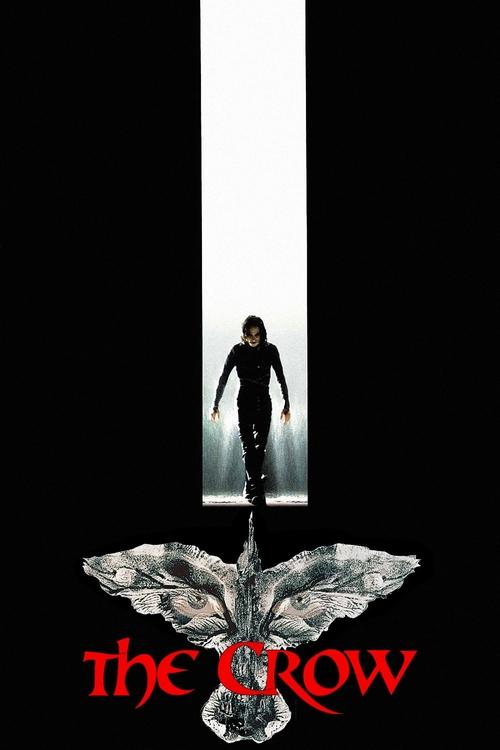
Eric Draven returns from murder as a rain-soaked revenge myth, but The Crow stays in rotation because Alex Proyas turns grief into production design: rooftops, alleys, guitar feedback, face paint, and Brandon Lee's wounded physical grace all make vengeance feel less like victory than a ghost trying to finish one last song.

Resident Evil
Resident Evil
Paul W. S. Anderson2002

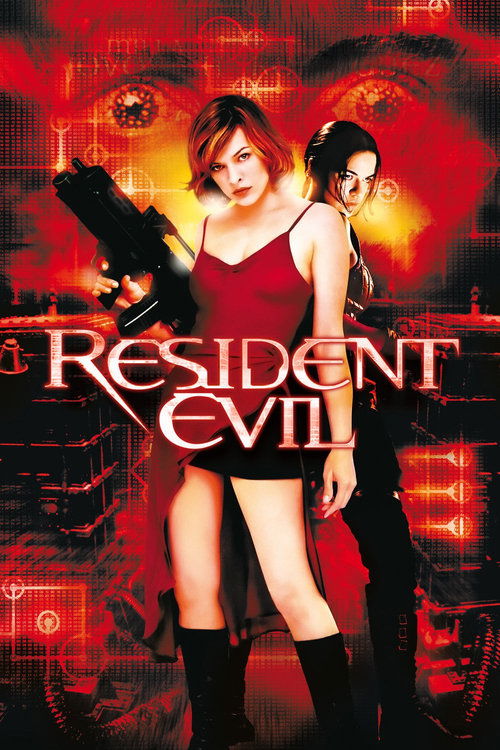
Alice wakes inside Umbrella’s mansion with no memory, then descends into the Hive where soldiers, scientists, zombie dogs, and a murderous security system turn corporate secrecy into body-count architecture. Resident Evil earns a Thomas Library Spine slot because it is not prestige horror and does not pretend to be. It is clean B-movie machinery: red dress, white corridors, industrial basements, laser grids, game logic, and Milla Jovovich learning how to become an action icon one locked door at a time.

District 9
District 9
Neill Blomkamp2009

An alien refugee camp outside Johannesburg becomes a corporate eviction zone, then a low-level bureaucrat gets infected by the thing he has been trained to dehumanize. District 9 belongs on Cinema One because it gives the Thomas Library Spine a nasty sci-fi pressure room: documentary texture, body horror, apartheid memory, weapons-grade spectacle, and one coward learning empathy the hard way.

V for Vendetta
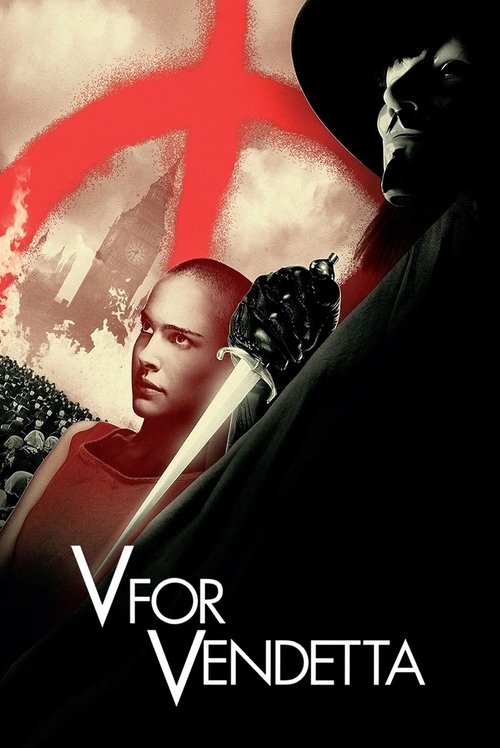
V for Vendetta
James McTeigue2006

Evey Hammond is pulled into V’s campaign against a police-state Britain, then the movie turns comic-book rebellion into a pressure room about fear, symbols, and what ordinary people surrender when survival starts looking like obedience. V for Vendetta earns its Thomas Library Spine slot because the Wachowskis and James McTeigue make the mask both weapon and argument: the face never changes, so performance, lighting, rhetoric, and Evey’s transformation have to carry the entire revolution.

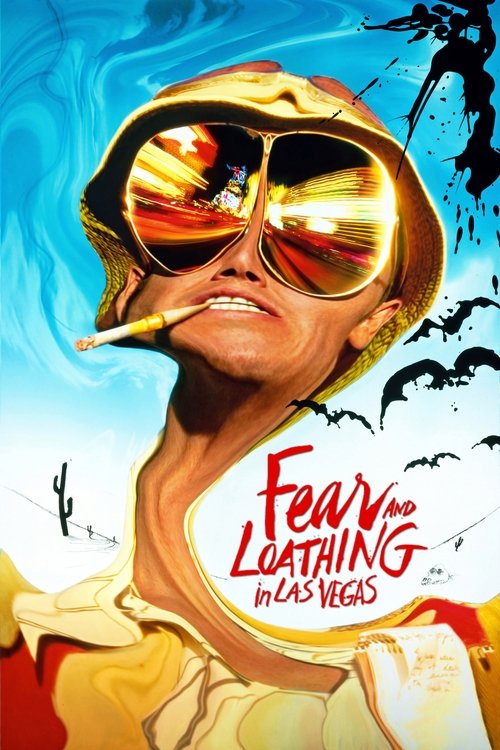
Fear and Loathing in Las Vegas
Terry Gilliam1998

A psychedelic journey through Las Vegas as two men indulge in a week of debauchery fueled by psychoactive substances.

This Is Spinal Tap
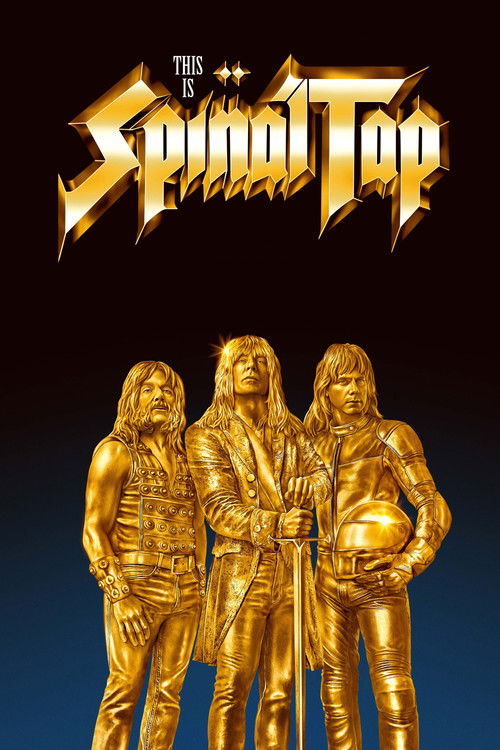
This Is Spinal Tap
Rob Reiner1984

Spinal Tap tours America with amps, egos, tiny Stonehenge, backstage resentment, and no real sense of how ridiculous the machine has become. This Is Spinal Tap belongs on Cinema One because the mockumentary form is not a gimmick; it is the pressure system that lets vanity, friendship, industry nonsense, and rock myth collapse one interview at a time.

Blue Velvet
Blue Velvet
David Lynch1986

A young man returns to his hometown and discovers a severed human ear in a field, leading him into a dark underworld of violence and sexual depravity.

Near Dark
Near Dark
Kathryn Bigelow1987

Caleb falls for Mae on an Oklahoma night road and gets pulled into a roaming vampire family where romance, hunger, and outlaw belonging all come with a body count. Near Dark strengthens Cinema One’s Kathryn Bigelow lane because it treats vampire myth as a western pressure system: stolen vans, cheap motels, barroom violence, sunup deadlines, Tangerine Dream haze, and Bill Paxton turning every grin into a threat with teeth.