
Blue Velvet: The American Nightmare Hiding Beneath the Lawn
David Lynch’s cult landmark still feels dangerous because it turns curiosity into complicity and suburbia into a stage for desire, cruelty, and rot.
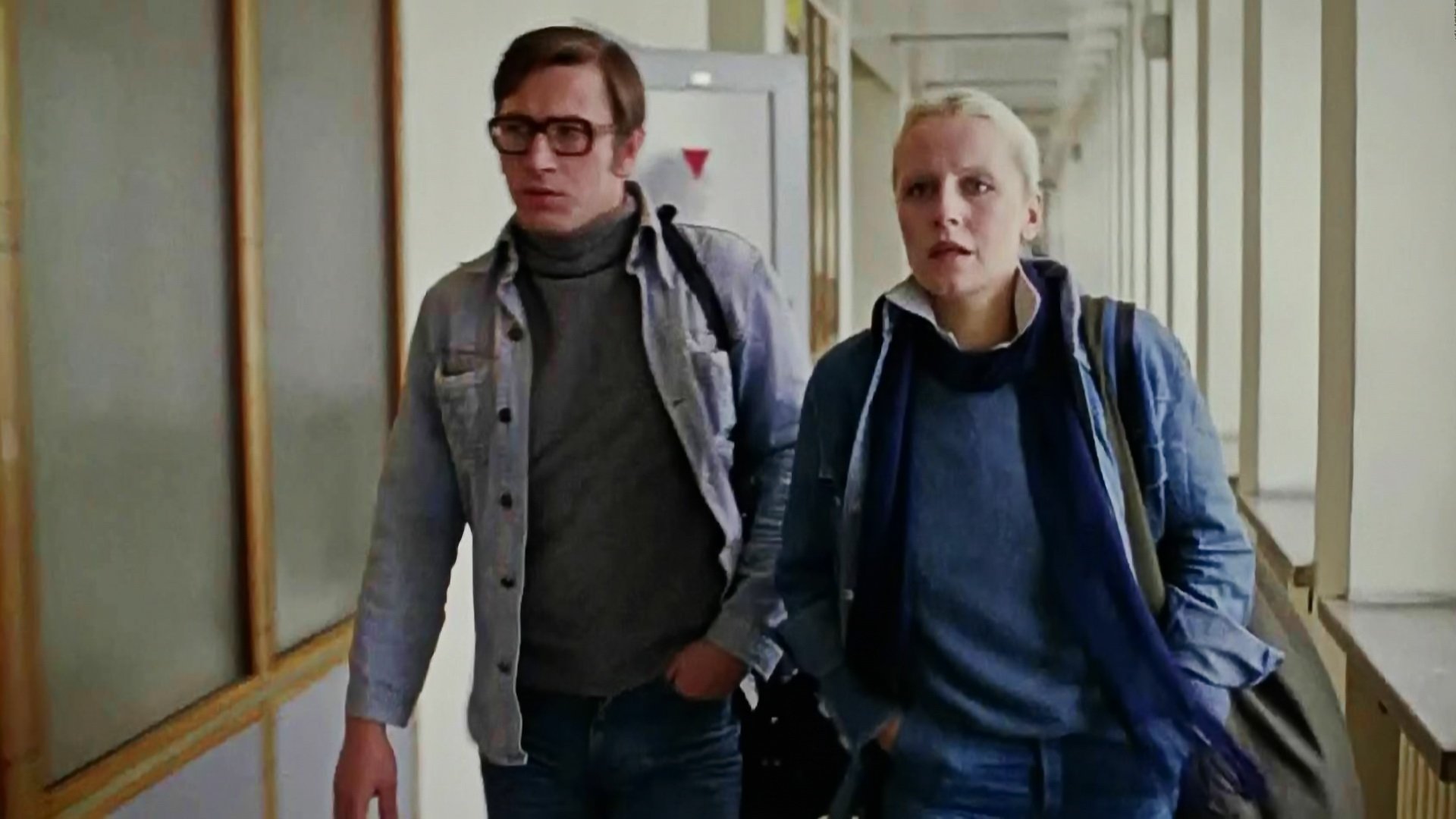
Blue Velvet works by taking a familiar American image, the neat neighborhood, the bright lawn, the teenager coming home, and making it feel suspicious without ever fully abandoning its beauty.
Looking as Contamination
Jeffrey begins as a curious observer, but Lynch does not let observation stay clean. The closet sequence and everything around it turn looking into participation, making the audience feel implicated in the exact pull the movie is diagnosing.
Frank Booth as Invasive Energy
Dennis Hopper's performance is unforgettable because Frank does not enter the movie like a normal antagonist. He feels like a whole social and sexual nightmare crossing the membrane from hidden underworld into ordinary life.
Why the Ending Never Fully Soothes
Blue Velvet returns to daylight, romance, and birdsong, but the restoration lands as eerie rather than pure. Lynch has already taught the viewer too much about what lives underneath the image for innocence to come back unaltered.
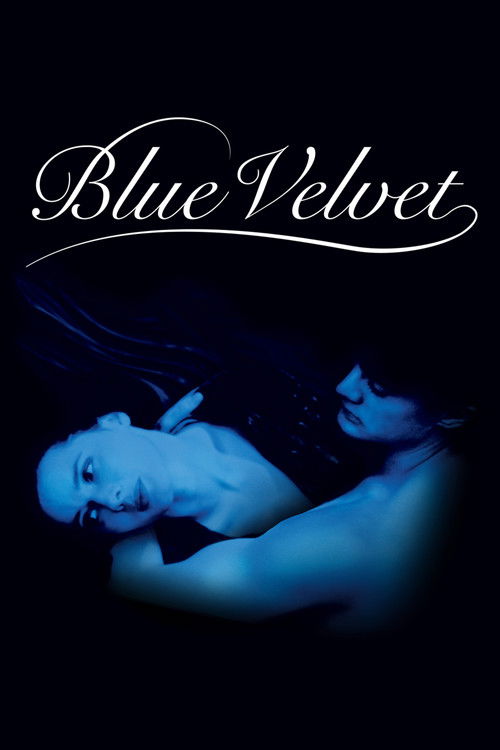
Blue Velvet
1986 • David Lynch
It's a strange world, isn't it?
Movies to pair with this read



The Girl with the Dragon Tattoo and the Cold Pleasure of Watching Procedure Cut Through Rot
Fincher’s Dragon Tattoo remake endures because research, pattern recognition, and bruised trust become as gripping as any chase scene.
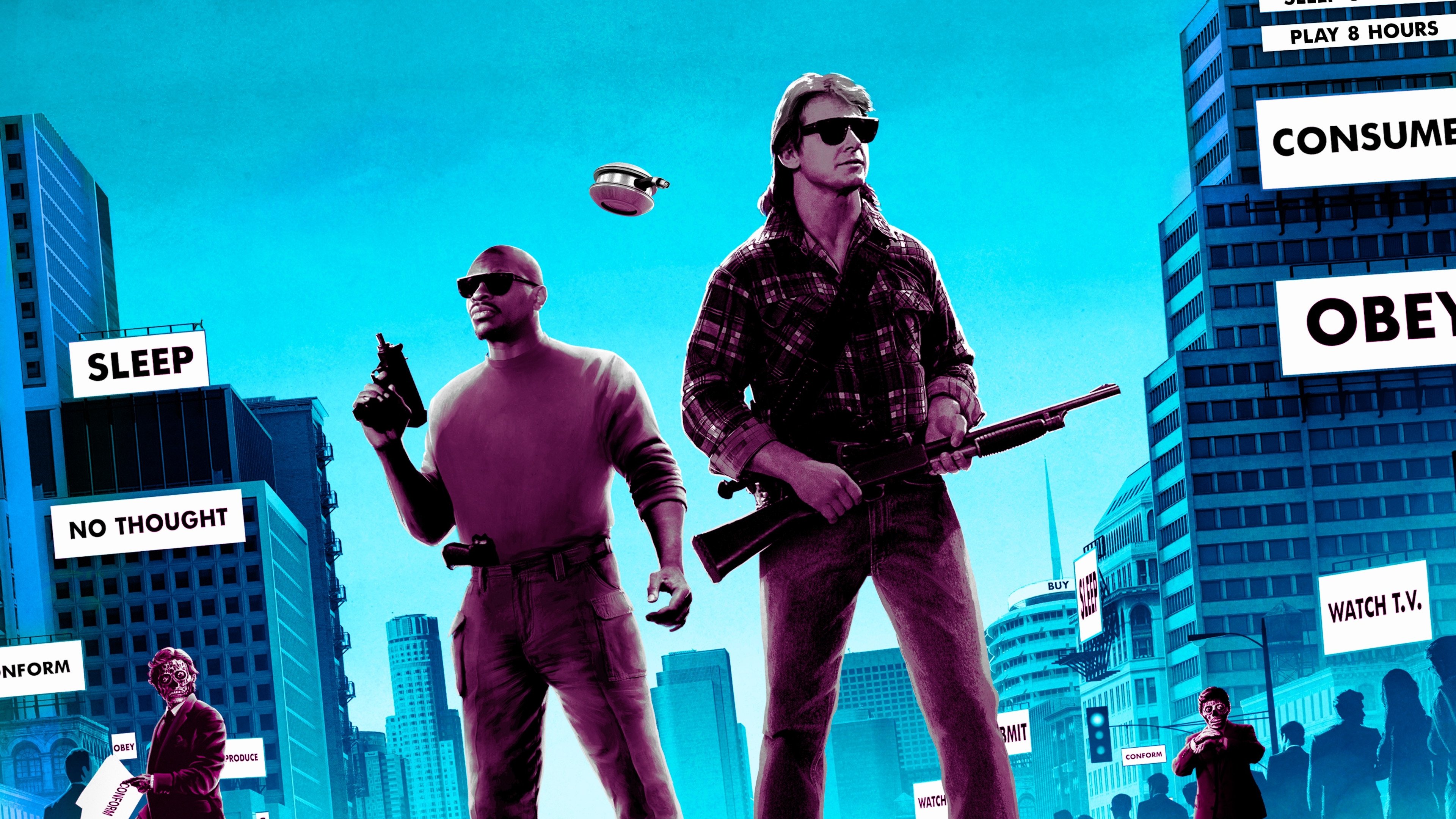
They Live: Satire That Knows a Cult Movie Can Also Hit Like a Brick
They Live lasts because Carpenter makes his anti-consumer nightmare blunt on purpose, then gives it just enough pulp propulsion to keep the sermon alive.
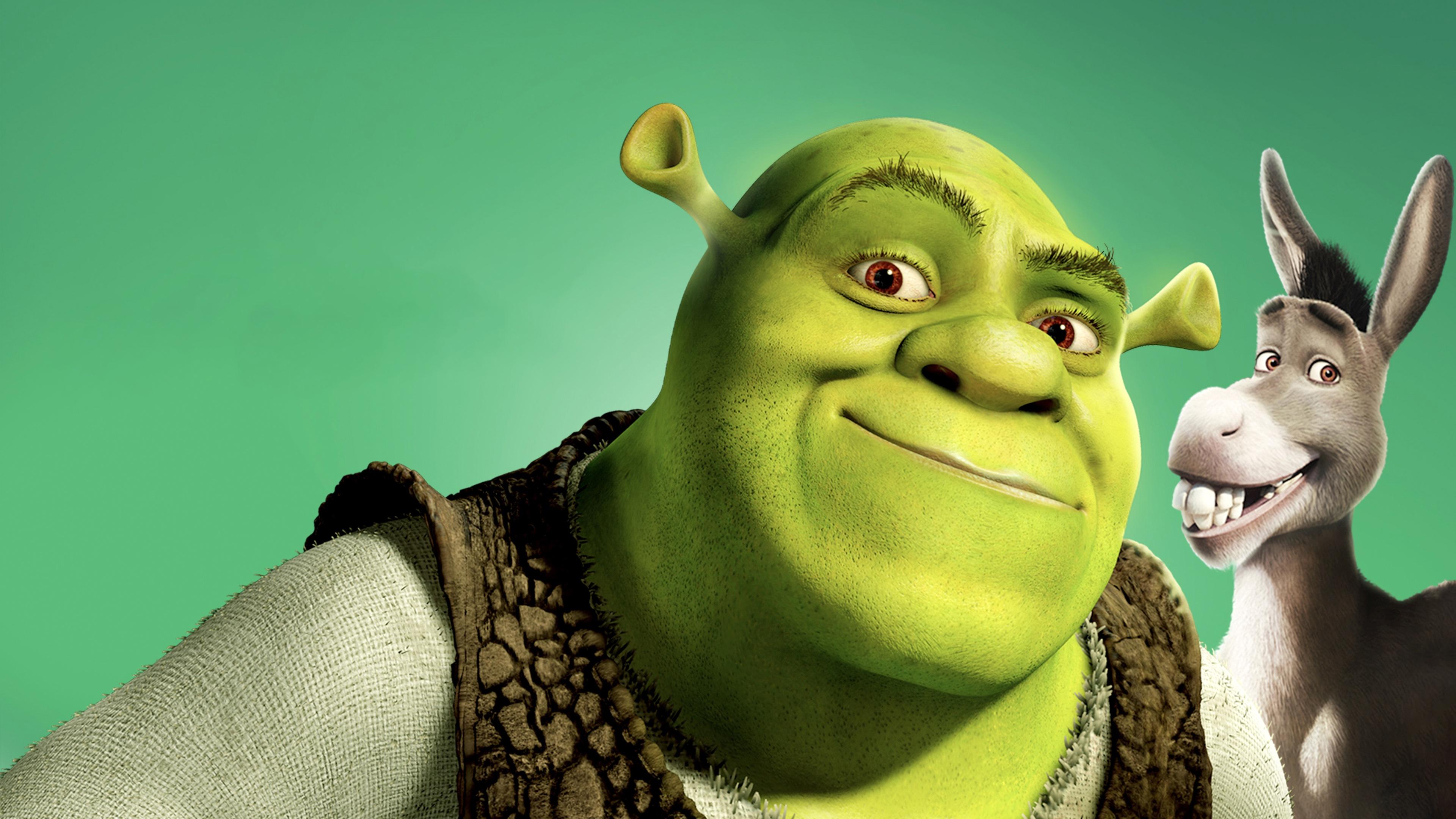
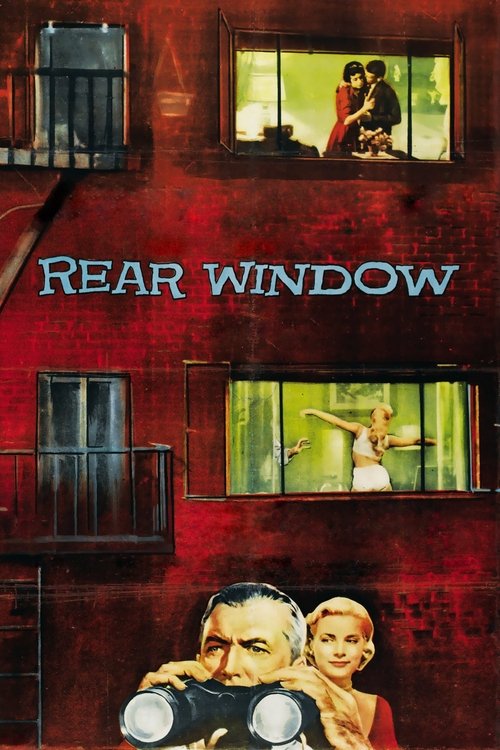
Rear Window and the Suspense of Watching Too Closely
Rear Window turns voyeurism into suspense because Hitchcock understands that looking is never passive once desire, guilt, and curiosity start mixing together.
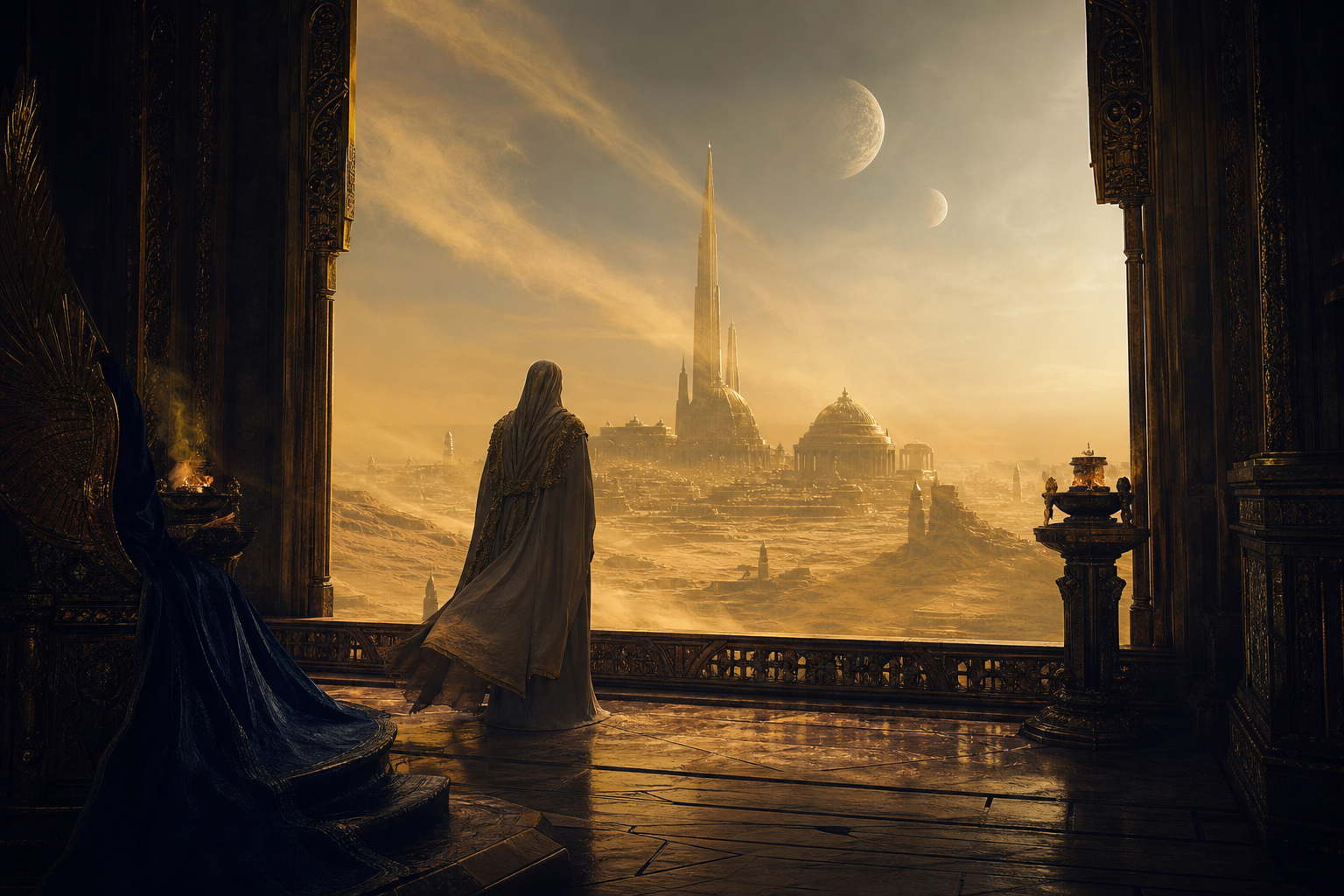
Dune: Messiah and the Risk of Following Triumph With Spiritual Fallout
The real reason to track Dune: Messiah early is that it could force blockbuster franchise culture to sit inside consequence instead of momentum.