
David Lynch
Move through filmmaker operating systems: control, rhythm, obsession, and the pages still missing their case.


Director dossier
David Lynch
Lynch makes American surfaces feel unstable. His films often begin with recognizable places, domestic rooms, highways, stages, suburbs, diners, then let dream logic, violence, desire, and sound design reveal how fragile those images were all along.
A guided David Lynch path
dream logic + American rot beneath clean surfaces in three moves.
Why this director matters
For Cinema One, Lynch matters because Blue Velvet opens a crucial lane for movies where looking becomes contamination and mood becomes argument. He gives the catalog a way to connect noir, surrealism, small-town dread, and cult rewatch value without reducing any of them to a genre label.
Signature traits
Notable works
Live on Cinema One
Tracked filmography
The midnight-movie origin point, industrial nightmare and domestic anxiety fused into one handmade hallucination.
A surprisingly classical studio work, but still deeply Lynchian in its attention to cruelty, tenderness, and spectacle.

A compromised epic that remains revealing because even broken franchise scale cannot fully suppress Lynch’s texture and strangeness.
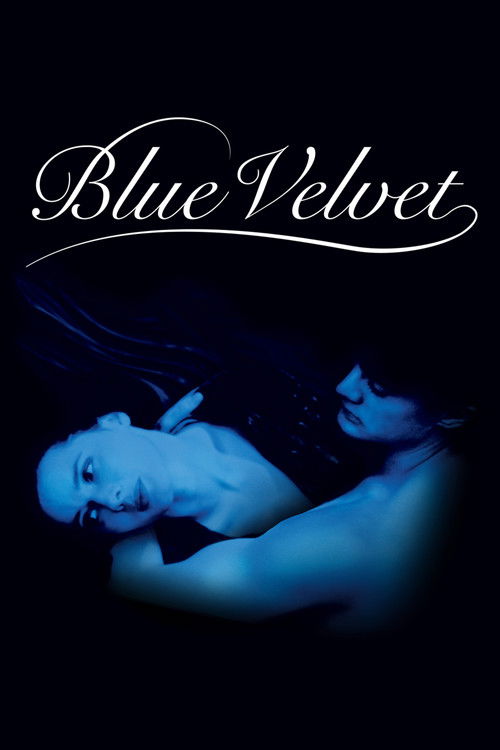
The core Cinema One title: suburbia, voyeurism, sexual menace, and noir curiosity turned into an American nightmare.
Open movie pageRomance, violence, Elvis myth, and road-movie excess pushed into feverish pop melodrama.
A devastating reversal of the TV mystery, centered less on puzzle-solving than trauma, dread, and Laura Palmer’s subjectivity.
Identity collapse as noir loop, with guilt, desire, and image distortion refusing stable explanation.
His gentlest feature, proof that Lynch’s attention to mystery can also produce patience, kindness, and open-road grace.
A Hollywood dream turning into a grief machine, one of the clearest late masterpieces about identity and fantasy.
A digital labyrinth where performance, fear, and fractured selfhood dissolve almost completely into nightmare logic.