
Blue Velvet
Find the movies with rewatch gravity, live dossiers, and unfinished cases worth deepening.
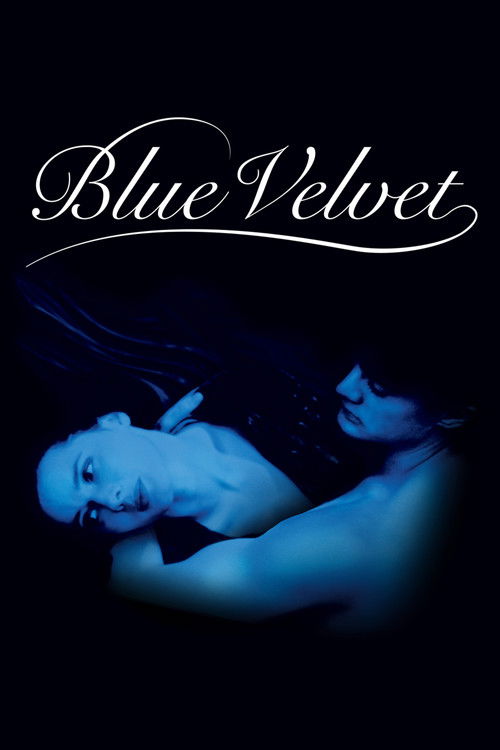
Movie dossier
Blue Velvet
Lynch’s suburban nightmare, where curiosity, desire, and rot are all hiding inside the same postcard image.
Latest video signal
Trailer slot ready
A widescreen slot for the newest official trailer, interview, or scene signal when the page has a playable source.
Why it matters
Blue Velvet matters because it is one of the clearest cases for atmosphere as revelation. David Lynch takes a small-town mystery setup and turns it into a movie about innocence as performance, voyeurism as appetite, and the way American normalcy can be both real and violently incomplete.
Craft read
Dream logic, noir threat, and deadpan Americana held in unstable harmony
Velvet curtains, suburban lawns, and nightclub shadow turned into psychological space
A defining modern cult film about hidden rot beneath idealized surfaces
Themes
Cast and context
surreal • small town • dark secrets • mystery • david lynch • noir
Coverage status
A fully shaped Cinema One case: the movie has enough authored context, pathway links, and argument to feel like more than a catalog entry.
Production notes
- • Lynch’s control of sound and texture is essential because the movie works by making the familiar feel suddenly contaminated.
- • Dennis Hopper’s Frank Booth remains shocking not just as a performance but as a whole invasive energy invading the film’s social order.
- • A strong Cinema One page because it widens the site’s editorial identity beyond prestige canon into stranger, more dangerous cult terrain.
Watch-next pathway
What should you do after Blue Velvet?
Three intentional continuations: stay with the filmmaker, chase the dominant pressure signal, or jump into the shelf or argument that best explains why this movie belongs here.
More voyeurism
Use the taste map to find movies, arguments, and shelves that share this page's strongest signal.
Cult and Oddball
The lane where personality beats polish and cult energy becomes part of the pleasure.
Movie-page argument
Defend Blue Velvet.
If this movie has a scene, performance, ending, or idea people underrate, make the case. The best defenses can become future Cinema One argument material.
Scene challenge
Pick the scene that proves it.
Cinema One is built around scenes that unlock the movie. Tell us which moment carries the pressure, style, argument, or rewatch charge.
Signature scene: Jeffrey hides in the closet and watching becomes complicity
Blue Velvet’s defining scene is not just suspenseful, it is corrupting. Lynch turns the closet vantage into a moral position, making Jeffrey, and the audience with him, feel the pull of fascination, fear, and desire all at once.
Line worth carrying forward
"It’s a strange world, isn’t it?" sounds almost gentle, which is exactly why it works. The line becomes Lynch’s whole method, plainspoken Americana used as a doorway into something bottomless and wrong.
Why the ending feels uneasy even after the light returns
Blue Velvet closes by restoring daylight and apparent order, but the restoration never feels complete. Lynch leaves behind the sense that innocence has been rebuilt as a surface, not rediscovered as a truth, which is why the final calm feels uncanny instead of cleansing.
Steelman the debate
The most credible pushback is that Blue Velvet risks turning female suffering into the pathway for male initiation and aesthetic fascination. The best defense is not to deny that danger but to note that the movie’s unease comes partly from making spectatorship itself look compromised. Lynch does not present Jeffrey’s descent as innocent, and the film’s power depends on that contamination being visible.
More from this director
Related picks
Read next
David Lynch’s cult landmark still feels dangerous because it turns curiosity into complicity and suburbia into a stage for desire, cruelty, and rot.
Fincher’s Dragon Tattoo remake endures because research, pattern recognition, and bruised trust become as gripping as any chase scene.
Panic Room works because Fincher turns walls, sightlines, and delays into the whole suspense engine instead of treating them as setup for louder thrills.