
The Girl with the Dragon Tattoo and the Cold Pleasure of Watching Procedure Cut Through Rot
Fincher’s Dragon Tattoo remake endures because research, pattern recognition, and bruised trust become as gripping as any chase scene.

The Girl with the Dragon Tattoo is one of Fincher’s purest procedural pleasures. The movie is full of ugly material, family violence, corporate filth, and personal trauma, but it never mistakes ugliness for shapelessness. Instead Fincher gives the investigation a hard, glacial rhythm that makes every document, photograph, and database search feel like another turn of the screw.
Lisbeth Is the Voltage
Rooney Mara’s performance is the reason the movie never becomes mere craft exercise. Lisbeth is guarded, wounded, brilliant, and watchful, and Mara refuses to smooth any of that into inspirational damage. She gives the film its jagged human line, the thing that keeps the immaculate surfaces from hardening into pure design display.
Research as Action
One of Fincher’s underrated gifts is making mental labor cinematic. Dragon Tattoo understands that searching records, noticing patterns, and testing hypotheses can generate as much momentum as pursuit and violence if the movie is precise enough about consequence. By the time Mikael and Lisbeth start fitting the pieces together, the investigation has become its own kind of chase.
Why the Ending Stings More Than the Mystery Solves
The movie lasts because it does not cash out entirely on the solution. After all the family horror and procedural control, Fincher lets the final note land on emotional imbalance and private disappointment. That choice reveals what the film is really after: not just the satisfaction of solving corruption, but the quieter pain of finding that human connection is still less manageable than evidence.
The Girl with the Dragon Tattoo
2011 • David Fincher
What is hidden in snow, comes forth in the thaw.
Movies to pair with this read





Gone Girl and the Pleasure of Watching a Marriage Become a Media Weapon
Gone Girl works because Fincher treats domestic resentment, TV narration, and image management as parts of the same poison system.
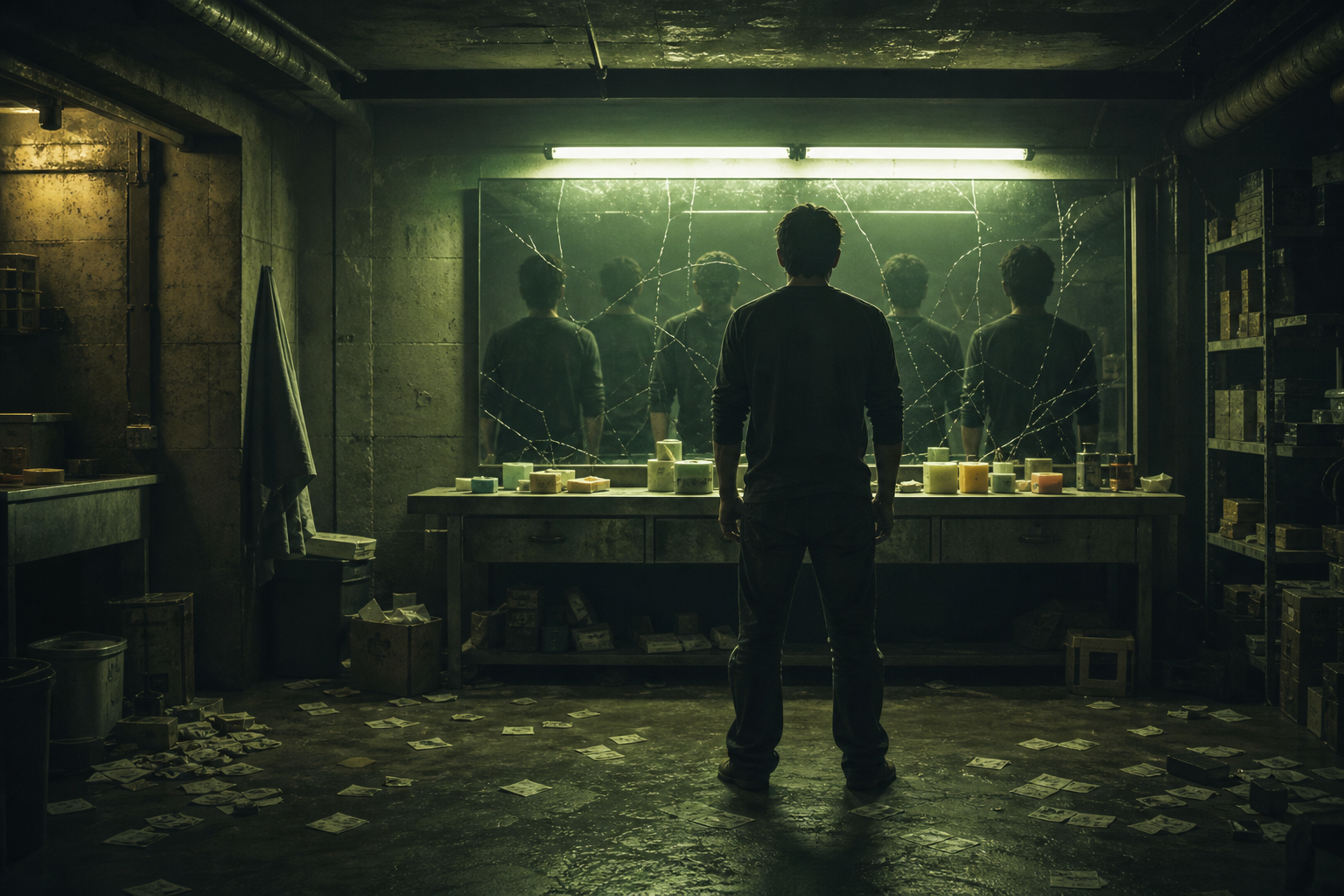
The Psychology Behind Fight Club: Modern Masculinity in Crisis
David Fincher's Fight Club remains a haunting exploration of male identity, consumer culture, and the search for meaning in modern society.
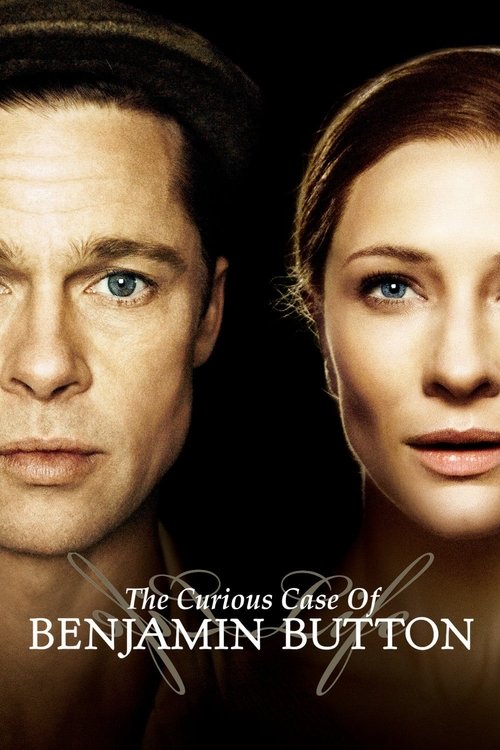
The Curious Case of Benjamin Button and the Sadness of Meeting Life Out of Sequence
Benjamin Button matters because Fincher treats the reverse-aging premise less like a trick than a way to make timing itself feel tragic.
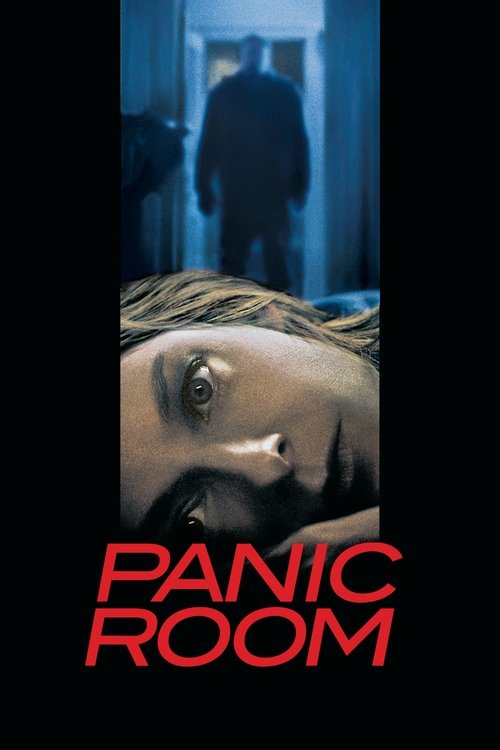
Panic Room and the Virtue of Making Architecture Do the Panicking
Panic Room works because Fincher turns walls, sightlines, and delays into the whole suspense engine instead of treating them as setup for louder thrills.