
The Curious Case of Benjamin Button and the Sadness of Meeting Life Out of Sequence
Benjamin Button matters because Fincher treats the reverse-aging premise less like a trick than a way to make timing itself feel tragic.
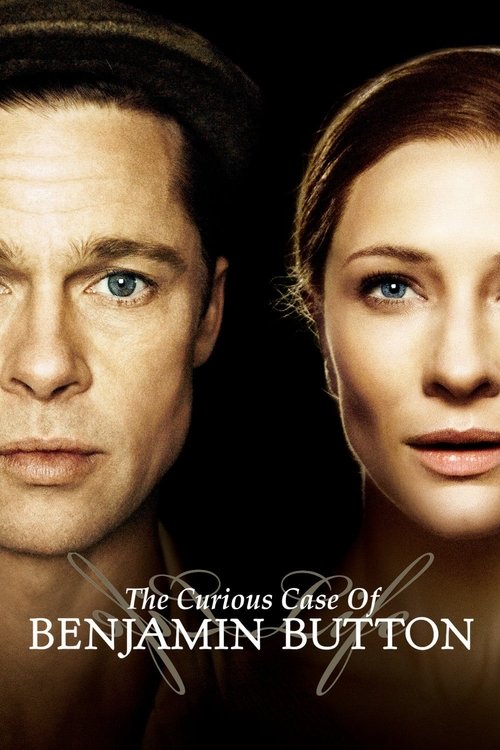
The Curious Case of Benjamin Button is one of the best ways to see how much emotional range lives inside Fincher’s precision. The movie begins with a high-concept premise that could have turned smug or whimsical, then steadily narrows it into a romance defined by timing so cruel it feels cosmological. The spectacle is there, but the deeper effect is melancholy.
Concept as Time Wound
The reverse-aging hook works because the film does not treat it as novelty for long. Instead it becomes a machine for thinking about asymmetry. Benjamin and Daisy do not simply love each other under difficult circumstances. They move through life in opposite directions, which makes every period of closeness feel temporary before it even begins.
Fincher Without the Armor
Part of what makes the movie so divisive is that it asks viewers to accept softness from a filmmaker more often associated with steel, contempt, and immaculate chill. But that tension is what makes the film interesting. Fincher’s control is still there, in the digital craft, the period transitions, the measured drift through decades. He is just using that control to hold tenderness and regret instead of panic or disgust.
Why the Film Keeps Quietly Surviving
Benjamin Button tends to get discussed as an exception, but it may be more revealing to see it as a companion piece to Fincher’s usual concerns. Time reorganizes identity here just as brutally as obsession or status does elsewhere in the filmography. The difference is that the movie answers that pressure with care and mourning, which is why it keeps finding defenders who value it less as a prestige package than as a deeply sad life story.
The Curious Case of Benjamin Button
2008 • David Fincher
Life isn’t measured in minutes, but in moments.
Movies to pair with this read




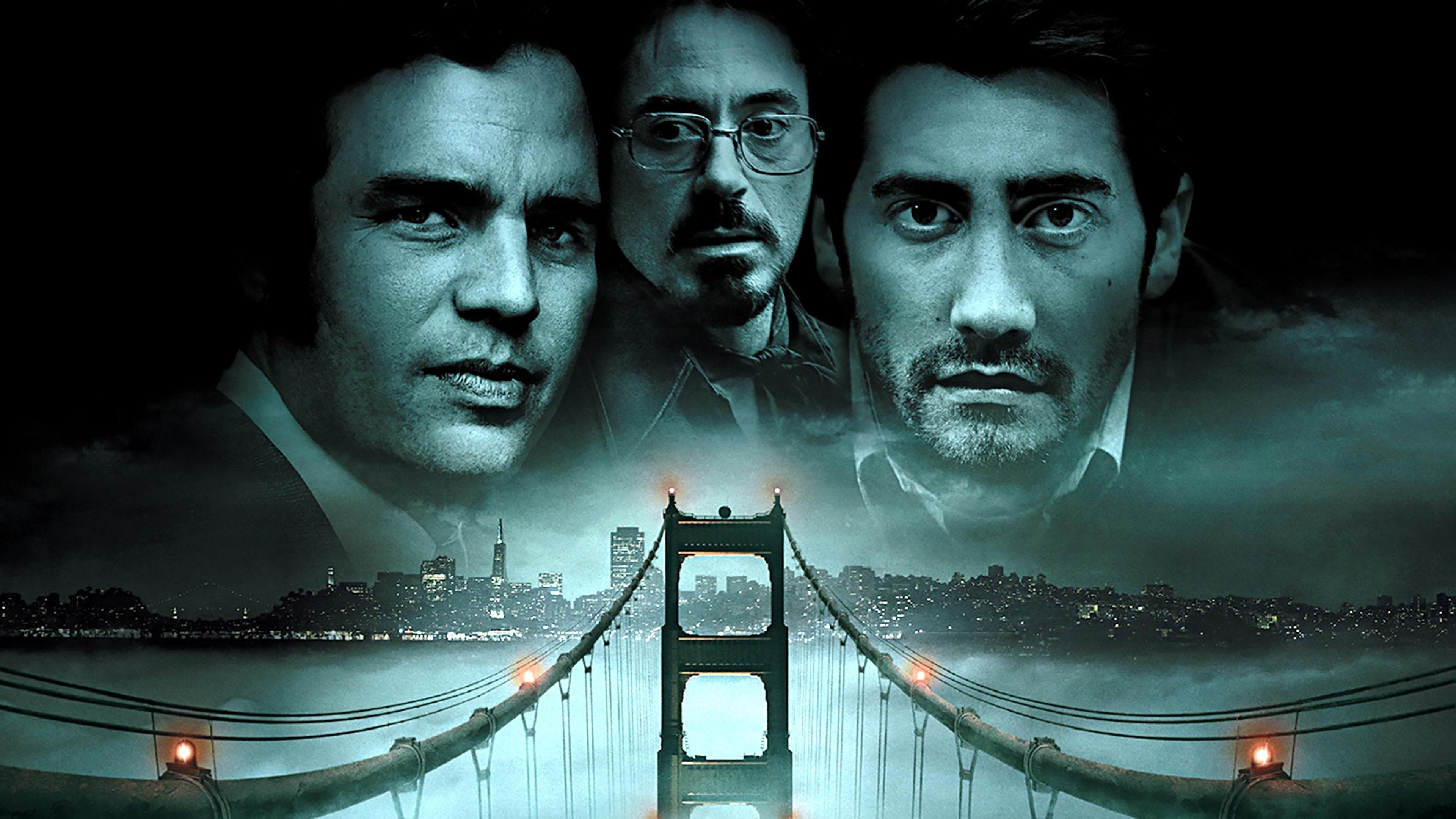
Zodiac and the Way Investigation Turns Into a Life-Consuming Infection
David Fincher’s procedural masterpiece gets under the skin by refusing release and letting accumulation itself become the source of dread.

The Girl with the Dragon Tattoo and the Cold Pleasure of Watching Procedure Cut Through Rot
Fincher’s Dragon Tattoo remake endures because research, pattern recognition, and bruised trust become as gripping as any chase scene.
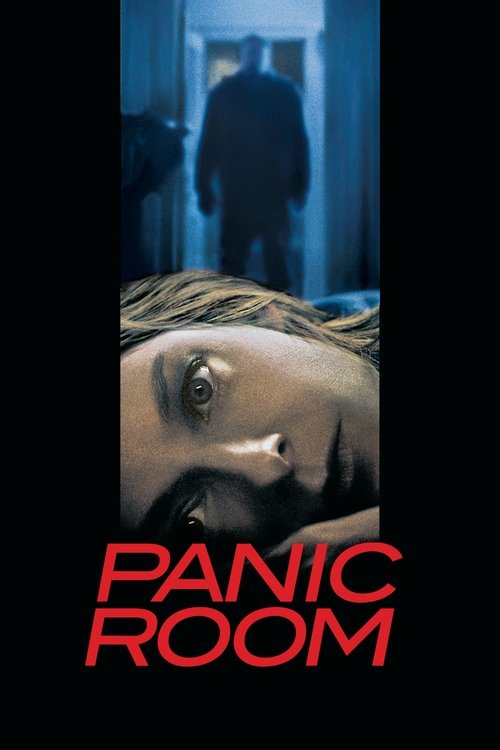
Panic Room and the Virtue of Making Architecture Do the Panicking
Panic Room works because Fincher turns walls, sightlines, and delays into the whole suspense engine instead of treating them as setup for louder thrills.
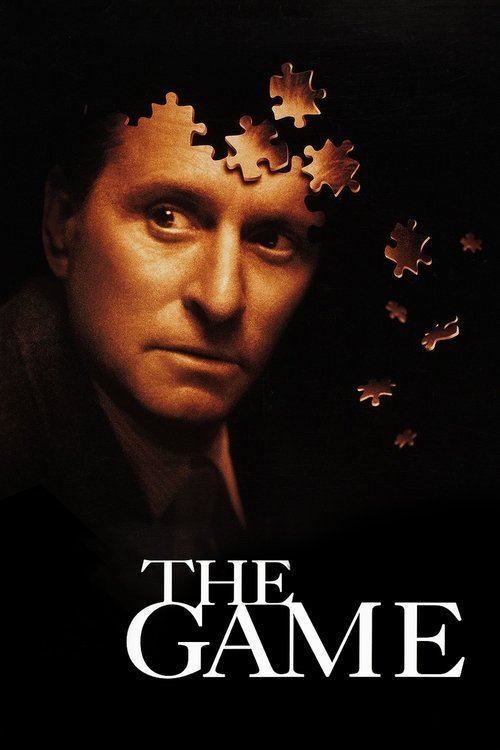
The Game and the Seduction of Letting a System Break You on Purpose
Fincher’s luxury paranoia machine still lands because every escalation turns wealth, control, and self-protection into liabilities instead of armor.