
The Curious Case of Benjamin Button
Find the movies with rewatch gravity, live dossiers, and unfinished cases worth deepening.
Movie dossier
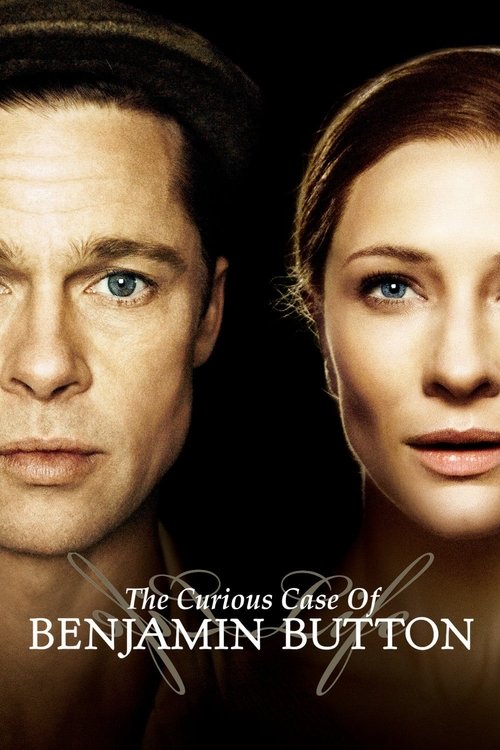
The Curious Case of Benjamin Button
A romantic time-wound where Fincher turns a high-concept life story into melancholy drift.
Latest video signal
Trailer slot ready
A widescreen slot for the newest official trailer, interview, or scene signal when the page has a playable source.
Why it matters
Benjamin Button matters because it is the key counterexample inside Fincher’s filmography, expansive where he is often severe, sentimental where he is often acidic, but still deeply concerned with time, distance, design, and the damage life does to intimacy.
Craft read
Fantasy premise played as elegy rather than spectacle
Warm melancholy shot through with loss and inevitability
Crucial for showing the emotional range inside his body of work
Themes
Cast and context
Coverage status
A strong case file with real editorial shape: enough craft, context, and connection to guide a serious watch.
Production notes
- • One of the most divisive major Fincher titles, which makes it a good editorial page.
- • The reverse-aging concept only works because the movie commits to tenderness and regret rather than puzzle-box cleverness.
- • Useful as a bridge between Fincher’s procedural control and his less discussed romantic scale.
Watch-next pathway
What should you do after The Curious Case of Benjamin Button?
Three intentional continuations: stay with the filmmaker, chase the dominant pressure signal, or jump into the shelf or argument that best explains why this movie belongs here.
Fight Club
The cleanest next move if David Fincher's control, obsessions, or rhythm are what hooked you here.
More time
Use the taste map to find movies, arguments, and shelves that share this page's strongest signal.
A revealing argument over whether Fincher’s precision gets richer or softer when it is asked to hold tenderness and regret.
Useful for Fincher-range conversations, time-and-memory collections, and debates about whether emotional softness changes or deepens an auteur signature.
Movie-page argument
Defend The Curious Case of Benjamin Button.
If this movie has a scene, performance, ending, or idea people underrate, make the case. The best defenses can become future Cinema One argument material.
Scene challenge
Pick the scene that proves it.
Cinema One is built around scenes that unlock the movie. Tell us which moment carries the pressure, style, argument, or rewatch charge.
Signature scene: Benjamin and Daisy meet at the same age only briefly
The movie’s emotional thesis is contained in the cruel elegance of their crossing trajectories. Fincher uses the concept not for novelty but for grief, building an entire romance around the fact that timing can be perfect only for a moment.
Line worth carrying forward
Benjamin Button works best when it sounds like a remembered life rather than a sharpened thesis. Its reflective voice is the key: every moment feels as if it is already slipping into story as it happens.
Why the ending softens instead of shocks
The ending lands because Fincher resists turning the premise into one last trick. He lets the film contract into care, memory, and disappearance, which is why even skeptics often remember the closing stretch as the movie’s most human register.
Steelman the debate
The strongest critique is that Benjamin Button can feel too polished and too solemn, a prestige object whose emotional sweep risks becoming tasteful haze. The best defense is that its softness is the point. Fincher is testing whether his exactness can hold regret, romance, and late-life fragility without armoring them in irony.
Shows up in
Collection pathway still being shaped.
More from this director
Related picks
Read next
Benjamin Button matters because Fincher treats the reverse-aging premise less like a trick than a way to make timing itself feel tragic.
Fincher’s Dragon Tattoo remake endures because research, pattern recognition, and bruised trust become as gripping as any chase scene.
Panic Room works because Fincher turns walls, sightlines, and delays into the whole suspense engine instead of treating them as setup for louder thrills.