
Se7en
Find the movies with rewatch gravity, live dossiers, and unfinished cases worth deepening.
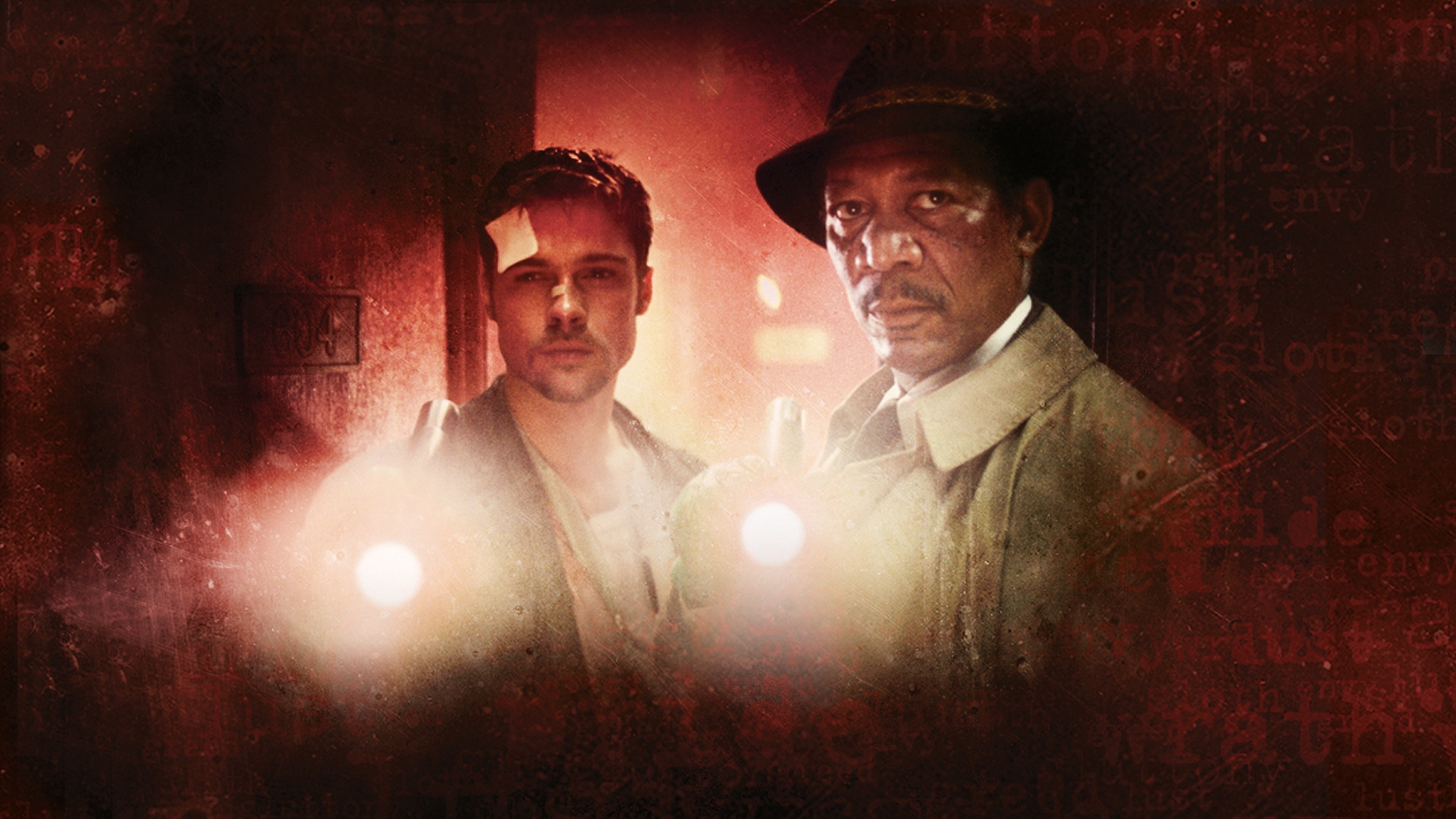
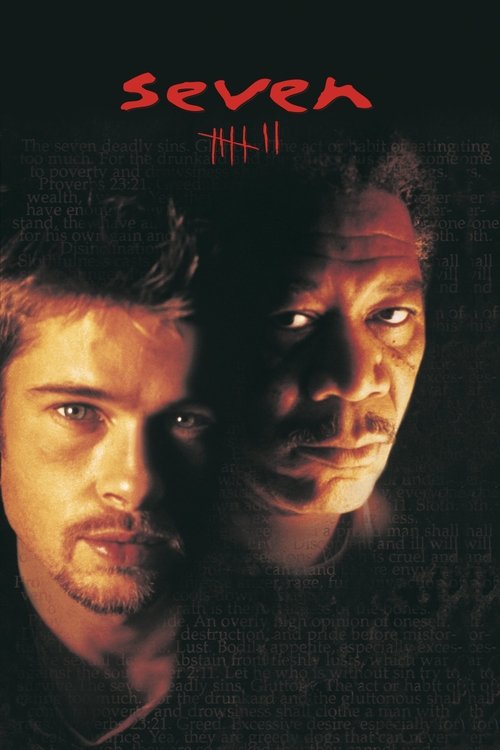
Movie dossier
Se7en
One of the great modern serial-killer procedurals, made toxic, tactile, and unforgettable.
Latest video signal
Trailer slot ready
A widescreen slot for the newest official trailer, interview, or scene signal when the page has a playable source.
Why it matters
Se7en is foundational Fincher, atmosphere as worldview, procedure as dread, and a city that feels morally diseased before the killer even speaks.
Craft read
Rain, grime, rot, and dread turned into total environment
Detective procedural tightening into existential horror
A major benchmark for modern thriller cinema
Themes
Cast and context
Coverage status
A fully shaped Cinema One case: the movie has enough authored context, pathway links, and argument to feel like more than a catalog entry.
Production notes
- • A core Fincher title and one of the most important pages for this lane.
- • The ending alone makes this a major eventual scene-analysis page.
- • Should feel dangerous and precise on the site.
Watch-next pathway
What should you do after Se7en?
Three intentional continuations: stay with the filmmaker, chase the dominant pressure signal, or jump into the shelf or argument that best explains why this movie belongs here.
Fight Club
The cleanest next move if David Fincher's control, obsessions, or rhythm are what hooked you here.
More sin
Use the taste map to find movies, arguments, and shelves that share this page's strongest signal.
Paranoia Machines
Containment, distrust, infiltration, and movies that trap characters inside systems they can no longer verify.
Movie-page argument
Defend Se7en.
If this movie has a scene, performance, ending, or idea people underrate, make the case. The best defenses can become future Cinema One argument material.
Scene challenge
Pick the scene that proves it.
Cinema One is built around scenes that unlock the movie. Tell us which moment carries the pressure, style, argument, or rewatch charge.
Signature scene: the sloth discovery
The sloth scene is where Se7en proves its horror is not decorative. It weaponizes delayed revelation, sound, and disgust so effectively that the procedural frame starts to feel spiritually contaminated.
Line worth carrying forward
"Ernest Hemingway once wrote, The world is a fine place and worth fighting for. I agree with the second part." Somerset’s line is the movie’s moral center, damaged, exhausted, but not completely surrendered.
Why the ending scars people
The box ending is devastating because the film has already earned its fatalism. It does not simply shock, it closes the trap the movie has been building from the first frame and leaves virtue feeling painfully inadequate.
Steelman the debate
A serious critique of Se7en is that its bleakness can feel adolescent, as if despair itself is being mistaken for depth. The strongest answer is that Fincher and Walker make the nihilism diagnostic, not decorative. The movie is not saying darkness is profound by default, it is showing what a spiritually rotten system feels like when good people try and fail to outlast it.
More from this director
Related picks
Read next
Fincher’s serial-killer landmark still lands because every clue, room, and conversation feels touched by the same civic rot as the murders themselves.
Fincher’s Dragon Tattoo remake endures because research, pattern recognition, and bruised trust become as gripping as any chase scene.
Panic Room works because Fincher turns walls, sightlines, and delays into the whole suspense engine instead of treating them as setup for louder thrills.