Search
Find the right movie, director, article, or collection without falling into database sludge.
Find the strongest way into the room
Find the movie pressure, filmmaker system, shelf, or argument that fits the appetite.
Use the full search page when the question is bigger than a title: pressure rooms, control freaks, survival engines, record-collection movies, and the arguments that connect them.
Search pulse
Recommended route
A cleaner path through “sin” than a flat result list.
Start with the highest-signal entry, then move through authorship, mood, or argument depending on what the search surfaced.
First click
1A Quiet Place
John Krasinski · 2018 · Survival Horror. Start with the strongest title match, then branch into linked reads and collection lanes.
Then trace the author
2John Krasinski
Clean genre rules turned into family-pressure machinery through silence, blocking, and sound design Use the filmmaker page to turn one match into a working system across A Quiet Place and A Quiet Place Part II.
Then widen the mood
3Manufactured Dreams
Movies about performance, mythmaking, show-business machinery, and the strange cost of turning fantasy into public image.
Refine this search pass
Movies
Movie matches
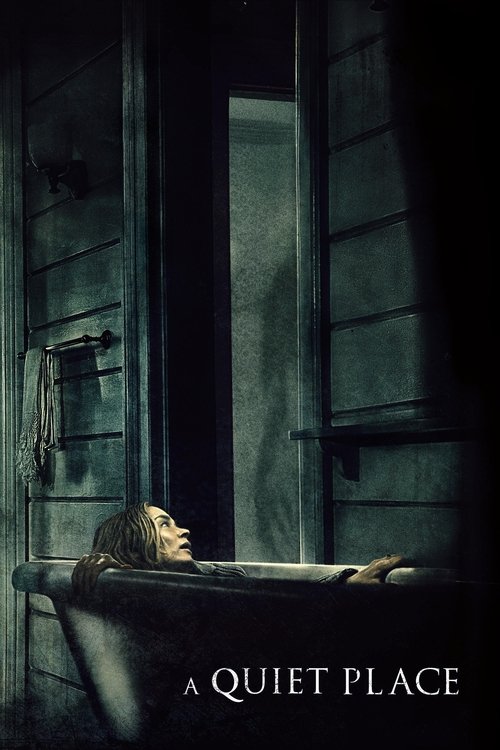
A Quiet Place
2018John Krasinski
If they hear you, they hunt you.
Next pressure pass: Add an editorial argument card so the page can make a sharper case.

Promising Young Woman
2020Emerald Fennell
Take the candy shell seriously. It has teeth.
Next pressure pass: Add an editorial argument card so the page can make a sharper case.
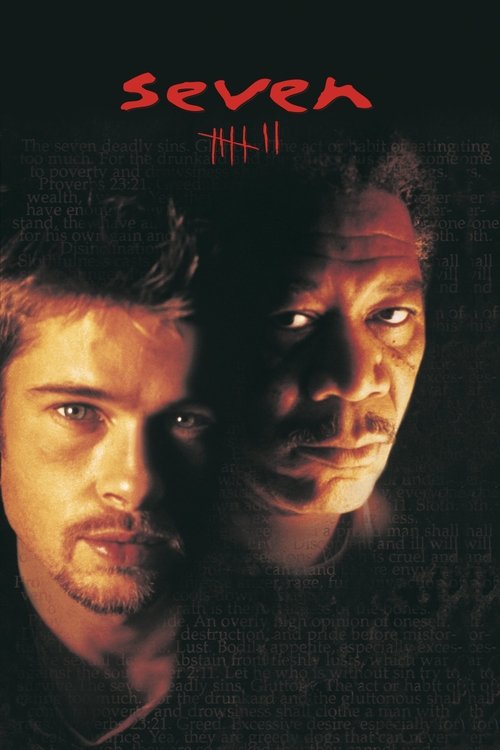
Se7en
1995David Fincher
Seven deadly sins. Seven ways to die.
Next pressure pass: This page is in strong shape. Add more authored context only if it serves a bigger lane.

Wonder Woman
2017Patty Jenkins
A superhero origin where sincerity is the weapon, not the weakness.
Next pressure pass: Add an editorial argument card so the page can make a sharper case.
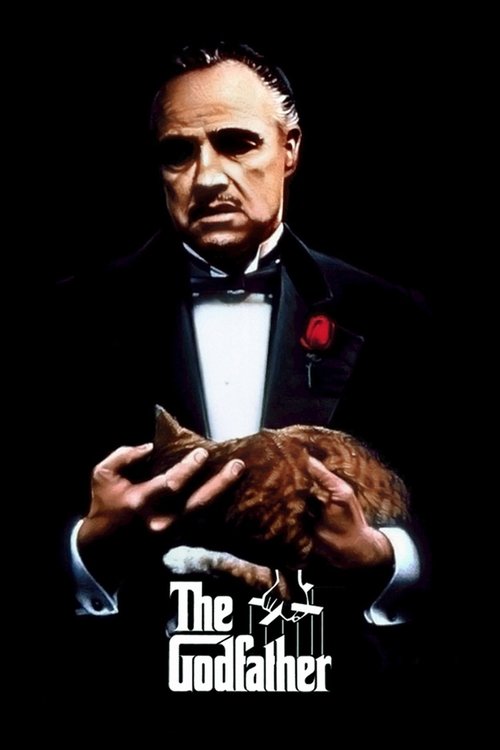
The Godfather
1972Francis Ford Coppola
An offer you can't refuse.
Next pressure pass: This page is in strong shape. Add more authored context only if it serves a bigger lane.
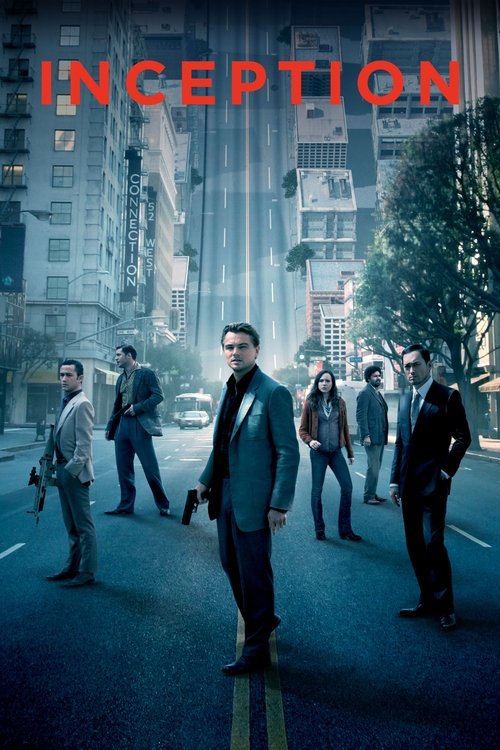
Inception
2010Christopher Nolan
Your mind is the scene of the crime.
Next pressure pass: This page is in strong shape. Add more authored context only if it serves a bigger lane.
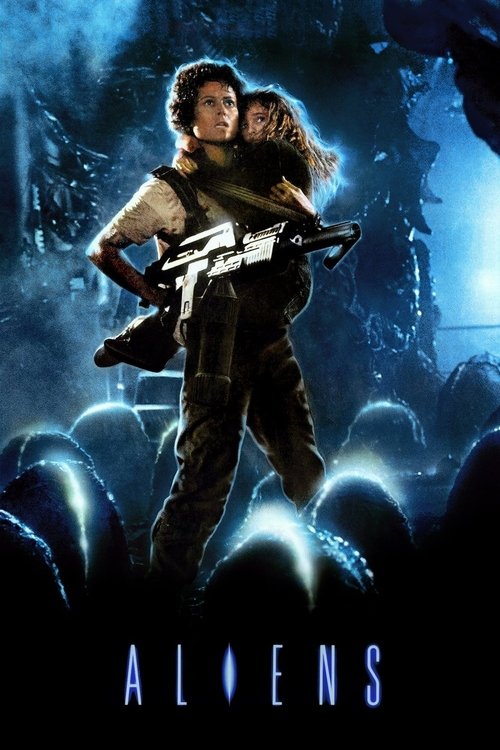
Aliens
1986James Cameron
There are some places in the universe you don’t go alone.
Next pressure pass: This page is in strong shape. Add more authored context only if it serves a bigger lane.
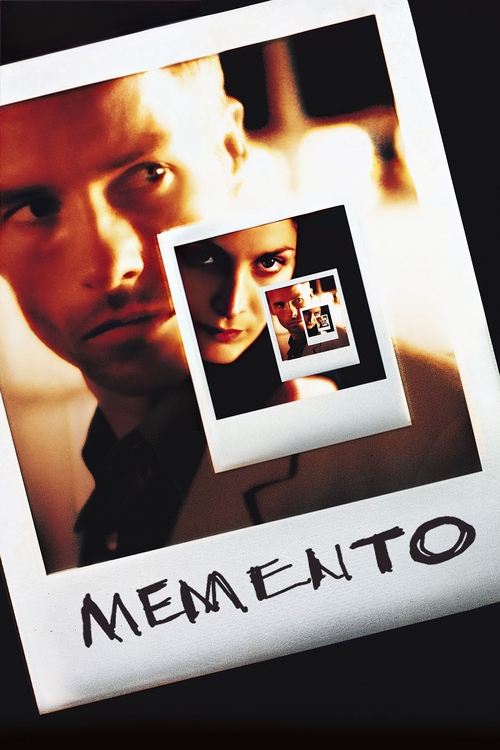
Memento
2000Christopher Nolan
Some memories are best forgotten.
Next pressure pass: This page is in strong shape. Add more authored context only if it serves a bigger lane.
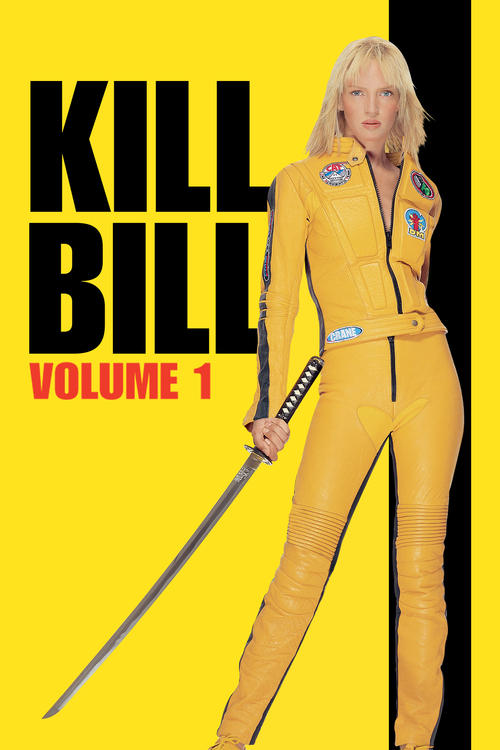
Kill Bill: Vol. 1
2003Quentin Tarantino
Go for the kill.
Next pressure pass: This page is in strong shape. Add more authored context only if it serves a bigger lane.
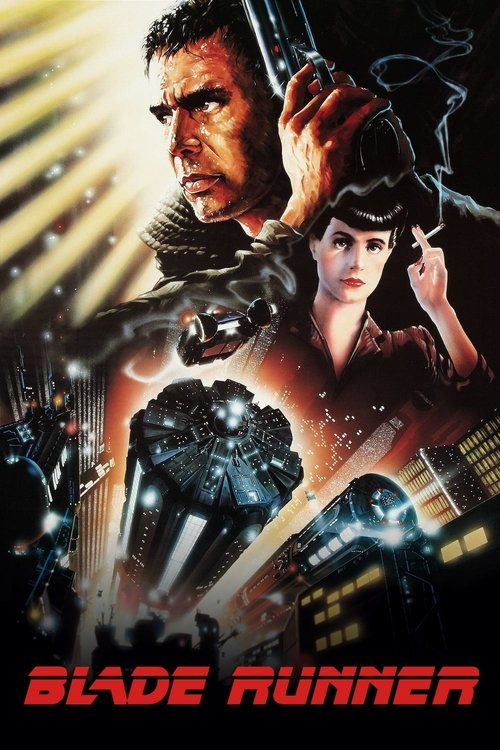
Blade Runner
1982Ridley Scott
Man has made his match. Now it is his problem.
Next pressure pass: This page is in strong shape. Add more authored context only if it serves a bigger lane.
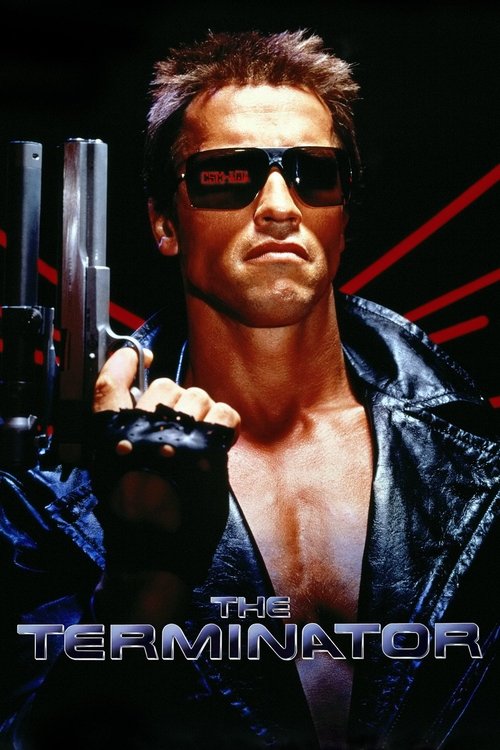
The Terminator
1984James Cameron
In the Year of Darkness, 2029, the rulers of this planet devised the ultimate plan.
Next pressure pass: This page is in strong shape. Add more authored context only if it serves a bigger lane.
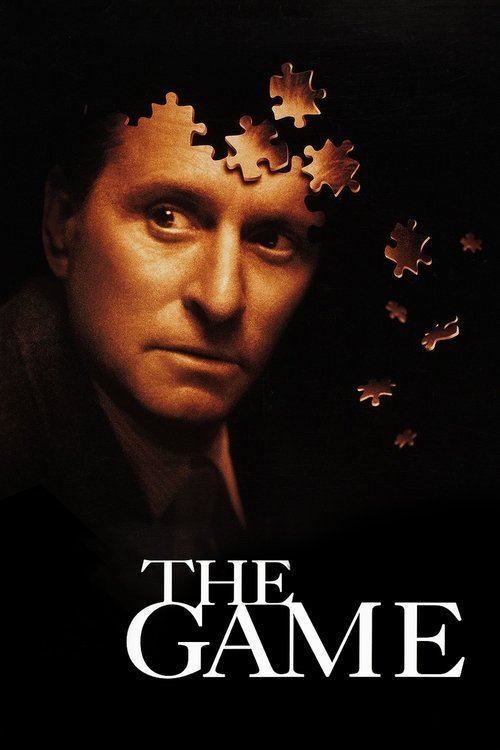
The Game
1997David Fincher
What do you get for the man who has everything?
Next pressure pass: This page is in strong shape. Add more authored context only if it serves a bigger lane.
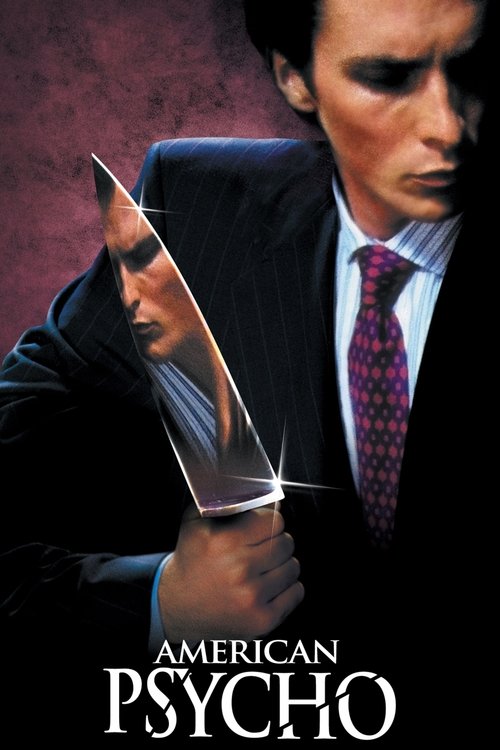
American Psycho
2000Mary Harron
Killer looks. Killer body. Killer instincts.
Next pressure pass: This page is in strong shape. Add more authored context only if it serves a bigger lane.
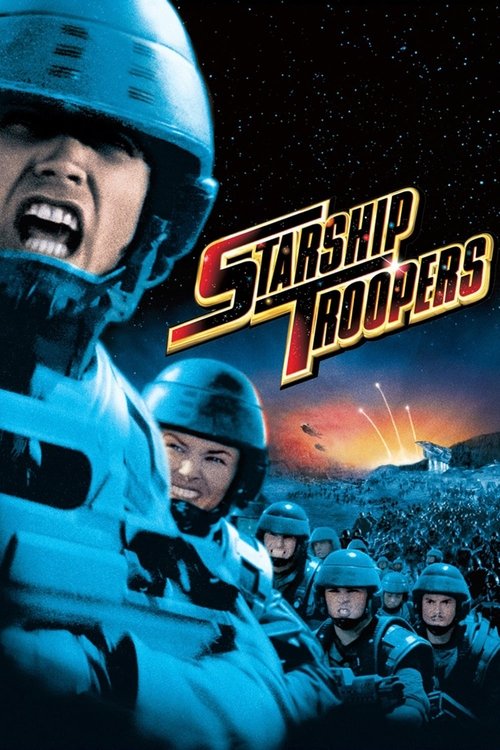
Starship Troopers
1997Paul Verhoeven
The only good bug is a dead bug.
Next pressure pass: Add an editorial argument card so the page can make a sharper case.
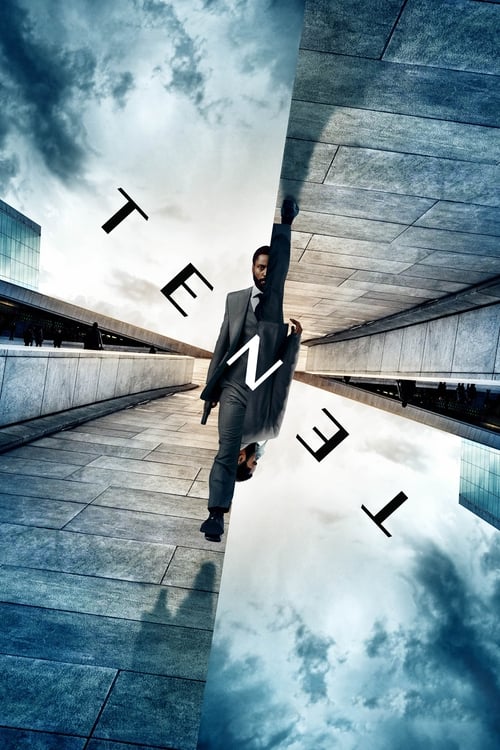
Tenet
2020Christopher Nolan
Time runs out.
Next pressure pass: This page is in strong shape. Add more authored context only if it serves a bigger lane.
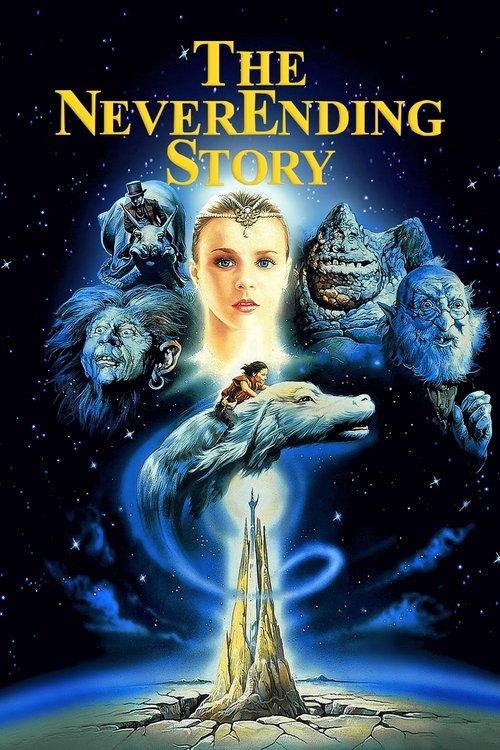
The NeverEnding Story
1984Wolfgang Petersen
A childhood fantasy where imagination is not escape; it is resistance.
Next pressure pass: Add an editorial argument card so the page can make a sharper case.
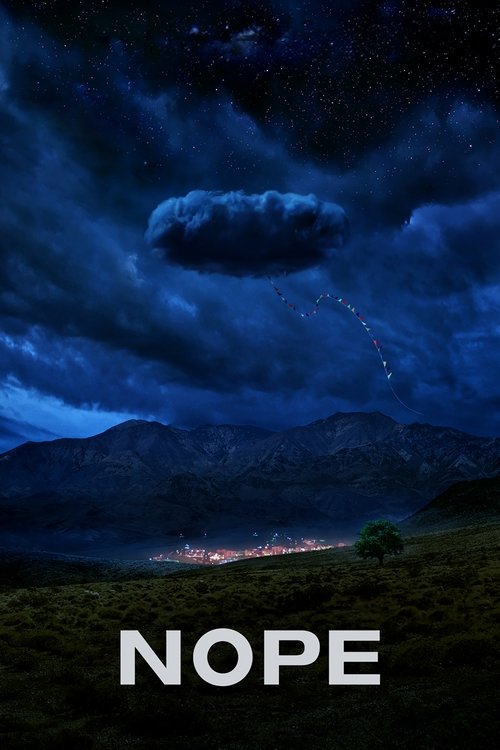
Nope
2022Jordan Peele
What’s a bad miracle?
Next pressure pass: Place this title inside at least one collection for stronger discovery.
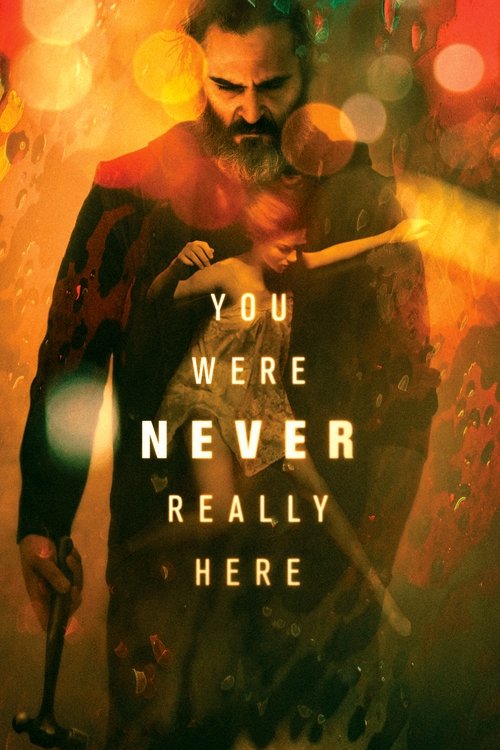
You Were Never Really Here
2017Lynne Ramsay
A rescue thriller that keeps cutting away from the violence to show the damage around it.
Next pressure pass: Add an editorial argument card so the page can make a sharper case.
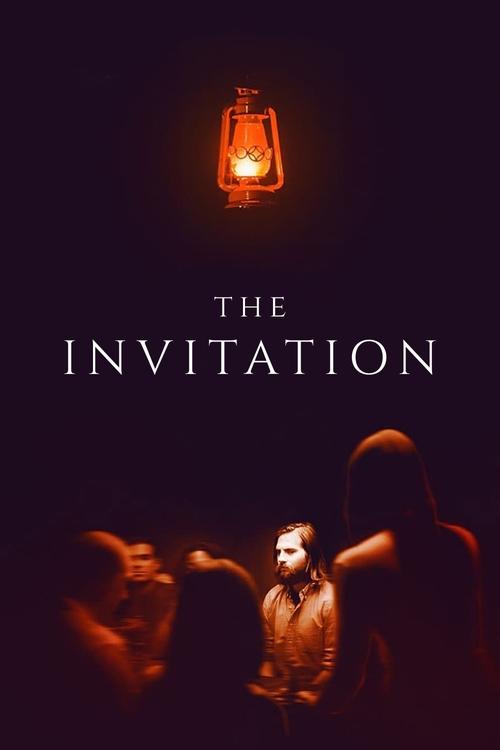
The Invitation
2015Karyn Kusama
There is nothing to be afraid of.
Next pressure pass: Add an editorial argument card so the page can make a sharper case.
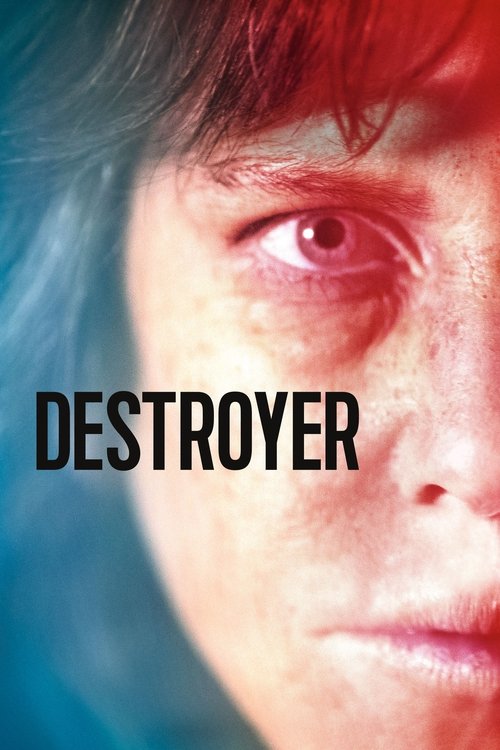
Destroyer
2018Karyn Kusama
A cop noir where the body keeps the case open.
Next pressure pass: Add an editorial argument card so the page can make a sharper case.

Spider-Man: Brand New Day
2026Destin Daniel Cretton
Peter Parker has to make the neighborhood matter again.
Next pressure pass: Add an editorial argument card so the page can make a sharper case.
Directors
Director matches

John Krasinski
Clean genre rules turned into family-pressure machinery through silence, blocking, and sound design

Martin Scorsese
Kinetic guilt cinema where crime, faith, appetite, and performance keep collecting interest

Emerald Fennell
Candy-colored surfaces, social punishment, performance traps, and endings that force the audience to audit its appetite

James McTeigue
Matrix-trained action grammar used for symbols, surveillance, and theatrical resistance

Paul Verhoeven
Provocation, pulp, and savage satire hidden inside crowd-pleasing genre form

Luc Besson
Pop-operatic spectacle with pulp sincerity and comic-book velocity

Lynne Ramsay
Elliptical trauma cinema where memory, sound, and missing frames carry the violence

Lana Wachowski & Lilly Wachowski
Philosophical pop spectacle fused to cyberpunk mythmaking

Ben Stiller
Mainstream comedy pushed toward ego panic, chaos, and industry satire

Gina Prince-Bythewood
Bodies in motion carrying feeling, discipline, identity, and purpose under pressure

Zack Snyder
Mythic bodies, slow-motion impact, and graphic-novel spectacle pushed into operatic scale

James Cameron
Engineering-driven spectacle fused to survival pressure and emotional clarity

Ridley Scott
Visual grandeur meets narrative intensity
Darren Aronofsky
Obsession edited as physical pressure: bodies, rituals, dreams, and punishment loops

Wolfgang Petersen
Pressure-tested spectacle where crews, kids, and whole worlds survive by holding the line

Tony Scott
Hyperkinetic image-making fused to command pressure and emotional combustion

George P. Cosmatos
Muscular genre filmmaking built around swagger, hardware, and clean mythic stakes
Articles
Editorial matches
Jackie Brown and the Quiet Thrill of Watching Adults Feel Time Closing In
Tarantino’s warmest movie lasts because swagger gives way to patience, compromise, and the ache of people trying to buy back a little room to breathe.
American History X and the Terrible Efficiency of Passing Rage Downward
Tony Kaye’s drama still hits because it understands hatred as something performed, inherited, and normalized at home before it hardens into ideology.
True Romance and the Miracle of Making Recklessness Feel Tender
Tony Scott’s lovers-on-the-run movie still feels special because it never treats style and sincerity as enemies.
Titanic and the Power of Making Industrial Spectacle Feel Emotionally Legible
Titanic lasts because Cameron never treats feeling as the embarrassing part of the enterprise. The romance, class tension, and mechanical catastrophe are all designed to reinforce each other.
Zodiac and the Way Investigation Turns Into a Life-Consuming Infection
David Fincher’s procedural masterpiece gets under the skin by refusing release and letting accumulation itself become the source of dread.
Kill Bill: Vol. 1 and the High-Wire Pleasure of Turning Revenge Into Form
Kill Bill: Vol. 1 still rips because Tarantino treats genre citation as movement, not trivia, building a revenge movie that keeps changing shape without losing its line of attack.
Little Women and the Price of Turning a Life Into an Ending
Greta Gerwig’s adaptation becomes great by refusing to separate romance, money, authorship, and the pressure to make a satisfying story out of a complicated life.
Minority Report and the Seduction of Frictionless Control
Spielberg’s future thriller keeps gaining power because it understands how easily safety, convenience, and surveillance start using the same sales pitch.
Django Unchained and the Dangerous Charge of Turning History Into Revenge Myth
Django Unchained keeps provoking real argument because Tarantino binds romance, atrocity, comedy, and blood-soaked fantasy into one intentionally unstable western object.
Reservoir Dogs and the Genius of Building a Crime Movie Out of the Aftermath
Tarantino’s debut still crackles because it treats the failed heist as an excuse to trap voice, ego, and suspicion in one room until everyone starts bleeding through their own performance.
Ed Wood and the Strange Beauty of Taking Artistic Devotion Seriously Even When the Work Is Terrible
Tim Burton’s warmest film matters because it refuses to mock creative compulsion from a superior distance.
Blade and the Industrial Turn Where Comic-Book Cinema Learned to Move Mean
Blade matters because Stephen Norrington and Wesley Snipes proved a comic-book movie could be sleek, violent, and rhythmically confident without explaining itself to death.
Vertigo and the Tragedy of Loving an Image More Than a Person
Hitchcock’s masterpiece grows more unsettling when you stop treating it as a mystery and start seeing it as a movie about desire trying to rewrite reality.
Interstellar: Engineering, Grief, and the Earnestness That Makes It Work
Interstellar keeps surviving backlash cycles because Nolan ties its cosmic spectacle to separation, time loss, and family grief.
Dune: Messiah and the Risk of Following Triumph With Spiritual Fallout
The real reason to track Dune: Messiah early is that it could force blockbuster franchise culture to sit inside consequence instead of momentum.
The Curious Case of Benjamin Button and the Sadness of Meeting Life Out of Sequence
Benjamin Button matters because Fincher treats the reverse-aging premise less like a trick than a way to make timing itself feel tragic.
True Lies and the Strange Art of Making Marital Farce Play at Blockbuster Scale
Cameron’s action-comedy stays watchable because it never treats the marriage plot as filler. Embarrassment, deception, and spectacle are all part of the same propulsion system.
The Game and the Seduction of Letting a System Break You on Purpose
Fincher’s luxury paranoia machine still lands because every escalation turns wealth, control, and self-protection into liabilities instead of armor.
Aliens and the Brilliant Decision to Turn Survival Horror Into Platoon Panic
Cameron’s sequel works because it does not simply supersize Ridley Scott’s terror. It rebuilds the xenomorph threat around group collapse, siege pressure, and Ripley’s protective ferocity.
How Tarantino’s Later Films Trade Cool for Consequence
Jackie Brown, Kill Bill: Vol. 2, The Hateful Eight, and Once Upon a Time in Hollywood all reveal a filmmaker getting more interested in aftermath, drift, and emotional residue than in pure pop detonation.
Nope and the Cost of Turning Awe Into a Product
Jordan Peele’s sky-horror epic works because it treats spectacle as labor, danger, and appetite all at once.
Us and the Terror of What America Needs to Keep Underground
Peele’s follow-up becomes more interesting the moment you stop asking it to behave like a puzzle and start watching it as a national ghost story.
Once Upon a Time in Hollywood and the Strange Grace of Letting a Movie Drift Until History Arrives
Tarantino’s late masterpiece works because its looseness is strategic, building affection, routine, and end-of-era melancholy before the fairy tale turns protective.
Gone Girl and the Pleasure of Watching a Marriage Become a Media Weapon
Gone Girl works because Fincher treats domestic resentment, TV narration, and image management as parts of the same poison system.
The Hateful Eight and the Decision to Make the Whole Room Feel Spiritually Uninhabitable
Tarantino’s snowbound chamber piece matters because it traps performance, prejudice, and national rot together until suspicion itself becomes the atmosphere.
The Social Network and the Violence of Turning Status Into a Product
Fincher and Sorkin make ambition move fast enough to feel intoxicating, then show how quickly that speed turns relationships into collateral.
American Psycho and the Horror of Treating Personality Like a Luxury Product
American Psycho survives because Mary Harron turns 80s status obsession into a performance nightmare where identity is just another item to curate.
Death Proof and the Dirty Fun of Letting a Hangout Movie Turn Into a Stunt Manifesto
Death Proof has aged upward because its loose talk, abrasive structure, and practical-car violence all serve a movie that cares more about recoil, attitude, and physical cinema than consensus approval.
Lady Bird and the Power of Making a Whole World Out of One Hometown
Greta Gerwig’s debut hits so hard because it understands that local detail, class stress, and family friction are not limits on scope. They are the scope.
The Conversation and the Horror of Hearing Too Much
Coppola’s surveillance classic cuts deepest when you read it as a movie about professionalism failing to protect the conscience that hides behind it.
Tenet and the Thrill of a Blockbuster That Refuses to Simplify Its Hostile World
Tenet divides audiences for good reason, but its appeal is inseparable from the feeling that Nolan built a movie where time itself behaves like an antagonist.
Dunkirk and the Power of Treating Survival as Pure Duration
Dunkirk strips war-movie psychology down to time, space, and immediate peril, then finds feeling inside the compression.
Blue Velvet: The American Nightmare Hiding Beneath the Lawn
David Lynch’s cult landmark still feels dangerous because it turns curiosity into complicity and suburbia into a stage for desire, cruelty, and rot.
Crimson Tide and the Art of Turning Procedure Into Suspense
Tony Scott’s submarine thriller hits so hard because every command decision feels like a moral argument with launch codes attached.
Batman Begins and the Franchise Miracle of Rebuilding the Myth First
Before The Dark Knight became the prestige benchmark, Batman Begins did the harder job of making Batman dramatically credible again.
The Psychology Behind Fight Club: Modern Masculinity in Crisis
David Fincher's Fight Club remains a haunting exploration of male identity, consumer culture, and the search for meaning in modern society.
The Godfather Saga: How Coppola Redefined Epic Cinema
Francis Ford Coppola's masterpiece transformed the crime genre and established the template for modern epic filmmaking.
Inception: The Architecture of Dreams and Reality
Christopher Nolan's masterpiece explores the layers of consciousness while questioning the nature of reality itself.
Collections
Collection matches
Manufactured Dreams
Movies about performance, mythmaking, show-business machinery, and the strange cost of turning fantasy into public image.
Becoming and Authorship
Movies about identity under construction, feminine self-authorship, and the pressure to turn feeling, ambition, and image into a life.
Identity Traps
Doubles, false selves, role-play, and movies where the biggest danger is the story a person keeps telling about who they are.
Women-Directed Pressure Rooms
Women-directed films where genre, image, bodies, and self-invention become pressure systems instead of soft-focus sidebars.
Villeneuve Pressure Systems
Denis Villeneuve films where dread, scale, silence, and systems thinking turn genre premises into pressure chambers.
Master of Suspense
Voyeurism, pursuit, wit, and movies that make point of view feel dangerous.
Obsession Engines
Movies where ambition, rivalry, guilt, or control become the whole machine.
Stylized Worlds
Big visual identity, mythic energy, and movies that know exactly how they want to look and feel.
Tension Machines
Command decisions, brinkmanship, pressure, and movies that tighten the screws scene by scene.