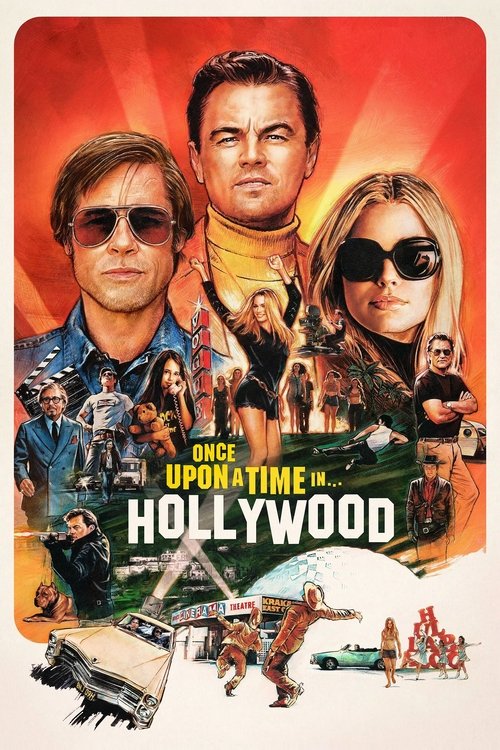
Once Upon a Time in Hollywood
Image-factory lane

Manufactured Dreams

Movies about performance, mythmaking, show-business machinery, and the strange cost of turning fantasy into public image.

Cinema One should have a lane for movies obsessed with the making of glamour, persona, and spectacle. These picks let the product talk about Hollywood, fame systems, performance labor, and the emotional weirdness of manufactured fantasy.

show businessperformancemythmaking
Start with Once Upon a Time in Hollywood

Why this lane works

These movies are fascinated by what it takes to build a dream the audience can live inside, and by the weird sadness that leaks out around the edges of that construction.

A strong editorial lane for linking old Hollywood, modern self-branding, satire, and moviemaking obsession without losing personality.

This shelf exists to name the appetite first, then let the titles argue with each other.

8
Core picks
7
Directors
7.6
Avg rating
1939 to 2023
Year span
7 fully-authored1 strong0 building0 case pending

Ideal for

  • viewers who love movies about the machinery behind the image
  • programming blocks where Hollywood history and performance anxiety should meet
  • readers who want curation around fame, fabrication, and entertainment myth instead of generic backstage stories
Program this lane

Three double-feature handoffs for turning the shelf into a night.

Collections should not stop at inventory. These pairings make the editorial path explicit: start sharp, change angle, then decide what the lane is really arguing.

Search this signal

Starter pairing

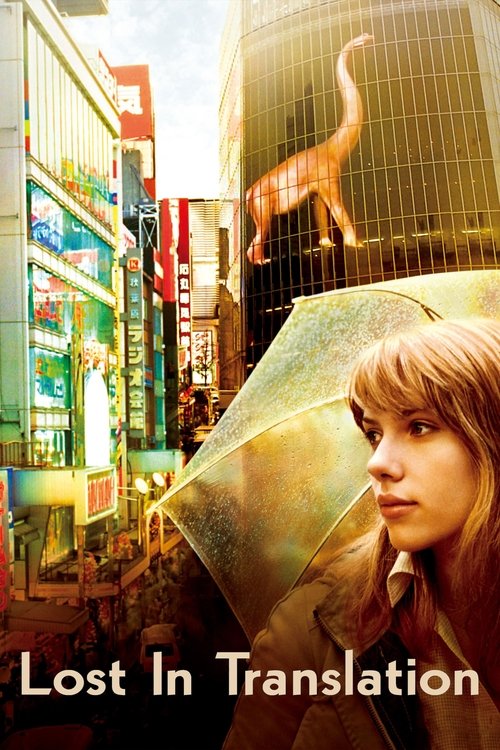
Once Upon a Time in Hollywood → Lost in Translation

Once Upon a Time in Hollywood establishes the show business charge; Lost in Translation bends that charge into a different shape. The handoff moves from Quentin Tarantino's approach to Sofia Coppola's, so the lane opens wider without losing its signal. The 2003–2019 spread also turns the pairing into a miniature history of the appetite.

Open adjacent search
Deeper turn

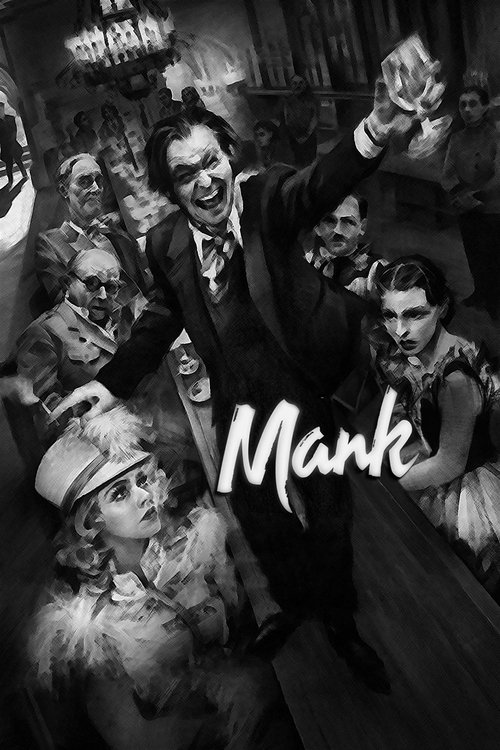
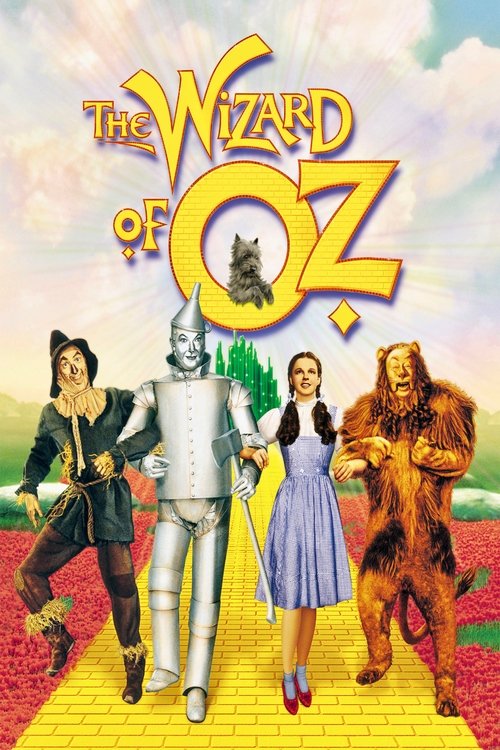
Mank → The Wizard of Oz

Mank establishes the performance charge; The Wizard of Oz bends that charge into a different shape. The handoff moves from David Fincher's approach to Victor Fleming's, so the lane opens wider without losing its signal. The 1939–2020 spread also turns the pairing into a miniature history of the appetite.

Open adjacent search
Late-night close

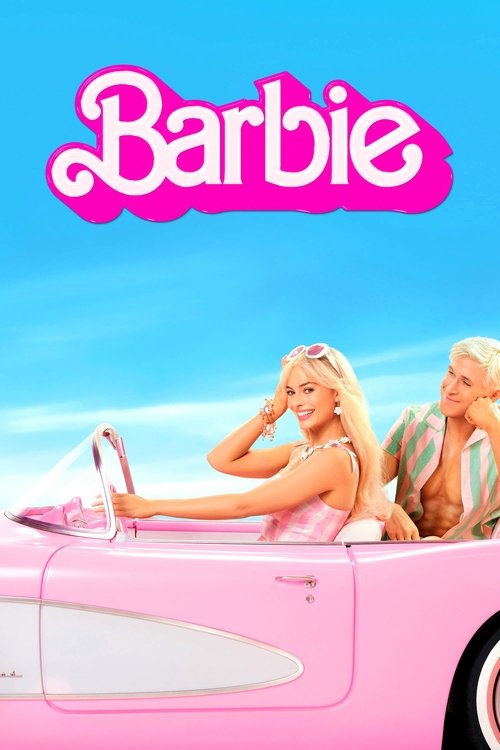
Barbie → Inglourious Basterds

Barbie establishes the mythmaking charge; Inglourious Basterds bends that charge into a different shape. The handoff moves from Greta Gerwig's approach to Quentin Tarantino's, so the lane opens wider without losing its signal. The 2009–2023 spread also turns the pairing into a miniature history of the appetite.

Open adjacent search

Collection picks

The movies that define the lane.

Once Upon a Time in Hollywood
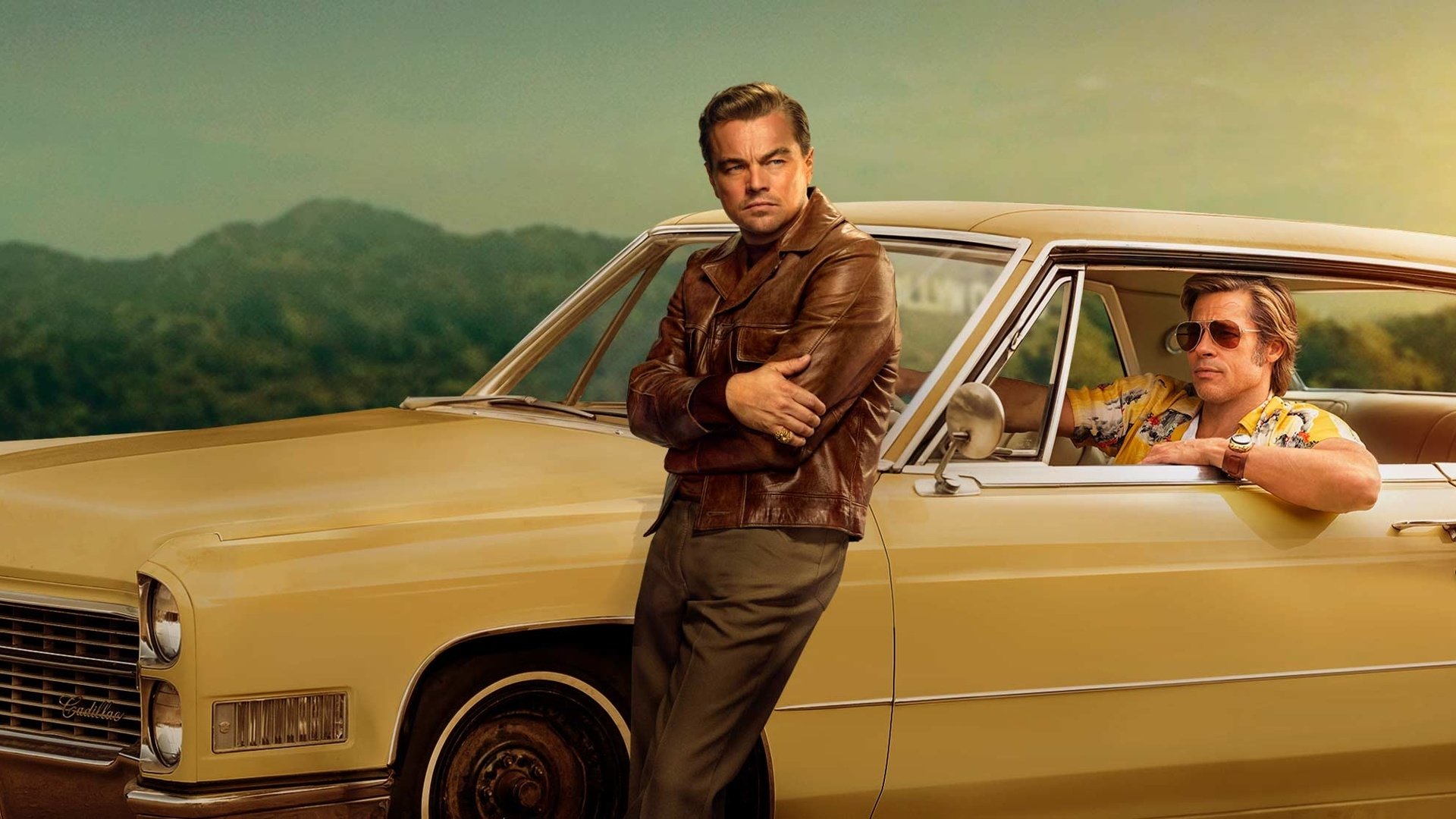
Quentin Tarantino2019

A fading actor and his stunt double drift through a changing Hollywood on the eve of a cultural nightmare.

Lost in Translation
Lost in Translation
Sofia Coppola2003

Bob and Charlotte drift through the Park Hyatt, karaoke rooms, neon streets, sleepless mornings, and the strange relief of being understood by someone who will soon disappear. Lost in Translation strengthens Cinema One’s women-director breadth because Sofia Coppola makes loneliness feel designed rather than vague: Tokyo is not wallpaper, it is a pressure system of distance, glamour, comedy, and borrowed time where the romance works precisely because it cannot be owned.

Ed Wood
Ed Wood
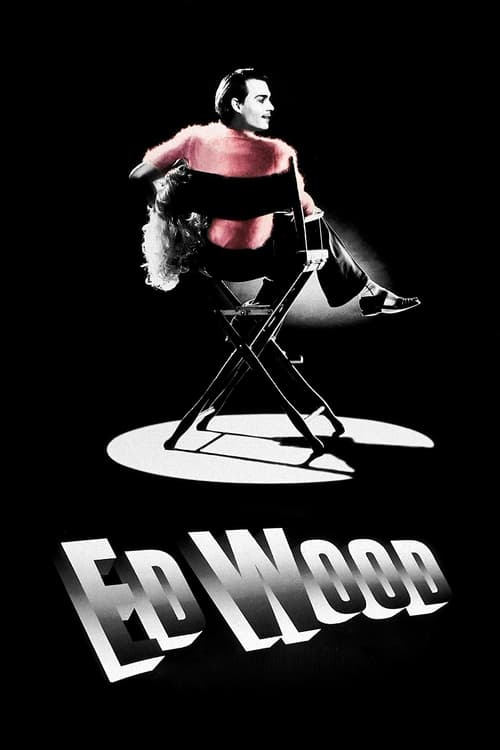
Tim Burton1994

A biographical film about Edward D. Wood Jr., considered to be one of the worst filmmakers in cinema history.

Mank
Mank
David Fincher2020

Fincher revisits Old Hollywood through Herman J. Mankiewicz, authorship battles, and studio-era power games.

The Wizard of Oz
The Wizard of Oz
Victor Fleming1939

Dorothy leaves gray Kansas for color, danger, songs, false authority, and a road that keeps testing what home actually means. The Wizard of Oz endures because the spectacle is also emotional grammar: every companion names a fear, every room changes the rules, and the movie turns childhood wonder into a survival map.

This Is Spinal Tap
This Is Spinal Tap
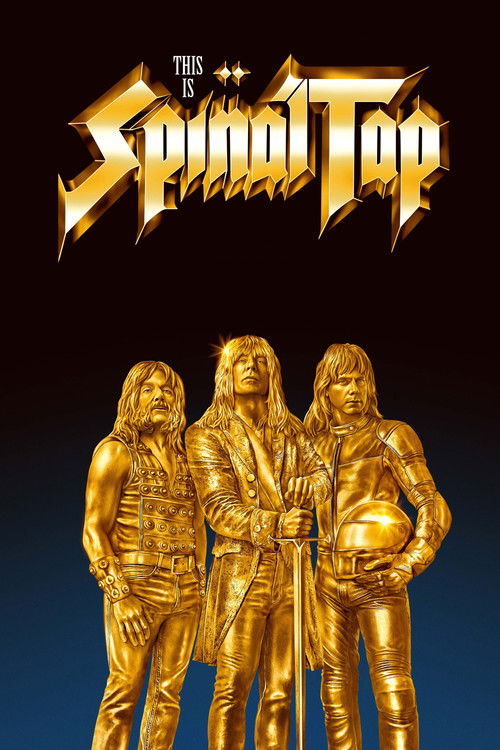
Rob Reiner1984

Spinal Tap tours America with amps, egos, tiny Stonehenge, backstage resentment, and no real sense of how ridiculous the machine has become. This Is Spinal Tap belongs on Cinema One because the mockumentary form is not a gimmick; it is the pressure system that lets vanity, friendship, industry nonsense, and rock myth collapse one interview at a time.

Barbie
Barbie
Greta Gerwig2023

Gerwig turns Mattel IP into a bright, self-aware studio fantasia about femininity, performance, fantasy worlds, and the uneasy work of becoming a person.

Inglourious Basterds
Quentin Tarantino2009

Tarantino turns World War II into a language-driven revenge fantasy built on suspense, cinema, and performance.