
The Wizard of Oz and the Moment Hollywood Learned How to Turn Longing Into a World
The Wizard of Oz still feels alive because it makes fantasy tactile, frightening, and emotionally precise instead of merely whimsical.
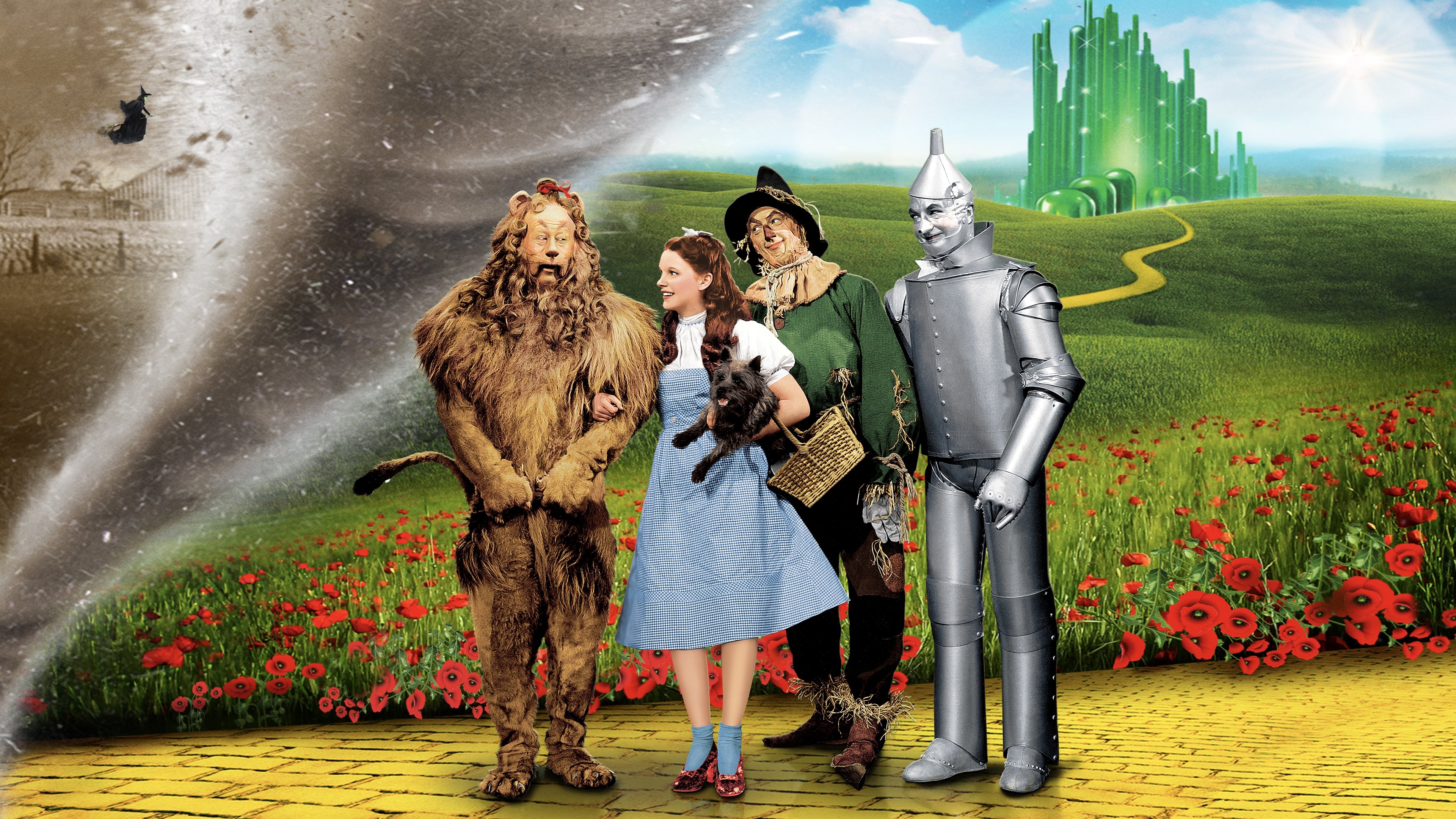
The Wizard of Oz endures because it treats fantasy as emotional architecture. Kansas is not just setup and Oz is not just spectacle. The movie uses the transition between them to externalize Dorothy’s wish for elsewhere, then keeps asking what that wish costs once wonder and fear arrive together.
Why the Threshold Still Hits
The doorway into Oz remains one of cinema’s great image-events because it does more than reveal color. It makes desire visible. The world opens up, but so do vulnerability, temptation, and the possibility that getting what you wished for may be more complicated than the wish itself.
Studio Artifice as Feeling
Part of the movie’s power is that its artificiality feels handmade rather than fake. Painted skies, practical sets, costumes, matte work, and songs all collaborate to make the fantasy feel touchable. That tactile quality is why the film survives technological change so well. It is built like a dream you can walk through.
Homecoming Without Simplifying the Journey
The ending lands because the movie does not treat home as the safe boring opposite of adventure. It treats the journey as the thing that teaches Dorothy how to understand home differently. That emotional loop is why the film remains such a durable gateway movie for people learning what cinema can do.
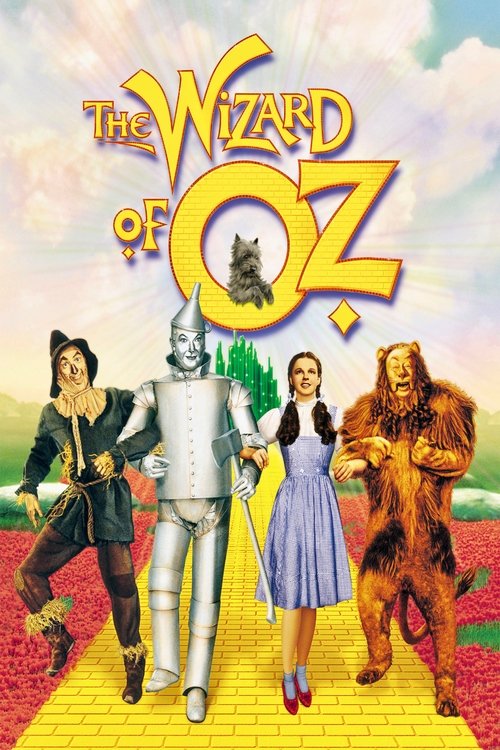
The Wizard of Oz
1939 • Victor Fleming
There's no place like home.
Movies to pair with this read


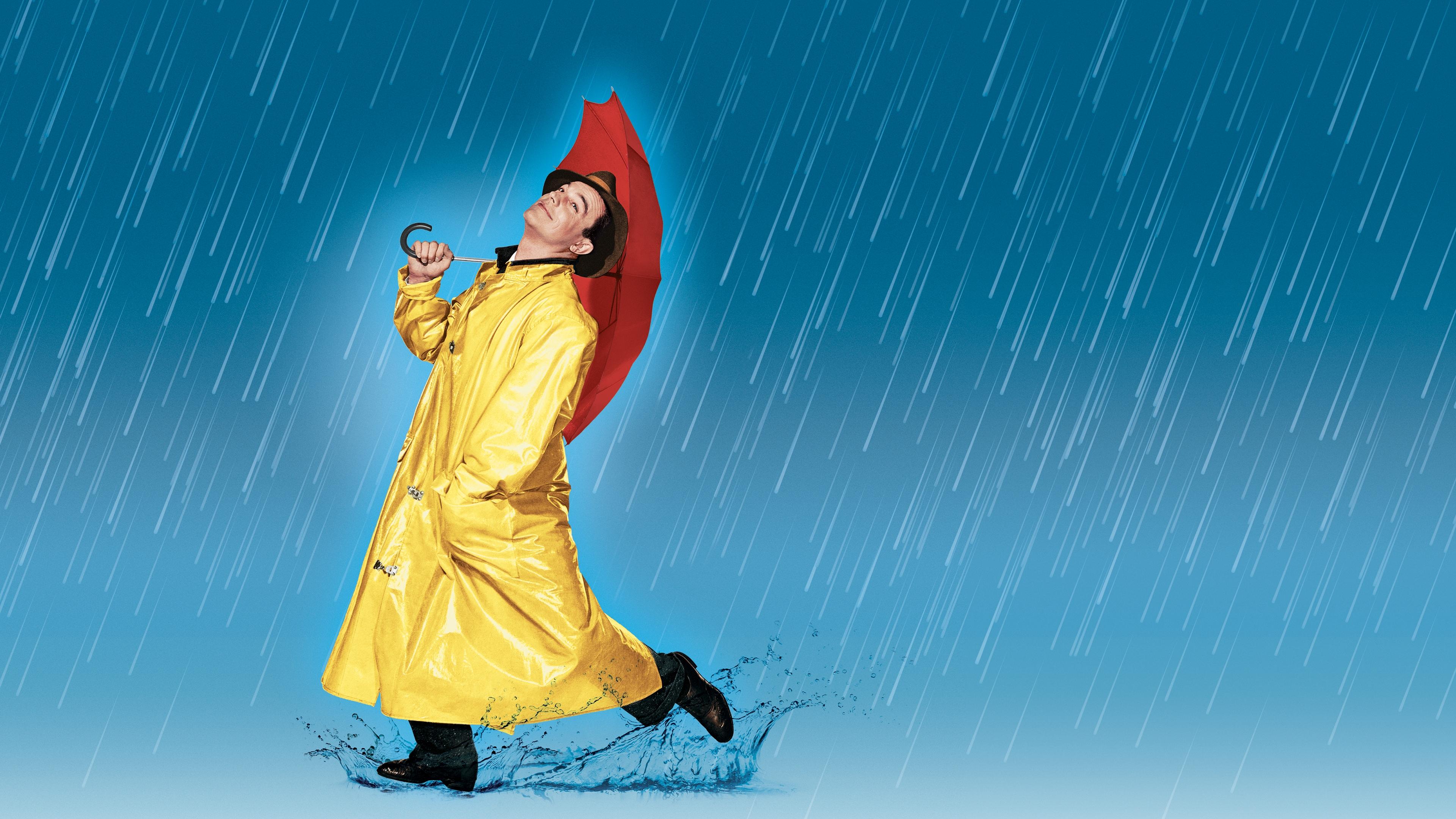
North by Northwest and the Pleasure of Pure Cinematic Momentum
North by Northwest still feels fresh because Hitchcock treats mistaken identity as an excuse to build one of the great motion machines in studio-era cinema.
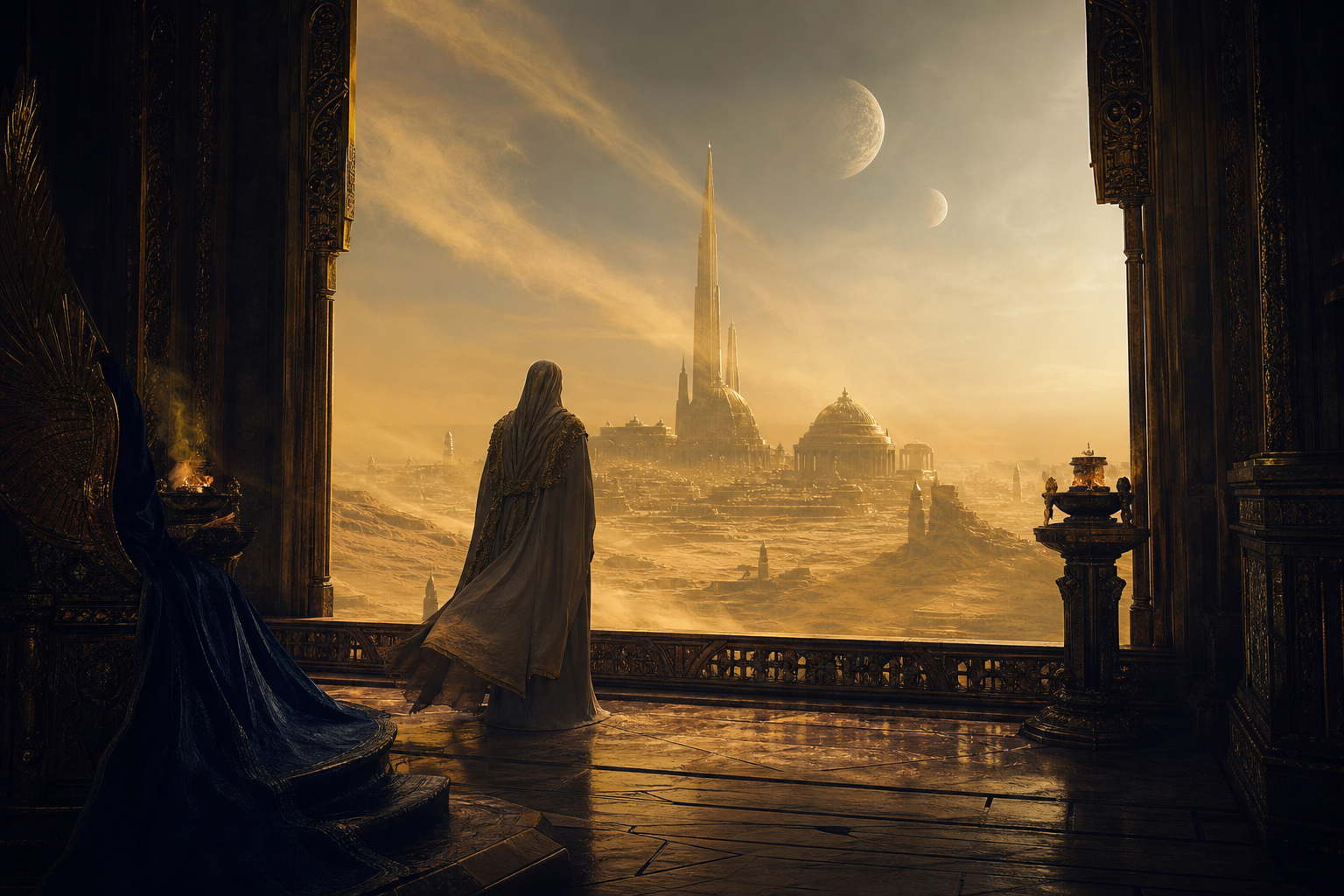
Dune: Messiah and the Risk of Following Triumph With Spiritual Fallout
The real reason to track Dune: Messiah early is that it could force blockbuster franchise culture to sit inside consequence instead of momentum.
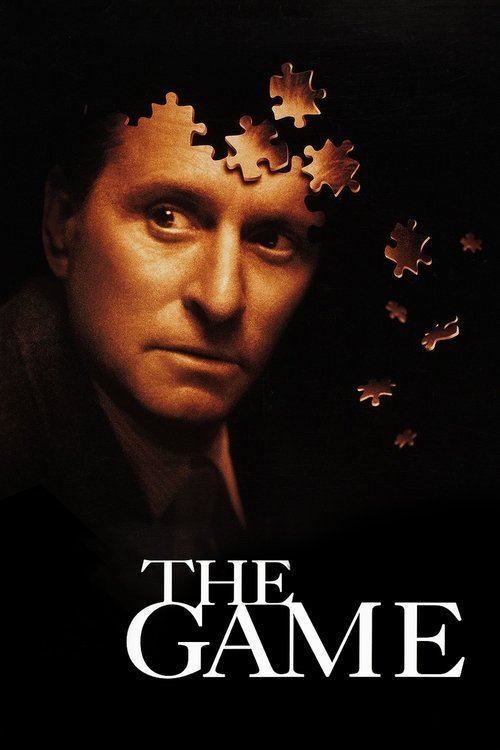
The Game and the Seduction of Letting a System Break You on Purpose
Fincher’s luxury paranoia machine still lands because every escalation turns wealth, control, and self-protection into liabilities instead of armor.
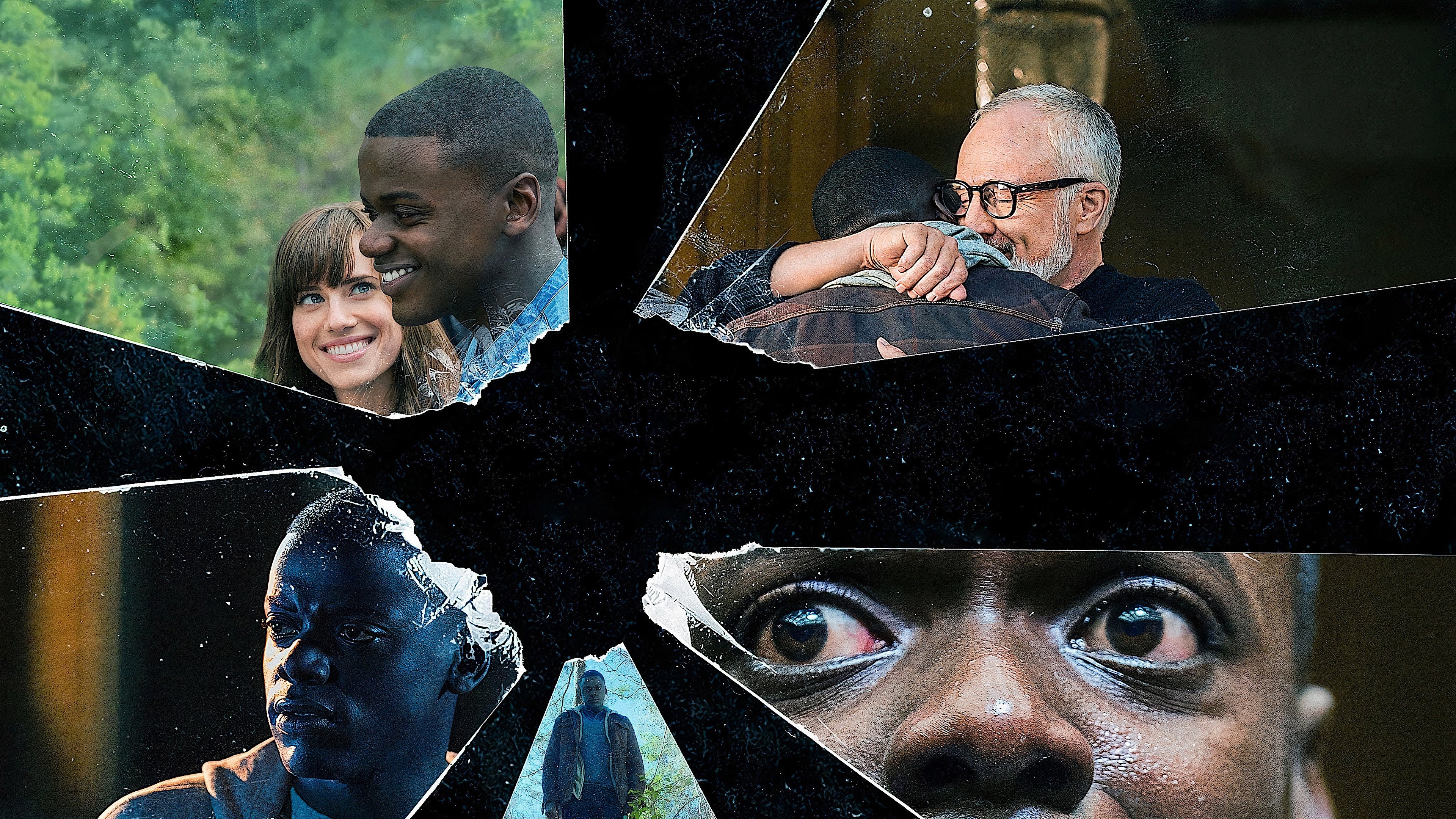
Get Out and the Horror of Realizing Politeness Is the Trap
Jordan Peele’s breakthrough lands so hard because every smile, compliment, and gesture of welcome feels like part of the extraction system.