
The Game and the Seduction of Letting a System Break You on Purpose
Fincher’s luxury paranoia machine still lands because every escalation turns wealth, control, and self-protection into liabilities instead of armor.
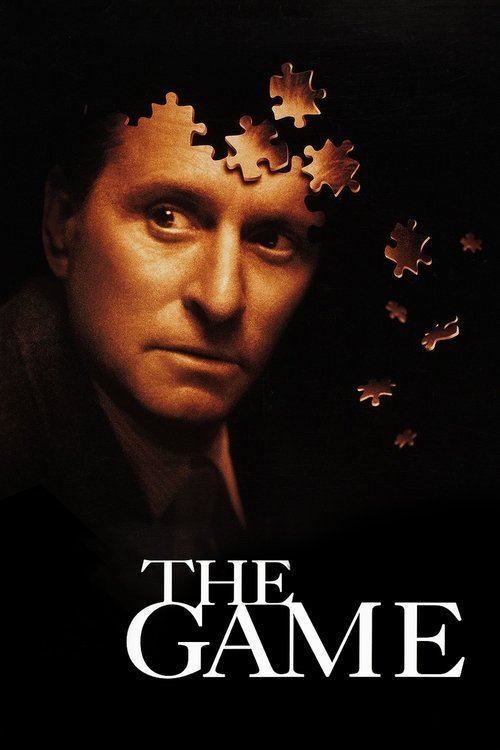
The Game is one of Fincher’s most entertaining arguments that control can become its own pathology. Nicholas Van Orton has money, ritual, and insulation dialed in so completely that life has started to feel less lived than administered. Fincher’s prank from hell matters because it treats that over-management as something that has to be shattered, not merely inconvenienced.
Wealth as an Isolation Technology
The movie understands rich loneliness better than it gets credit for. Nicholas does not just have power. He has systems between himself and risk, spontaneity, embarrassment, and other people. That is why each intrusion feels so violating. The film is not only threatening his safety. It is attacking the architecture that keeps him from being touched at all.
Contrivance as the Whole Bet
The obvious objection to The Game is plausibility, and the movie is smart enough to know it. Fincher is not chasing documentary realism here. He is building a nightmare therapy fantasy where design becomes humiliation and humiliation becomes the only available route back to feeling. The excess is not hidden under the rug. It is the movie’s dare.
Why It Keeps Coming Back in Fincher Conversations
The Game survives because it sits at a revealing crossroads in the filmography. You can already feel the later Fincher obsessions, surveillance, system design, poisoned comfort, identity under pressure, but they are being delivered with a mean, glossy playfulness that makes the movie unusually rewatchable. It may not be his most airtight film, but it is one of his clearest statements that losing control can be the plot and the cure.
The Game
1997 • David Fincher
What do you get for the man who has everything?
Movies to pair with this read
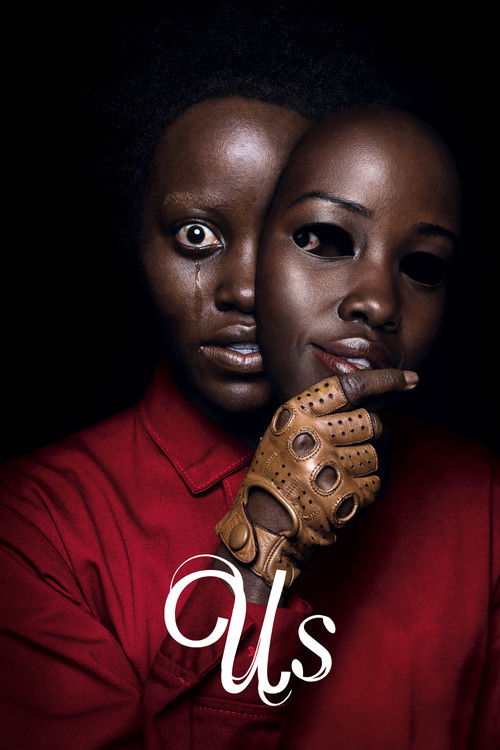




The Social Network and the Violence of Turning Status Into a Product
Fincher and Sorkin make ambition move fast enough to feel intoxicating, then show how quickly that speed turns relationships into collateral.

The Girl with the Dragon Tattoo and the Cold Pleasure of Watching Procedure Cut Through Rot
Fincher’s Dragon Tattoo remake endures because research, pattern recognition, and bruised trust become as gripping as any chase scene.
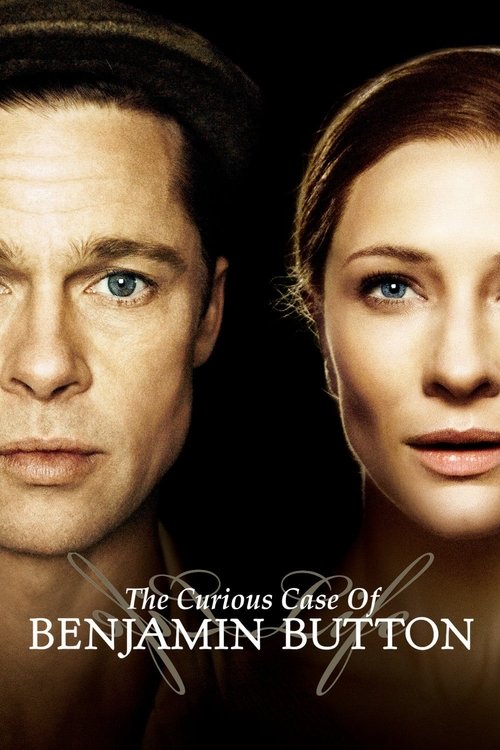
The Curious Case of Benjamin Button and the Sadness of Meeting Life Out of Sequence
Benjamin Button matters because Fincher treats the reverse-aging premise less like a trick than a way to make timing itself feel tragic.
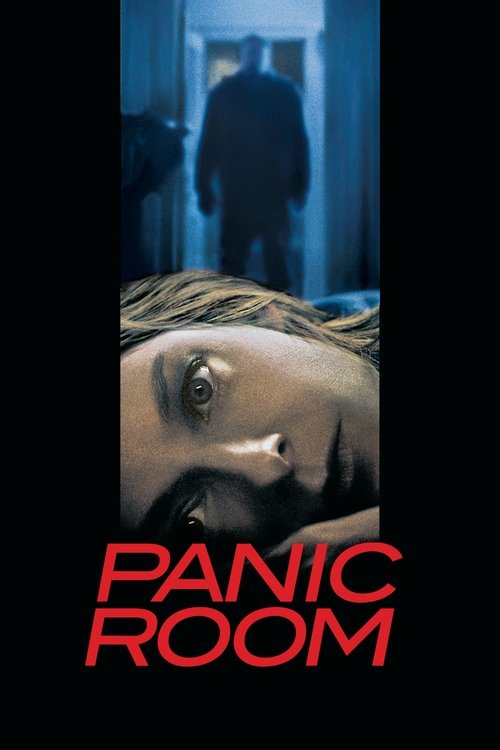
Panic Room and the Virtue of Making Architecture Do the Panicking
Panic Room works because Fincher turns walls, sightlines, and delays into the whole suspense engine instead of treating them as setup for louder thrills.