


The Social Network
Social warfare lane

Status Traps

Ambition, reputation management, and movies where climbing the ladder quietly poisons the people doing it.

Status anxiety can be a pressure system all its own. These are films where image, leverage, class aspiration, and social performance become the real battleground, whether the setting is Silicon Valley, corporate America, marriage, or consumer masculinity.

status panicsocial corrosionreputation warfare
Start with The Social Network

Why this lane works

These movies understand that status is never only about money or fame. It is about who gets to narrate reality, who gets believed, and what kind of self gets hollowed out in the chase.

Useful for linking Fincher, corporate poison, masculinity critique, and social-climbing stories into one clean discovery lane.

This shelf exists to name the appetite first, then let the titles argue with each other.

7
Core picks
5
Directors
8.0
Avg rating
1987 to 2014
Year span
7 fully-authored0 strong0 building0 case pending

Ideal for

  • viewers who want adult movies about ambition turning toxic
  • double-features where dialogue, leverage, and image control matter as much as plot
  • nights when the product should feel sharp, contemporary, and socially observant
Program this lane

Three double-feature handoffs for turning the shelf into a night.

Collections should not stop at inventory. These pairings make the editorial path explicit: start sharp, change angle, then decide what the lane is really arguing.

Search this signal

Starter pairing

The Social Network → Gone Girl

The Social Network establishes the status panic charge; Gone Girl bends that charge into a different shape. Both films keep you inside David Fincher's system, making the second watch feel like a variation instead of a reset. Because the release years sit close together, the pairing plays like two arguments from the same cultural weather.

Open adjacent search

Deeper turn

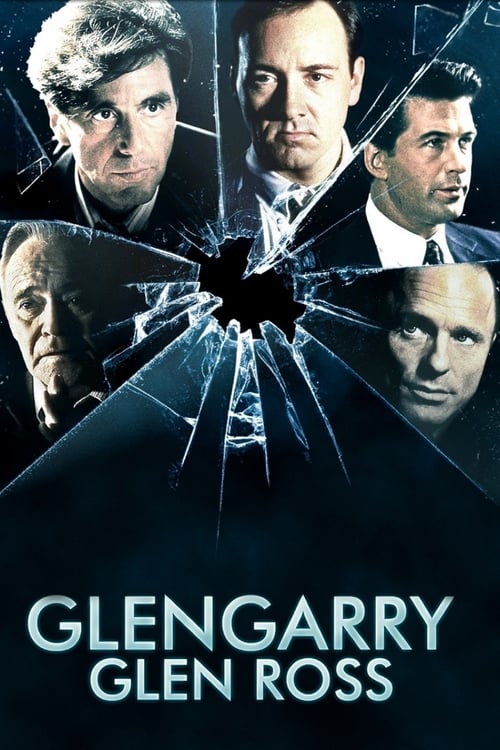
Wall Street → Glengarry Glen Ross

Wall Street establishes the social corrosion charge; Glengarry Glen Ross bends that charge into a different shape. The handoff moves from Oliver Stone's approach to James Foley's, so the lane opens wider without losing its signal. Because the release years sit close together, the pairing plays like two arguments from the same cultural weather.

Open adjacent search

Late-night close

Fight Club → American History X

Fight Club establishes the reputation warfare charge; American History X bends that charge into a different shape. The handoff moves from David Fincher's approach to Tony Kaye's, so the lane opens wider without losing its signal. Because the release years sit close together, the pairing plays like two arguments from the same cultural weather.

Open adjacent search

Collection picks

The movies that define the lane.

The Social Network
The Social Network
David Fincher2010

The founding of Facebook becomes a fast, bitter study of ambition, betrayal, and status in the digital age.

Gone Girl
Gone Girl
David Fincher2014

A marriage, a disappearance, and a media circus fuse into one of Fincher’s sharpest poison-pill entertainments.

Wall Street
Wall Street
Oliver Stone1987

Bud Fox wants into the room badly enough to mistake Gordon Gekko for a mentor, then Wall Street turns ambition into a pressure test about money, fathers, information, and appetite. Stone makes the trading floor feel like a moral weather system: every call, lunch, wire, and deal asks what part of yourself you sell first.

Glengarry Glen Ross
Glengarry Glen Ross
James Foley1992

An examination of the machinations behind the scenes at a real estate office as salesmen compete for leads and their livelihoods.

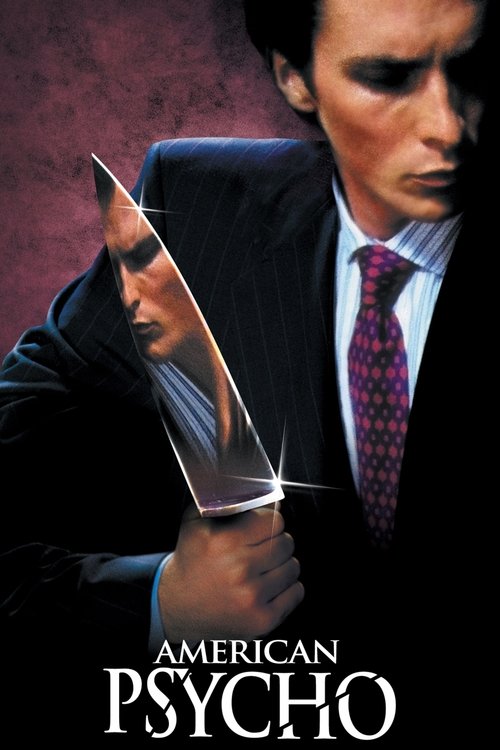
American Psycho
American Psycho
Mary Harron2000

Patrick Bateman moves through restaurants, business cards, skin routines, and murder fantasies with the same dead showroom smile. American Psycho belongs on Cinema One because Mary Harron turns Wall Street masculinity into horror-comedy evidence: the monster is not hidden under the suit; the suit is part of the monster.

Fight Club
Fight Club
David Fincher1999

An insomniac office worker mistakes numbness for peace until Tyler Durden turns grievance into ritual, then ritual into organization. Fight Club works because Fincher makes the release feel seductive before the bill comes due: consumer disgust becomes violence, violence becomes doctrine, and the fantasy of waking up starts recruiting bodies.

American History X
American History X
Tony Kaye1998

Derek Vinyard comes out of prison trying to pull his younger brother away from the white-power mythology he helped make glamorous at home, at school, and on the street. American History X belongs on Cinema One because its power and its danger are the same thing: Tony Kaye shoots hatred like performance, memory, and family inheritance, then asks whether recognition can arrive fast enough to stop rage from recruiting the next body.