
Glengarry Glen Ross
Find the movies with rewatch gravity, live dossiers, and unfinished cases worth deepening.
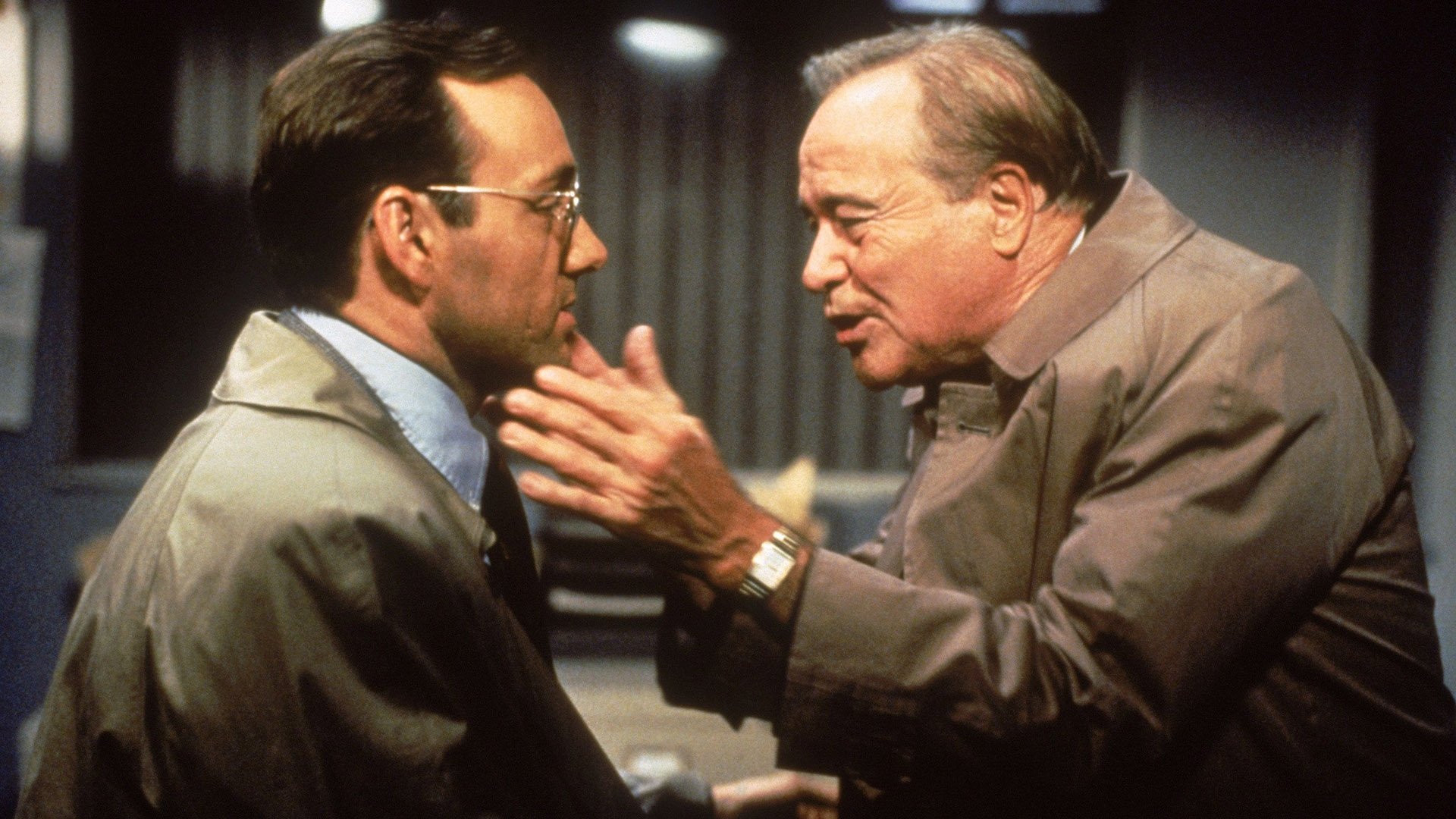
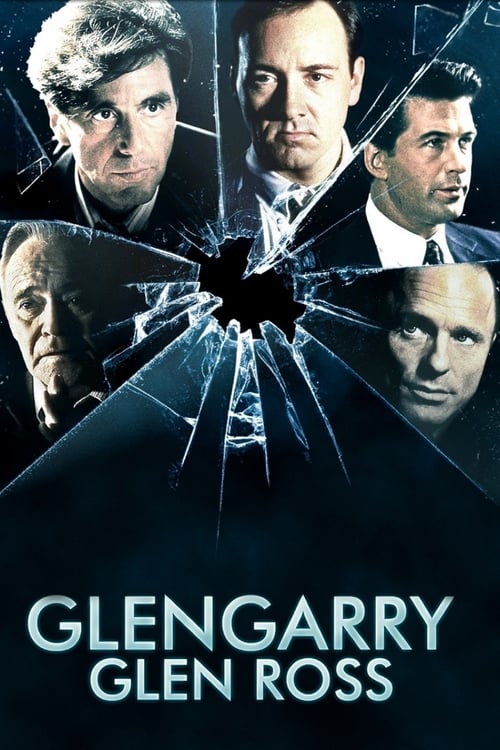
Movie dossier
Glengarry Glen Ross
A pressure chamber where salesmanship, humiliation, and masculine performance all share the same rhythm.
Latest video signal
Trailer slot ready
A widescreen slot for the newest official trailer, interview, or scene signal when the page has a playable source.
Why it matters
Glengarry Glen Ross matters because it shows how much cinematic force can come from pure talk when the talk itself is survival. Foley and Mamet turn an office, a set of bad leads, and a room full of desperate men into something as tense as a thriller.
Craft read
Dialogue used as leverage, seduction, and public violence
Ensemble pressure cooker built around rank, failure, and withheld access
A canonical modern talk-machine that keeps paying off in performance and quotation
Themes
Cast and context
real estate • salesmen • competition • desperation • capitalism • workplace
Coverage status
A fully shaped Cinema One case: the movie has enough authored context, pathway links, and argument to feel like more than a catalog entry.
Production notes
- • The adaptation keeps its theatrical density but gains a harsher cinematic weather system through Foley’s staging and atmosphere.
- • The ensemble works because each performer locates a different relationship to panic, bluff, and institutional contempt.
- • A strong page for Cinema One because it broadens the product’s editorial identity beyond director-driven auteur coverage into actor-and-language canon.
Watch-next pathway
What should you do after Glengarry Glen Ross?
Three intentional continuations: stay with the filmmaker, chase the dominant pressure signal, or jump into the shelf or argument that best explains why this movie belongs here.
More capitalism
Use the taste map to find movies, arguments, and shelves that share this page's strongest signal.
Tension Machines
Command decisions, brinkmanship, pressure, and movies that tighten the screws scene by scene.
Movie-page argument
Defend Glengarry Glen Ross.
If this movie has a scene, performance, ending, or idea people underrate, make the case. The best defenses can become future Cinema One argument material.

Scene challenge
Pick the scene that proves it.
Cinema One is built around scenes that unlock the movie. Tell us which moment carries the pressure, style, argument, or rewatch charge.
Signature scene: Blake’s sales speech rewrites the room as a punishment theater
The famous speech matters because it is not just motivational abuse. It clarifies the whole system. Foley stages the room so that language itself becomes management violence, and from that point on every conversation feels like a scramble not to be the next man publicly reduced.
Line worth carrying forward
"Always be closing" survives because it is both command and curse. The line sounds like professional wisdom until the movie reveals it as a compact expression of a whole culture that can only imagine worth as conversion.
Why the ending feels bruising instead of cathartic
Glengarry Glen Ross does not resolve by redistributing justice. It closes on exposure, self-protection, and the continued operation of a system that has already stripped these men down to function, which is why the movie lingers as tragedy rather than mere macho entertainment.
Steelman the debate
A valid critique is that the film can look like it is seduced by the very macho verbal aggression it is trying to expose. The best defense is that the seduction is the mechanism under examination. The movie lets the language intoxicate you just long enough to show what kind of spiritual and social damage that intoxication is covering over.
More from this director
Related picks
Read next
Glengarry Glen Ross still cuts because James Foley stages sales talk as status warfare where every word is either leverage or humiliation.
Benjamin Button matters because Fincher treats the reverse-aging premise less like a trick than a way to make timing itself feel tragic.
Scorsese’s landmark stays unnerving because it never treats Travis Bickle as a puzzle to solve. It traps us inside a worldview rotting in real time.