
Taxi Driver and the Danger of Letting Alienation Curdle Into Mission
Scorsese’s landmark stays unnerving because it never treats Travis Bickle as a puzzle to solve. It traps us inside a worldview rotting in real time.
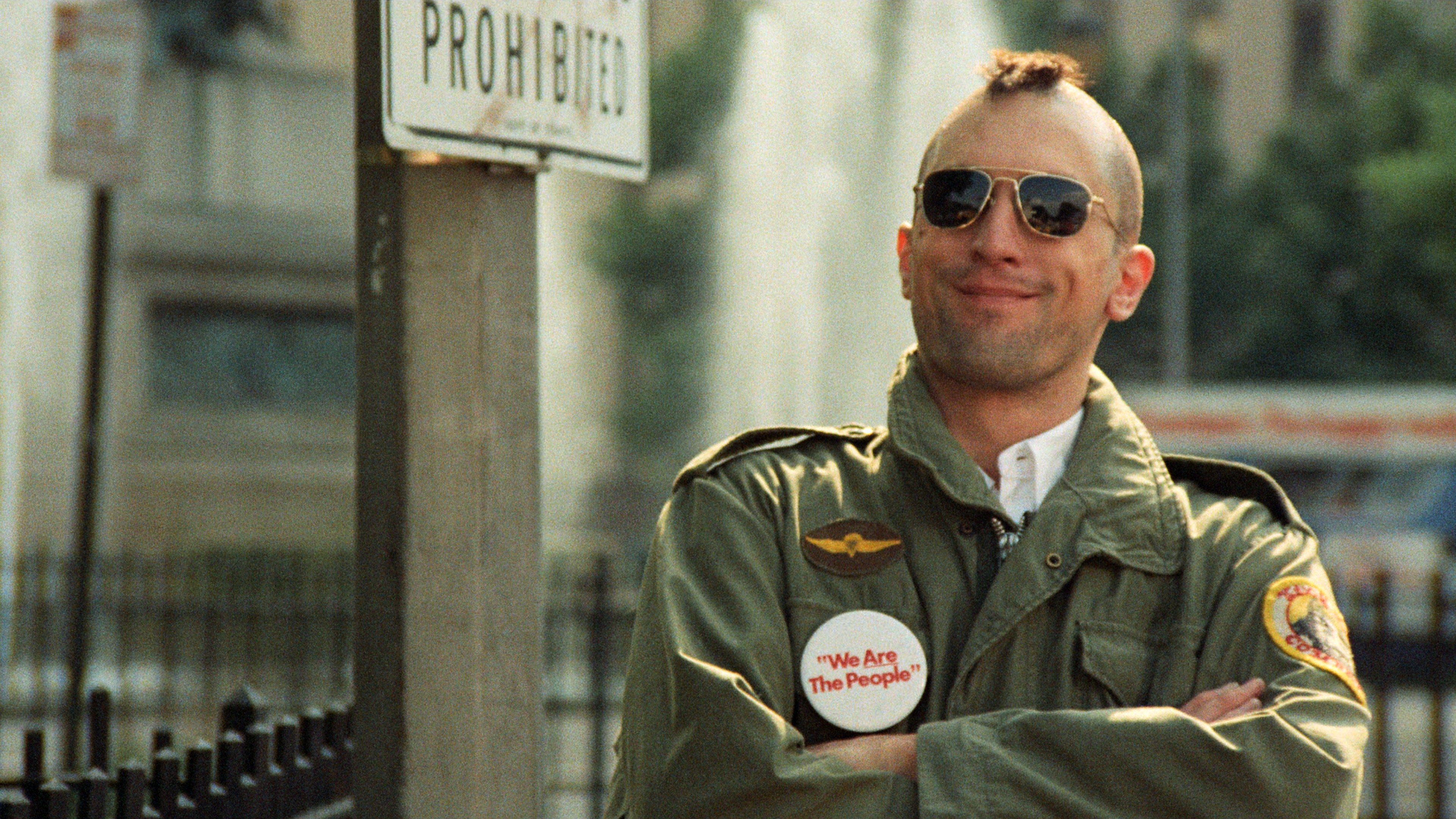
Taxi Driver still feels poisonous in the best way because Scorsese refuses the comfort of distance. Travis is not presented as a cool antihero or a neat psychiatric specimen. He is a man turning loneliness, disgust, fantasy, and grievance into private doctrine while the city around him starts looking like proof.
Point of View as Contamination
The movie’s great formal trick is that it lets Travis narrate himself without asking us to trust him. Voiceover, nocturnal driving, and the humid visual texture all push the audience close enough to feel his warped logic taking shape, then leave us there long enough to recognize how dangerous that closeness is.
De Niro as Unstable Surface
Robert De Niro never plays Travis as one clean thing. He is awkward, vain, frightened, cruel, needy, and weirdly ceremonial about his own self-invention. That instability is why the performance keeps getting under people’s skin. You can watch him trying to author a self and feel how catastrophic the chosen version will be.
Why the Ending Still Disturbs
The final movement lands so hard because the movie understands that public culture is capable of misreading violence as redemption. Taxi Driver is not only about one man’s collapse. It is about how a broken society can mistake that collapse for civic usefulness once the blood points in the right direction.
Taxi Driver
1976 • Martin Scorsese
On every street in every city, there’s a nobody who dreams of being a somebody.
Movies to pair with this read


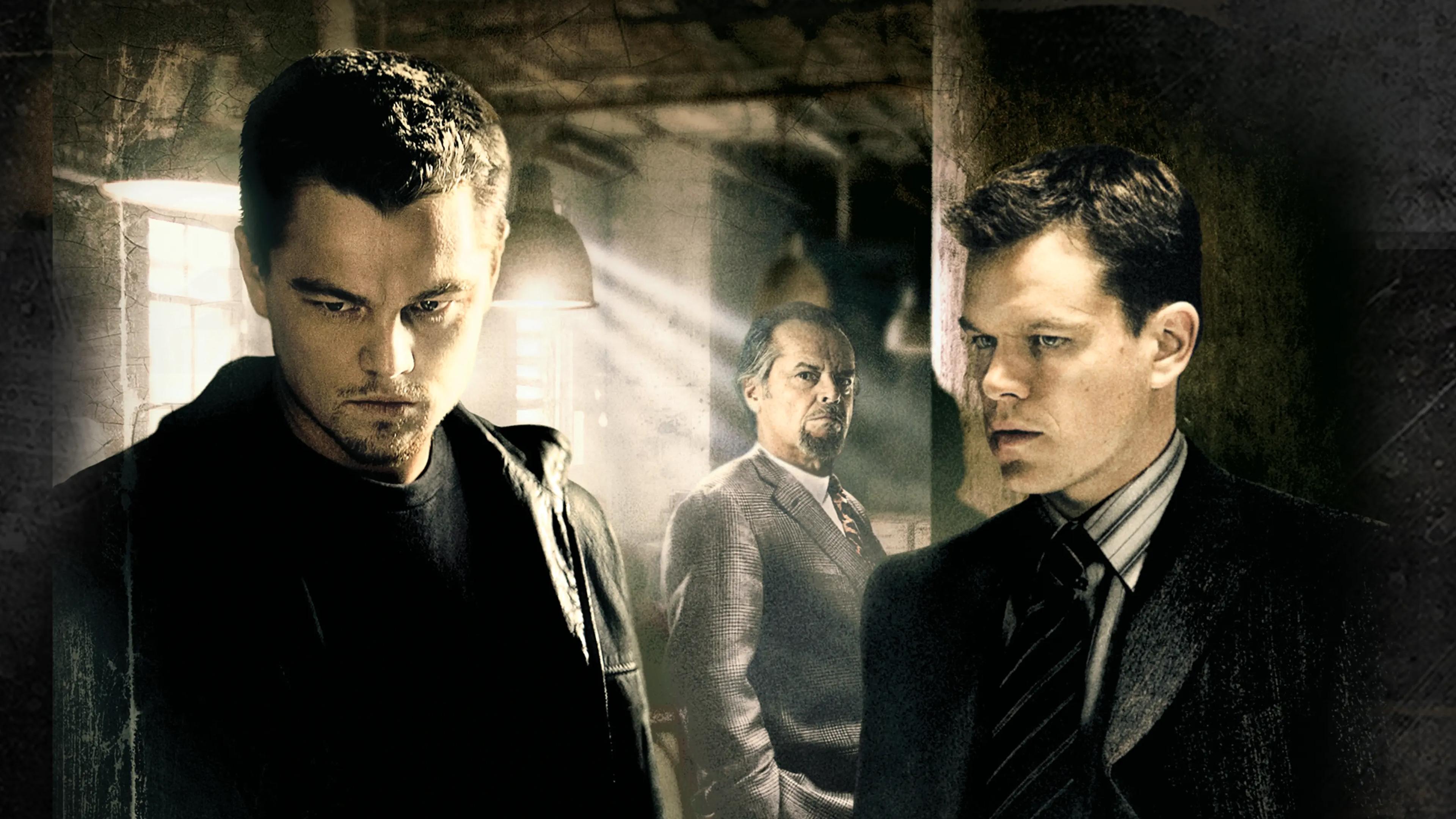
The Departed: A Remake That Wins by Getting Meaner, Hotter, and More American
Scorsese’s Boston pressure cooker works because it turns identity, class hostility, and institutional rot into one loud, filthy propulsion system.
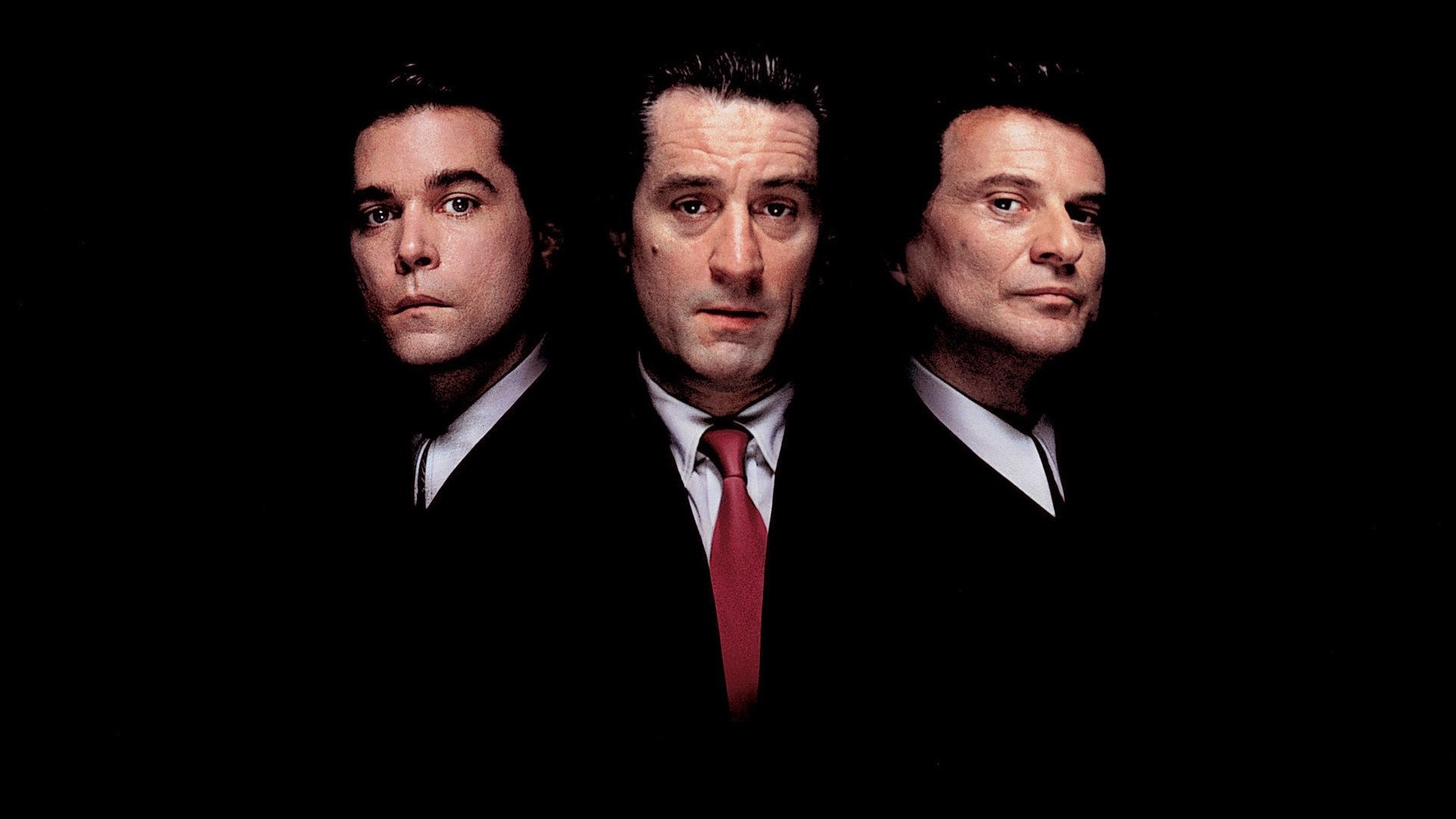
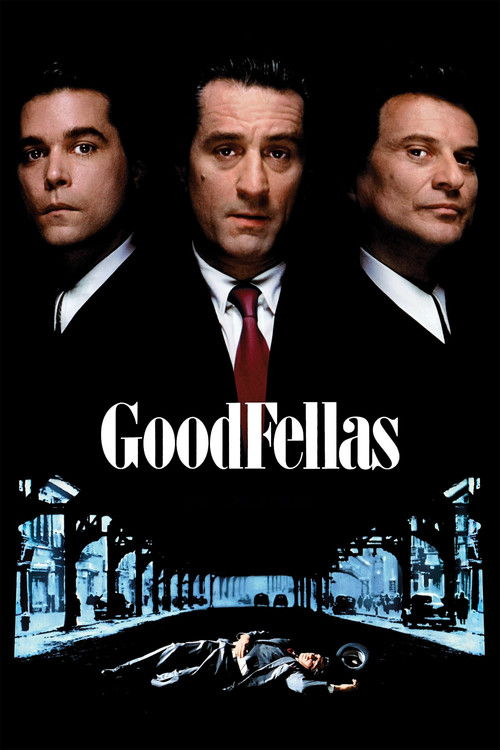
Goodfellas and the Seduction of a Life That Is Already Rotting
What makes Goodfellas immortal is that Scorsese never separates the rush from the critique. The thrill is the delivery system for the emptiness.
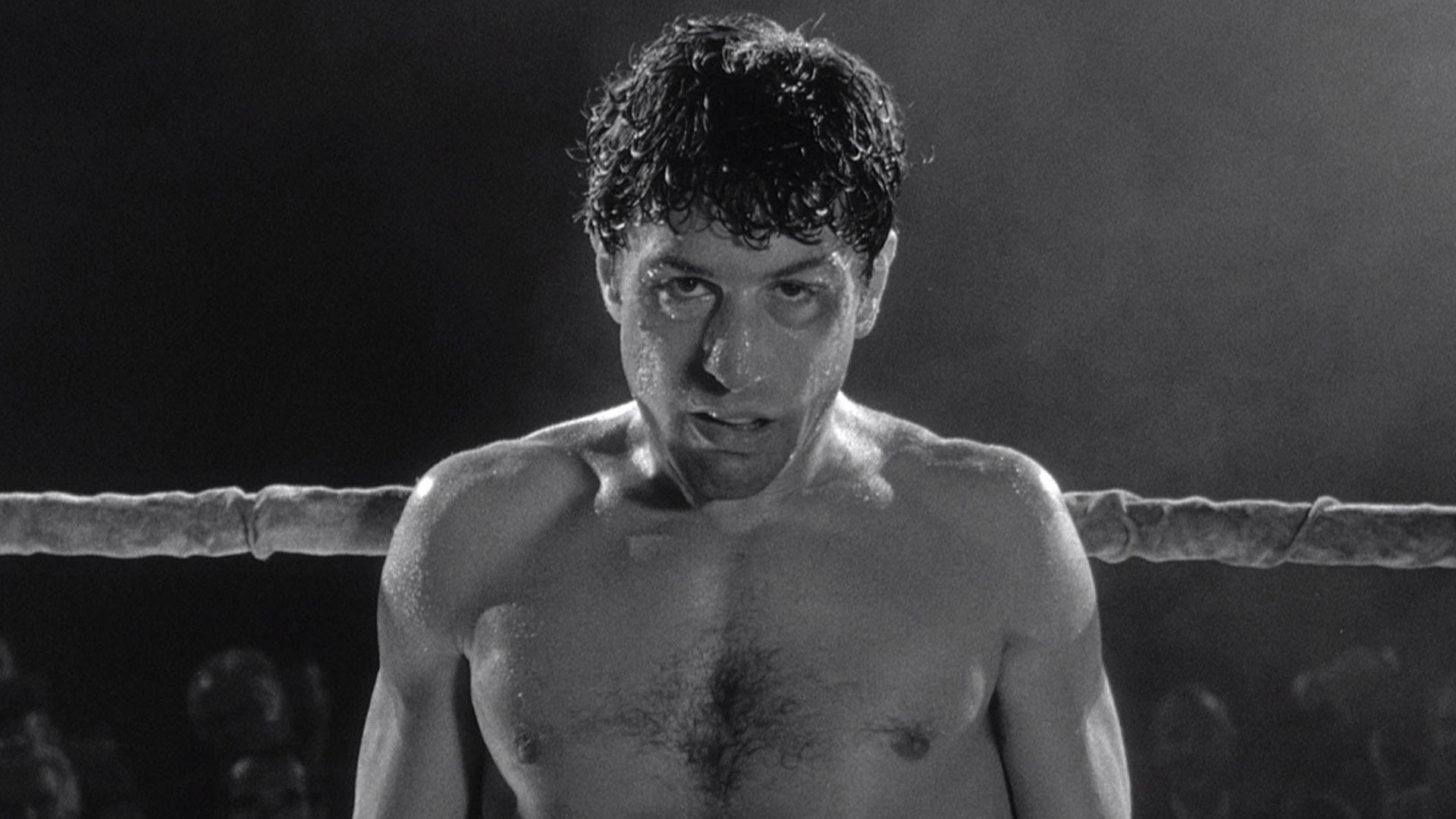
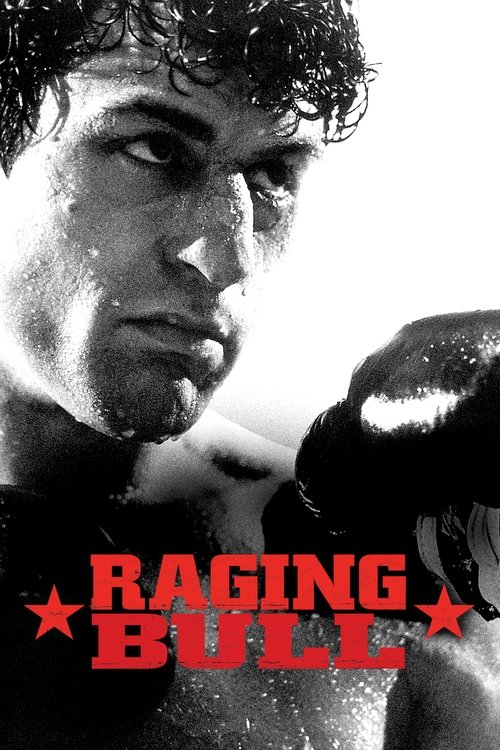
Raging Bull: When Formal Greatness Refuses to Save the Man at the Center
Scorsese’s boxing masterpiece hits so hard because it uses virtuosity to study a person who keeps turning love, work, and ambition into damage.

Dune: Messiah and the Risk of Following Triumph With Spiritual Fallout
The real reason to track Dune: Messiah early is that it could force blockbuster franchise culture to sit inside consequence instead of momentum.