
The Departed: A Remake That Wins by Getting Meaner, Hotter, and More American
Scorsese’s Boston pressure cooker works because it turns identity, class hostility, and institutional rot into one loud, filthy propulsion system.
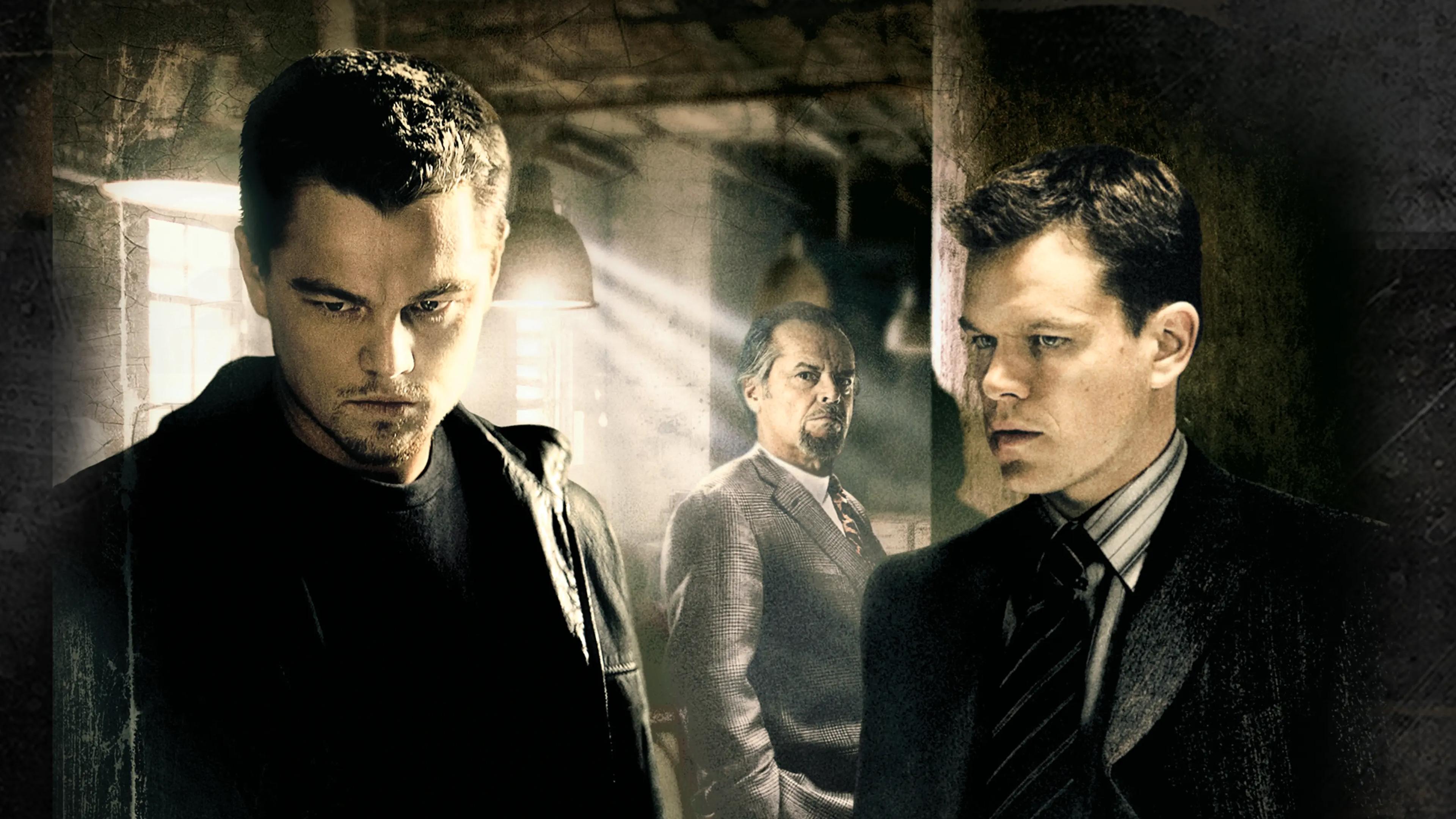
The Departed is one of the best arguments for the remake as reinterpretation instead of duplication. Scorsese takes the infiltration structure of Infernal Affairs and reroutes it through Boston tribalism, Catholic guilt, masculine posturing, and institutional contempt. The result is not cleaner prestige. It is a movie that wants to feel contaminated and alive.
Performance as the Real Subject
Every major character in The Departed is acting a role under pressure. Billy is performing criminal ease, Colin is performing professional composure, and Costello is performing untouchable charisma long after rot has set in. The movie gets its voltage from the idea that identity here is not essence. It is a survival tactic.
Why the Shock Still Lands
Scorsese stages the film with enough momentum and swagger that the abrupt violence keeps feeling like the floor giving way beneath the audience. The famous jolts are not memorable only because they surprise. They are memorable because they confirm that no one inside this system gets a dignified narrative.
A Great Mess in the Right Key
Part of the movie’s staying power is that it never tries to be elegant in the wrong way. The profanity, excess, star energy, and jagged humor are not blemishes on a cleaner masterpiece hiding underneath. They are how Scorsese localizes the story and turns it into a portrait of institutions that cannot stop breeding compromised men.
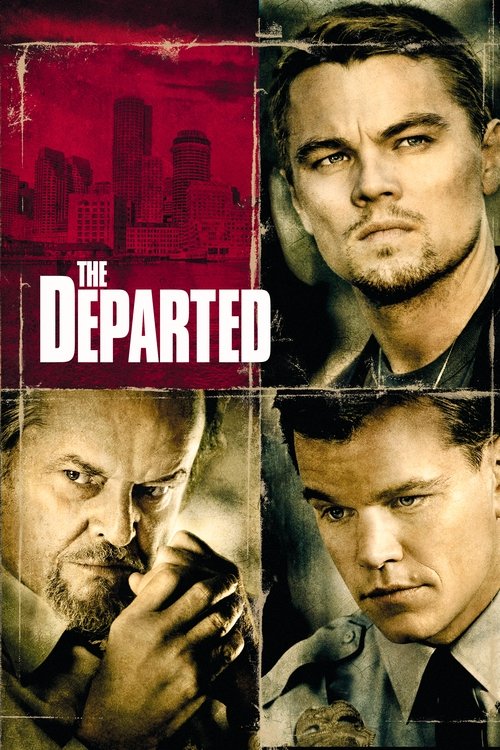
The Departed
2006 • Martin Scorsese
Lies. Betrayal. Sacrifice. How far will you take it?
Movies to pair with this read

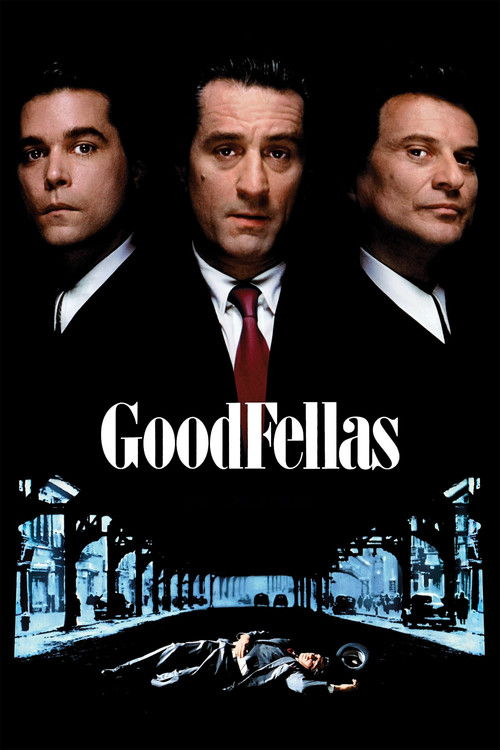


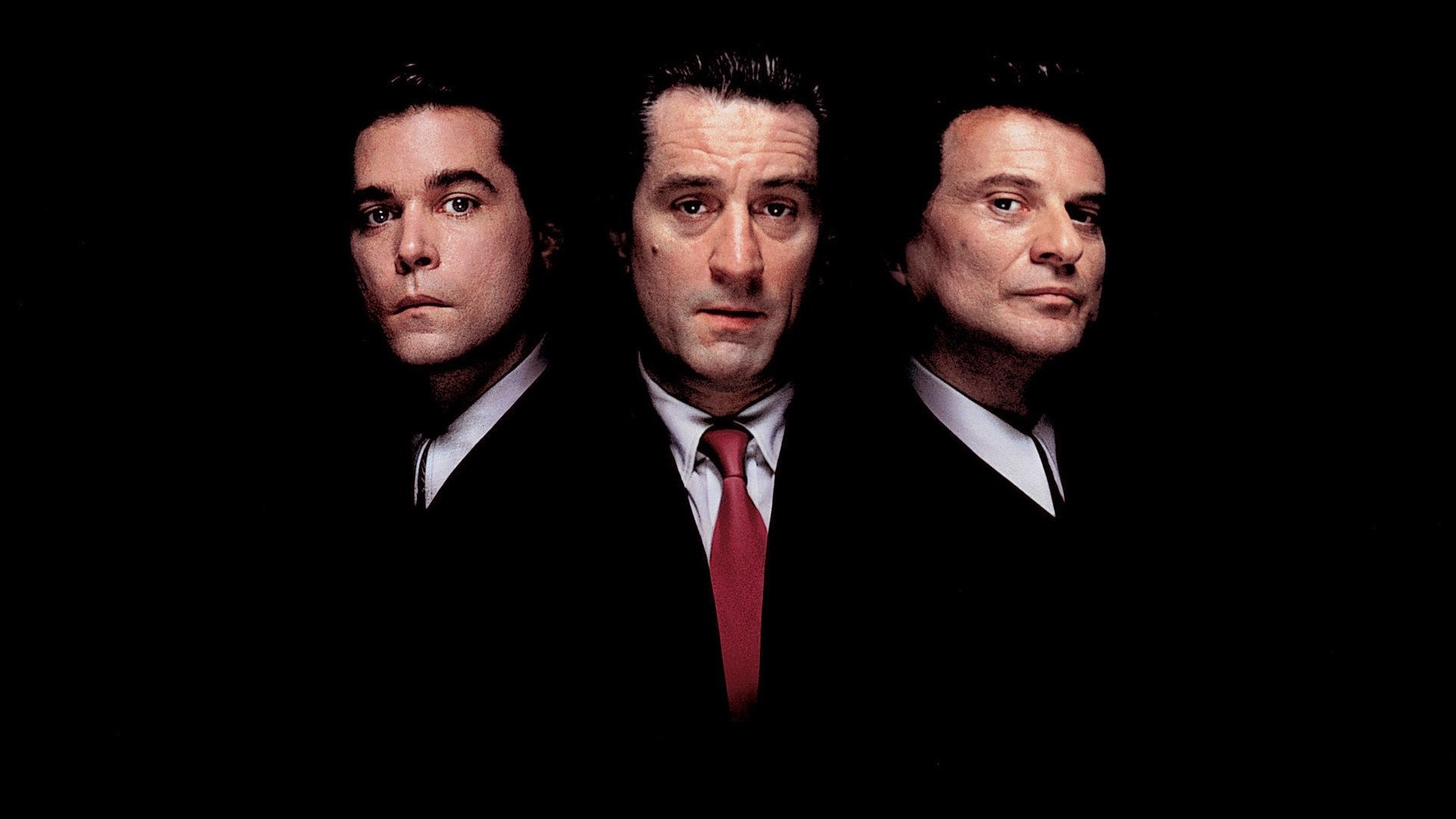
Goodfellas and the Seduction of a Life That Is Already Rotting
What makes Goodfellas immortal is that Scorsese never separates the rush from the critique. The thrill is the delivery system for the emptiness.
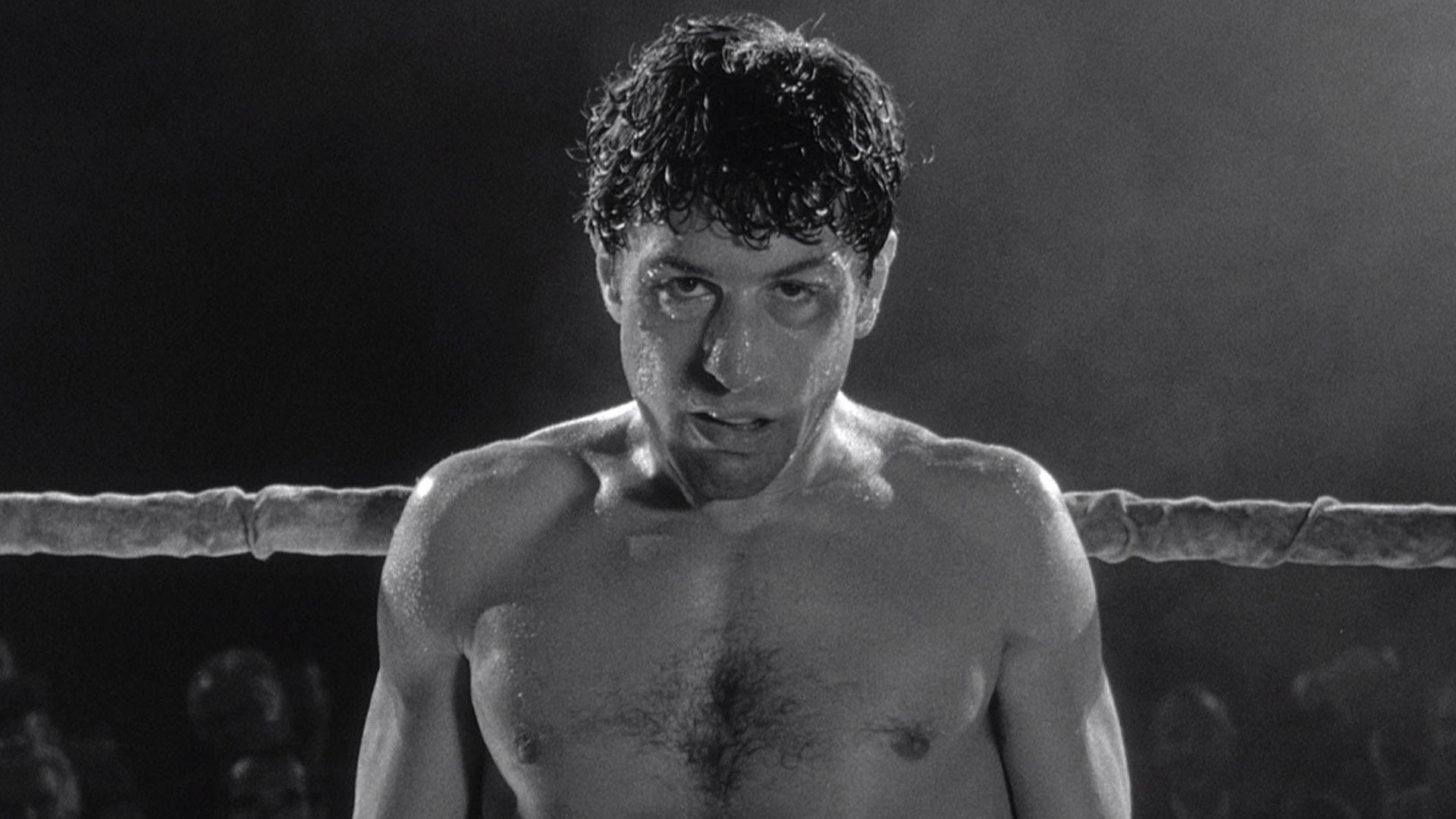
Raging Bull: When Formal Greatness Refuses to Save the Man at the Center
Scorsese’s boxing masterpiece hits so hard because it uses virtuosity to study a person who keeps turning love, work, and ambition into damage.
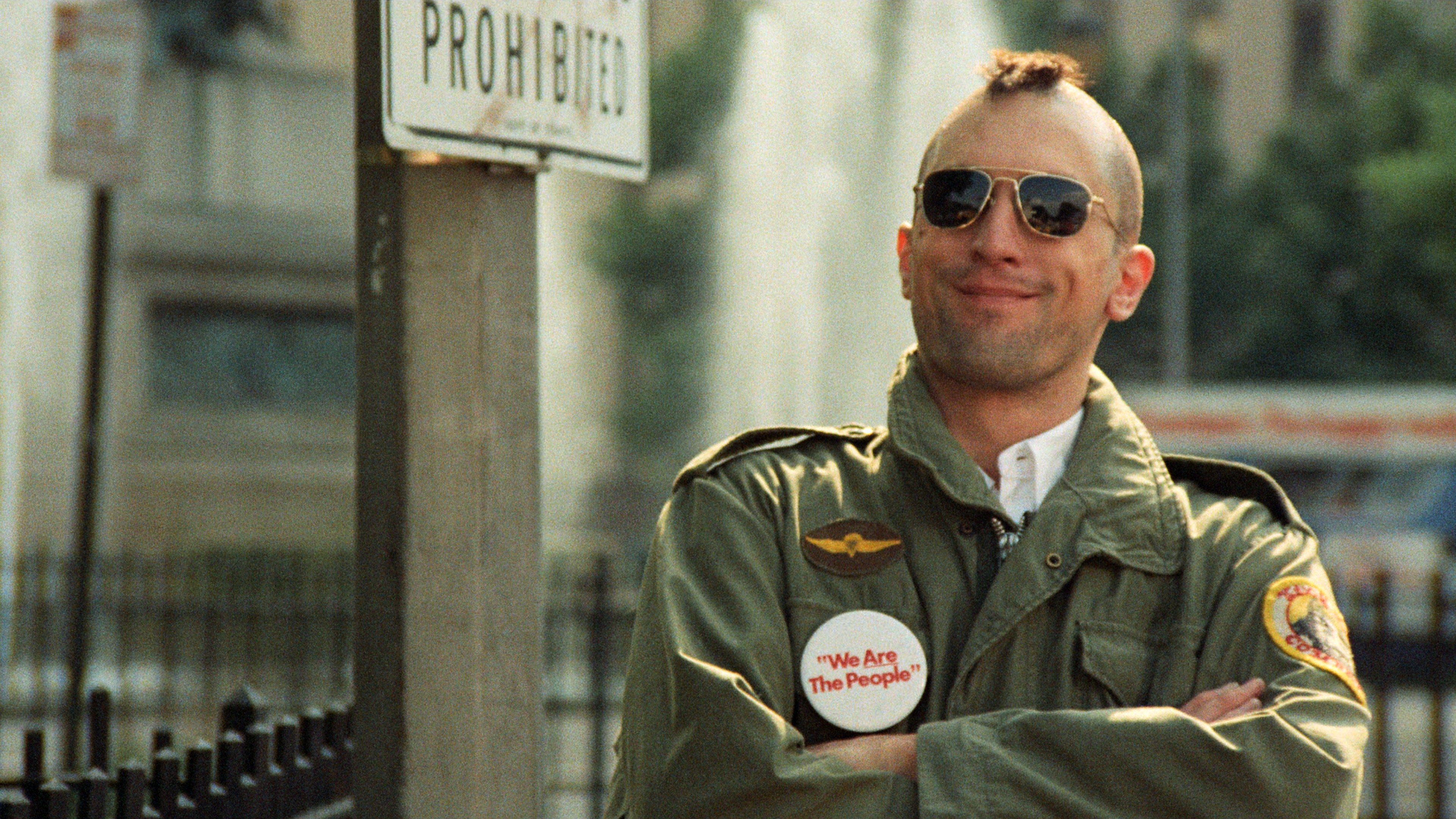
Taxi Driver and the Danger of Letting Alienation Curdle Into Mission
Scorsese’s landmark stays unnerving because it never treats Travis Bickle as a puzzle to solve. It traps us inside a worldview rotting in real time.

How Tarantino’s Later Films Trade Cool for Consequence
Jackie Brown, Kill Bill: Vol. 2, The Hateful Eight, and Once Upon a Time in Hollywood all reveal a filmmaker getting more interested in aftermath, drift, and emotional residue than in pure pop detonation.