
Goodfellas
Find the movies with rewatch gravity, live dossiers, and unfinished cases worth deepening.
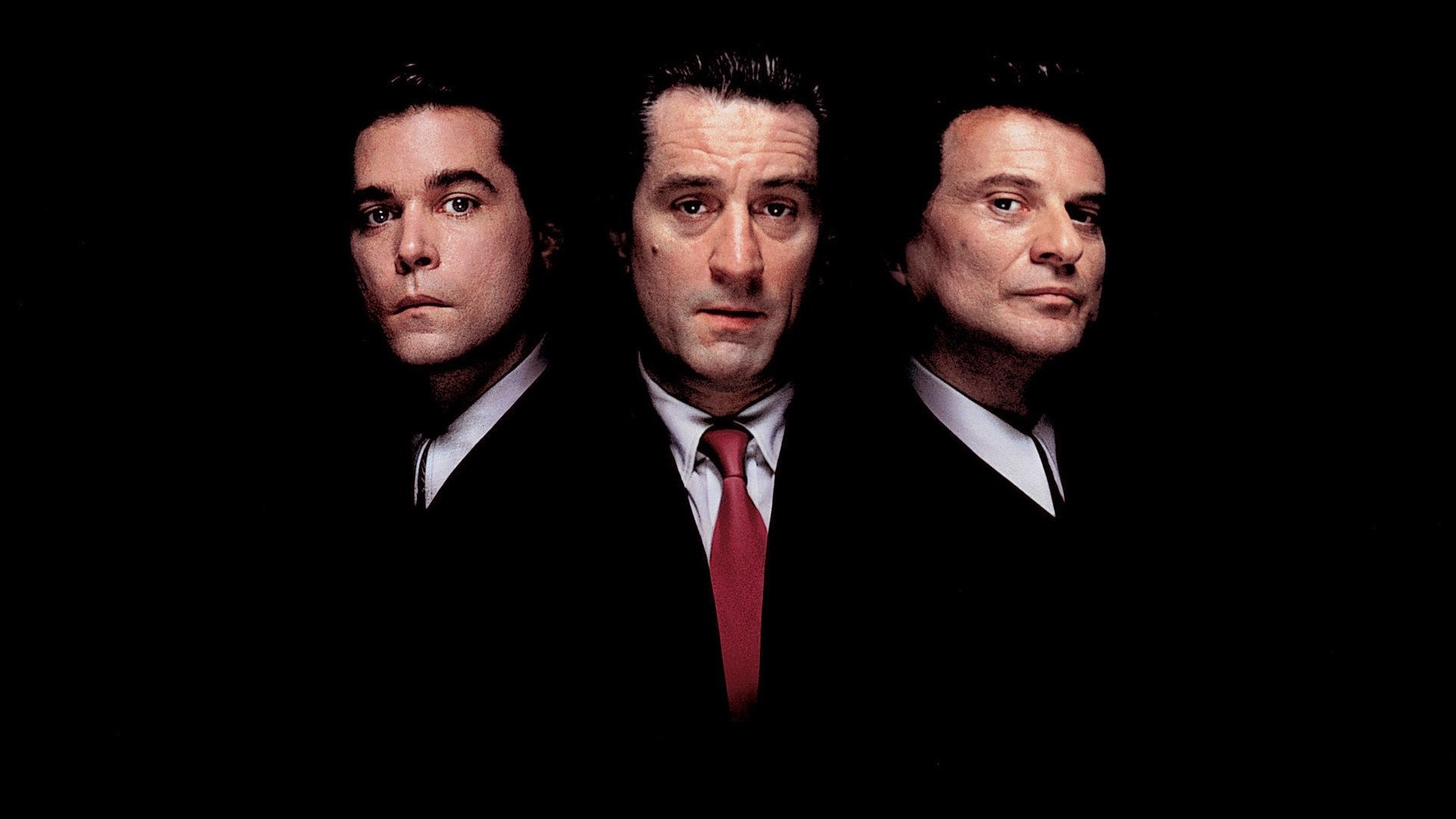
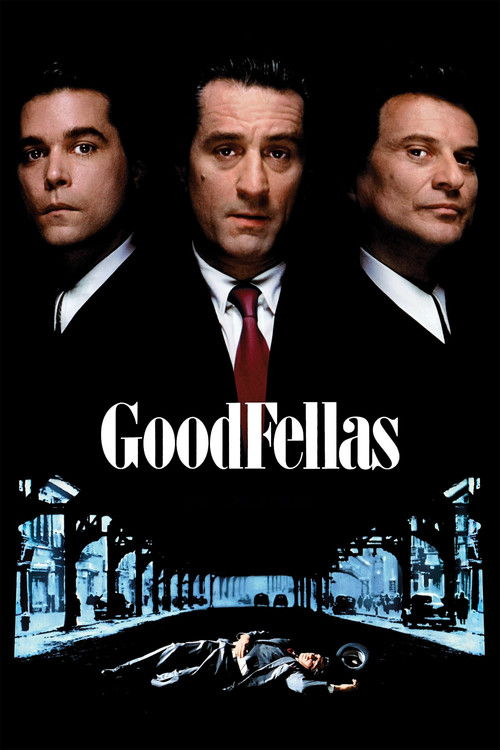
Movie dossier
Goodfellas
Scorsese turns organized crime into a seduction machine that never stops reminding you what the seduction costs.
Latest video signal
Trailer slot ready
A widescreen slot for the newest official trailer, interview, or scene signal when the page has a playable source.
Why it matters
Goodfellas matters because it solves one of gangster cinema’s hardest problems: how to make the life feel thrilling enough that its corruption actually means something. Scorsese does not stand outside the rush. He puts the audience inside status, rhythm, access, and appetite, then lets paranoia and spiritual emptiness accumulate until the whole thing curdles.
Craft read
Voiceover, needle drops, and camera movement fused into pure criminal propulsion
Status, etiquette, and group belonging rendered as a complete world
A defining crime film whose influence still shapes the genre’s speed and swagger
Themes
Cast and context
mafia • status • organized crime • rise and fall • paranoia • voiceover
Coverage status
A fully shaped Cinema One case: the movie has enough authored context, pathway links, and argument to feel like more than a catalog entry.
Production notes
- • Ray Liotta gives Henry Hill the right mix of enthusiasm and weakness, which is why the audience can feel both the rush and the rot of his point of view.
- • Joe Pesci’s volatility matters beyond iconography because it embodies the life’s unstable code: intimacy, humor, humiliation, and murder sitting one inch apart.
- • A cornerstone Scorsese page because it links gangster pleasure, masculine performance, and moral fallout better than almost any other title on the site.
Watch-next pathway
What should you do after Goodfellas?
Three intentional continuations: stay with the filmmaker, chase the dominant pressure signal, or jump into the shelf or argument that best explains why this movie belongs here.
The Departed
The cleanest next move if Martin Scorsese's control, obsessions, or rhythm are what hooked you here.
More status
Use the taste map to find movies, arguments, and shelves that share this page's strongest signal.
Tension Machines
Command decisions, brinkmanship, pressure, and movies that tighten the screws scene by scene.
Movie-page argument
Defend Goodfellas.
If this movie has a scene, performance, ending, or idea people underrate, make the case. The best defenses can become future Cinema One argument material.

Scene challenge
Pick the scene that proves it.
Cinema One is built around scenes that unlock the movie. Tell us which moment carries the pressure, style, argument, or rewatch charge.
Signature scene: the Copacabana tracking shot makes access feel like a narcotic
The famous long take matters because it converts privilege into movement. Henry and Karen do not simply enter a club. They glide through a system designed to flatter them, bypassing ordinary friction, which is why the scene sells the gangster life as a total sensory argument before the movie starts dismantling it.
Line worth carrying forward
“As far back as I can remember, I always wanted to be a gangster.” The line is one of cinema’s great mission statements because it strips the genre down to desire before ethics ever arrive. Goodfellas knows the wanting is the first trap.
Why the ending stings
The ending lands because Scorsese makes ordinary life feel like both punishment and revelation. Henry survives, but survival arrives stripped of glamour, leaving behind a man whose whole identity depended on a system that could only ever end in paranoia, compromise, or death.
Steelman the debate
A fair critique is that Goodfellas is so exhilarating in scene rhythm and criminal texture that the critique can seem secondary to the high. The strongest answer is that the exhilaration is the critique’s necessary precondition. Scorsese has to make the life feel good enough to expose why people keep choosing it despite the spiritual and practical wreckage.
More from this director
Related picks
Read next
What makes Goodfellas immortal is that Scorsese never separates the rush from the critique. The thrill is the delivery system for the emptiness.
Scorsese’s Boston pressure cooker works because it turns identity, class hostility, and institutional rot into one loud, filthy propulsion system.
Scorsese’s boxing masterpiece hits so hard because it uses virtuosity to study a person who keeps turning love, work, and ambition into damage.