
Goodfellas and the Seduction of a Life That Is Already Rotting
What makes Goodfellas immortal is that Scorsese never separates the rush from the critique. The thrill is the delivery system for the emptiness.

Goodfellas understands that gangster cinema only becomes morally serious if the attraction is real. Scorsese does not stand above the life and lecture about corruption. He gives the audience velocity, food, jokes, status, and ritual, then lets paranoia, vanity, and spiritual thinness start leaking through the seams.
Why the Energy Matters
The movie moves like access feels. Music cues, camera glides, voiceover, and the density of criminal social life all combine into a sensation of being ushered behind the curtain. That sensation is why the eventual collapse hits so hard. We have been taught to enjoy what Henry enjoys before the movie shows the price of that education.
Ray Liotta as the Perfect Entry Point
Liotta gives Henry Hill a hunger that is neither fully innocent nor fully monstrous. He is exactly pliable enough to let the audience into the fantasy while still registering the fear and vanity that make the fantasy unsustainable. The performance is one reason the film feels so immediate rather than merely canonical.
The Gangster Movie as Appetite Study
Goodfellas lasts because it is not only about organized crime. It is about wanting the life that seems faster, richer, and more vivid than ordinary existence. Scorsese makes appetite feel glamorous first so that its eventual hollowness can land as lived experience instead of moral summary.
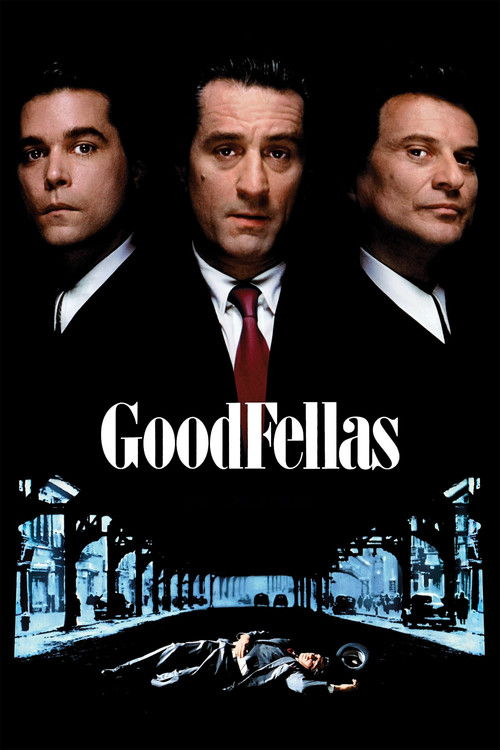
Goodfellas
1990 • Martin Scorsese
Three decades of life in the mafia.
Movies to pair with this read
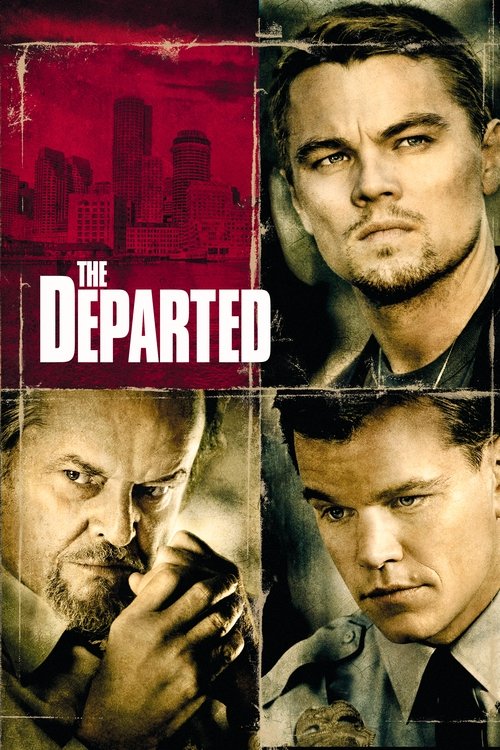




The Departed: A Remake That Wins by Getting Meaner, Hotter, and More American
Scorsese’s Boston pressure cooker works because it turns identity, class hostility, and institutional rot into one loud, filthy propulsion system.

Raging Bull: When Formal Greatness Refuses to Save the Man at the Center
Scorsese’s boxing masterpiece hits so hard because it uses virtuosity to study a person who keeps turning love, work, and ambition into damage.
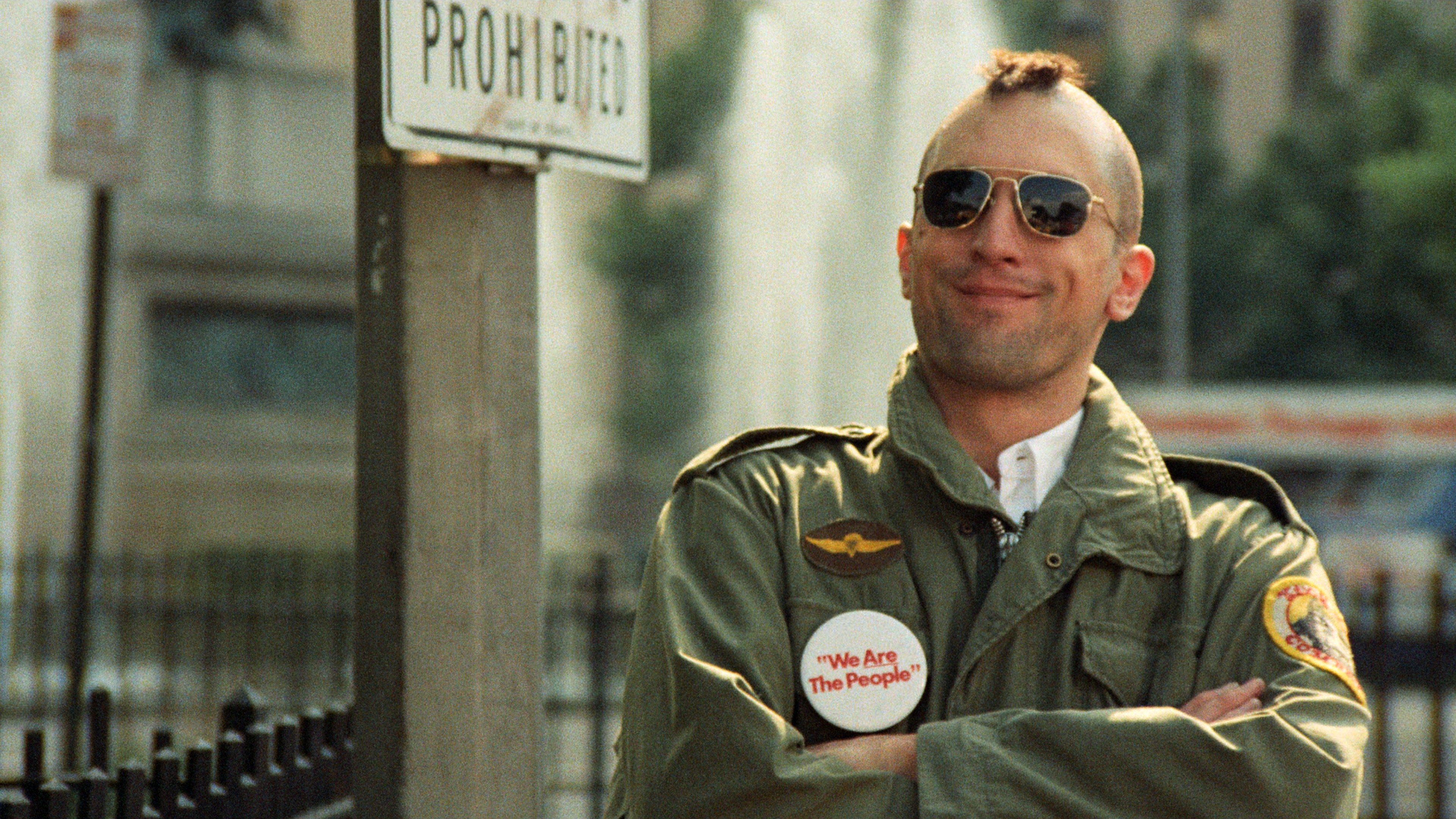
Taxi Driver and the Danger of Letting Alienation Curdle Into Mission
Scorsese’s landmark stays unnerving because it never treats Travis Bickle as a puzzle to solve. It traps us inside a worldview rotting in real time.

Reservoir Dogs and the Genius of Building a Crime Movie Out of the Aftermath
Tarantino’s debut still crackles because it treats the failed heist as an excuse to trap voice, ego, and suspicion in one room until everyone starts bleeding through their own performance.